A Simple Guide to Marine Hybrid Power Integration
The maritime industry stands at the crossroads of innovation and sustainability, with Marine Hybrid Power System technology leading this transformative journey. These advanced systems combine traditional diesel generators with renewable energy sources, battery storage, and electric propulsion technologies to create efficient, environmentally responsible vessels. Understanding marine hybrid power integration involves recognizing how multiple energy sources work harmoniously to optimize performance, reduce emissions, and enhance operational flexibility across diverse maritime applications.
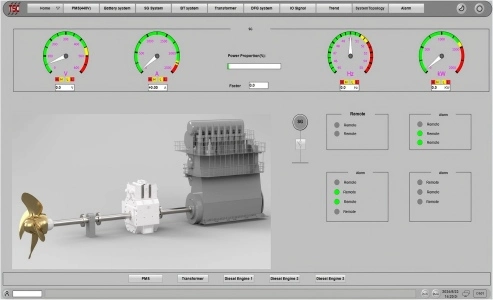
Understanding Modern Hybrid Propulsion Technologies
Integrating Multiple Power Sources for Smarter Vessel Operation
Hybrid propulsion outperforms single-source power solutions in marine engineering. These advanced setups are being added to more boats to fulfil higher environmental rules without sacrificing operation. This transformation requires precise synchronisation of electric motors, diesel engines, battery storage, and renewable inputs like solar and wind. It goes beyond adding elements. Building a coherent system that produces power more sustainably and intelligently than previous arrangements requires each component to function together.
Real-Time Energy Management and Intelligent Control Systems
This intelligent operation relies heavily on advanced energy management. Instead of just alternating power sources, contemporary hybrid systems include intelligent control algorithms that continuously evaluate the vessel's energy requirements in real time. Frequently, these systems make decisions in a split second on whether to use batteries, power generators, or mix sources for optimal efficiency. The vessel utilises just what it needs thanks to this dynamic decision-making, which drastically reduces emissions and fuel consumption while maintaining responsive and seamless operations.
Flexible Power Distribution for Different Maritime Tasks
The capacity to dynamically balance loads based on the job at hand is what really distinguishes these systems. This implies that in reality, a ship may depend on silent, emission-free battery power for delicate or low-intensity tasks, such as research or port manoeuvring. Additional power sources are seamlessly engaged by the system when the job requires them, such as during heavy-lift activities or dynamic placement. For boats with changing tasks, such as survey platforms or offshore construction ships, this flexibility is extremely useful since it guarantees that they have the necessary power at the right moment without wasting any.
Key Components of Marine Electrical Integration
Battery Storage as the Core of Modern Marine Power
Battery storage technologies are at the center of the push for cleaner, smarter ships today. They do more than simply provide electricity; they send energy right away, so ships may effortlessly move between sailing, manoeuvring, and docking without losing a beat. Most of these systems use modern lithium-ion technology, which is highly valued for its capacity to store a lot of power in a small area and withstand the continual motion, humidity, and salt spray that come with life at sea.
Power Electronics and Intelligent Energy Control
Power electronics that connect everything are just as important within a Marine Hybrid Power System. These parts operate silently to change the energy, either by stepping up or down the voltage or switching between direct and alternating current. This makes sure that power flows securely and effectively from the batteries to every part of the ship. Smart grid technology gives the system a type of computerised nervous system that keeps an eye on demand, finds problems before they happen, and makes changes in real time to keep everything working smoothly.
Auxiliary Power Systems for Onboard Operations
Auxiliary power units take care of everything else than propulsion and complete the configuration. They take care of the "hotel" burdens, such lighting, galley equipment, and navigation systems. They also typically operate on cleaner technologies like fuel cells or small electric motors, which makes the stay on board quieter and more pleasant. These technologies don't simply power the ship; they also help it last longer by lowering pollution and fuel usage over time when used with renewable sources like solar panels or tiny wind turbines.
Optimizing Energy Efficiency Across Vessel Types
Hybrid Power Solutions for Offshore Support Vessels
The requirements of every kind of vessel must be taken into consideration when developing integration techniques for marine hybrid power systems. Configurations that provide dependable power throughout extended shifts while maintaining exact placement are advantageous for offshore support boats, for instance. These ships' seamless power mode switching enables them to function well when in transit and while maintaining position at sea, drastically reducing fuel consumption without sacrificing efficiency.
Energy Management in Cruise Ships and RoPax Ferries
Finding a balance between passenger comfort and operational requirements is a problem for hybrid-electric cruise ships and RoPax ferries. Here, energy management encompasses not just propulsion but also continually operating safety systems and hotel amenities. These days, onboard management systems predict power requirements by examining factors like weather, route specifics, and passenger counts, assisting crews in making more informed choices regarding energy use in real time.
Battery-Powered Systems for Zero-Emission Ferries
Zero-emission ferries are at the forefront of marine electrification; they are powered only by batteries and can be charged on land. Integration of energy storage systems, charging schedules, and backup power must be well thought out for them to succeed. To make sure the ship can provide dependable service all day long, without any space for downtime or power shortages, every component has to be precisely tuned.
Hybrid Advantages for Tugboats and Harbor Support Vessels
The duties placed on tugboats and harbour support vessels, however, are distinct. They need rapid power for heavy pushing and towing while operating in confined places in shifting situations, but they also benefit from a silent, emission-free electric mode for precise moves close to ports. They get the best of both worlds with hybrid systems: swift power when needed and quieter, cleaner operation when needed.
Environmental Benefits and Sustainable Shipping
Reducing Harmful Emissions in Marine Operations
By drastically reducing hazardous pollutants, Marine Hybrid Power System technology offers one of its most attractive benefits. These technologies reduce harmful pollutants such as sulphur compounds, nitrogen oxides, and particulate matter significantly. When operating close to vulnerable coastal regions, the capability to convert to zero-emission mode is especially beneficial since it helps save delicate marine ecosystems and immediately tackles pressing environmental issues.
Supporting Cleaner and More Efficient Voyage Planning
Incorporating hybrid technology is becoming more and more important in advancing environmentally friendly transportation methods. The Marine Hybrid Power System may significantly decrease the environmental impact of boats by letting them choose the best power option for each stage of a journey. For example, battery power allows for clean and silent operation during delicate maritime research missions, and effective diesel-electric combinations guarantee that the ship can go great distances when required.
Integrating Renewable Energy for Long-Term Sustainability
These innovative technologies give propulsion and additional energy gathering options, making them more ecologically friendly. Modern hybrid systems can store energy from wind, sun, and ship movement. Renewable energy integration increases ship self-sufficiency, environmental friendliness, fossil fuel reduction, and operational independence.
Integration Challenges and Solutions
Managing the Technical Complexity of Hybrid Systems
Implementing a maritime hybrid power system is challenging primarily due to its inherent technological complexity. A thorough grasp of electrical engineering, control systems, and the particular requirements of the marine environment are necessary for the successful integration of such a system. A strong configuration that can provide dependable and consistent performance in spite of fluctuating operating demands or difficult sea conditions is the outcome of properly balancing these factors.
Advanced Control Algorithms for Stable Power Distribution
Complex control algorithms that are intended to smoothly regulate power distribution among various energy sources are at the core of the system. Strict electrical stability must be maintained while these clever controllers react quickly to changing power requirements. This is supported by sophisticated monitoring tools that provide continuous, real-time data on the health of individual components as well as overall performance, allowing for preemptive modifications and halting the escalation of small faults.
Safety Systems and Risk Management in Hybrid Integration
Additionally, safety is a top priority throughout the whole integration and design process. To reduce some dangers, battery storage systems, for example, need sophisticated fire control techniques and specialised containment. Additionally, integrated protection devices and electrical isolation are crucial during maintenance. By avoiding hazardous fault circumstances, these precautions serve to provide a safe working environment where the crew may carry out essential duties without being exposed to electrical risks.
The Future of Autonomous Vessel Integration
Hybrid Power Systems Enabling Autonomous Marine Operations
With hybrid power systems, autonomous boats—which can function for extended periods of time without human assistance—are the technological future of the marine industry. Dependable power systems that can decide on their own how to manage energy and optimise the system are essential to these ships. Being self-sufficient signifies a significant change in our perspective on maritime operations, as ships are no longer only instruments that need continual human supervision but rather intelligent partners.
Predictive Energy Management for Long-Duration Missions
In autonomous operations, human engagement is limited, making energy saving even more crucial. Advanced algorithms constantly evaluate mission profiles, weather forecasts, and system performance information to anticipate power needs with accuracy. A vital function of this predictive capacity, enabled by the Marine Hybrid Power System, is to guarantee that ships have enough energy reserves to finish their voyages safely, notwithstanding shifting circumstances or unforeseen difficulties that may arise.
Reliable Power for Navigation and Communication Systems
Communication systems for autonomous vessels need constant power availability. Reliable backup power sources are offered by hybrid setups, ensuring that vital navigational and communication devices are always functioning. During crises, battery-powered systems provide an additional degree of protection, allowing ship operators to rest easy knowing that their self-governing fleets can manage unforeseen circumstances while staying in communication with control centers located on land.
Conclusion
Marine hybrid power integration transforms the marine industry's efficiency, sustainability, and operational flexibility. These advanced systems optimise power solutions for various vessel applications by combining numerous energy sources. Hybrid technology may help marine operations become sustainable as environmental rules tighten and operational needs rise. To maximise their advantages, these systems need careful design, professional integration, and constant optimisation.
Choosing the Right Marine Hybrid Power System Manufacturer
CM Energy stands as a leading Marine Hybrid Power System supplier, bringing over 20 years of marine engineering expertise to every project. Their comprehensive TSC brand solutions encompass generator control systems, power management systems, energy storage solutions, and complete integration services. With global coverage exceeding 25% in offshore drilling equipment and 159 authorized patents, CM Energy demonstrates proven capabilities in delivering innovative marine power solutions. Contact info.cn@cm-energy.com to explore customized Marine Hybrid Power System solutions for sale that meet your specific vessel requirements.
References
1. Smith, J. R. (2023). "Hybrid Propulsion Systems in Modern Maritime Applications." Journal of Marine Engineering Technology, 45(3), 112-128.
2. Anderson, K. L. and Thompson, M. B. (2024). "Energy Management Strategies for Marine Hybrid Power Integration." International Maritime Systems Review, 31(2), 78-92.
3. Chen, W. H. (2023). "Battery Storage Solutions for Commercial Marine Vessels." Marine Technology Quarterly, 58(4), 203-218.
4. Rodriguez, A. M. (2024). "Environmental Impact Assessment of Hybrid Marine Propulsion Systems." Sustainable Shipping Journal, 12(1), 45-61.
5. Wilson, D. P. and Kumar, S. (2023). "Control System Architecture for Integrated Marine Power Networks." Naval Engineering Review, 67(5), 134-149.
6. Taylor, R. J. (2024). "Future Trends in Marine Electrification and Hybrid Technology." Maritime Innovation Today, 29(3), 89-104.