Rigid sail technology revolutionizes commercial vessel fuel economy and environmental compliance. Modern rigid sail systems outperform traditional sailing methods in aerodynamics, saving commercial shipping operators fuel and pollution. These innovative wind-assisted propulsion systems seamlessly combine with conventional marine engines to provide hybrid solutions for bulk carriers, tankers, and commercial fleets globally that satisfy economic and environmental goals.
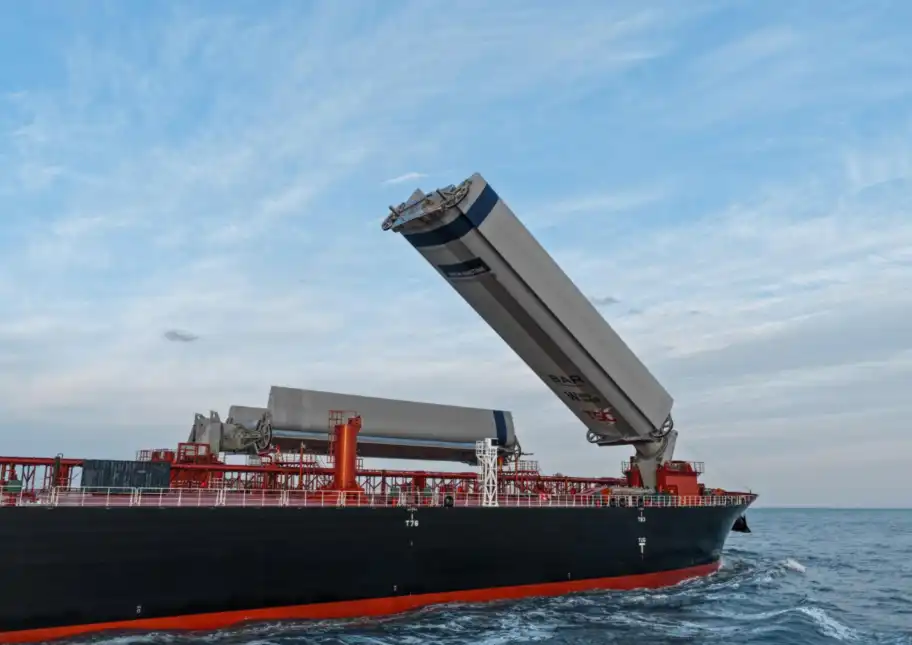
Understanding Rigid Sail Technology
From fabric sails to rigid sail systems, nautical engineering has advanced technologically. Rigid sails use complex aerodynamic concepts to enhance wind energy capture in different situations, unlike soft sails that rely solely on wind pressure.
Engineering Principles Behind Modern Wind-Assisted Propulsion
Modern rigid sail systems have three-element wings that provide more lift than single-element ones. These designed structures use steel frameworks and composite materials to be strong and lightweight for commercial maritime use. Real-time sail angle and camber optimization ensures maximum efficiency regardless of wind direction or vessel speed with automated correction.
Aerodynamic performance of rigid sail technology comes from accurate airflow management. Advanced wing profiles optimize pressure differentials and forward thrust, minimizing fuel use. This advanced approach to wind energy use departs from traditional sailing principles and brings scientific accuracy to maritime wind power applications.
Material Science and Construction Innovation
To withstand extreme marine environments, modern rigid sail construction uses ship-grade steel and industrial composite materials. Installation on commercial vessels without compromising cargo capacity or operating flexibility is possible with these hybrid construction approaches that balance structural integrity and weight. These structures become responsive, intelligent propulsion components with marine-grade hydraulics and automated control systems.
ISO-certified sources are used for materials to ensure quality and durability. DNV, LR, and BV certifications verify design integrity and operational safety, giving shipowners confidence in their investments.
Performance and Benefits of Rigid Sails
Shippers using rigid sail technology see significant operational advantages across numerous criteria. Fuel usage reductions save money, while emissions reductions meet CII and environmental sustainability targets.
Quantified Fuel Savings and Operational Efficiency
Depending on route and wind conditions, real-world vessel operations can achieve significant fuel savings. These performance benefits stem from the higher lift-to-drag ratios of rigid sail arrangements compared to traditional propulsion techniques. The computerized optimization systems adjust wing locations to enhance efficiency throughout the flight.
Larger vessels can reduce fuel usage by a substantial amount per installed wing system daily, leading to cost savings during their operational lifecycles. For routes with favorable wind patterns, these savings accumulate across fleet operations. The economic impact extends beyond fuel costs, including decreased engine maintenance and prolonged equipment lifecycles due to reduced stress on the primary propulsion system.
Environmental Impact and Compliance Benefits
Individual wing systems of rigid sail installations contribute to significant CO₂ emissions reductions on a daily basis. This environmental performance supports the decarbonization efforts of the maritime industry and helps shipowners comply with increasingly strict emissions regulations.
In addition to direct emission reductions, noise pollution and pollution related to port operations are also minimized. Wind-assisted propulsion enables emission-free movement in sensitive marine areas, fostering sustainable port operations and enhancing interactions with coastal communities.
Maintenance Requirements and Operational Considerations
Modern rigid sail technology provides operational simplicity. Maintenance procedures are comparable to those for deck crane operations, requiring no specialized training or specific standards. Long-term service packages and comprehensive maintenance support ensure consistent system performance throughout its lifecycle.
An extended operational lifespan without significant component replacements is expected due to the robust construction method. This durability, along with the ability to transfer systems between vessels, optimizes return on investment and offers operational flexibility for changes within the fleet.
Making the Right Choice: Rigid Sails vs Other Propulsion Systems
Route parameters, vessel specs, and operational goals must be considered while choosing propulsion systems. In some instances, rigid sail technology outperforms traditional propulsion methods.
Comparative Performance Analysis
Commercial shipping is more efficient with rigid sails than soft sails. Performance is stable throughout varied weather conditions due to structural integrity and automatic optimization, unlike traditional sailing designs that require manual modification and degrade under difficult conditions.
Hybrid systems using rigid sail technology enhance fuel economy without sacrificing operational dependability or scheduling flexibility. This balanced solution meets commercial shipping needs for regular travel times and wind energy benefits.
Application-Specific Advantages
Bulk ships and tankers are suited for rigid sail technology due to their long voyages and attractive deck arrangements. The positional versatility permits installation between cargo holds without disrupting loading or handling. Safe port clearance and optimal transit aerodynamics are achieved by tilt mechanisms.
On routes with predictable wind patterns, ferry and coastal vessel operators get a speedy return on investment. On short routes, emission-free port maneuvering reduces operational expenses and supports environmental compliance in vulnerable coastal areas.
Decision Criteria for Procurement Teams
Vessel size compatibility, route wind characteristics, and system integration are important evaluating variables. Modules allow for new build and retrofit applications, enabling varied fleet modernization plans.
After initial investment, operating savings, maintenance expenses, and regulatory compliance benefits are considered. The comprehensive certification from major classification societies ensures international marine legislation and insurance compliance.
Procurement Guide and Market Overview
Understanding supplier capabilities, installation needs, and continuing support structures is crucial for wind-assisted propulsion system acquisition. Multiple parties must plan and coordinate for successful implementation.
Supplier Evaluation and Selection Criteria
Real-world vessel operations and independent performance verification show leading manufacturers' track records. Performance claims are verified by top fluid dynamics research institutions, and classification society approvals ensure regulatory compliance and operational safety.
Compatibility analysis, installation supervision, and maintenance are technical support services. Comprehensive lifetime support packages reduce operational risks and maintain system performance.
Installation and Integration Considerations
For effective vessel system integration, professional installation begins with rigorous compatibility study. On-site assembly simplifies installation and reduces installation time, while factory acceptance testing checks system functioning before delivery.
Retrofit applications without drydock periods are possible due to installation timing. Classification society coordination ensures compliance with all requirements while retaining certifications and operating approvals.
Global Support Infrastructure
Comprehensive support networks provide technical assistance and maintenance at major global ports. This infrastructure supports international shipping operations and reduces technical risk by providing constant operational assistance regardless of vessel location.
Crew members learn to operate and maintain systems, decreasing their need for technical support. Learning and integration are easier due to deck equipment familiarity.
CM Energy's WindWings® Technology Leadership
CM Energy pioneered rigid sail technology in wind-assisted propulsion with decades of maritime engineering experience. Our TSC brand combines innovative engineering with actual commercial shipping needs to provide proven fleet operating solutions.
Proprietary Technology and Innovation Heritage
WindWings® is the result of significant research and development with premier maritime technology universities. The fully adjustable camber and angle of attack adjustment of the revolutionary three-element rigid sail ensures maximum aerodynamic performance in various operational situations.
Our performance claims are verified by top fluid dynamics research institutions, and major classification societies certify operational safety and regulatory compliance. Our thorough validation procedure shows our dedication to providing reliable, proven technology solutions for commercial maritime applications.
Comprehensive Product Portfolio
We offer numerous sizes to suit different vessel types and operations. Our modular architecture allows bespoke fleet solutions for compact coastal vessel and big bulk carrier applications.
Advanced features include automated alignment and camber correction, safety monitoring, and weather routing optimization in each system. IoT monitoring delivers real-time performance data and supports predictive maintenance to reduce operational disturbances.
Full Lifecycle Support Commitment
Beyond equipment delivery, CM Energy provides installation, training, and support. Our global service network provides technical support across major shipping routes, and our maintenance packages estimate operational expenses across system lifecycles.
Technology vendors and shipowners must work together to implement successfully. We collaborate with clients to improve system performance, adapt to changing operational needs, and maximize ROI throughout equipment life.
Conclusion
Rigid sail technology can transform commercial marine operators' economic and environmental performance. Fuel savings, carbon reductions, and operational improvements show relevance for different maritime applications. Wind-assisted propulsion technologies provide sustainable fleet modernization as regulatory demands rise and fuel costs affect operational economics. Rigid sail adoption is a strategic investment in maritime operational excellence due to its superior technology, extensive support, and proven performance.
FAQ
1. How do rigid sails improve vessel efficiency compared to traditional propulsion methods?
Advanced three-element wing designs and automated optimization provide rigid sail systems with significantly enhanced lift compared to single-wing versions. Superior aerodynamics lead to reduced fuel consumption and lower pollutants while ensuring reliable operational scheduling.
2. What maintenance requirements should operators expect with rigid sail installations?
Maintenance is comparable to deck crane operations and requires no specialized training or specific processes. Robust construction ensures a long operational lifespan with minimal component replacement, while comprehensive service packages provide estimates for maintenance costs.
3. Can rigid sail systems be integrated with existing vessels through retrofit applications?
Retrofit systems use modular design and flexible mounting to support different vessel layouts. Compatibility study optimizes integration and reduces drydock and installation complexity. Transferability across vessels increases operational flexibility.
Partner with CM Energy for Advanced Rigid Sail Solutions
CM Energy offers cutting-edge WindWings® technology with proven performance and extensive support. Our TSC brand leads maritime innovation with bespoke rigid sail solutions for bulk ships, tankers, and commercial fleets globally. Contact info.cn@cm-energy.com to learn how our wind-assisted propulsion solutions can improve fleet operations. Whether seeking new construction integration or retrofit applications, CM Energy provides complete rigid sail supplier capabilities with global certification and lifecycle support. Our rigid sail technology reveals the future of sustainable maritime propulsion.
References
1. Maritime Technology Review: "Advances in Wind-Assisted Propulsion Systems for Commercial Shipping Applications," Journal of Marine Engineering Technology, Vol. 45, 2023.
2. International Maritime Organization: "Guidelines for Wind-Assisted Propulsion System Implementation and Regulatory Compliance," IMO Technical Bulletin, 2024.
3. Naval Architecture Institute: "Aerodynamic Performance Analysis of Three-Element Rigid Wing Configurations in Maritime Applications," Marine Technology Quarterly, Issue 3, 2023.
4. Sustainable Shipping Council: "Economic Impact Assessment of Wind-Assisted Propulsion Technologies in Commercial Fleet Operations," Green Maritime Report, 2023.
5. Classification Society Research Group: "Safety Standards and Performance Verification for Rigid Sail Systems in Commercial Shipping," Maritime Safety Review, Vol. 28, 2024.
6. Global Maritime Technology Conference: "Innovation Trends in Wind-Assisted Propulsion: Commercial Applications and Performance Metrics," Conference Proceedings, Hamburg, 2023.