What Instruments Are Essential in CHS Monitoring?
Essential instruments in Cargo Handling System monitoring include load sensors, environmental monitors, positioning devices, and automation controls that work together to ensure safe, efficient cargo operations. These sophisticated measurement tools provide real-time data on critical parameters such as weight distribution, temperature fluctuations, cargo positioning, and system performance. Modern vessels require comprehensive monitoring solutions to maintain operational safety standards while optimizing efficiency across diverse cargo types, including LPG, LNG, ammonia, and chemical products.
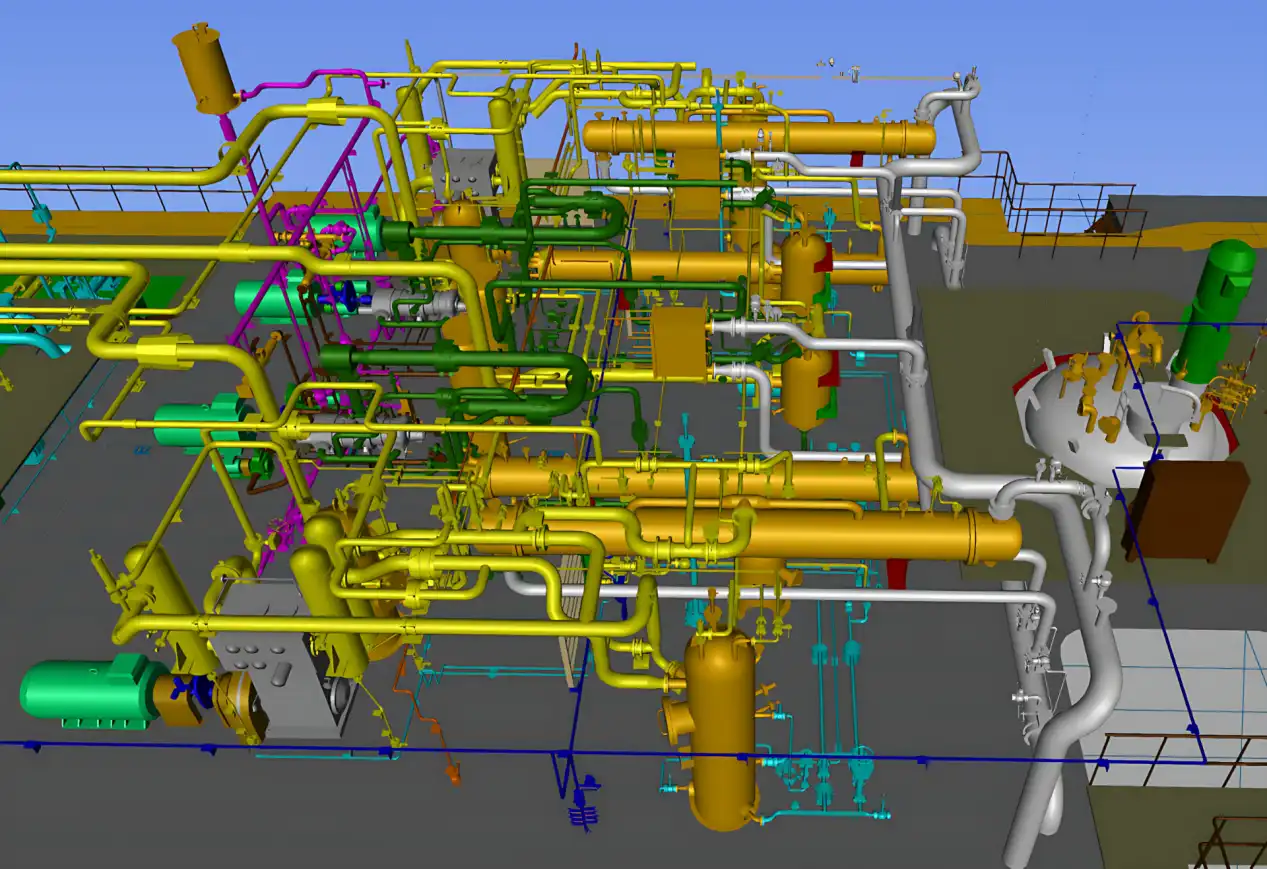
Understanding the Basics of Cargo Handling System Monitoring
Effective monitoring of Cargo Handling Systems forms the cornerstone of modern maritime operations, particularly for complex vessels handling liquefied gases and hazardous materials. The systematic approach involves continuous surveillance of multiple operational parameters that directly impact safety protocols and operational efficiency.
Core Monitoring Parameters
CHS observing includes a few basic regions that require steady consideration. Weight dissemination checking anticipates auxiliary push and guarantees vessel soundness amid stacking and emptying operations. Temperature and weight reconnaissance become especially significant when dealing with unstable substances like LPG or smelling salts, where even minor changes can trigger security concerns. Movement following capabilities permit administrators to screen cargo development designs and recognize potential issues some time recently they heighten into expensive problems.
Real-Time Data Integration
Modern checking frameworks exceed expectations at uniting different information streams into significant insights. Progressed sensor systems capture data from different sources at the same time, making a comprehensive operational picture that empowers quick decision-making. This coordinated approach minimizes downtime while lessening operational costs through prescient investigation capabilities that recognize potential issues, which sometimes show as gear failures.
Understanding these foundational observing concepts empowers oceanic experts to make educated choices, informed determination and framework optimization. The complexity of cutting-edge cargo taking care of operations requires modern checking arrangements that can adjust to changing operational prerequisites over distinctive vessel types and cargo categories.
Essential Instruments Used in CHS Monitoring
The establishment of successful cargo checking depends on a carefully chosen cluster of accuracy rebellious, each outlined to capture particular operational parameters vital for secure cargo taking care of operations. These disobedient shape an interconnected organize that gives comprehensive perceivability into framework performance.
Load Measurement Systems
Load sensors such as strain gauges, load cells, and dynamometers continuously monitor forces and weight distribution, preventing overloads and ensuring structural safety and regulatory compliance within the Cargo Handling System.
Environmental Monitoring Instruments
Temperature, humidity, pressure, and gas detection instruments safeguard cargo integrity and crew safety by identifying adverse conditions, leaks, or anomalies that may affect cargo performance or operational stability.
Positioning and Motion Detection
Positioning tools including GPS, accelerometers, RFID, and laser scanning track cargo movement and vibration, enabling precise handling, automated identification, and transparent monitoring throughout the entire cargo handling process.
How These Instruments Work Together in a Modern CHS?
Modern Cargo Handling Systems demonstrate remarkable sophistication through their integrated instrumentation networks that transform individual sensor data into comprehensive operational intelligence. This interconnected approach revolutionizes traditional cargo handling methodologies by providing unprecedented visibility into system performance.
Centralized Data Processing
Contemporary observing frameworks exceed expectations at conglomerating differing sensor inputs into bound together control stages that display complex data in effortlessly edible designs. IoT-enabled observing systems encourage consistent communication between dispersed sensors and central processing units, making real-time operational dashboards that empower prompt reaction to changing conditions.
Cloud-based information platforms upgrade framework capabilities by giving advanced analytics and farther checking alternatives that amplify operational oversight beyond physical vessel areas. These stages prepare tremendous amounts of sensor information ceaselessly, recognizing designs and patterns that human administrators might neglect amid schedule operations.
Automated Response Systems
Integration between checking disobedience and control frameworks empowers automated reactions to predefined operational scenarios. Crisis shutdown frameworks actuate quickly upon identifying perilous conditions, ensuring cargo judgment and group security without requiring human mediation. Prescient support calculations analyze sensor information designs to plan support exercises, but hardware disappointments occur.
Alert era frameworks prioritize notices based on operational criticality, guaranteeing that pressing circumstances get prompt consideration whereas schedule notices are dealt with through standard methods. This shrewd prioritization anticipates data over-burden whereas keeping up comprehensive framework oversight.
Performance Optimization
Integrated observing frameworks give important bits of knowledge into operational productivity designs that empower persistent advancement activities. Information analytics uncover optimization openings in stacking groupings, hardware utilization rates, and support planning that can altogether affect operational costs and execution metrics.
The synergistic relationship between observing rebellious makes operational capabilities that surpass the whole of person component commitments, illustrating the esteem of comprehensive integration in cutting edge cargo dealing with applications.
Choosing the Right Monitoring Instruments for Your Cargo Handling System
Selecting appropriate monitoring instrumentation requires careful consideration of operational requirements, environmental conditions, and regulatory compliance standards that vary significantly across different vessel types and cargo categories. The decision-making process involves balancing multiple factors that influence long-term operational success.
Operational Requirements Assessment
Understanding specific operational demands helps determine the appropriate level of monitoring sophistication required for successful cargo handling operations. Large-scale operations handling multiple cargo types simultaneously require comprehensive monitoring solutions with advanced integration capabilities. Specialized cargo categories like ammonia or chemical products demand enhanced safety monitoring features that exceed standard requirements.
Automation levels significantly impact instrumentation selection, with highly automated systems requiring more sophisticated sensor networks and integration capabilities. Manual operations may benefit from simpler monitoring solutions that provide essential safety oversight without unnecessary complexity.
Compliance and Standards Consideration
International maritime regulations establish minimum monitoring requirements that must be incorporated into any cargo handling system design. ISO standards provide framework guidelines for instrument selection and installation procedures that ensure consistent performance across different operational environments. OSHA compliance requirements mandate specific safety monitoring capabilities that protect crew members and environmental resources.
Regulatory alignment reduces operational risks while ensuring consistent performance standards that meet international expectations. Proper compliance documentation facilitates regulatory inspections and demonstrates commitment to operational excellence.
Cost-Benefit Analysis
Comprehensive evaluation frameworks help procurement professionals assess total ownership costs against operational benefits provided by different monitoring solutions. Initial equipment costs represent only a portion of lifetime ownership expenses, with maintenance requirements, calibration needs, and training costs contributing significantly to total investment requirements.
Return on investment calculations should consider operational efficiency improvements, reduced downtime, and enhanced safety performance that quality monitoring systems provide over extended operational periods. These benefits often justify higher initial investments through improved operational performance and reduced risk exposure.
Maintenance and Safety Tips for CHS Monitoring Instruments
Proper maintenance protocols ensure monitoring instruments continue providing accurate data throughout their operational lifespan while maintaining the safety standards essential for cargo handling operations. Establishing comprehensive maintenance procedures protects equipment investments while ensuring consistent operational performance.
Routine Inspection Procedures
Regular inspections and calibration checks help maintain measurement accuracy, identify early faults, and meet regulatory requirements. Detailed maintenance records support predictive planning, compliance audits, and informed decisions on instrument servicing or replacement.
Environmental Protection Strategies
Marine operating conditions require protective housings, corrosion resistance, and redundancy to ensure reliable performance. In a Cargo Handling System, safeguarding instruments from moisture, salt, and vibration is critical to consistent monitoring.
Training and Operational Procedures
Structured training ensures correct instrument operation, effective troubleshooting, and proper emergency response. Ongoing education reinforces safety awareness, supports regulatory compliance, and builds operator confidence in monitoring system reliability.
Conclusion
Strategic integration of specialized hardware to screen cargo dealing with forms is basic for CHS checking. Checking systems, counting stack sensors, natural screens, situating frameworks, and automation controls progress operational security and effectiveness over cargo sorts and vessel plans. Operational needs, administrative compliance measures, and long-term cost-benefit examination must be considered when choosing observing gear to guarantee the system's lifetime execution. Appropriate gear upkeep and administrator preparation protect hardware speculations and guarantee accuracy and constancy for cargo taking care of in today's requesting marine environment.
FAQ
1. What are the most reliable instruments for weight measurement in cargo handling?
Load cells and strain gages speak to the most tried and true choices for weight estimation in oceanic cargo operations. Stack cells give extraordinary exactness over wide estimation ranges, while keeping up steadiness beneath unforgiving marine conditions. Strain gages offer exact estimation of auxiliary push and stack dispersion, making them perfect for observing basic bolster focuses amid cargo operations.
2. How often should CHS monitoring instruments be calibrated?
Calibration interims depend on instrument type and operational conditions, but most cargo taking care of observing gear requires calibration each six to twelve months to keep up exactness and regulatory compliance. Natural sensors may require more frequent calibration in cruel conditions, whereas stack estimation frameworks ordinarily keep up exactness longer due to their strong construction.
3. What role do environmental sensors play in protecting cargo during transport?
Environmental sensors monitor temperature, humidity, and pressure conditions that directly impact cargo integrity during transport operations. These instruments detect fluctuations that could damage sensitive products like chemicals or liquefied gases, enabling immediate corrective actions that protect cargo value and ensure safe transport conditions throughout voyage duration.
Partner with CM Energy for Advanced Cargo Handling System Solutions
CM Energy stands ready to enhance your cargo handling operations through our comprehensive monitoring instrumentation and integrated system solutions. Our TSC brand delivers proven expertise in LPG cargo systems, advanced safety features, and customized monitoring solutions that meet the demanding requirements of modern maritime operations. With over 159 authorized patents and global offshore equipment coverage exceeding 25%, our technology-driven approach ensures reliable performance across diverse operational environments.
As a leading Cargo Handling System manufacturer, we provide complete lifecycle support from initial design through ongoing maintenance and technical assistance. Our strategic partnerships with international design firms enable us to deliver cutting-edge solutions that optimize operational efficiency while maintaining stringent safety standards. Contact our technical experts at info.cn@cm-energy.com to discuss your specific monitoring requirements and discover how our innovative solutions can transform your cargo handling capabilities.
References
1. International Maritime Organization. "Guidelines for Cargo Handling Systems Safety and Monitoring Requirements." Maritime Safety Committee Publications, 2023.
2. American Bureau of Shipping. "Instrumentation and Control Systems for Gas Carriers: Technical Standards and Best Practices." ABS Technical Papers, 2024.
3. Society of Naval Architects and Marine Engineers. "Advanced Monitoring Technologies in Modern Cargo Handling Systems." SNAME Technical Journal, 2023.
4. International Association of Classification Societies. "Load Monitoring and Safety Systems for Liquefied Gas Carriers." IACS Guidelines and Procedures, 2024.
5. Maritime Technology Cooperative Research Centre. "Integration of IoT Technologies in Cargo Handling System Monitoring." Maritime Innovation Review, 2023.
6. International Safety Management Association. "Best Practices for Environmental Monitoring in Maritime Cargo Operations." ISMA Safety Publications, 2024.