Automated Cargo Systems: The Best Investment for Rigs?
Automated cargo systems represent a transformative investment for modern rig operations, delivering substantial returns through enhanced efficiency, safety improvements, and reduced operational costs. The integration of advanced Cargo Handling System technology into offshore and onshore facilities has proven instrumental in revolutionizing how energy companies manage their material logistics. These sophisticated systems eliminate manual bottlenecks while ensuring compliance with stringent industry safety protocols, making them an essential component for competitive operations in today's demanding energy sector.
Understanding Automated Cargo Systems in Rig Operations
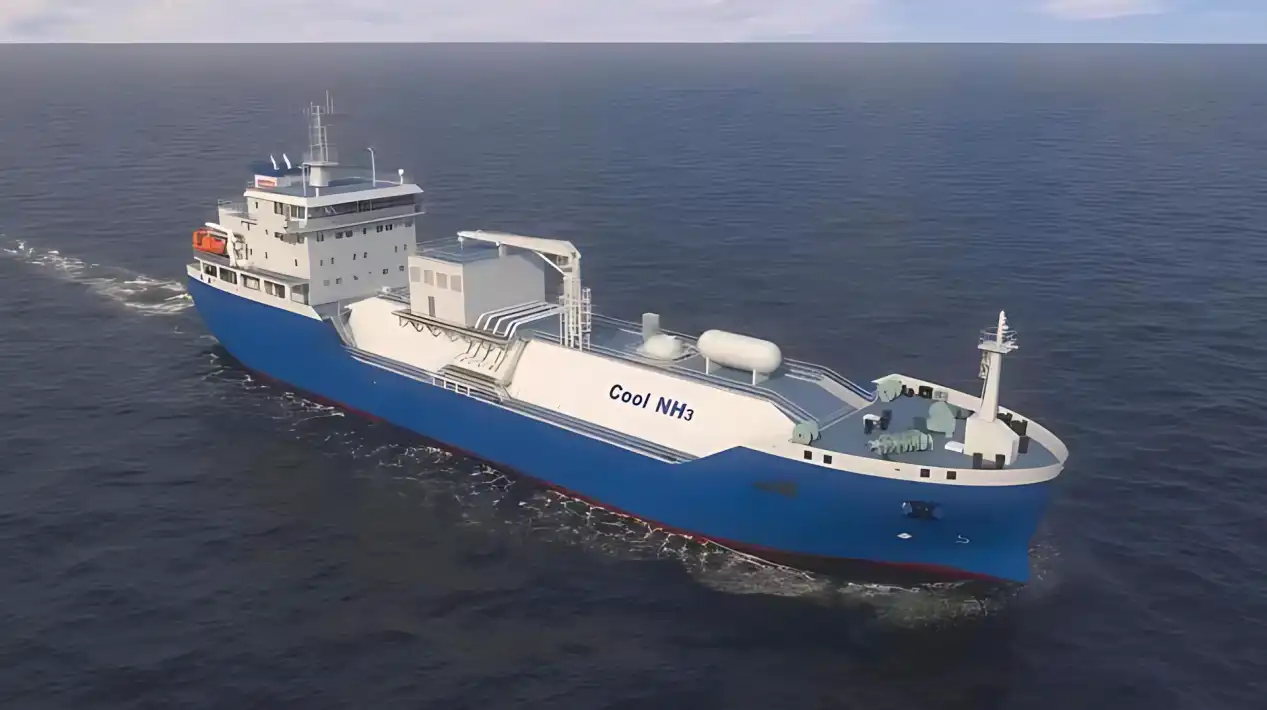
Modern fix operations request modern fabric development arrangements that can withstand unforgiving situations while maintaining operational fabulousness. Robotized cargo frameworks speak to a progressive approach to dealing with materials in seaward boring stages, FPSO units, and different specialized vessels counting VLGCs, chemical tankers, and LNG carriers.
Core Components of Automated Rig Systems
Automated cargo frameworks coordinated different mechanized components working in culminate agreement. Mechanical cranes prepared with accuracy controls handle overwhelming lifting operations, whereas transport systems transport materials over stage surfaces. Keen lifting components oversee the vertical development of hardware and supplies, complemented by computerized sorting frameworks that categorize and disseminate cargo according to predefined parameters.
These frameworks contrast considerably from conventional manual strategies by joining sensor systems, programmable logic controllers, and real-time observing capabilities. The integration guarantees consistent coordination between stacking, emptying, and inner fabric dispersion forms, making an interconnected web of proficiency that changes fixed logistics.
Operational Integration and Safety Protocols
The consistent integration of mechanized frameworks into existing infrastructure requires cautious thought of security conventions and operational workflows. Progressed control frameworks screen natural conditions, consequently altering operations based on climate conditions, vessel positioning, and cargo characteristics.
Safety highlights incorporate crisis shutdown capabilities, collision avoidance sensors, and repetitive control frameworks that keep up operational astuteness indeed amid gear failures. These defensive measures guarantee ceaseless compliance with seaward security directions while minimizing human exposure to unsafe conditions.
Advantages of Investing in Automated Cargo Systems for Rigs
Investment in robotized cargo arrangements conveys quantifiable benefits over numerous operational measurements. The innovation changes conventional coordination workflows, making considerable value through made strides effectiveness measurements and upgraded security performance.
Efficiency and Cost-Effectiveness Benefits
Automation dramatically reduces Cargo Handling System timeframes, enabling faster rig turnaround cycles and minimizing expensive operational downtime. Labor costs decrease significantly as automated systems require fewer personnel for routine operations, allowing crew members to focus on higher-value activities that enhance overall productivity.
The predictable nature of automated operations enables better resource planning and scheduling optimization. Rig operators can accurately forecast material handling timeframes, improving coordination with supply vessels and reducing weather-related delays. These efficiency gains translate directly into improved profit margins and enhanced competitive positioning.
Enhanced Safety and Compliance
Automated frameworks considerably decrease work environment accidents by dispensing with human involvement in perilous lifting and fabrication operations. Accuracy controls anticipate hardware collisions and cargo harm, whereas coordinate checking frameworks guarantee compliance with industry security standards.
The innovation gives comprehensive review trails reporting all cargo developments, supporting administrative compliance endeavors, and protection necessities. Progressed sensor systems distinguish potential security risks some time recently risen into genuine occurrences, making a proactive security environment that secures staff and gear investments.
How to Choose and Procure the Right Automated Cargo System for Your Rig?
Selecting suitable computerized cargo arrangements requires a comprehensive assessment of specialized capabilities, merchant accreditations, and long-term back commitments. The acquirement prepare includes different considerations that affect the framework's performance and venture returns.
Technical Evaluation and Vendor Selection
Successful obtainment starts with intensive evaluation of framework measured quality, adaptability alternatives, and integration capabilities with the existing fix framework. Driving producers like TSC illustrate demonstrated skill through broad portfolios and industry certifications that prove their specialized competencies.
Vendor assessment ought to prioritize companies advertising comprehensive arrangements, fabrication capabilities, installation support, and maintenance services. TSC's association with Norwegian plan firm WTC embodies the collaborative approach fundamental for conveying progressive showcase arrangements that meet differing operational requirements.
Installation and Support Considerations
Professional establishment administrations guarantee appropriate framework integration and ideal execution from introductory sending. Experienced sellers give point-by-point establishment conventions covering vessel plan confirmation, hardware situating, pipeline associations, and comprehensive testing strategies that approve all subsystem functionalities.
Ongoing back commitments include preparing programs, support administrations, and specialized help guarantee most extreme framework life span and the optimization of the system's performance. Get to responsive client benefit and promptly accessible save parts minimizes operational disturbances and keeps up steady efficiency levels throughout the framework lifecycle.
Maintaining and Optimizing Your Automated Cargo System
Sustained peak performance requires systematic maintenance approaches, comprehensive operator training, and continuous optimization efforts. These activities ensure maximum return on automation investments while extending system operational lifecycles.
Maintenance Strategies and Performance Optimization
Preventive upkeep programs, joining planned assessments, component substitutions, and program upgrades, anticipate unforeseen hardware disappointments that might disturb repair operations. Progressed observing frameworks give real-time execution information, empowering prescient support procedures that address potential issues some time recently they affect productivity.
Routine calibration procedures ensure continued precision and accuracy in Cargo Handling System operations. Regular system audits identify optimization opportunities and performance improvements that enhance operational efficiency over time. These proactive approaches maximize equipment reliability while minimizing maintenance costs.
Training and Future Technology Trends
Comprehensive training programs enable rig personnel to effectively operate automated systems and leverage advanced features that optimize cargo handling workflows. Ongoing education ensures crews remain current with technology updates and new capabilities that enhance operational performance.
Future developments in AI-driven predictive maintenance, enhanced automation technologies, and integrated logistics platforms promise continued improvements in cargo handling efficiency. These emerging capabilities will further refine rig logistics operations, supporting evolving industry demands and operational requirements.
CM Energy's Advanced Cargo Handling System Solutions
CM Energy specializes in delivering cutting-edge automated cargo systems specifically designed for rig applications across diverse vessel types including VLGCs, crude oil tankers, chemical carriers, and offshore support vessels. Our comprehensive portfolio encompasses specialized equipment design, expert installation services, and responsive maintenance support tailored to demanding offshore environments.
Industry-Leading Expertise and Proven Solutions
Our TSC brand represents decades of experience in designing and constructing advanced cargo handling systems for the global energy sector. With successful delivery of three fully pressurized LPG cargo systems and the ongoing development of semi-cold, semi-pressure, and full-cold system configurations, we demonstrate consistent innovation in meeting evolving industry requirements. The comprehensive solutions we provide include integrated services for methanol fuel supply systems, LNG fuel supply systems, ammonia fuel supply systems, and specialized LPG cargo handling systems. Our strategic partnership with WTC ensures access to advanced Norwegian design expertise, enabling delivery of market-leading solutions that address diverse client operational needs.
Customized Solutions and Full Lifecycle Support
Each system receives vessel-specific customization ensuring optimal performance and operational flexibility aligned with unique operational requirements. Our approach encompasses complete project lifecycle support from initial design consultation through manufacturing, installation, ongoing maintenance, and comprehensive after-sales service programs. Advanced safety features integrated throughout our systems include comprehensive monitoring capabilities, automated pressure and temperature controls, and emergency shutdown systems that minimize operational risks while ensuring regulatory compliance. These integrated functionalities deliver complete cargo management solutions supporting safe and efficient operations across all vessel types and operational environments.
Conclusion
Automated cargo frameworks speak to a key speculation conveying considerable returns through upgraded operational effectiveness, made strides security execution, and decreased long-term costs. The innovation changes conventional fix operations by dispensing with manual bottlenecks, while guaranteeing compliance with exacting industry security requirements. Present-day frameworks give versatile arrangements versatile to assorted vessel sorts and operational situations, making them fundamental for keeping up competitive advantage in today's energy sector. The combination of quick operational benefits and long-term vital esteem positions mechanized cargo frameworks as essential framework ventures for forward-thinking fix administrators looking for economical operational excellence.
FAQ
1. What types of automated equipment work best for offshore cargo handling?
Automated cranes with precision controls, robotic loading systems, and intelligent conveyor networks represent the most effective solutions for offshore environments. These systems integrate seamlessly with existing rig infrastructure while providing enhanced safety features and operational reliability necessary for harsh marine conditions.
2. How do automated systems improve safety compared to manual operations?
Automation substantially reduces human interaction with hazardous cargo handling tasks, significantly lowering accident rates and reinforcing compliance with offshore safety regulations. Integrated monitoring systems provide real-time hazard detection while emergency shutdown capabilities ensure rapid response to potential safety incidents.
3. Are financing options available for automated cargo handling systems?
Flexible financing arrangements including leasing programs and customized payment plans, make acquiring advanced cargo handling systems feasible and aligned with project budgets. These options enable rig operators to implement automation technology while managing capital expenditure requirements and cash flow considerations.
Partner with CM Energy for Advanced Cargo Handling System Solutions
CM Energy stands ready to transform your rig operations through our industry-leading automated cargo systems designed specifically for demanding offshore environments. Our TSC brand brings proven expertise spanning over 350 deck crane installations globally and successful automation projects across more than 180 self-elevating platforms worldwide. As a trusted Cargo Handling System manufacturer, we deliver comprehensive solutions encompassing design innovation, precision manufacturing, expert installation, and ongoing technical support. Contact our specialists at info.cn@cm-energy.com to explore customized automation solutions that enhance operational efficiency while ensuring uncompromising safety performance. Discover how our advanced technologies can optimize your cargo logistics operations and deliver measurable returns on your automation investment.
References
1. Offshore Technology Institute. "Automated Systems in Marine Cargo Operations: Safety and Efficiency Analysis." Maritime Engineering Quarterly, 2023.
2. International Association of Drilling Contractors. "Best Practices for Automated Material Handling in Offshore Environments." IADC Technical Report Series, 2024.
3. Society of Petroleum Engineers. "ROI Analysis of Automation Investments in Offshore Operations." SPE Journal of Operations Technology, 2023.
4. Marine Technology Society. "Emerging Technologies in Cargo Handling Systems for Offshore Applications." MTS Annual Technology Review, 2024.
5. Offshore Engineering Research Institute. "Comparative Study of Manual vs. Automated Cargo Systems in Rig Operations." Offshore Engineering Journal, 2023.
6. International Maritime Organization. "Safety Guidelines for Automated Cargo Handling Systems in Offshore Environments." IMO Technical Specifications, 2024.