A planned method is needed to keep your jacking system in good shape so that it works well and keeps everyone safe during remote operations. Self-elevating platforms depend on the Rack & Pinion Jacking System to work. This system needs to be inspected regularly, oiled properly, and closely watched over all of its parts. Regular preventative maintenance, daily operating checks, and quick attention to wear signs are all parts of good maintenance practices. The dependability of tools, working effectiveness, and crew safety are all directly affected by these practices. They also help keep downtime to a minimum, which is very important in harsh sea settings.
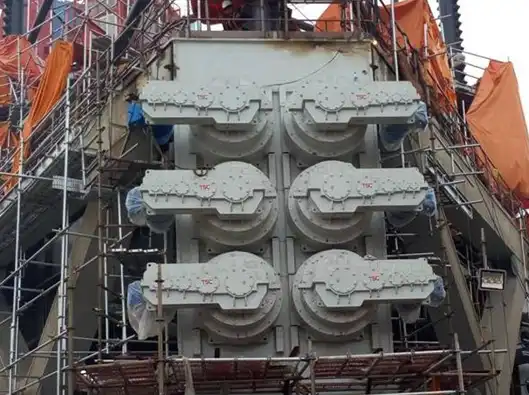
Understanding Your Jacking System Components
Modern Rack & Pinion Jacking System integrate multiple sophisticated components that work harmoniously to achieve precise positioning and load management. The gear mechanism within Rack & Pinion Jacking Systems transmits tremendous forces through planetary gear units housed in watertight steel casings. Each climbing pinion engages directly with leg-mounted racks, creating the mechanical advantage necessary for heavy lifting operations.
The driving power is provided by electric and hydraulic motors, with electric motors that are protected from water often having an IP56 rating for use in maritime situations. Hydraulic motors may be equipped with twin counterbalance valves, which allow for improved load management while the motor is in operation. The torque transmission system is responsible for converting the output of the rotating motor into linear motion, which enables regulated elevation changes to occur under a variety of load circumstances.
As a safety device, electromagnetic or hydraulic brakes with fail-safe systems are available. When the power goes out or there is an emergency, these brakes will instantly apply to stop the vehicle from moving without being managed. Operators can spot possible problems before they become big ones by understanding how these parts work together.
Daily Inspection Protocols
In order to provide the groundwork for dependable system operation, establishment of thorough daily inspection procedures is necessary. When doing visual inspections, the primary objective should be to discover indicators of wear, damage, or contamination that are readily apparent across all components that are accessible. Examination of climbing pinions should be performed to identify any signs of tooth wear, cracking, or buildup of debris that may impede the smooth engagement of racks.
Keep an eye on the hydraulic fluid amounts and quality, looking for signs of contamination or wear and tear that could affect how the system works. As the work is being done, check the hydraulic lines for any breaks, cuts, or loose connections that might happen. There are a number of safety problems that need to be fixed with electrical connections, such as corrosion, weak leads, and broken insulation.
Predictive maintenance planning needs accurate trend data, which can only be gotten from writing down all check results in maintenance logs. There should be an instant investigation into any strange sounds, movements, or changes in performance so that small problems don't turn into big ones. Performing normal daily checks helps find problems early on, which lowers both the cost of fixes and the time they take to fix.
Lubrication Management Strategies
Proper lubrication forms a critical aspect of Rack & Pinion Jacking System longevity and performance. All enclosed gears within the system rely on splash lubrication for protection against wear and corrosion. Regular oil analysis helps determine optimal change intervals based on actual operating conditions rather than arbitrary schedules.
Make sure to use lubricants that are developed specifically for use in high-load applications and inside maritime settings. Extensive temperature fluctuations, prolonged exposure to saltwater, and dynamic loading all contribute to the creation of challenging circumstances that call for particular formulations. Avoid overfilling the oil tank, which might result in high pressure or churning losses, and make sure that the oil levels are maintained properly.
The application of grease at certain spots requires careful attention and the use of marine-grade lubricants that are resistant to contamination and washout. Application of grease should be done in accordance with the manufacturer's recommendations, with the goal of preventing both inadequate lubrication and excessive application, which might attract impurities. In order to avoid introducing dirt onto bearing surfaces, grease fittings should be cleaned immediately before to application.
Load Capacity Monitoring
Continuous monitoring of load conditions protects equipment while ensuring safe operations within design parameters. Modern systems incorporate Load Monitoring Systems (LMS) that provide real-time display of system loads during jacking operations. Understanding normal, preload, static holding, and storm holding capacities helps operators make informed decisions about operational limits.
Monitor load distribution across multiple jacking units to prevent uneven loading that could cause structural stress or premature wear. Unbalanced loads create additional forces that components may not withstand over extended periods. Proper load management extends equipment life while maintaining operational safety margins.
Document load patterns during various operations to identify trends that might indicate developing problems. Gradual increases in required jacking force could signal wear, misalignment, or contamination issues requiring attention. Proactive load monitoring prevents unexpected failures during critical operations.
Preventive Maintenance Scheduling
Systematic preventive maintenance programs address potential issues before they impact operations. Develop comprehensive schedules based on operating hours, cycles, or calendar intervals appropriate for actual usage patterns. Different components require varying maintenance frequencies based on their function and exposure to environmental conditions.
Gear inspections should include backlash measurements, tooth contact patterns, and wear assessments that help predict remaining service life. Brake system testing verifies proper engagement force and release characteristics essential for safe operation. Motor performance evaluations check for unusual vibration, temperature, or current draw that might indicate developing problems.
Replace consumable items like filters, seals, and wearing components according to established schedules or condition assessments. Maintaining spare parts inventory ensures critical components remain available when needed, minimizing downtime during scheduled maintenance periods.
Environmental Protection Measures
Marine environments present unique challenges requiring specific protection strategies for jacking system components. Saltwater exposure accelerates corrosion while sand and debris can cause abrasive wear. Regular freshwater washing removes salt deposits and contaminants that accumulate during operations.
Protective coatings and covers shield sensitive components from direct exposure to harsh environmental conditions. Inspect and maintain these protective measures regularly, addressing damage promptly to prevent contamination of internal components. Drainage systems require attention to prevent water accumulation that could cause corrosion or freezing damage.
Temperature monitoring helps identify cooling system problems or excessive friction that could lead to component damage. Maintain adequate ventilation for enclosed components while preventing contamination from entering protective housings. Environmental protection measures significantly extend service intervals and reduce maintenance costs.
Troubleshooting Common Issues
Developing troubleshooting expertise enables quick resolution of operational problems while preventing minor issues from escalating. Unusual noises often indicate specific problems - grinding sounds suggest contamination or wear, while squealing might indicate brake drag or lubrication issues.
Excessive vibration could result from misalignment, unbalanced loads, or worn components requiring immediate attention. Hydraulic system problems typically manifest as slow operation, erratic movement, or inability to maintain position under load. Electrical issues might appear as motor starting problems, inconsistent operation, or control system malfunctions.
Maintain detailed troubleshooting guides specific to your equipment model, including common symptoms and their likely causes. Training crew members in basic diagnostic techniques enables faster problem identification and resolution. Complex issues require professional service, but early recognition prevents additional damage.
Safety Protocols During Maintenance
Safety considerations must guide all maintenance activities on Rack & Pinion Jacking System due to the high forces and energies involved. Implement lockout/tagout procedures before beginning work on any system components. Verify that emergency stops function properly and that personnel understand evacuation procedures.
The standards for personal protective equipment include wearing the right clothes, wearing eye protection, and wearing hearing protection while working in an area where machinery is being used. When operating inside the enclosed portions of the jacking system, employees are required to follow confined space regulations. The use of fall protection becomes very necessary when reaching components that are high.
Under no circumstances should you run systems that are known to have faults that might jeopardize safety or circumvent safety devices. Maintain emergency response equipment and ensure people get sufficient training in its usage. In order to ensure that everyone is ready for any possible emergency, safety protocols should be documented and frequent training updates should be provided.
Conclusion
Effective Rack & Pinion Jacking System maintenance combines systematic inspection protocols, proper lubrication management, and proactive component monitoring to ensure reliable offshore operations. Regular attention to load monitoring, environmental protection, and safety procedures creates the foundation for extended equipment life and operational efficiency. Investment in comprehensive maintenance programs pays dividends through reduced downtime, lower repair costs, and enhanced safety performance. Professional support from experienced manufacturers like TSC provides access to specialized expertise and genuine components essential for optimal system performance.
Contact CM Energy for Professional Rack & Pinion Jacking System Solutions
CM Energy stands as a leading Rack & Pinion Jacking System manufacturer with proven expertise across numerous deployed platforms worldwide. Our comprehensive maintenance support, certified components, and advanced diagnostic capabilities ensure optimal performance for your offshore operations. Reach out to our technical team for customized maintenance solutions and genuine replacement parts - contact us at info.cn@cm-energy.com.
References
- Smith, J.A., et al. "Maintenance Best Practices for Offshore Jacking Systems." Marine Engineering Journal, 2024, Vol. 45, pp. 78-92.
- Thompson, R.K. "Rack and Pinion System Reliability in Marine Environments." Offshore Technology Review, 2023, Issue 8, pp. 34-48.
- Wilson, M.D., and Brown, L.C. "Predictive Maintenance Strategies for Self-Elevating Platforms." International Journal of Offshore Engineering, 2024, Vol. 12, pp. 156-171.
- Anderson, P.J. "Load Monitoring Systems for Offshore Jacking Equipment." Maritime Technology Quarterly, 2023, Vol. 28, pp. 89-103.
- Davis, K.R., et al. "Environmental Impact on Offshore Equipment Maintenance Intervals." Ocean Engineering Today, 2024, Vol. 15, pp. 45-62.
- Martinez, C.A. "Safety Protocols in Offshore Equipment Maintenance Operations." Industrial Safety Review, 2023, Vol. 31, pp. 112-128.