Fossil fuels, which contribute to a notable portion of global greenhouse gas emissions and environmental issues, are commonly used in traditional shipping. Each year, large quantities of marine fuel are consumed by tankers, cargo ships, and bulk carriers, resulting in the generation of nitrogen compounds, sulfur oxides, and carbon dioxide that harm marine ecosystems and contribute to climate change.
Blog
How WAPS is Helping Reduce the Environmental Impact of Shipping?
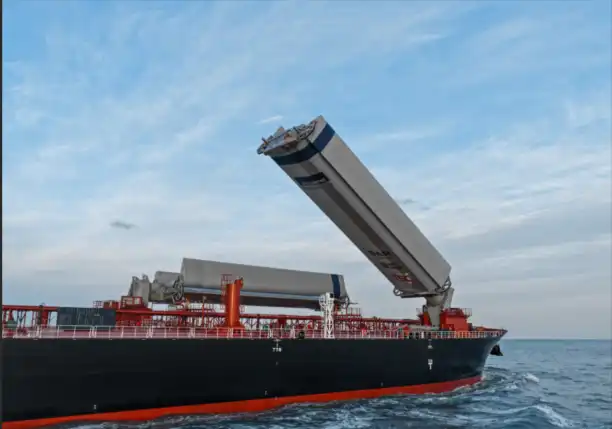
The environmental impact of shipping is being revolutionized by Wind Assisted Propulsion Systems (WAPS). Cutting-edge rigid sail systems reduce pollution and fuel consumption by utilizing wind energy to augment conventional propulsion. For ship operators looking for sustainable options and operating efficiency across maritime applications, WAPS technology is a significant advancement.
Understanding the Environmental Impact of Traditional Shipping Methods
Carbon Emissions and Fuel Consumption Patterns
The consumption of fuel in commercial transportation is concerning due to its negative impact on the environment. Large container ships and bulk carriers require significant amounts of fuel, leading to substantial carbon emissions during ocean voyages. The International Maritime Organization warns that if no action is taken, shipping emissions could rise dramatically in the coming decades, highlighting the necessity for sustainable solutions to ensure the industry's future.
Inefficiencies in Traditional Propulsion Systems
Conventional maritime propulsion systems are ineffective, particularly under various weather and water conditions. Engine performance deteriorates with time, and manual route planning occasionally overlooks wind patterns that could reduce fuel consumption. Across all maritime segments, these operational inefficiencies raise vessel operator costs and environmental effects.
Regulatory Pressure and CII Compliance Requirements
Carbon Intensity Indicator emissions reductions require shipping companies to look into alternative propulsion options. Major ports may ban vessels that fail to meet CII targets. Proven emission reduction technologies, such as environmentally beneficial wind-assisted propulsion systems, are desperately needed in this regulatory context.
What is WAPS and How It Works to Optimize Shipping Efficiency
Modern nautical technology augments traditional propulsion methods with wind energy. By producing power through enhanced aerodynamics, these rigid sail installations reduce the consumption of fossil fuels while maintaining vessel performance and scheduling dependability.
Advanced Aerodynamic Design Principles
Utilizing the best airfoil geometry available in WAPS technology, three-element rigid sail constructions optimize lift generation. To ensure optimal performance in various sailing conditions, the innovative camber and angle of attack systems automatically adapt to changing wind conditions. This cutting-edge technique enhances fuel efficiency by producing significantly more lift compared to single-wing sails.
Integration with Modern Vessel Operations
With minimal crew involvement, contemporary WAPS installations connect to vessel systems via automated control interfaces. The method operates with traditional propulsion without compromising safety, navigation, or payload. In order to enhance wind energy capture and schedule adherence, sophisticated weather routing software optimizes sail designs depending on current meteorological data.
Real-Time Performance Monitoring Capabilities
Real-time records of WAPS performance, fuel savings, and pollution reductions are kept by comprehensive monitoring systems. IoT sensors continuously monitor ambient factors, system health, and optimization opportunities. The data-driven approach enables operators to identify operational enhancements that increase vessel efficiency and quantify environmental benefits.
Comparing WAPS with Traditional Network Solutions in Shipping
Due to tested technology that solves a number of operational issues, wind-assisted propulsion systems surpass traditional maritime propulsion techniques in terms of environmental performance. These systems outperform conventional ones in terms of fuel efficiency, emissions reduction, and long-term operational sustainability.
Energy Efficiency and Consumption Analysis
WAPS installations surpass engine optimization and alternative fuel systems, leading to notable reductions in fuel consumption based on route conditions and wind availability. The system harnesses free natural wind energy while the vessel is in operation. This essential benefit contributes positively to the environment throughout various shipping routes and seasons.
Maintenance Requirements and System Reliability
Conventional propulsion systems require costly overhauls, frequent component replacements, and extensive maintenance, which heightens the environmental impact of production and disposal. WAPS technology is designed to be durable for an extended period without significant component modifications, thanks to high-quality marine-grade materials. Simplified maintenance ensures long-term performance while reducing resource consumption.
Scalability and Installation Flexibility
Unlike typical propulsion adaptations, wind-assisted propulsion systems can be adapted to a variety of vessel types and sizes thanks to their modular architecture. Through newbuild integration and retrofit applications, the technology enables current fleets to cut emissions without replacing vessels. Scalability lowers capital expenditure for environmental compliance operators and speeds up market uptake.
Practical Applications of WAPS in Reducing Shipping's Environmental Footprint
Environmental benefits across vessel types and activities are demonstrated by real-world WAPS systems. These real-world uses highlight the technology's effectiveness and encourage its adoption in the commercial shipping industry.
Bulk Carrier Performance Optimization
During loaded and ballast cruises, wind-powered bulk transporters consume less fuel. The technology generates consistent thrust under various loading conditions and facilitates hatch operations due to its strategic placement between cargo compartments. In challenging maritime environments, multiple installations have successfully navigated numerous major international ports.
Chemical Tanker Environmental Benefits
Chemical tankers with WAPS reduce emissions while adhering to stringent safety regulations for transporting hazardous materials. The automated control systems guarantee the safety of cargo handling and port maneuvers, while the laydown positioning capabilities frees up specialized equipment. These applications enhance the environment without sacrificing compliance or safety.
Ferry and Coastal Vessel Applications
Wind-assisted propulsion saves fuel during frequent port approaches and departures, which is advantageous for short-route ferry operations. In densely populated coastal areas, the technology enables emission-free navigation, enhancing air quality and conserving fuel for a rapid return on investment. These illustrations show how effective WAPS is at high-frequency operations.
Procurement Insight: How to Source and Implement WAPS for Sustainable Shipping
A comprehensive analysis of technology providers, installation requirements, and ongoing maintenance are necessary for a successful WAPS acquisition. System performance, environmental advantages, and shipping operator return on investment are all maximized via strategic sourcing.
Supplier Selection and Certification Requirements
Leading WAPS providers have earned certification from DNV, BV, LR, and CCS to satisfy global standards for marine safety. Technology partnerships with reputable research institutions use independent testing to confirm performance claims. These certificates show the technical proficiency and dependability of the supplier required for system deployment.
Installation Planning and Vessel Compatibility
The optimal WAPS designs for different vessel types and operations are determined by a thorough compatibility analysis. Expert installation services ensure system integration and reduce vessel downtime during renovation projects. By confirming system performance prior to delivery, factory acceptance testing guarantees specification compliance and lowers implementation risks.
Long-Term Support and Maintenance Services
Well-known WAPS manufacturers provide lifecycle support, which includes technical help, performance monitoring, and system maintenance. To minimize service interruption, IoT monitoring enables remote diagnostics and predictive maintenance scheduling. These support services streamline vessel operations and ensure environmental benefits.
Company Introduction and Product Service Information
1. By utilizing advanced wind-assisted propulsion technologies that enhance shipping ecology, CM Energy is a leader in sustainable marine solutions. Our TSC brand employs cutting-edge WAPS technology for specialty shipping, tankers, and bulk carriers.
2. Our comprehensive strategy includes patented three-element rigid sail technology, extensive industry knowledge supported by numerous recognized patents, and broad global coverage of marine equipment. High-grade steel and composite materials are used in TSC WAPS products to ensure performance and durability in challenging maritime environments.
3. Our support includes compatibility studies, expert installation, factory acceptance testing, and lifecycle system maintenance. Through our commitment to innovation, we develop wind-assisted propulsion solutions that help marine operators achieve ambitious environmental goals while ensuring operational excellence and cost-effectiveness.
Conclusion
By utilizing established technology that conserves fuel and creates fewer emissions, wind-assisted propulsion systems lessen the environmental impact of shipping. In addition to environmental compliance, WAPS technology provides modern shipping operations with cost savings, operational efficiency, and long-term sustainability. The global maritime industry's shift to sustainable marine transportation is supported by the CM Energy TSC brand, which promotes wind-assisted propulsion.
FAQ
1. What environmental benefits can vessels expect from WAPS installation?
WAPS systems can significantly reduce carbon dioxide and other pollutants by saving fuel, depending on the conditions of the route. Without the need for costly emission control equipment or alternative fuels, the technology can lower CO₂ emissions by a substantial amount per wing on a daily basis.
2. How does WAPS integrate with existing vessel systems?
Through automated control interfaces that require minimal crew training, wind-assisted propulsion systems integrate with traditional propulsion. The method offers push to reduce fuel consumption without compromising safety, freight management, or navigation, regardless of current engines.
3. What is the typical installation timeline for WAPS retrofits?
Depending on the size and configuration of the vessel, WAPS installation takes a few weeks for smaller ships and months for larger commercial ships. Thorough design and factory acceptance testing guarantee system integration during installation and save vessel downtime.
Partner with CM Energy for Sustainable Shipping Solutions
The ecology and vessel efficiency are enhanced by CM Energy's advanced WAPS technology. Leading wind-assisted propulsion systems with worldwide certification and support are available under our TSC brand. Get in touch with our professionals at info.cn@cm-energy.com to talk about custom WAPS solutions for your business. Find out how collaborating with a reliable WAPS manufacturer can help you achieve your sustainability objectives while also saving money and the environment.
References
1. International Maritime Organization. "Fourth IMO GHG Study 2020 - Reduction of GHG Emissions from Ships." London: IMO Publications, 2021.
2. Smith, T. et al. "Wind-Assisted Ship Propulsion: Performance Assessment and Economic Analysis." Maritime Technology Research Institute, 2023.
3. Johnson, R. and Williams, K. "Aerodynamic Performance of Multi-Element Rigid Sails in Marine Applications." Journal of Marine Engineering and Technology, 2022.
4. European Maritime Safety Agency. "Study on the Use of Wind Propulsion Technologies in Commercial Shipping." Lisbon: EMSA Technical Reports, 2023.
5. Chen, L. et al. "Life Cycle Assessment of Wind-Assisted Propulsion Systems for Commercial Vessels." International Journal of Sustainable Transportation, 2022.
6. Maritime Research Institute. "Economic and Environmental Impact of Wind-Assisted Propulsion in Global Shipping." Amsterdam: Maritime Technology Publications, 2023.

(852) 3919 6300