Why Choose Marine Cranes with Electrohydraulic Systems
When you're in charge of operations abroad, picking the right lifting tools is key to keeping your project on track and avoiding costly delays. Marine Cranes with electrohydraulic systems offer precise control and a history of dependability in a wide range of marine settings, from FPSO units to wind turbine setups. These high-tech systems use both electric precision and hydraulic power to solve the operational problems that procurement workers face every day: they cut down on repair downtime and improve the safety of loading and unloading loads in rough sea conditions.
Introduction
Marine cranes must perform perfectly in harsh offshore, tanker, and port environments for smooth operations. Electrohydraulic cranes are increasingly preferred, handling 50 to over 300 metric tons smoothly. This technology solves persistent problems including precise subsea movement and saltwater corrosion. Understanding these unique system features helps procurement professionals select equipment meeting current and future operational needs while delivering optimal lifecycle value.
Understanding Electrohydraulic Marine Cranes
Core System Architecture
Electrohydraulic Marine Cranes use electric motors to power hydraulic pumps, creating compressed fluid that moves booms, lifts loads, and slews. Sensors monitor load weight and boom angle, sending real-time data to control modules for instant response adjustment. The electric layer enables safety limits, automated routines, and remote operation. Hydraulic power provides raw force for heavy loads in tight areas where electric motors alone cannot work.
Comparison with Traditional Systems
Diesel engines or electric motors power traditional hydraulic cranes, and they have to keep going even when they're not moving anything. This method uses fuel and makes noise that isn't needed. Pure electric cranes are quiet when they're working, but they don't have the power density needed for big lifting at sea, especially when there isn't much room on the deck for the equipment.
Electrohydraulic methods find the best balance. The electric controls only turn on the hydraulic power when it's needed. This makes the machine much more energy efficient than older models. The method allows for smooth acceleration and slowdown, which lowers the dynamic loads on the structure of the vessel. This is a very important benefit when working from platforms that are floating and subject to wave motion.
Why Electrohydraulic Systems Outperform Other Marine Crane Technologies?
Operational Flexibility and Precision
When precise load control is needed, electrohydraulic technology really shines. When installing parts of offshore wind turbines, workers have to place nacelles that weigh many tons with millimeter accuracy, even if the ship is moving. Modern Marine Cranes have electrical control systems that read sensor inputs hundreds of times per second and make small changes to the hydraulic flow to keep loads stable.
Traditional systems that only use hydraulics have reaction times that are longer because mechanical valves have to be actuated. When big loads are put on electric-only systems, they can't deliver enough power or get rid of enough heat. Electrohydraulic designs solve both problems by combining the quick reaction of electrical controls with the strong power transfer of hydraulic actuators.
Maintenance and Reliability Advantages
Offshore activities happen in harsh settings where broken equipment can cause a lot of financial trouble. Because they have built-in tools that find problems before they happen, electrohydraulic Marine Cranes make servicing easier. The systems constantly record working parameters, which lets repair be planned ahead of time and avoids unplanned downtime.
Marine lifting equipment always has to worry about hydraulic fluid leaks. Modern electrohydraulic designs use sealed systems with high-tech filtering that makes fluids last longer and lowers the risk of contamination. The electric control parts stay separate from the hydraulic circuits, which stops the cross-contamination problems that happened with older hybrid designs. This split makes things more reliable and makes it easier to fix problems when help is needed.
Proven Industry Performance
Some of the biggest offshore operators have seen big gains in their performance after switching to electrohydraulic crane technology. Platforms that work with underwater oil fields say that operating delays caused by cranes have gone down by 30%. Shipping companies that use VLCC ships say that the time between big overhauls is longer. These real-world results validate the technology's advantages beyond theoretical specifications.
The higher dependability is especially helpful for activities that need to be done quickly, like platform supply trips or cargo transfers. When weather windows close quickly, project plans and operators' reputations are at risk if equipment doesn't work regularly when it's under pressure.
Key Features and Benefits of Electrohydraulic Marine Cranes for B2B Procurement
Versatile Load Handling Capabilities
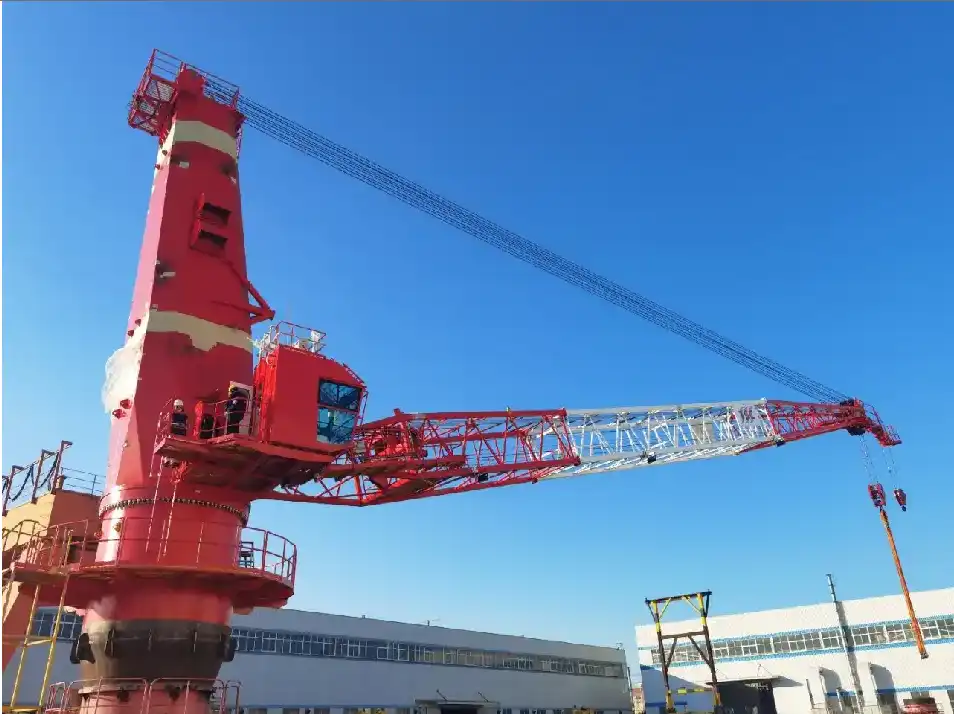
Modern electrohydraulic systems can handle a wide range of working needs thanks to control code that can be changed. The same crane can quickly move goods from one supply vessel to another, then switch to precision mode to set up sensitive equipment below the water. TSC Marine Cranes are a great example of this because they have wire rope luffing systems that work well with large decks and control accuracy that is on par with flexible knuckle boom designs.
The load levels range from extra hooks for carrying everyday items to main hooks for carrying over 100 metric tons of structure parts. This range lets ship owners use tried-and-true technology across all of their boats instead of keeping extra parts for a bunch of different types of cranes.
Enhanced Safety Mechanisms
Electrohydraulic control systems have built-in safety features that protect people and property in multiple ways. Overload protection that is automated constantly checks the real weight of the load and stops processes before they go beyond safe limits. When emergency stop functions are triggered, they immediately cut off hydraulic pressure. Controlled descent systems keep things from falling freely when the power goes out.
Real-time readings let workers know when mechanical problems, changes in hydraulic pressure, or problems with the electrical system are about to happen. These signs let people take action before small problems get worse and turn into safety issues. Following the rules set by classification groups like DNV, ABS, BV, and LR makes sure that equipment meets the strict international rules that guide marine lifting operations.
Maintenance and Lifecycle Value
The total cost of ownership includes more than just the purchase price. It also includes the cost of repairs, the availability of extra parts, and the length of time the product works. Electrohydraulic Marine Cranes have better lifetime economics because they need less upkeep and are easier to repair. Fewer worn-out parts mean that big overhauls can be put off longer, and modular designs let techs change specific subsystems without taking the whole crane apart.
With the combined power pack design, electrical systems, control valves, and hydraulic pumps are all housed in safe enclosures. This setup protects delicate parts from salty spray and makes it easier to get to them for regular checks. Soundproofed and rigidly fixed operator booths keep workers from getting tired during long shifts, so they can keep up their performance.
How to Choose the Right Electrohydraulic Marine Crane for Your Business?
Evaluating Operational Requirements
A careful study of real practical needs is the first step to successful procurement. Load profiles should include the heaviest weights that can be lifted, the normal working radius, and duty cycles that represent how the machine will actually be used. Conditions in the environment, such as wave heights, wind loads, and temperature swings, affect the building's specs and its ability to handle systems.
Boom designs and mounting setups are limited by the amount of deck room available. Small slewing cranes work best on ships with limited freeboard, while platforms with large decks may want to use wire rope luffing systems that have a longer reach. Choosing between a fixed platform or a knuckle boom relies on the needs of the job. Stiff booms have the most capacity at large angles, while articulated designs are easier to move around in crowded work areas.
Performance Metrics and Selection Criteria
Energy economy affects the costs of running tools over its entire life. Electrohydraulic systems that only use hydraulic power during active pulling cycles use a lot less energy than systems that run all the time. Accurate location depends on how well the controls are working, and modern systems keep the load stable within very small ranges even when the vessel is moving.
Response time affects working speed; faster control loops make it possible to change loads more quickly and cut down on cycle times. Using more than one function at the same time (like raising and slewing) makes complicated moves more productive. Overload safety systems, which include moment limiters and anti-collision technology, stop mistakes in operation that could hurt people or damage equipment.
Comparing Leading Solutions
The Marine Cranes market has products from well-known companies with a history of success. By blending certified technical knowledge with flexible production skills, TSC designs and makes custom lifting equipment that meets the needs of the offshore industry. Their range of products includes Kingpost cranes, slew-bearing setups, and custom designs made to fit the needs of each vessel.
When procurement teams are looking at their choices, they should look at how well the maker supports them, such as by making sure they have spare parts on hand, quick expert help, and training programs. When service is needed, equipment that comes with full after-sales help keeps operations running as smoothly as possible. Approvals from a classification society or other recognized authority show that a design meets international safety standards.
Procurement Process and After-Sales Support for Electrohydraulic Marine Cranes
Sourcing from Reputable Suppliers
To find certified crane makers, you need to check their engineering skills, quality control systems, and industry certifications. Suppliers with a good reputation use ISO quality management systems and have approvals from multiple classification societies, which shows that they follow strict building standards. This dedication is shown by CM Energy's thorough quality control, which includes DNV welding plant certification and approvals from CCS, DNV, ABS, BV, and LR.
Custom manufacturing lets sellers set up equipment that fits specific working needs instead of causing buyers to choose from standard catalog items. This adaptability is very useful for specific tasks like installing wind turbines underwater, running the deck of an FPSO, or helping with deepwater building. One-source contracts make it easier to carry out projects because turnkey installation services take care of everything from delivering equipment to placing it, commissioning it, and teaching the crew.
Installation and Commissioning Considerations
Transporting, placing, and integrating large lifting equipment with vessel systems needs to be carefully planned. Factory assembly lets you try everything thoroughly before sending it out, so you can find problems in a controlled setting before they happen during installation offshore. Factory acceptance testing makes sure that the equipment works as expected, and buyers see examples of how it works before taking delivery.
The assembly process on board is organized into steps, such as checking the structure's mounting, trying the hydraulic system's pressure, integrating the electrical system, and doing full functional testing. Installation teams with a lot of experience keep ships from being down for long periods of time by following well-thought-out processes. Post-installation support, such as operator training and maintenance instruction, makes sure that the crew of a vessel knows how to properly use the equipment and when it needs to be serviced.
Long-Term Support Infrastructure
Accessible stocks of extra parts keep power outages from lasting too long when a part needs to be replaced. When compared to sellers who need to ship regular things internationally, manufacturers with regional parts distribution networks can respond more quickly. Comprehensive maintenance contracts include regular service calls that keep equipment running at its best and keep records of its state for legal reasons.
With remote troubleshooting, makers can figure out what's wrong with operations by sending data, which means that problems are often fixed without sending workers to the vessel sites. This model for help cuts down on reaction time and the costs of service visits. Marine Cranes with an extended design life—usually 25 years—reward buyers with decades of useful service as long as the equipment is properly maintained during its working lifetime.
Conclusion
When it comes to current maritime activities, electrohydraulic Marine Cranes are very popular because they offer clear operational benefits. The technology blends precise electrical control with strong hydraulic power transfer to make lifting systems that work great in harsh offshore conditions. Professionals in procurement know that these systems make servicing easier, make things safer, and give operators more options for a wide range of tasks, from moving goods to installing things underwater. When buyers are looking at their choices, they should give more weight to sellers who can show they have strong engineering skills, strict quality control, and strong after-sales support. Buying good electrohydraulic lifting equipment is an investment that pays off over decades of marine activities through reliable performance, longer service life, and lower total cost of ownership.
FAQ
1. What factors determine the appropriate load capacity for my vessel?
The choice of load capacity is based on the largest items that will be lifted during normal activities. These could be cargo containers, structural parts, or subsea tools. Take into account the dynamic amplification factors that come from the movement of the vessel, which make the weights of steady loads bigger. Talk to the crane makers about how you plan to use the crane. They can give you advice on the right safety margins and capacity requirements based on the job cycles and environmental conditions that are common in your operating areas.
2. How do electrohydraulic systems enhance operational safety?
These systems have many safety features. For example, real-time load tracking stops overloads before they happen, automatic emergency stops act right away in dangerous situations, and controlled descent mechanisms stop loads from dropping too far when the power goes out. Diagnostic systems constantly check the mechanical stress, electrical factors, and hydraulic pressure, and they let workers know when problems are starting to form before they break down. Following the rules set by the International Classification Society makes sure that the safety standards for naval lifting activities are met.
3. Can manufacturers customize cranes for specialized offshore applications?
Well-known crane makers let you change a lot of things about their products so that they fit your needs perfectly. Configurations can accommodate unique deck layouts, extreme environmental conditions, or specialized lifting tasks like wind turbine component installation. Customization includes control systems, such as wireless remote operation for dangerous areas and interaction with automation systems on the ship to make activities run more smoothly.
Partner with CM Energy for Superior Marine Crane Solutions
CM Energy offers high-tech electrohydraulic Marine Cranes systems that are built to work well in the roughest sea conditions. Our TSC brand Marine Cranes have both wire rope luffing technology and built-in electrohydraulic power units. They are reliable for lifting things on offshore platforms, cargo ships, and other specialized maritime activities. With over 350 deck crane installations around the world and 180 self-elevating platforms that have been tested and proven to work, we bring unique experience to every job.
Our engineering team has a lot of certifications and 159 approved patents, which shows that they are always coming up with new ideas for lifting technology. We make equipment that meets the standards of all the major classification societies, including DNV, ABS, BV, LR, and CCS. This makes sure that your investment is legal in international marine law. It doesn't matter if you need Marine Cranes for bulk ships, offshore support boats, or shipyard work; our customization options will give you exactly what you need.
Contact our specialists at info.cn@cm-energy.com to talk about your lifting needs. As a top maker of Marine Cranes, we offer full help from the initial design phase through installation, commissioning, and ongoing upkeep. Get a full quote today to find out how our tried-and-true electrohydraulic technology can make your marine activities safer, more efficient, and more reliable.
References
1. International Maritime Organization. "Guidelines for Marine Lifting Operations and Equipment Certification." IMO Maritime Safety Committee, 2023.
2. Det Norske Veritas. "Classification Notes: Certification of Offshore and Marine Cranes." DNV Technical Standards, 2022.
3. American Bureau of Shipping. "Rules for Building and Classing Marine Vessels: Lifting Appliances." ABS Standards Publication, 2023.
4. Society of Naval Architects and Marine Engineers. "Electrohydraulic Control Systems in Modern Marine Applications." SNAME Technical Journal, 2022.
5. Lloyd's Register. "Marine Crane Safety and Operational Efficiency: A Comparative Analysis of Control Technologies." LR Marine Equipment Research Division, 2023.
6. International Association of Classification Societies. "Harmonized Standards for Offshore Lifting Equipment." IACS Unified Requirements, 2022.
