WAPS Fuel Saving Benefits for Bulk Carrier Operations
The use of wind-assisted propulsion systems, or WAPS, is a revolutionary way to cut down on fuel use in bulk ship activities. These cutting-edge rigid sail technologies use wind energy to help standard transportation. They save up to 30% on fuel and cut carbon emissions by a large amount. WAPS is a tried-and-true way for commercial shipping companies that run bulk carriers, chemical tankers, and Newcastlemax ships to meet CII requirements, cut costs, and improve environmental performance on a wide range of trade routes.
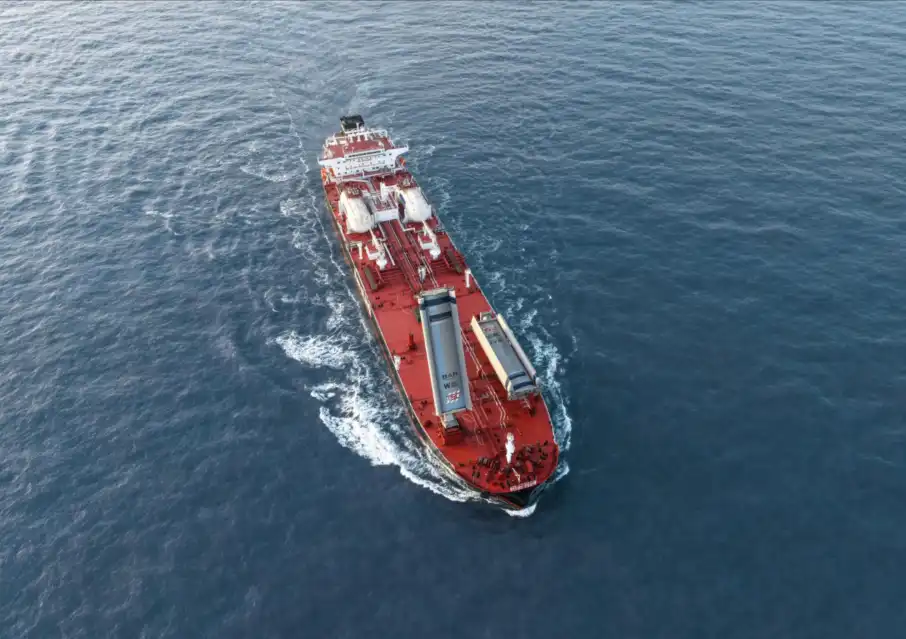
Understanding WAPS Technology in Bulk Carrier Operations
More and more people are pushing the marine business to cut down on fuel use and pollution. Innovative engineering turns wind into measured power in wind-assisted propulsion systems, or WAPS, which solve these problems.
How Wind-Assisted Propulsion Systems Work
WAPS technology uses stiff sails that are attached to the decks of ships to collect energy from the wind while they are at sea. Modern wind power systems have automatic controls that change the sail angle and camber all the time based on the real-time wind conditions. This is different from older sail designs. The three-element stiff wing design creates more than 2.5 times the mechanical lift of standard single-element sails, making them work best in all wind directions and speeds. Ship-grade steel and industrial composite materials make the wings strong enough to last in harsh marine settings. Hydraulic systems let the wings lay down when ships get close to port or go through restricted seas.
Key Components and Operational Principles
WindWings® is cutting-edge wind transportation technology. UK-based BAR Technologies developed this unique technique. It includes complete camber and angle of attack adjustment. Special software monitors ship speed, direction, and weather to identify the ideal wing shape. The technology shows power performance in real time, so team members may calculate fuel savings every trip. Automated health monitoring and safety alarm systems ensure machine functionality, while manual interfaces enable team members to take direct control.
Wolfson Unit and Lloyd's Register independently verified aerodynamic speed claims. DNV, Bureau Veritas, Lloyd's Register, and the China Classification Society certified and approved the design. This indicates the ship is safe and saves fuel in operation.
Fuel Saving Challenges in Bulk Carrier Operations and How WAPS Addresses Them
Operators of bulk carriers have to deal with unstable fuel prices, strict rules about emissions, and small profit margins. Traditional ways of saving fuel, like slow steaming, make schedules less reliable, and upgrading engines costs a lot of money. WAPS addresses these challenges by providing supplementary thrust without additional fuel consumption.
Persistent Inefficiencies in Traditional Propulsion
Usually, conventional bulk haulers get their power from burning fossil fuels. Fuel costs usually make up 40 to 60 percent of journey costs, which leaves companies open to changes in the market. The International Maritime Organization's Carbon Intensity Indicator rules say that ships must always be more efficient, and if they aren't, they could lose their ability to operate. A lot of ships in current fleets don't have the right infrastructure for alternative fuel systems. This leaves a technology gap that needs to be filled with useful, retrofittable options.
Measurable Impact Through Wind Propulsion
The fossil-free supplementary power system solves these issues. In favourable weather, bulk ship installations save 1.6 tonnes of fuel per day per wing unit. The yearly CO2 drop is about 5.12 tonnes per day per wing, raising CII ratings instantly. Wind-powered ships have called at over 20 major international ports without issue, proving that the technique works well with port infrastructure and cargo handling.
Wind-powered ships benefit from weather route planning. Shore teams and ship personnel may get weather predictions and ship performance data via web-based tools. This helps them locate wind-friendly paths without disrupting the strategy. This ingenious route feature makes a hard-to-predict natural resource a fuel-saving utility.
Evaluating WAPS Solutions for Bulk Carrier Procurement
To choose the right wind power technology, you need to carefully look at how well it works with other technologies, how much it costs over its entire life, and how much it will be used. Procurement teams must evaluate WAPS based on technical compatibility and operational requirements.
Critical Selection Criteria for Procurement Teams
System compatibility depends on vessel-specific parameters. The number and size of wing units depend on deck space between cargo compartments. Stability requires considering top weight and atmospheric forces. Space requirements for freight handling equipment affect tilt mechanism design. Different ship designs may use above- or below-deck mounting. Compatibility study determines whether installation requires structural supports.
Scalability is important for fleet managers of various boats. Standardization among tonnage categories is feasible with modular designs. This simplifies team training and service. Systems that allow data transfer between ships preserve investments when fleet owners reorganize. Having certification from many classification societies makes it simpler for trade authorities and flag states to approve.
Comprehensive Support and Service Frameworks
TSC by CM Energy provides design integration, factory acceptance testing, delivery, aboard installation, and continuing maintenance. IoT monitoring systems provide performance data, allowing for pre-planned repairs and avoiding downtime. Operators can maintain the system working well for 25 years using long-term care packages. This all-around strategy simplifies shipwork while safeguarding ROI.
Suppliers that understand chemical tankers, LR2 tankers, and Newcastlemax bulk ships may help purchasing teams. Customized integration options include new-building vs retrofit installations, and engineering aid streamlines class approval.
Optimizing Bulk Carrier Operations with WAPS: Implementation and Troubleshooting
For deployment to go smoothly, it's not enough to just set up the tools; the crew also needs to be trained, integrated into the operations, and have their performance monitored. WAPS implementation requires careful structural analysis and system integration.
Installation Best Practices and Integration
The installation begins with a complete compatibility analysis of the structure's strength, power supply, and control system interfaces. Factory approval testing ensures equipment works before shipment, reducing onboard setup time. On-site assembly follows classification society guidelines, and an inspector ensures legality. With the bridge's existing navigation equipment, the control system displays wind power and ship management information.
Simple operations are emphasized in crew training. The manual mechanism is easy to understand since it resembles deck crane buttons. Team members may concentrate on travel management while automatic modes make routine modifications. Safety requirements include how to lie down during cargo operations, emergency procedures, and repair routes.
Addressing Common Operational Challenges
Signal strength changes may reduce control system effectiveness. Regular inspection of hydraulic fluid and electrical lines prevents communication issues. Security maintenance using marine cybersecurity protocols protects automated systems against unauthorized access. Secure software upgrades enhance speed and add functionality.
Continuous performance monitoring tracks voyage-by-voyage fuel savings. This creates technological trust and improves it. Remote testing and system source technical support address issues promptly. This proactive approach maintains efficiency improvements and fosters institutional knowledge for long-term company success.
Future Trends and Technological Evolution of WAPS in Maritime Fuel Efficiency
Adding digital maritime environments and smart materials science to wind propulsion technology keeps it growing. The future of WAPS lies in advanced predictive algorithms and seamless shipyard integration.
Digital Integration and Predictive Capabilities
Artificial intelligence systems look at past performance data to guess how much fuel planned routes could save. To make better weather routing suggestions, machine learning models take into account yearly wind trends, how full a vessel is, and other factors that are unique to that route. IoT sensor networks give detailed information about how much weight is on structures. This makes condition-based maintenance possible, which increases the life of parts and lowers the cost of inspections. With these digital improvements, wind power goes from being an extra tool to an important part of managing how well a ship is doing.
Regulatory Drivers and Market Evolution
Environmental legislation that tightens accelerates acceptance. The FuelEU Maritime initiative and EU carbon pricing regimes reward emission-reducing solutions economically. Classification groups continue to develop wind propulsion system regulations. They're using what they learned from the initial installations to speed up approval. Shipowners considering rules perceive fewer dangers as they improve.
Shipyard collaborations include wind power into new designs from the start. This maximises structural arrangements and eliminates retrofitting issues. Design businesses that provide wind-assisted propulsion as standard offer turnkey solutions to simplify charterer purchases. This industry-wide merger makes wind power a norm, not experimental.
Conclusion
Through proven engineering and full operating support, WAPS technology helps bulk carriers save real money on fuel and cut down on pollution. When you put together aerodynamic efficiency, automated controls, weather route optimization, and durable construction, you get a great deal for business shipping companies that are under pressure to cut costs and meet regulatory requirements. Wind-assisted propulsion systems are a realistic way to meet CII requirements and improve voyage costs. They have been fully certified by major classification societies and their performance has been proven in real-world installations. The TSC brand from CM Energy offers the technical know-how and lifetime support that turn this technology from an idea into a working system.
FAQ
1. What distinguishes wind propulsion systems from traditional ship communication technologies?
Wind-assisted propulsion systems use atmospheric forces to create mechanical power. These systems are very different from communication or positioning technologies. When used in naval settings, the term "WAPS" refers to stiff sail systems that work with engines to help move ships, not wireless network infrastructure. Instead of sending data, this technology collects wind energy to cut down on the use of fossil fuels.
2. What return on investment timeline can operators expect?
Return on investment (ROI) changes depending on how the ships trade; lines with regular favorable winds give faster payback. When operators take into account fuel savings, carbon credit prices, and better CII scores, they usually see a return on their investment within five to seven years. Due to regular routes that are often exposed to favorable winds, payback times are often faster for ferry operators and coastal vessel owners.
3. How does wind propulsion affect vessel stability and cargo operations?
Modern systems are stable because the weight of the wings and the direction of the aerodynamic force lines are carefully engineered. The laydown feature keeps cargo-handling tools from getting in the way, so the hatch cover and crane can work normally. Vessels keep their full cargo capacity and don't have to change their operations in any way other than temporarily moving their wings during loading.
Partner with CM Energy for Wind Propulsion Solutions
CM Energy is ready to help shipyard partners, owners of bulk carriers, and managers of tanker fleets make the switch to power that uses wind. As a top WAPS maker with systems that have been used successfully in the marine industry around the world, we offer complete solutions, from the initial compatibility study to decades of operating support. Our TSC brand is the result of combining cutting-edge tech with real-world marine experience. It is backed by certifications from DNV, Bureau Veritas, Lloyd's Register, and the China Classification Society.
Get in touch with our expert team at info.cn@cm-energy.com to talk about your unique vessel needs and find out how wind propulsion technology can help your fleet use less fuel and be better for the environment. We give you full predictions of how well the system will work, suggestions on whether it can be retrofitted, and detailed plans for how to put it into action that are specific to your business.
References
1. International Maritime Organization (2023). "Carbon Intensity Indicator Regulations and Implementation Guidelines for International Shipping."
2. Lloyd's Register and Wolfson Unit (2022). "Independent Verification of Rigid Wing Sail Aerodynamic Performance for Commercial Vessel Applications."
3. Maritime Research Institute Netherlands (2023). "Wind-Assisted Propulsion Technology Assessment: Fuel Savings and Operational Integration for Bulk Carriers."
4. DNV Classification Society (2023). "Design Guidelines and Certification Framework for Wind-Assisted Propulsion Systems on Commercial Vessels."
5. International Chamber of Shipping (2024). "Alternative Propulsion Technologies: Industry Survey of Adoption Rates and Operational Experience."
6. Society of Naval Architects and Marine Engineers (2023). "Technical Standards for Rigid Sail Systems: Structural Analysis and Performance Verification Methodologies."