How to Reduce Downtime Using the Right Centrifugal Pump Setup?
To cut down on downtime when using a Centrifugal Pump, you must first choose equipment that exactly meets your needs. This is especially important in tough settings like offshore drilling platforms, shale gas operations, and geothermal well drilling. When you set up a Centrifugal Pump system correctly, it gets rid of common failure spots like seal breaks, bearing wear, and cavitation that stop production without warning. By focusing on strong building, choosing the right materials, and proactive repair procedures, operators can make sure that fluids are always transferred, keep important project deadlines, and significantly lower the total cost of ownership over the lifecycle of the equipment.
Understanding Downtime Causes in Centrifugal Pump Systems
Mechanical Failures That Trigger Costly Interruptions
Most of the time, sudden Centrifugal Pump shutdowns are caused by problems with seals and bearings. When seals wear out, fluid leaks pollute the area around them and require emergency repairs. Bearing problems are often caused by not enough lubrication, fitting errors, or too much vibration from pipes that are not set up correctly. These technical problems not only stop work, but they also cause delays in other drilling plans, which raises the cost of labor and makes it harder to get along with people who have a stake in the project.
Improper Pump Sizing and Its Hidden Consequences
When choosing a Centrifugal Pump without carefully considering flow rates, required head pressure, and fluid properties, the pump will consistently fail to perform as expected. Too-big pumps lose energy and make the flow unsteady, while too-small pumps work beyond their design limits, which speeds up the wear on the impellers and casings. In offshore drilling platforms and land-based shale gas operations, where slurry properties vary a lot, pump specs that don't match up cause a lot of operational changes, unexpected maintenance, and long periods of downtime that hurt profits.
Process Condition Fluctuations and Maintenance Gaps
Changing process conditions, like changes in fluid viscosity, temperature swings, or the concentration of gritty particles, put too much stress on pump parts. When upkeep procedures aren't followed properly, small problems like impeller wear or tiny seal leaks get worse and cause catastrophic failures. Poor fixing methods make it take longer to find the root cause, which extends output stops and raises repair costs. When procurement teams understand how these factors that cause downtime are linked, they can make decisions that improve system stability.
Key Criteria for Selecting the Right Centrifugal Pump to Minimize Downtime
Defining Operational Requirements with Precision
To keep downtime to a minimum, operating needs must be clearly defined. The qualities of the fluid—such as how rough, corrosive, or solid it is—determine the material choice for Centrifugal Pump cases, impellers, and shaft sleeves. The required flow rate and head pressure must match the real-world conditions that are found on the spot when directional drilling is done for deepwater research boats or urban building projects. Some environmental factors, like limited room on jack-up platforms or extreme temperatures when drilling geothermal wells, make it even more important to choose the right tools.
Evaluating Pump Types for Application Suitability
Horizontal Centrifugal Pumps are most common in fixed installations where space is limited. On the other hand, small designs work well for mobile uses like HDD installations and underground projects. Single-stage designs work well with low head pressures, while multistage designs are better for high-pressure situations that often happen in mining core sampling activities. Choosing between diesel and electric drive affects running costs and how often repair needs to be done. This is especially true for offshore well abandonment operations that are far away and where getting fuel can be expensive.
Material Selection and Modular Design Benefits
Here are the main benefits of using the right materials and building in modules:
- Hard iron and high chrome construction: These materials can handle the rough slurries that are used in environmental cleanup drilling and mining, which makes parts last longer and need to be replaced less often.
- Corrosion-resistant alloys: Stainless steel and aluminum bronze are two choices that protect against strong fluid chemicals and keep the casing from breaking too soon, which would cause emergency shutdowns.
- Modular power end designs: Standardized power frames across multiple pump sizes make it easier to keep track of extra parts, speed up fixes during unexpected downtime, and make buying things easier for businesses that have more than one location.
These material and design choices directly address the problems with dependability that offshore drilling platforms and drilling operations on land have to deal with. By choosing Centrifugal Pumps that are built to last, workers reduce the chance of downtime and make the best use of their repair resources.
Best Practices for Installation and Maintenance to Reduce Downtime
Installation Fundamentals That Prevent Premature Failures
The basis for long-term Centrifugal Pump efficiency is proper installation. When the shafts of the driver and pump are perfectly aligned, there is no extra shaking that could damage the bearings and seals. Stable supports take the weight of operations without sending damaging forces to the pump cases. Optimized piping configurations—minimizing bends, making sure the suction pipe width is right, and keeping the right amount of water in the inlet—prevent cavitation, which wears down impeller surfaces and makes noises that mean failure is coming.
Scheduled Maintenance and Early Detection Strategies
Operators can find wear problems before they cause downtime by inspecting the machine on a regular basis. Looking at the seal face shows early signs of wear and tear, and keeping an eye on the bearing temperature finds problems with lubricant. Checking the impeller's clearance can find wear patterns so that replacements can be planned for times when the machine is not being used in an emergency. Vibration analysis and performance curve tracking give accurate information about how long a part will last.
Integration of Real-Time Monitoring and Proactive Maintenance Integration
Maintenance goes from being reactive to being preventative thanks to new tracking technologies. Centrifugal Pump devices with sensors send data about flow rates, pressure differences, temperature profiles, and shaking patterns in real time. Automated alerts let workers know when parameters move out of acceptable areas, so they can fix the problem before it goes wrong. This method to predictive maintenance increases uptime in important places like offshore drilling sites, where the costs of downtime are higher because of the difficulties of repairs.
How the Right Supplier and Brand Support Reduces Procurement Risk and Downtime?
Supplier Selection Criteria Beyond Initial Purchase Price
Working with a trustworthy provider is about a lot more than just getting good unit prices. Predictable lead times make sure that Centrifugal Pumps come on time for projects, so delays don't cost a lot of money. Delivery versatility is important for directional drilling and underground projects because the site conditions often change. Full guarantee services protect against problems with the way the product was made, and extra parts that are easy to find cut down on the Mean Time to Repair (MTTR) during unplanned outages.
Brand Reputation and After-Sales Service Quality
Established names bring decades of technical know-how and ideas that have been tested in the field, which lowers the risks of adoption. Full technical data speeds up the fixing process, and global service networks help offshore drilling platforms and remote geothermal well drilling sites when they need it. Training programs give maintenance teams specialized knowledge that helps them fix problems the first time and cut down on repeat fails that cause more downtime.
TSC Centrifugal Pump Solutions for Demanding Applications
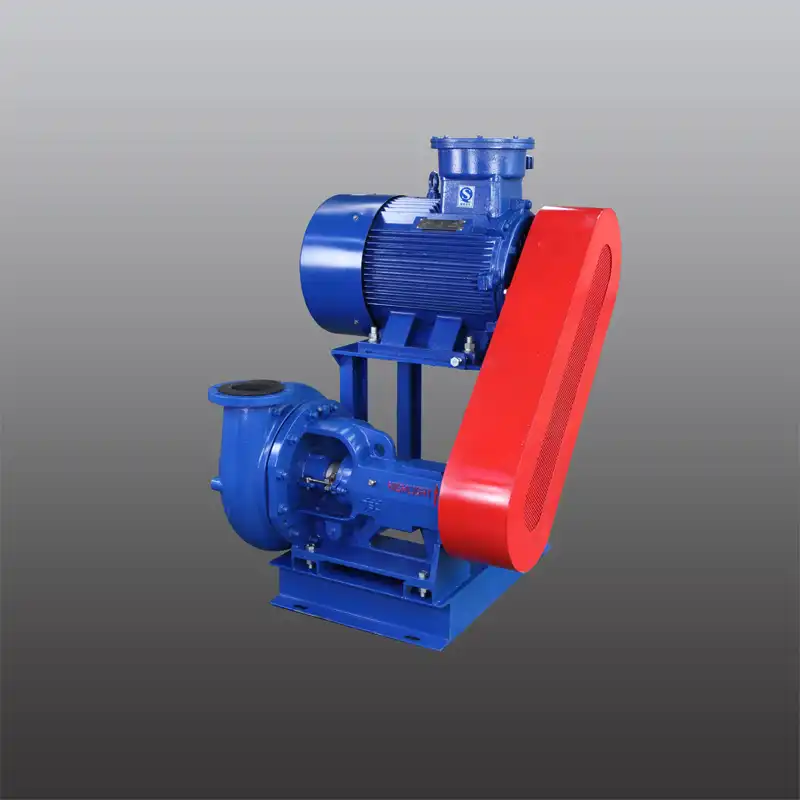
The TSC HighlightTM Centrifugal Pump line from CM Energy shows how targeted engineering can solve problems that are unique to a certain business. The HCP models provide heavy-duty performance for both onshore and offshore rigs, moving rough slurries that are common in shale gas drilling and mine core samples. Heavy-duty design includes stainless steel covers that protect the alloy steel shafts and double-row outboard bearings and inboard roller bearings that make them last longer.
Open impeller designs lower axial thrust loads, and impeller retention bolts keep them from breaking when the motor turns the impeller around. Wide rotor impellers improve the behavior of fluid flow and can handle high-volume tasks without losing efficiency. The single-piece case design gets rid of places where gaskets can fail, and the mechanical seal or packing choices let you choose the best fit for your needs. Hard iron, aluminum bronze, high chrome, and stainless steel are some of the materials that can be used in corrosive and abrasive settings for things like digging for environmental cleanup and maintaining geothermal wells.
The HCP-S version has these same features but a smaller size, making it easier to use hydraulic motor drives in places with limited room, such as offshore well abandonment activities. The PF type can work in harsh conditions and can pump large amounts of heavy slurries. Its flow rates and head pressures are good for underwater research ships and tunneling projects. Special case flow dividers greatly reduce radial loads, which doubles the life of bearings and lowers the number of times they need to be serviced.
These design features directly deal with the types of mechanical failure and sizing issues that lead to downtime, giving buying teams solid solutions backed by full support.
Implementing Performance Optimization Strategies to Sustain Uptime
Identifying and Eliminating System Bottlenecks
Finding flaws that hurt performance is the first step in continuous Centrifugal Pump system improvement. Unstable flow conditions mean that the pipes were not designed correctly or that the wrong pump was chosen. Energy waste shows places where a variable frequency drive could be added. This kind of drive changes the speed of the pump to match changing demand instead of slowing it down by closing outlet valves. System checks done on a regular basis find problems with the system before they become problems.
Upgrading Materials and Automation Integration
Wear-resistant materials make parts last longer in rough conditions, so they don't need to be replaced as often. Automation integration allows for exact process control, which keeps the working conditions at their best and stops changes that put stress on pump parts. Water hammer and pressure spikes that damage impellers and cases are stopped by variable frequency drives that make starting and shutdown cycles smooth. With these updates, management systems go from being reactive to being proactive.
Fostering Continuous Improvement Through Training and Feedback
Improving tools isn't enough to achieve operational success. Maintenance teams know the best ways to do their jobs and can spot early warning signs of coming fails because they get training on a regular basis. Setting up feedback loops lets operators, mechanics, and engineers share their views from the field. This leads to changes in pump selection, installation methods, and maintenance schedules over time. This mindset of always getting better increases return on investment and keeps a company ahead of the competition.
Conclusion
Choosing the right Centrifugal Pumps and taking good care of them can cut down on downtime, which has measurable practical and financial benefits for building projects, offshore drilling platforms, and drilling operations on land. A complete strategy for reducing risk includes figuring out how things break, being clear about what you need, choosing the right materials and designs, and working with dependable sources. These ideas are reflected in CM Energy's TSC centrifugal pump solutions, which are built to last, can be configured in a variety of ways, and come with a wide range of support services tailored to the needs of each industry. Using proactive maintenance procedures and constant improvement strategies protects project timelines, keeps systems running, and improves relationships between suppliers and clients.
FAQ
1. How often should centrifugal pump maintenance be performed?
Maintenance times depend on how the Centrifugal Pump is being used and how the fluid behaves. Every three to six months, workers should check the seals, bearings, and impeller gaps as part of routine maintenance. Condition-based monitoring gives you more information because it finds problems by analyzing vibrations and keeping track of performance. Applications that are highly rough or acidic need to be checked more often, while clean fluid service makes the time between checks longer. By collecting standard performance data, predictive maintenance can be used to plan actions for planned outages instead of waiting for emergencies to happen.
2. What material selection suits corrosive slurry applications?
Materials that can withstand both chemical attack and mechanical wear are needed for corrosive slurry uses. High chrome metals are very resistant to wear and can work in both acidic and basic conditions. Stainless steel versions work well with fluids that aren't too rough but are very acidic. For mildly acidic uses, hard iron is a durable material that doesn't cost too much. Material compatibility charts help with the choice, making sure that pump parts can handle the different types of fluids that are used in environmental cleanup drilling and geothermal well care without breaking down too quickly.
3. When should operators replace rather than repair centrifugal pumps?
When repair costs get close to the price of new equipment, when energy use goes up significantly because of less efficiency, or when regular breakdowns cause production plans to be thrown off, it makes economic sense to replace the equipment. Old designs that don't have extra parts available have to be replaced. Improvements in technology, like better materials or the ability to keep an eye on things, may mean that older pumps need to be replaced even if they are still working. Lifecycle cost analysis compares the costs of repairs, the effects of downtime, and the loss of efficiency to the costs of new investments. This helps people make smart decisions.
Partner with CM Energy for Reliable Centrifugal Pump Solutions
With carefully designed Centrifugal Pump systems, CM Energy is ready to help operations teams get rid of downtime. Our TSC HighlightTM pump line has been used on offshore drilling platforms, in shale gas activities, in geothermal wells, and on infrastructure projects all over the world with great success. We bring manufacturing quality and technical innovation to every installation. Our patent portfolios are very large, and we cover more than 25% of the global offshore drilling equipment market. Our full support, which includes localized service through global networks, full pump refurbishment, and expert help 24 hours a day, 7 days a week, makes sure that your activities stay at their best. CM Energy can help you with custom retrofits, full-load operation testing, or unitized pump packages with diesel or electric drive. Their solutions are made to fit your needs. Get in touch with us at info.cn@cm-energy.com to talk about your centrifugal pump needs with a provider who cares about your business's success.
References
1. Hydraulic Institute. Centrifugal Pump Design and Application Standards. Parsippany: Hydraulic Institute Publications, 2019.
2. Karassik, Igor J., et al. Pump Handbook: Fourth Edition. New York: McGraw-Hill Education, 2008.
3. Bloch, Heinz P., and Allan R. Budris. Pump User's Handbook: Life Extension. Atlanta: Fairmont Press, 2014.
4. American Petroleum Institute. API Standard 610: Centrifugal Pumps for Petroleum, Petrochemical and Natural Gas Industries. Washington: API Publishing, 2010.
5. Grist, Edward. Cavitation and the Centrifugal Pump: A Guide for Pump Users. Boca Raton: CRC Press, 1999.
6. McNally, William J. Centrifugal Pump Sourcebook. New York: McGraw-Hill Professional, 1992.