What Makes Methanol Fuel Feed System Safer for Ships?
Methanol Fuel Feed System moves methanol from holding tanks to marine engines with safety features that are so well thought out that they can't be matched by other fuel systems. These specialized systems have advanced leak detection, materials that don't rust, double-wall pipes with ventilation tracking, and automated emergency shutdown procedures that shut down the system within seconds of a possible danger. Methanol's natural qualities, like its ability to dissolve in water and lower flame temperature, along with strict IGF Code compliance and real-time tracking technologies, create a number of safety barriers that keep crew, cargo, and ships working in a variety of maritime settings safe.
Introduction
The maritime business is at a very important point where safety at work and caring for the world meet. Methanol has become a very appealing alternative fuel for boats because it is environmentally friendly and has practical benefits that help meet stricter emission rules. Methanol is now being seriously considered as a way for shipowners of bulk carriers, crude oil ships, chemical tankers, and offshore support vessels to get rid of carbon emissions.
When adding any new fuel to business ships, safety is still the most important thing. We have seen how bad things can happen when you don't handle fuel properly, which is why the safety rating of Methanol Fuel Feed System is so important. This in-depth study looks at why modern methanol supply systems are safer than traditional marine fuels. It addresses the worries of fleet managers, marine engineers, and procurement workers who need to make smart choices about the future of their vessel.
When marine companies know about these safety benefits, they can safely switch to cleaner fuels while still upholding the greatest standards of crew safety, container security, and regulatory compliance. Putting money into the right methanol infrastructure shows a dedication to protecting the environment and maintaining high standards of safety at sea.
Understanding Methanol Fuel Feed Systems and Their Safety Components
Core Architecture and Design Philosophy
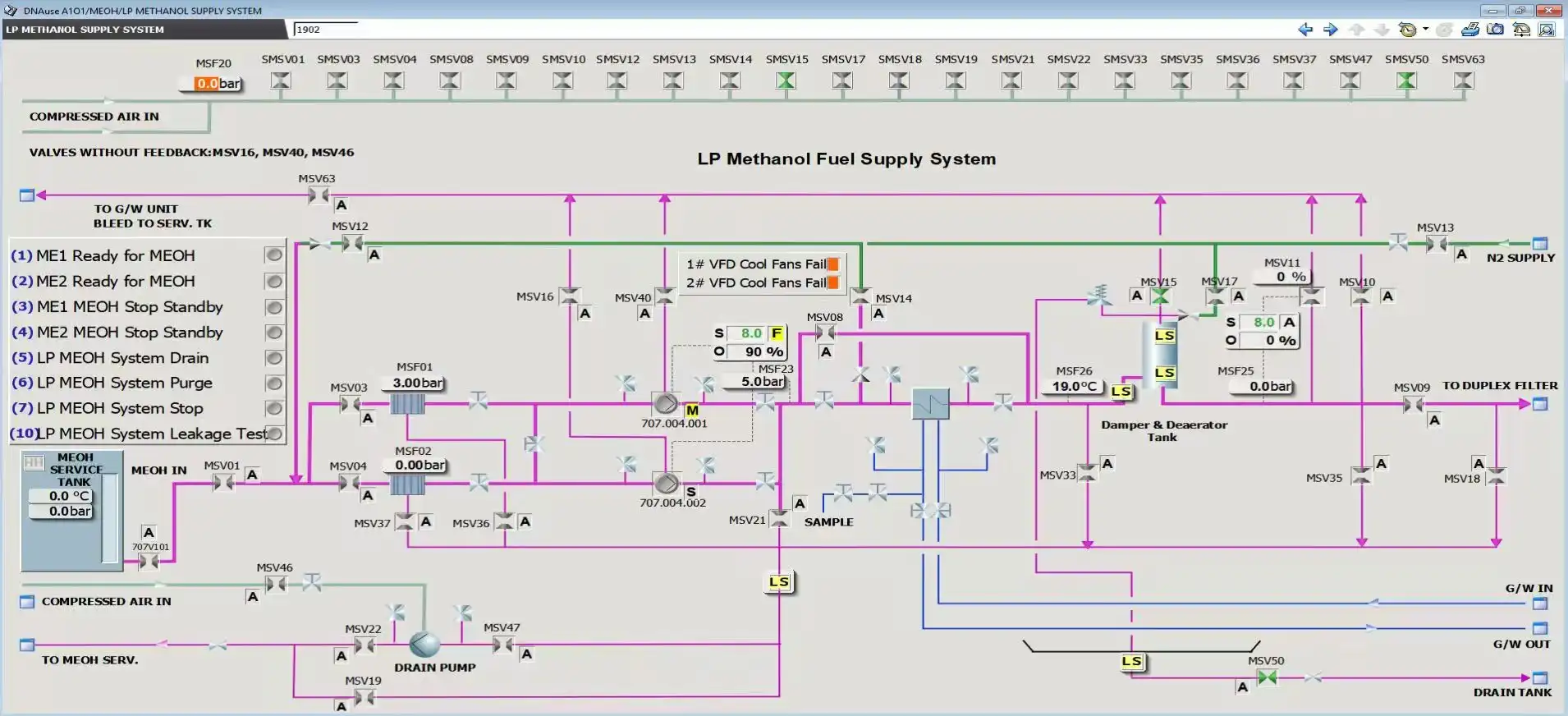
A Methanol Fuel Feed System is made up of different parts that are all linked to each other and work together to safely supply fuel in all situations. The methanol supply unit, the filling and transport system, the auxiliary system, and the control and safety system are all parts of the design. Each part does a specific job to keep the system together and flexible enough to handle different engine loads and situations.
The methanol delivery unit makes sure that the pressure, temperature, flow rate, and cleanliness standards set by the engine maker are always met. It takes complex control algorithms and multiple measurement methods to keep pressure and flow steady when the load changes from idle to highest continuous rating. The system has to work correctly during engine start sequences, fuel switchover operations, and emergency shutdowns, and it has to be able to change to each phase of operation without any problems.
Essential Safety Components and Technologies
Leak detection devices serve as the first defense line in methanol safety design. Modern systems use optical monitors, electrochemical detectors, and continuous ventilation tracking in all fuel handling areas. When methanol vapor levels approach thresholds, monitors trigger immediate alerts initiating automatic responses. Control units integrate data streams from pressure transmitters, temperature sensors, flow meters, and gas monitors. These smart systems predict potential failures and take autonomous corrective action before dangerous situations develop.
Maintenance Protocols Tailored to Methanol Properties
Methanol's unique properties as marine fuel require specific maintenance approaches. As an effective cleaning agent, methanol may dislodge sediment and contaminants from storage tanks and piping. Filtration systems need more frequent checks during initial operation months. Leading manufacturers use modular design philosophy enabling easier maintenance and component replacement without extended system downtime. Material compatibility concerns require regular seal integrity verification, anti-corrosion coating inspection, and purge system functionality confirmation.
Why Methanol Fuel Feed Systems Are Safer Compared to Traditional Marine Fuels?
Favorable Physical and Chemical Properties
Methanol fuel offers several safety advantages over gasoline, heavy fuel oil, or compressed natural gas. Methanol burns with cooler flame temperature than petroleum fuels, producing less radiant heat and reducing fire hazard severity. Methanol dissolves readily in water, providing safety benefits that petroleum-based fuels lack. Water-based firefighting systems can dilute and wash away small leaks or spills. Methanol vapor disperses more easily in well-ventilated spaces, and proper airflow design significantly reduces accumulation risks.
Reduced Environmental and Toxicity Risks
Methanol presents several environmental safety advantages over conventional marine fuels. In marine environments, methanol biodegrades rapidly, completely breaking down within days rather than persisting like petroleum products. This natural degradation ensures even worst-case spill scenarios cause less long-term ecological damage. While methanol requires careful handling to prevent acute exposure, it lacks the carcinogenic polycyclic aromatic hydrocarbons found in heavy fuel oils. Crew chronic low-level exposure risks remain low with standard ventilation and personal protective equipment.
Real-World Performance Validation
Commercial shipping operations have generated extensive operational data confirming methanol system safety when properly engineered. Vessels operating on methanol routes including RoRo carriers and chemical tankers demonstrate safety records comparable or superior to conventionally fuelled vessels when comparing incident rates, near-miss events, and safety audit results. The shipping industry has safely transported methanol as chemical tanker cargo for decades, providing confidence in handling procedures and safety protocols directly applicable to fuel applications.
Common Safety Challenges in Methanol Fuel Feed Systems and How to Overcome Them?
Material Compatibility and Corrosion Management
The chemical qualities of methanol make it hard for some materials to work together, which needs creative engineering solutions. When exposed to methanol, some metals, elastomers, and hybrid materials break down more quickly, which could affect the long-term stability of the Methanol Fuel Feed System. Carbon steel, which is often used in traditional fuel systems, doesn't fight rust well enough in methanol service.
Getting around these problems starts with choosing the right materials during the planning part. Wet parts like pipes, valves, pump cases, and tank interiors are very resistant to rust when made of stainless steel alloys, especially 316L grade. It is also important to choose sealing materials that are compatible with methanol. Fluoroelastomers and perfluoroelastomers work better than regular nitrile rubber mixtures.
Protective coats add another layer of defense against rust in hard-to-reach service areas. Carbon layers that look like diamonds are put on the inside of valves and pump parts to lower friction and protect the base materials from chemical attack. These improved surface treatments make parts last a lot longer, which cuts down on upkeep needs and makes the whole system more reliable.
Operational Risk Mitigation Through Training and Protocols
Human factors drive many marine safety incidents, making comprehensive crew training essential for methanol system safety. Operators must understand methanol handling properties, emergency response procedures, and system purity maintenance requirements. Methanol system training addresses fuel switching operations, leak response, and maintenance lockout/tagout procedures. Emergency response drills focusing on methanol scenarios prepare crews to act quickly and effectively. Regular practice builds decision-making confidence and muscle memory for real emergencies.
Regulatory Compliance as Safety Foundation
Maritime regulatory frameworks provide structured approaches for methanol system safety verification. The IGF Code establishes mandatory requirements for methanol fuel systems including design standards, material specifications, safety system requirements, and operational procedures. Classification society approval processes verify methanol fuel feed systems meet applicable rules and industry best practices. Leading societies including DNV, Lloyd's Register, and ABS have developed specialized notation standards for methanol-fuelled vessels. The SOLAS IBC Code adds chemical handling safety measures when methanol serves as both fuel and cargo.
Selecting a Trusted Supplier for Safe Methanol Fuel Feed Systems
Evaluation Criteria for Supplier Assessment
Selecting the right Methanol Fuel Feed System supplier significantly impacts vessel safety, reliability, and lifecycle costs. Procurement professionals should evaluate potential suppliers beginning with technical expertise and industry experience. Suppliers with dual-fuel vessel, gas carrier, and chemical tanker system backgrounds bring valuable experience to methanol applications. ISO certifications, classification society approvals, and documented quality management systems demonstrate genuine capability. Track record review examines completed project numbers, vessel types served, and operational feedback from reference customers.
Comparing Supplier Offerings and Support Capabilities
Warranty terms and after-sales support distinguish suppliers beyond initial pricing. Comprehensive warranties covering materials, workmanship, and performance protect procurement investments. Technical support infrastructure including response times, spare parts availability, global service networks, and remote diagnostic capabilities minimises downtime. Customisation flexibility enables adaptation to vessel-specific requirements that standard catalogue products cannot accommodate. Lifecycle support encompassing feasibility studies, engineering, procurement, fabrication, testing, installation supervision, commissioning assistance, crew training, and ongoing maintenance ensures accountability.
Enhancing Operational Safety and Efficiency: Tips for Marine Engineers and Fleet Managers
Daily Safety Verification and Monitoring Practices
Systematic daily safety verification by qualified personnel begins operational excellence. Pre-operational checklists verify all safety systems including gas detection, ventilation fans, emergency stops, and leak detection alarms remain functional. Real-time monitoring systems continuously track critical parameters including supply pressure, temperature, flow rates, and gas detector readings. Trend displays help operators identify gradual degradation patterns suggesting emerging problems. Alarm management systems prioritize notifications by severity and required response speed. Automated data logging creates operational records for performance analysis and incident investigation.
Building a Safety-First Culture Through Training
Comprehensive crew training programs address both initial qualification and continuing proficiency. Training must cover methanol properties and hazards, system operation, emergency response, maintenance requirements, and regulatory compliance importance. Hands-on training with actual equipment and materials builds confidence and practical skills. Regular refresher training reinforces critical information and introduces system modifications, procedure changes, and incident lessons learned. Simulation-based training using desktop or full-mission simulators enables teams to practice emergency response without real-world risk.
Staying Current with Technology and Standards
As more ships go into service and more operating knowledge is gained, the field of Methanol Fuel Feed System propulsion continues to change quickly. Fleet managers should keep an eye on changes in the industry, such as new tools for equipment, new rules and regulations, updated best practices, and event reports that can help them learn. To stay up to date, industry groups, classification societies, and tool makers are all great places to get knowledge.
Updating technology might make things safer or more efficient, so it might be worth doing during set repair times. Better monitor technologies, better control programs, new materials, and better methods can all make a system work better without having to be replaced completely. Systematically look at upgrade options, taking into account the pros and cons, prices, ease of execution, and how well they fit with the vessel's operational profiles.
Joining industry working groups and places for sharing information speeds up the process of learning from each other's experiences. Maritime workers can talk about problems, share answers, and have a say in how industry standards and best practices are made in these collaborative spaces. The maritime industry has a mindset of collaboration, where rivals work together to improve safety. This is very helpful for everyone trying to safely adopt alternative fuels.
Conclusion
Methanol Fuel Feed System makes things safer in a number of ways, such as by finding leaks more quickly, being built to fight corrosion, having automatic emergency shut-offs, and meeting strict marine safety standards. Methanol has good physical properties, like being soluble in water and breaking down quickly in nature. When combined with advanced engineering controls, these qualities make naval propulsion systems that meet the highest safety standards. The best way to make the most of these natural safety benefits is to choose the right supplier, train your team well, and follow a set of systematic operating procedures. Maritime companies looking at ways to reduce carbon emissions can do so with confidence, knowing that properly designed methanol systems offer safety profiles similar to or better than conventional marine fuels. This is backed up by growing operational experience across a wide range of vessel types and trading patterns around the world.
FAQ
1. How does methanol storage compare with diesel regarding fire risk?
Because it has a lower temperature, methanol needs to be handled carefully. However, modern storing systems have a lot of safety features, such as nitrogen blanketing, flame arrestors, and continuous gas detection. Because methanol dissolves easily in water, it can be used to fight fires with water instead of chemical fuels. Because methanol fires have cooler flames, they give off less radiating heat, which makes it less likely that nearby rooms and buildings will catch fire.
2. What maintenance intervals apply to methanol fuel systems?
During setup, filter elements usually need to be checked every 500 hours. After systems are stable for a while, they only need to be checked every 1,000 to 2,000 hours. Differential pressure sensors keep an eye on things all the time and let workers know when filters need to be replaced before they block the flow. Inspections of pump seals are done at intervals set by the maker, usually once a year or twice a year, based on how often the pumps are used. The flexible building concept makes it easier for repair workers to get to parts that need fixing, which cuts down on the time needed for service.
3. Do methanol systems comply with international maritime regulations?
Certified Methanol Fuel Feed System meet the IGF Code's safety standards for low-flashpoint fuels. Systems made for ships that also take methanol as cargo must also follow the chemical handling rules in the SOLAS IBC Code. Classification groups, like DNV, give out type approval certificates and vessel notation standards that prove a ship is in line with the rules. This multi-level certification system makes sure that projects meet safety standards that are known and accepted by all maritime governments around the world.
Partner with CM Energy for Industry-Leading Methanol Fuel Solutions
CM Energy is ready to help your fleet switch to methanol power technology, which is safer and greener. As a well-known company that makes Methanol Fuel Feed System, our TSC brand offers tried-and-true solutions that have been installed successfully on 19 different types of ships, such as RoRo carriers and asphalt tankers. Our engineering team brings a lot of experience from building dual-fuel vessels, liquid gas carriers, and chemical tankers to the creation of your methanol system.
We offer full lifecycle support, from the first feasibility studies to launching, crew training, and ongoing upkeep. Our modular systems are DNV-certified and fully tested before they leave our warehouse. They are then ready to be quickly installed on new ships or old ones that need fixing. CM Energy has options that are tailored to your specific operating needs and available room, whether you run bulk carriers, tankers, offshore vessels, or specialized tonnage.
Find out how our cutting-edge methanol supply systems improve safety and help you reach your decarbonization goals. Email our technical experts at info.cn@cm-energy.com to talk about your project needs, look over our full line of products, and get specific offers that are made just for your fleet. CM Energy is progressing marine energy solutions by introducing new ideas, ensuring high quality, and showing that they work.
References
1. International Maritime Organization. (2023). "International Code of Safety for Ships Using Gases or Other Low-Flashpoint Fuels (IGF Code)." IMO Publishing.
2. Verhelst, S., Turner, J.W., Sileghem, L., and Vancoillie, J. (2019). "Methanol as a Fuel for Internal Combustion Engines." Progress in Energy and Combustion Science, Vol. 70, pp. 43-88.
3. DNV GL. (2022). "Maritime Forecast to 2050: Energy Transition Outlook." DNV GL Strategic Research & Innovation.
4. Methanol Institute. (2023). "Methanol Marine Fuel: Safe Handling and Storage Guidelines for the Maritime Industry." Methanol Institute Technical Publication.
5. Ellis, J. and Tanneberger, K. (2021). "Study on the Use of Ethyl and Methyl Alcohol as Alternative Fuels in Shipping." European Maritime Safety Agency Technical Report.
6. Classification Society Working Group. (2023). "Comparative Safety Assessment of Alternative Marine Fuels." Joint Industry Project Report, Lloyd's Register, ABS, and Bureau Veritas.