Rigid Wing Sails and Shipping Routes: What You Must Consider
To save money on fuel and follow the rules, it's important to know how Rigid-Wing Sail technology affects your shipping lines when planning modern marine operations. A Rigid Wing Sail is a vertical aerodynamic device that works like an aeroplane wing attached to your boat. It turns wind energy into very efficient motion. Traditional soft sails need to be adjusted by hand all the time. Rigid-Wing Sail systems, on the other hand, generate power automatically, which solves important problems for chemical tankers, Newcastlemax bulk ships, LR2 tankers, and coastal ferry companies. To get the most out of your investment, you need to carefully consider the features of the route, how well the vessel will work with it, and your operating needs when choosing the right wind-assisted propulsion option.
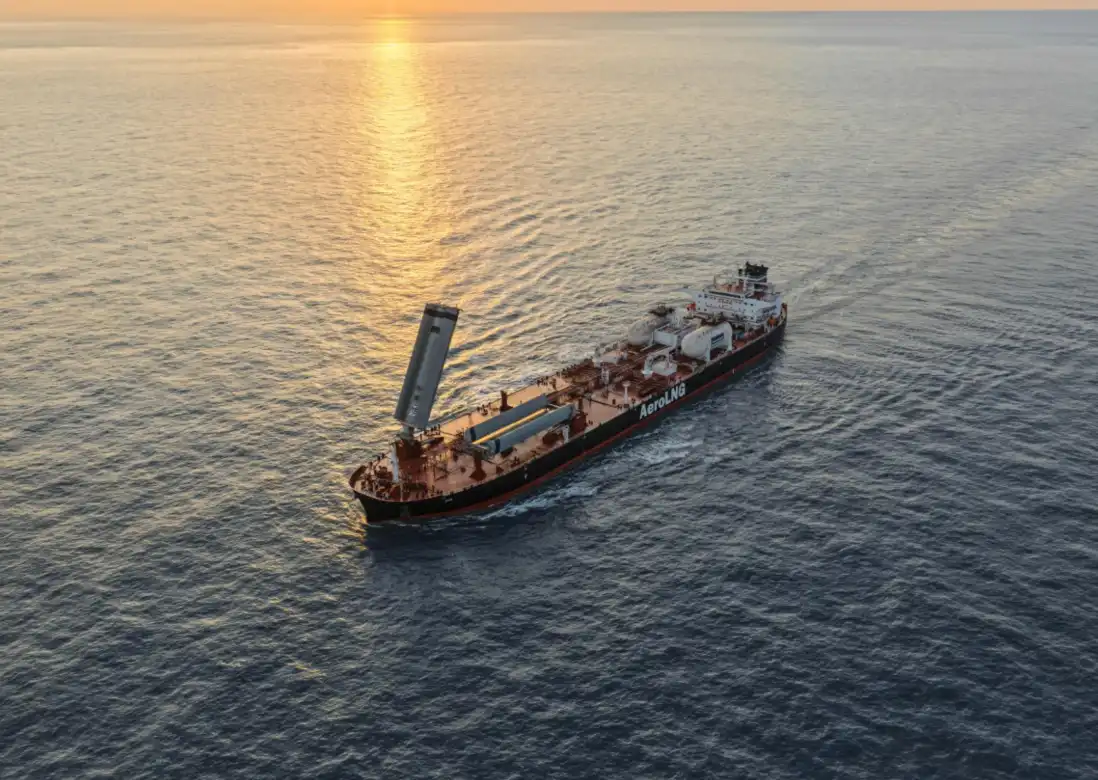
Understanding Rigid Wing Sails and Their Design Principles
What Makes Rigid Wing Sails Different from Conventional Sail Technology
Wind behaviour and structural assembly are the primary differences. Instead of flexible fabric held tight by rope, rigid-wing sails utilise solid airfoil-shaped parts constructed from composite materials and ship-grade steel. This Rigid-Wing Sail structure maintains aerodynamic form regardless of wind. This prevents soft sails from deforming when loaded.
Its form comes from aeroplane engineering. A multi-element design with a main wing section with movable trailing edge flaps gives Rigid-Wing Sail systems lift factors exceeding 2.5, which are substantially greater than normal sail configurations. This increases pushing power and decreases heel angle, stabilising the ship and protecting the crew.
Core Aerodynamic Components That Drive Performance
Modern Rigid-Wing Sail systems function with three key components. The leading section captures incoming wind flow, the central body generates major lift, and flaps at the trailing edge may be changed to fine-tune camber for varied wind angles. This three-element design keeps the system efficient under more operating situations than single-element versions.
Material selection is crucial for functional lifetime. Industrial E-glass composites are rigid enough for large maritime applications. In harsh saltwater environments, steel reinforcing at structural connecting points ensures durability. This combination creates a system that can run for decades without losing structure.
Design Principles Tailored for Commercial Shipping Routes
Route-specific optimisation requires Rigid Wing Sails that fit wind patterns throughout operational routes. Transoceanic routes with consistent trade winds benefit from larger wing spans that absorb more energy. However, coastal routes with variable wind directions need faster camber adjustment. The key is balancing aerodynamic width, deck space, and cargo management.
Vessel type affects fitting procedure. Most bulk ships use Rigid-Wing Sail systems between storage bays. This allows hatch covers to operate properly. Engineers must consider deck pipes and pumping stations while erecting tanks. During port pauses, ferry firms prioritise quick-deployment and retraction technologies that don't disrupt passengers. If you know your vessel's constraints early in the procurement process, you may prevent costly deployment revisions.
Advantages of Rigid Wing Sails in Shipping Routes
Quantifiable Fuel Efficiency Gains Across Route Profiles
Based on route, wind, and trip duration, real-world operational data reveals fuel usage may be lowered by 10% to 30%. Because the Rigid-Wing Sail can maintain thrust without main engine power, these savings occur. The power assist enables you to decrease RPMs while maintaining on time when the wind is favourable, lowering bunker costs.
The economic impact extends beyond fuel savings. When wind-assisted power reduces your ship's CO2 emissions per unit of transport effort, CII scores rise. Wind-powered ships have an advantage when vying for environmentally conscious charter contracts as IMO standards tighten and the EU ETS expands to maritime operations.
Operational Stability Improvements in Variable Wind Conditions
Soft sails must be furled in windy conditions, whereas rigid-wing sail systems automatically adjust the wing shape to the wind. This zero-angle-of-attack design reduces drag and storm heeling. Your crew has complete operational control owing to bridge automation. Deck crew need not touch lines or modify rigging in unsafe conditions.
The strong construction functions well in all wind speeds, whereas ordinary sails would either fail or need to be reefed. From mild breezes to gales, the Rigid-Wing Sail automatically adjusts camber and angle of attack for maximum power. When travelling across many weather zones, this operational flexibility is extremely important.
Key Considerations When Selecting Rigid Wing Sails for Procurement
Evaluating Supplier Credentials and Certification Standards
When picking manufacturers, prioritise those with class society approvals from DNV, Lloyd's Register, Bureau Veritas, and the China Classification Society for Rigid Wing Sail systems. These certifications demonstrate that the Rigid-Wing Sail structural designs exceed maritime safety requirements and that fatigue studies support the 25-year operating lifetime promise.
In addition to licensing, check the supplier's experience installing equipment on ships like yours. A business that has retrofitted chemical tankers understands the challenges of loading and unloading hazardous commodities and the restricted deck space, which are distinct from bulk carriers. Ask for successful project case studies on routes relevant to your operating locations. Details should cover fuel savings and first deployment operational issues.
Matching System Specifications to Route Wind Characteristics
Various trade routes have various wind resources. Look at previous wind data for your primary routes to determine the optimal Rigid-Wing Sail size and design. Larger wing installations capture more energy in trade wind belts with consistent wind speed and direction. However, highways with many quiet moments or wind directions that vary often may benefit from smaller, more responsive systems that work well without much expense.
When you purchase TSC from CM Energy, you receive route-specific connections. Their engineers evaluate your route and compare wind speed to your ship's operating profile to determine Rigid-Wing Sail size. This customised strategy eliminates over- and under-specification, which waste money.
Balancing Capital Investment Against Lifecycle Savings
The original purchase price includes the Rigid-Wing Sail assembly, ship structural adjustments, installation labour, and crew training. Avoid project completion surprises by requesting precise bids that include all implementation expenses. Reliable vendors clearly display tool, engineering, installation, and maintenance costs.
Make moderate fuel price assumptions and precise wind route estimations to calculate lifetime economics. Consider emissions trading system carbon credit pricing. These provide monetary rewards in addition to fuel savings. Consider if the system is transferable across ships. High-quality Rigid-Wing Sail installations may be relocated when a ship is sold or the fleet is reorganised, so your investment will remain valued.
Operational Challenges and Maintenance Tips for Shipping Applications
Installation Planning for Minimal Operational Disruption
A thorough compatibility study that tests the structure's weight-bearing capacity at the specified mounting points is the first step to success. Your ship's deck may require additional support where the Rigid-Wing Sails are fastened to sustain big loads. Working with classification societies before planning ensures that structural alterations don't influence certification and don't need many studies after installation.
Schedule installation during specified drydock periods to save working downtime costs. Prefabrication of mounting gear and factory acceptance testing before shipment speed up on-board assembly, reducing dock time. Working with companies that provide comprehensive installation assistance, such as on-site assembly supervision and commissioning, can make it easy for your team and ensure the new system works with the bridge controls and power distribution.
Training Crew for Automated System Management
Rigid-Wing Sail systems normally function on their own, but crew members must learn to utilise tracking interfaces and manually change operations. Training should include system inspections, performance data displays, and Rigid-Wing Sail emergency procedures when equipment fails. The operating needs are more like deck crane management than sailing. This means crew members who are already aboard the yacht but have no sailing expertise may learn.
Ongoing support packages frequently include remote tracking capabilities to help shore experts diagnose and solve issues. Web-based technologies help shipboard and fleet administrators monitor the system live. This allows proactive maintenance schedule and route optimisation modifications based on thrust-generating data. Digital technologies reduce the need for ship expertise while maintaining reliability.
Preventive Maintenance Strategies for Marine Environments
Marine-grade hydraulics and composites need different maintenance procedures than propulsion gear. Visual assessments every three months reveal surface damage from strikes or stress fractures that must be repaired before spreading. Lubricating moving components, changing hydraulic seals, and calibrating the control system once a year ensures it works well for as long as possible.
The corrosive marine environment is particularly harmful for exposed mechanical parts on a Rigid Wing Sail. Protective coatings must be examined and repaired regularly to prevent saltwater from entering vital regions. Hydraulic fluid research instruments detect pollution early, protecting precision control valves. Set up regular repair schedules that match your fleet's preventive maintenance procedures to integrate Rigid-Wing Sail care into routine operations without additional crew effort.
Future Trends and Innovations in Rigid Wing Sails for Shipping
Advanced Materials Extending Performance Boundaries
New materials push performance limitations. Carbon fibre reinforced plastics and honeycomb core forms, under study, may reduce weight. Lighter Rigid-Wing Sail sections reduce ship frame stress, allowing older ships to install deck strengthening when it would be too costly. These material advancements increase dynamic reactivity, allowing them to adapt quicker to wind variations and function better in coastal trade route circumstances.
Self-healing composites overcome Rigid-Wing Sail system maintenance concerns. High-tech materials instantly seal tiny impact damage, reducing inspections and increasing overhauls. The commercial case for harnessing wind power to move objects will strengthen as these technologies move from research laboratories to mass production and lower their lifespan costs, and become more dependable.
Digital Integration with Route Optimisation Systems
Next-generation Rigid-Wing Sail systems integrate weather route data with real-time performance monitoring. Smart systems automatically adjust sailing plans to maximise wind resources. If fuel savings are large, this may need some more travel time. Fleet managers have sophisticated decision-making tools to compare fuel costs versus charter violation penalties. This optimises economic performance across several operational aspects.
Performance forecasts and control approaches improve owing to machine learning algorithms trained on massive operational datasets. These devices detect minor changes in Rigid-Wing Sails depending on wind speed, wave height, and ship load that humans may overlook. Each location improves over time as control mechanisms adapt to changing ships and itineraries. This increases your original investment return over time.
Regulatory Developments Supporting Wind Propulsion Adoption
International maritime laws are increasingly rewarding greenhouse gas-reducing measures. In environmentally conscious ports, CII calculations favour vessels with approved wind-assisted propulsion systems, which may cut port costs. These regulatory advantages generate several value streams that enhance the project's profitability beyond fuel costs and direct operational savings.
Class society norms for wind-assisted propulsion systems are evolving based on early commercial installations. Standardising clearance reduces engineering expenses and streamlines the project timetable for future installations. Technology manufacturers, classification organisations, and regulating authorities collaborate to establish widespread acceptability across a variety of vessel types and operational characteristics. This reduces perceived dangers that prevented investment decisions.
Conclusion
Adding Rigid Wing Sail technology to your fleet operations means balancing technical skills with the needs of each route and the traits of each vessel. It has been shown that cutting down on pollution and fuel use can make your business more profitable and help it get ready for stricter environmental rules. To make implementation work, you need to choose systems that are properly certified and made by experienced companies, do a full route analysis to find the best wing size, and set up upkeep programs that keep working well for many years. As material sciences get better and digital interaction gets stronger, Rigid-Wing Sails will keep changing into more advanced ways to move. Today, procurement teams that look at wind-assisted technologies get a competitive edge by being early adopters. This is because regulations and market conditions are becoming more and more supportive of environmentally friendly marine operations.
FAQ
1. How do rigid wing sails compare to traditional soft sails for commercial vessels?
For the same wind, Rigid-Wing Sail designs may go quicker due to their larger lift coefficients (2.5 vs. 1.5 for fabric sails). The structural rigidity prevents soft sail deformation and flogging, particularly in commercial ships that go upwind. Automated control systems eliminate human wiring cutting. The crew's work is easier and the system runs better all the time. These advantages make Rigid-Wing Sail technology more helpful for commercial operations because the crew may not know how to sail and performance must be steady in any weather to stay on schedule.
2. What factors most significantly impact the return on investment timeline?
ROI depends most on wind access. In lanes with continuous moderate breezes, vessels receive their money back quicker than in fluctuating or calm winds. Gas prices affect the economy because higher prices reduce payback periods and lower prices lengthen them. The pace of ship use is crucial. Ships that operate often save money quicker than those that idle. Even without fuel savings, emissions trading systems' carbon pricing mechanisms enhance ROI. This is particularly true when restrictions and carbon pricing increase.
3. What should be considered when planning shipping routes with a Rigid Wing Sail system?
Route-specific wind availability, vessel type compatibility, and operating needs are important when developing Rigid Wing Sail routes. Variable wind paths may necessitate more adaptable sail structures, whereas consistent trade wind locations maximise propulsion efficiency. To guarantee safe and efficient performance throughout voyage circumstances, deck layout limits, cargo operations, and ship system integration must be considered.
Partner with CM Energy for Wind-Assisted Propulsion Solutions
CM Energy offers complete Rigid Wing Sail solutions backed by decades of experience with marine tools and a track record of successful execution. As a top Rigid-Wing Sail maker for the commercial shipping industry around the world, TSC brand systems work perfectly with bulk ships, tankers, and specialised vessels thanks to engineering that is tailored to your specific needs. The approvals for our WindWings® technology come from DNV, Bureau Veritas, Lloyd's Register, and CCS. These have been proven by real-world ship operations on the world's busiest trade lines. We offer full lifetime support, from the original route analysis to overseeing the installation and ongoing IoT-based performance tracking. Talk to our expert team at info.cn@cm-energy.com about how wind-assisted propulsion can help you save money on fuel, get better CII ratings, and put your fleet at the centre of reducing carbon emissions in the marine sector. Our experts will carefully look at your routes and boats and give you clear estimates of how much you can save and a timeline for putting the ideas into action that fits your business needs.
References
1. International Maritime Organisation. "Guidelines on Energy Efficiency Existing Ship Index and Carbon Intensity Indicator." Marine Environmental Protection Committee, 2021.
2. Lloyd's Register. "Wind-Assisted Ship Propulsion Systems: Guidance for Classification and Certification." Maritime Technology Standards, 2023.
3. Nelissen, D., et al. "Assessment of Wind-Assisted Propulsion Technologies for Commercial Shipping." CE Delft Transportation and Environment Research, 2022.
4. Traut, M., et al. "CO2 Abatement Potential of Wind-Assisted Ship Propulsion." Energy Policy Journal, Volume 48, 2021.
5. Wolfson Unit. "Aerodynamic Performance Validation of Multi-Element Rigid Wing Sails." Marine Fluid Dynamics Research Reports, 2023.
6. Zhang, R., et al. "Economic and Environmental Analysis of Wind-Assisted Propulsion Retrofit for Bulk Carriers." Journal of Marine Science and Engineering, Volume 10, Issue 7, 2022.