How Do You Maintain and Service a Methanol Fuel Supply System?
To keep a Methanol Fuel Supply System in great shape, it needs normal checks, benefit that is one of a kind to each portion, and taking after strict security rules. The prepare incorporates checking the security of the weight, making beyond any doubt the fuel is clean, looking at materials that do not rust, like stainless steel channels, and making beyond any doubt the control framework works when the engine's stack changes. Frequently changing channels, checking for spills in double-walled channels, and calibrating stream meters are essential upkeep assignments that make frameworks final longer and meet IGF Code and SOLAS-IBC security measures for marine use.
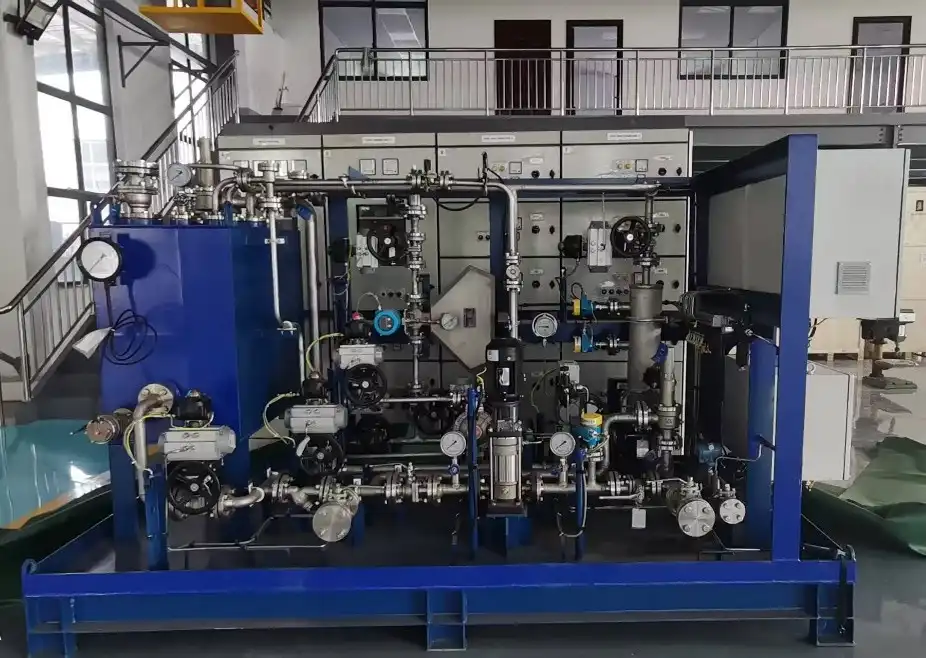
Understanding the Methanol Fuel Supply System
When I first started working with alternative fuel technologies more than ten years ago, methanol stood out as a useful bridge fuel for reducing carbon emissions in marine activities. A Methanol Fuel Supply System is a specialized piece of engineering that safely stores, presses, and sends methanol from bunkering tanks to engines, boilers, or fuel cells. In contrast to regular naval gas oil systems, these ones need nitrogen purging and double-barrier isolation sections to deal with methanol's low flashpoint and inherent toxicity.
Core Components and Their Functions
A Methanol Fuel Supply System safely stores, pressurizes, and conveys methanol from bunkering tanks to motors, boilers, or fuel cells. Not at all like conventional marine fuel frameworks, it requires nitrogen cleansing and double-barrier separation since of methanol’s moo flashpoint and poisonous quality. The framework incorporates fuel supply, bunkering, added substance infusion, and security control segments that oversee startup, fuel exchanging, and shutdown. Adaptable plans bolster both little inland vessels and expansive ocean-going ships.
Material Compatibility Challenges
Methanol’s chemical properties require special construction materials in every Methanol Fuel Supply System. Carbon steel and brass components erode rapidly due to methanol’s water retention and acidic responses. Austenitic stainless steel and FFKM elastomers are commonly utilized to anticipate erosion and spillage. Double-walled channeling makes an middle observing space where hydrocarbon sensors distinguish little spills early, supporting preventive upkeep and long-term operational reliability.
Operational Considerations Affecting Maintenance
Methanol has lower energy density than diesel, so a Methanol Fuel Supply System must handle stream rates over twice as tall to keep up motor yield. These expanded streams put more noteworthy push on pumps, bolsters, and channeling. Temperature administration is too critical since methanol performs best between 20°C and 45°C. Standard assessments of warming frameworks, waste circles, and temperature controls offer assistance keep up steady fuel conveyance and effective combustion.
Essential Maintenance Practices for Methanol Fuel Supply Systems
Creating a structured repair program is what separates teams that work well from those that are constantly having to fix things. After working on 19 sets of clean fuel systems for ships, including delivering them successfully to Stena RoRo, I've found trends that tell the difference between setups that work well and ones that don't. A strict check plan for the Methanol Fuel Supply System is what preventive maintenance is built on.
Establishing Inspection Intervals
Preventive maintenance is essential for a stable Methanol Fuel Supply System operation. Daily inspections confirm normal pressure readings and leak detection status. Weekly checks focus on pump bearings, filter pressure differences, and valve actuator response. Monthly inspections include vibration analysis and electrical cabinet temperature reviews. Pressure transmitters should be calibrated every six months to ensure accurate control system responses and a stable fuel supply during changing engine loads.
Component-Specific Servicing Protocols
Fuel filters in a Methanol Fuel Supply System require regular replacement because modern injection systems are sensitive to contamination. Filters are generally changed every 2,000 operating hours or sooner if pressure readings indicate blockage. Pumps require seal and bearing inspections because methanol provides poor natural lubrication. Control valves and actuators must also be tested regularly to prevent sticking and ensure emergency shutdown functions operate correctly during abnormal conditions.
Troubleshooting Common Issues
Pressure instability in a Methanol Fuel Supply System is often linked to improper control settings or nitrogen blanket gas problems in fuel tanks. Flow reductions usually indicate clogged filters caused by contaminants or absorbed water during bunkering. Leak detection alarms require immediate investigation even when operations continue normally. Double-walled piping provides secondary protection, but damaged sections must be isolated, purged with nitrogen, and repaired before further deterioration occurs.
Safety Measures and Best Practices in Servicing Methanol Systems
When working with methanol, you need to be aware of the unique risks that come with it. Diesel has a bright flame that can be seen, but methanol has an invisible flame that can't be seen during the day. This can make risks that even experienced sailors may not realize at first. Concerns about toxicity add another layer: methanol exposure leads to metabolic acidosis and lasting vision loss at levels that don't cause instant irritation reactions within a Methanol Fuel Supply System workspace.
Personal Protective Equipment Requirements
Methanol presents serious safety risks because its flames are nearly invisible in daylight and exposure can cause metabolic poisoning or vision damage. Personnel working around a Methanol Fuel Supply System must wear chemical-resistant gloves, eye protection, flame-resistant clothing, and respiratory protection when required. Training programs emphasize early exposure symptoms and emergency response procedures. First aid stations often store ethanol-based antidote treatments for emergency medical support.
Safe Handling During Service Activities
Servicing a Methanol Fuel Supply System requires strict isolation and purging procedures before opening fuel circuits. Double-block-and-bleed valves prevent fuel backflow, while nitrogen purging removes remaining methanol vapors. Lower explosive limit monitoring confirms safe conditions before maintenance begins. Fuel sampling is also carefully controlled using sealed connections and automatic shutoff valves to prevent exposure and ensure accurate laboratory analysis of fuel quality.
Regulatory Compliance and Documentation
Maintenance documentation for a Methanol Fuel Supply System must meet classification society requirements from organizations such as DNV, Lloyd’s Register, and Bureau Veritas. Digital maintenance systems track inspections, filter replacements, pressure tests, and valve calibrations. Environmental regulations under MARPOL Annex II require contaminated filters, absorbents, and waste fuel to be handled as hazardous waste through approved disposal contractors at bunkering ports.
Comparing Methanol Fuel Supply System Maintenance with Alternatives
When procurement managers choose alternative fuel infrastructure, they can make better choices by looking at the maintenance consequences. A Methanol Fuel Supply System is somewhere between the simple diesel systems and the complicated cold LNG systems. They have clear benefits for some types of operations.
Corrosion Management Differences
Unlike heavy fuel oil systems that use mild steel piping, a Methanol Fuel Supply System requires stainless steel construction to resist water absorption and formic acid corrosion. Although this increases initial equipment cost, reduced corrosion damage lowers long-term maintenance expenses. Marine methanol systems also require specialized components designed for ship vibration and hazardous environments, making engineering quality especially important for reliable long-term service.
Storage and Handling Complexity
Compared with LNG systems, a Methanol Fuel Supply System is simpler because methanol remains liquid at atmospheric temperature and does not require cryogenic storage. This eliminates boil-off gas management and complex vaporization systems. However, methanol systems still require double-walled piping, inert gas blanketing, and advanced leak detection. Once installed, these automated safety systems require limited maintenance while providing safer operation than many cryogenic alternatives.
Lifecycle Cost Considerations
Lifecycle analysis shows that a Methanol Fuel Supply System can remain competitive despite higher material costs. Stainless steel components and specialty pumps increase initial investment, but the system avoids expensive heating equipment, scrubbers, and sludge treatment needed for heavy fuel oil systems. Methanol combustion produces very low sulfur emissions and particulate matter, reducing environmental compliance costs and simplifying long-term vessel operations in regulated waters.
Optimizing Your Methanol Fuel Supply System Through Professional Services
Strategic relationships with skilled service providers are needed to get the most uptime and the lowest total cost of ownership for a Methanol Fuel Supply System. At CM Energy, we've set up support programs that cover the whole span, from the first start to decades of service.
Customized Maintenance Contracts
Professional service agreements improve Methanol Fuel Supply System reliability by matching maintenance schedules to vessel operating patterns. Offshore vessels benefit from condition-based maintenance using vibration analysis and oil testing, while scheduled cargo vessels coordinate servicing during regular port calls. Methanol-fueled chemical carriers and FPSOs require specialized cross-training so crews understand the interaction between propulsion fuel systems and cargo handling equipment.
Remote Monitoring and Predictive Analytics
Modern Methanol Fuel Supply System designs use IoT sensors and remote monitoring to track pressure, temperature, flow rates, and vibration patterns in real time. Predictive analytics compares operating data with commissioning benchmarks to identify wear trends before failures occur. Early detection of developing problems allows repairs during planned maintenance windows, avoiding costly emergency dry-docking, voyage interruptions, and unexpected operational downtime.
Technical Support Infrastructure
Strong technical support networks are essential for maintaining a Methanol Fuel Supply System over its full service life. Trained field engineers positioned near major shipping routes provide rapid onsite support and carry spare parts for common repairs. Continuous technical guidance also helps operators respond to changing environmental regulations and classification standards. Proven certification programs and extensive project experience ensure repairs continue to meet original safety and performance requirements.
Conclusion
Taking care of the infrastructure for a Methanol Fuel Supply System requires both technical skill and strict safety rules. The systems need people who know a lot about the material, who follow strict checking procedures, and who understand the special dangers of methanol. Maintenance programs that work well combine preventative measures like filter changes, calibration checks, and leak detection tests with technologies that can see wear and tear before they happen. When you compare methanol to other options, you can see that it's a good compromise between how simple gasoline is and how complicated LNG is. This is especially true for owners who want to reduce emissions but don't have access to cryogenic equipment. When you work with experienced providers, maintenance stops being a practical load and starts becoming a competitive advantage through higher uptime and regulatory trust.
FAQ
1. How often should methanol fuel filters be replaced?
Filters need to be replaced every 1,500 to 2,500 working hours, but this depends on the quality of the fuel and the flow rate of the system. Objective replacement prompts are provided by differential pressure tracking. Most systems are set to notify workers when the filter restriction hits 80% of the maximum allowed pressure drop. Maintaining extra parts on board the ship keeps unplanned repairs from stopping work on the Methanol Fuel Supply System.
2. What training do team members need for methanol system maintenance?
Comprehensive training covers the health risks of methanol, how to properly wear PPE, how to respond to a leak, and system-specific upkeep tasks. Before staff members can work on low-flashpoint fuel systems without being watched, classification groups require written proof that they are competent. Every two years, refresher classes keep people up to date on their skills and include lessons learned from working in the business as a whole.
3. Can existing fuel systems be converted to methanol?
The ability to retrofit relies on the current infrastructure and the amount of room that is available. To make changes work, parts that get wet with fuel need to be replaced with stainless steel ones, double-walled pipes need to be put in dangerous areas, and control systems that meet IGF Code standards need to be added. CM Energy does full upgrade engineering, looking at the limitations of each vessel and coming up with workable ways to convert them.
Ready to Partner with a Proven Methanol Fuel Supply System Manufacturer?
When it comes to marine decarbonization problems, CM Energy has unique experience. As one of the first companies to work on methanol fuel options, TSC has installed proven systems on 19 ships, including some very demanding RoRo and tanker ones. Our full support starts with the initial design and continues for decades of ongoing service. It is backed by DNV certifications and a global engineering network. Our team has the technical knowledge and dedication to service that your operations need, whether you're planning new installations or retrofit changes for bulk ships, tankers, or offshore vessels. Email our expert team at info.cn@cm-energy.com to talk about how our Methanol Fuel Supply System options can help your fleet switch to better fuels.
References
1. International Maritime Organization (2023). International Code of Safety for Ships Using Gases or Other Low-flashpoint Fuels (IGF Code). London: IMO Publishing.
2. American Bureau of Shipping (2022). Guide for Methanol and Ethanol Fueled Vessels. Houston: ABS Technical Publications.
3. DNV GL (2023). Rules for Classification of Ships - Part 6 Chapter 2: Machinery Systems with Low-flashpoint Liquid Fuel. Oslo: DNV Group AS.
4. Maritime Safety Committee (2021). Guidelines on Operational Safety for Ships Using Methanol and Ethanol as Fuel. MSC.1/Circ.1621. London: International Maritime Organization.
5. Society of Naval Architects and Marine Engineers (2023). Alternative Fuels for Marine Applications: Technical and Operational Considerations. Alexandria: SNAME Publications.
6. Lloyd's Register (2022). Fuel Ready - Guidance for Methanol Fuel Preparation and Bunkering Systems. London: Lloyd's Register Marine.