Where to Buy Reliable Rack & Pinion Systems Online?
Quality and proven performance are very important when looking for Rack & Pinion Jacking System for use in deep naval applications. Certified options from well-known companies like CM Energy (TSC) make sure that they meet international standards and offer the best technical support, flexibility, and dependability. Many platforms around the world depend on their systems, so picking sources that have been checked out is important for operating safety and efficiency in tough places like wind turbine installation boats and self-elevating platforms.
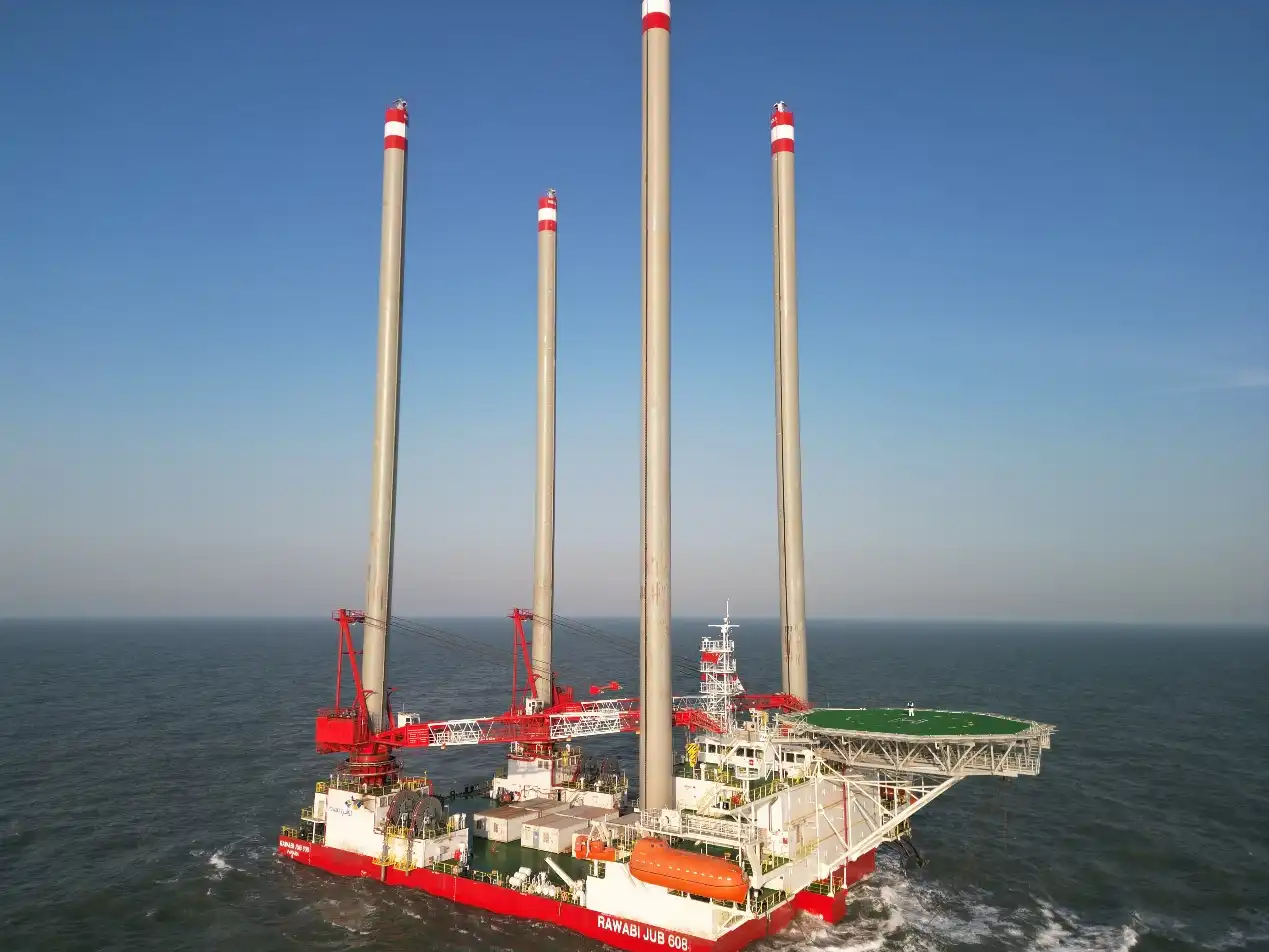
Understanding Rack & Pinion Jacking Systems in Marine Applications
Core Functionality and Design Principles
Rack and pinion jacking systems operate on fundamental mechanical principles that have proven exceptionally reliable in marine environments. These systems utilize climbing pinions that engage with racks attached to platform legs, enabling controlled raising and lowering of hulls relative to legs or vice versa. The mechanical advantage provided by planetary gear assemblies ensures precise load control while maintaining structural integrity under extreme conditions.
Modern jacking systems use planetary gear units with multiple stages that are kept in steel cases that keep water out. All of the gears stay completely covered and oiled with splash oil, which keeps important parts safe from the harsh sea climate. This way of thinking about design makes tools last longer and requires less upkeep, which is very important for remote activities where entry is limited and downtime is expensive.
Advanced Safety and Monitoring Features
Modern Rack & Pinion Jacking System have advanced tracking features that provide real-time information about system performance. Platform Load Monitoring Systems (PLMS) continuously display system loads, allowing workers to make informed decisions during critical operations. Failure-safe brakes ensure the load remains in place even during power loss, and electromagnetic brakes remain functional even when controls are turned off.
Using human-machine connections together makes operations easier and more reliable. Smart operation analysis systems find possible problems before they become major failures, and online network service links let technicians help you over the internet. Together, these features lower operating risks and make servicing more efficient.
Global Supply and Demand Analysis for Marine Jacking Systems
Market Dynamics and Regional Demand
The growing marine energy industry can be seen in the world market for rack and pinion jacking devices. The fastest-growing section is wind turbine installation boats, which is due to efforts around the world to use green energy. European markets are the best for offshore wind uses, while Asian markets are the best for building oil and gas platforms. In North America, there is a growing need for both standard drilling sites and infrastructure for green energy sources.
Regional trends of demand have a big effect on supply chain tactics. Environmental safety and advanced technology features are usually the most important things to European buyers. Asian markets often put a lot of emphasis on keeping quality standards high while keeping costs low. Buyers in North America often need a lot of licensing paperwork and the ability to get help locally.
Technological Advancement Impact on Demand
New technologies keep changing what the market wants. More and more, buyers want Rack & Pinion Jacking System that can handle more weight, are easier to automate, and need less upkeep. IoT connection and predicted maintenance features that allow for digital integration are no longer seen as extras but as normal features.
Higher-capacity devices are in high demand because ocean sites are getting bigger. Models like the SJ1000, which can normally lift 1000 kip (454 MT), can meet these changing needs while still meeting the high standards of stability needed for marine use.
Comparing Different Procurement Channels
Direct Manufacturer Sourcing
| **Advantages** | **Disadvantages** |
|---|---|
| Complete technical documentation | Higher minimum order quantities |
| Customization capabilities | Longer lead times for modifications |
| Direct technical support | Limited local inventory |
| Warranty and service guarantees | Payment terms may be restrictive |
| Access to latest innovations | Geographic distance considerations |
Authorized Distributors and Agents
| **Advantages** | **Disadvantages** |
|---|---|
| Local inventory availability | Limited customization options |
| Established service networks | Markup on manufacturer pricing |
| Familiar payment terms | Potential communication delays |
| Regional compliance expertise | Dependency on distributor relationships |
B2B Platforms and Online Marketplaces
| **Advantages** | **Disadvantages** |
|---|---|
| Multiple supplier options | Quality verification challenges |
| Competitive pricing visibility | Limited technical support |
| Convenient comparison tools | Potential counterfeit products |
| Streamlined ordering processes | Warranty complications |
Specialized Marine Equipment Suppliers
There is no other type of seller like specialized naval equipment suppliers when it comes to buying things. Because they work with qualified makers, these businesses know the unique needs of their fields. A lot of the time, they offer extra services that make the customers happier, like help with installation, training, and full upkeep plans.
Working with expert providers is better because they know a lot about your business and already have service networks in place. They know how to deal with complicated licensing requirements and can give advice on how to follow the rules in a number of different marine countries.
Supplier Verification and Quality Assurance
Certification Standards and Compliance
The first step in checking a supplier's qualifications is to look at their classification society approvals. Real companies get their certifications from well-known groups like ABS (American Bureau of Shipping), DNV (Det Norske Veritas), CCS (China Classification Society), and BV (Bureau Veritas). These licenses show that you follow quality control systems and international standards for sea safety.
Patent files give more proof of how technologically advanced something is. A lot of patents cover new design features and production methods that are held by well-known makers. Through its TSC name, CM Energy holds a lot of valid patents, including a number for inventions. This shows that it is constantly coming up with new ideas and being a star in technology.
Due Diligence Processes
Effective supplier verification involves multiple evaluation criteria. Manufacturing facility inspections, either virtual or physical, reveal production capabilities and quality control measures. Reference checks with existing customers provide insights into supplier performance and reliability. Financial stability assessments ensure suppliers can support long-term warranty and service commitments.
Documentation review should include quality management system certificates, manufacturing process descriptions, and testing protocols. Suppliers should provide detailed technical specifications, performance test results, and material certifications for critical components.
Common Quality Control Points
Key quality control points include material specifications, manufacturing tolerances, surface treatments, and assembly procedures. Gear tooth profiles require precision manufacturing to ensure smooth operation and extended service life. Lubrication systems must meet marine environment requirements for corrosion resistance and temperature stability.
Testing protocols should verify load capacity, operational speeds, and safety system functionality. Fatigue life testing confirms design calculations and validates expected service intervals. Environmental testing ensures components withstand marine conditions including salt spray, temperature variations, and humidity exposure.
Procurement Best Practices and Risk Mitigation
Minimum Order Quantities and Commercial Terms
Understanding minimum order quantities (MOQs) helps plan procurement strategies effectively. Established manufacturers often require minimum orders reflecting their production economies. Single-unit orders may incur premium pricing or extended delivery times. Bundling requirements across multiple projects can achieve better commercial terms while ensuring consistent specifications.
Payment terms vary significantly between suppliers and procurement channels. Direct manufacturer relationships often involve milestone payments tied to production progress. Letter of credit arrangements provide security for international transactions while enabling competitive payment terms.
Delivery Scheduling and Lead Time Management
Lead times for custom Rack & Pinion Jacking System typically vary depending on complexity and manufacturer capacity. Availability of standard models also differs, with some manufacturers maintaining inventory for common specifications. Early engagement with suppliers helps ensure better delivery coordination and potential expediting options.
Critical path analysis helps identify potential delays and develop mitigation strategies. Component availability, especially for specialized materials, can impact delivery schedules. Suppliers with integrated manufacturing capabilities often provide more predictable delivery performance compared to assembly-focused operations.
Common Procurement Pitfalls
Specification mismatches represent the most common procurement challenge. Incomplete understanding of operational requirements can lead to under-specified or over-specified systems. Engaging technical specialists during specification development reduces these risks significantly.
Inadequate service support planning creates long-term operational challenges. Considering spare parts availability, service technician access, and training requirements during supplier selection prevents future complications. Suppliers with global service networks provide advantages for international offshore operations.
Conclusion
Successful procurement of rack & pinion jacking systems requires careful evaluation of supplier capabilities, quality standards, and commercial terms. Direct relationships with certified manufacturers like CM Energy provide optimal combinations of technical expertise, customization capabilities, and long-term support. The marine industry's demanding requirements make supplier selection critical for operational success and safety compliance. Thorough due diligence processes, clear specification development, and comprehensive service planning ensure procurement decisions support long-term project objectives while maintaining the highest safety and performance standards.
Frequently Asked Questions
1. What certifications should I look for in rack & pinion jacking systems?
Look for systems certified by major classification societies including ABS, DNV, CCS, and BV. These certifications ensure compliance with international marine safety standards and quality management requirements. Additional certifications may be required depending on specific operational jurisdictions and project requirements.
2. How do I determine the appropriate jacking capacity for my application?
Jacking capacity selection depends on platform weight, environmental loads, and operational requirements. Consider normal operating loads, preload requirements for leg penetration, and storm holding capacities. Consult with marine engineers and manufacturer technical teams to ensure proper capacity selection and safety margins.
3. What maintenance intervals are typical for marine jacking systems?
Maintenance intervals vary based on operational frequency and environmental conditions. Typical preventive maintenance includes lubrication system checks every 50-100 operating hours, gear inspection every 500 hours, and comprehensive overhauls every 2000-5000 hours. Manufacturer recommendations should guide specific maintenance scheduling.
4. Can existing jacking systems be upgraded or retrofitted?
Many jacking systems can be upgraded with improved control systems, monitoring equipment, or enhanced safety features. Retrofit feasibility depends on existing system design and available space. Manufacturers can evaluate upgrade possibilities and provide customized solutions for specific requirements.
5. What training is required for jacking system operation?
Proper training covers system operation procedures, safety protocols, maintenance requirements, and emergency response. Manufacturers typically provide comprehensive training programs including hands-on operation experience. Certification requirements may vary by jurisdiction and company policies.
6. How do I ensure parts availability for long-term operations?
Establish spare parts inventory based on manufacturer recommendations and operational experience. Consider critical component lead times and maintain appropriate stock levels. Long-term service agreements with manufacturers can ensure parts availability and technical support throughout system life cycles.
Partner with CM Energy for Superior Rack & Pinion Jacking System Solutions
CM Energy delivers industry-leading mechanical systems backed by decades of engineering excellence and global deployment success. Our TSC-branded rack & pinion jacking systems serve a significant number of self-elevating platforms worldwide, providing proven reliability in the most demanding offshore environments. As a trusted rack & pinion jacking system manufacturer, we offer comprehensive solutions from standard models to fully customized designs, supported by a robust patent portfolio and multiple classification society certifications. Contact our technical specialists at info.cn@cm-energy.com to discuss your specific requirements and discover why industry leaders choose CM Energy for their critical lifting operations.
References
1. International Association of Drilling Contractors. "Guidelines for Jack-Up Rig Operations and Safety Standards." IADC Publication Series, 2023.
2. Marine Technology Society. "Advances in Offshore Platform Elevation Systems." MTS Journal of Ocean Engineering, Vol. 48, 2024.
3. American Bureau of Shipping. "Rules for Building and Classing Mobile Offshore Drilling Units." ABS Classification Standards, 2023.
4. Det Norske Veritas. "Recommended Practice for Planning, Design and Construction of Offshore Wind Turbines." DNV-RP-C205, 2024.
5. Society of Petroleum Engineers. "Mechanical Systems for Offshore Platform Operations." SPE Technical Guidelines, 2023.
6. International Maritime Organization. "Guidelines for Mobile Offshore Units Safety and Environmental Protection." IMO Resolution A.1079, 2024.