WAPS: A Breakthrough in Wind-powered Shipping Technology
Wind-Assisted Propulsion Systems (WAPS) are revolutionizing maritime logistics towards fuel economy and environmental compliance. These revolutionary devices use renewable wind energy to supplement standard propulsion techniques, saving money and meeting stricter environmental regulations. WAPS technology is a practical solution that combines economic benefits with environmental responsibility, making it an attractive investment for forward-thinking maritime operators seeking sustainable competitive advantages in today's evolving shipping landscape.
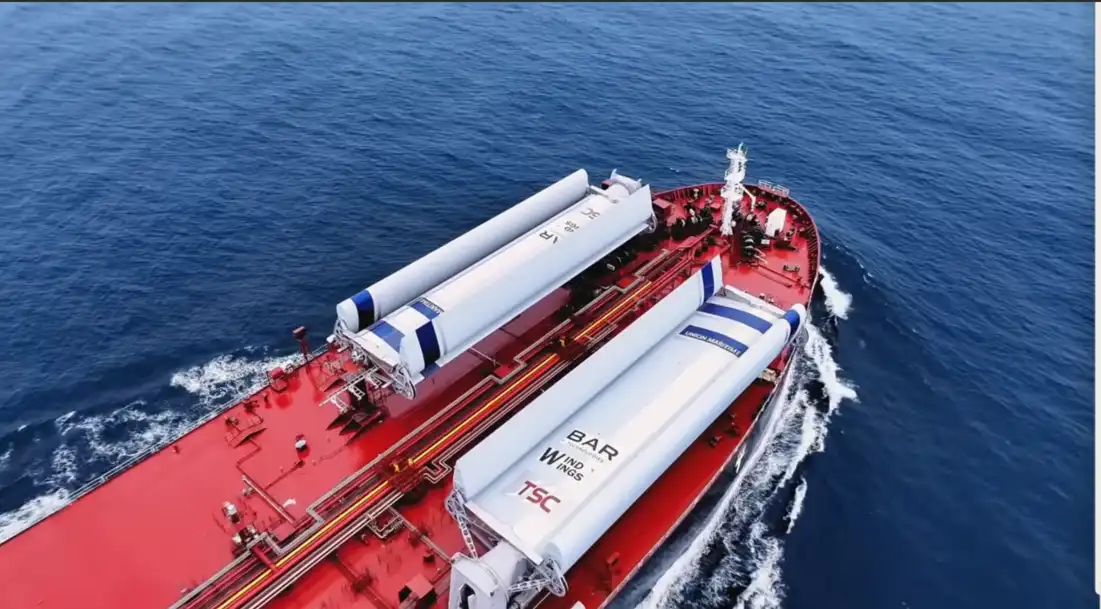
Understanding WAPS Technology: Definition, Functionality, and Benefits
Wind-assisted propulsion systems combine renewable energy with maritime propulsion in a smart way. These systems generate propulsion using innovative stiff wing sails that automatically adjust to optimum wind capture, reducing fuel use.
Core Components and Functionality
Modern WAPS technology has numerous key components that increase efficiency. Three-element rigid wing sails made of high-grade steel and composite materials are the main component. Automated control systems monitor wind conditions and vessel performance to modify sail angle and camber in real time for aerodynamic efficiency on these wings.
WAPS' automated alignment and camber modification capabilities distinguish it from traditional wind propulsion. For optimal wing orientation, software analyzes wind patterns, vessel speed, and route circumstances. This clever technology reports thrust performance in real time, allowing operators to track fuel savings and system efficiency.
WAPS' sophisticated wing control and safety systems monitor health and alert for repair. Manual operating interfaces help crew members stay in control in tough conditions, and marine-grade hydraulics and durable control components assure reliable performance in hostile maritime environments.
Key Benefits for Commercial Operations
The product technology improves operations in various ways. Most immediate is fuel cost reduction, with properly configured systems saving large amounts depending on route conditions and wind availability. Through compounding, these savings improve operational costs and vessel profitability.
The product integration simplifies environmental compliance. The solutions assist ships meet CII regulations and reduce emissions. WAPS' cost savings and environmental compliance make it a strategic investment for operators facing regulatory pressure and sustainability obligations.
Another benefit is reduced fuel usage, which increases vessel range or cargo capacity. The product technology works on bulk carriers, tankers, and specialized cargo ships, making it suitable for different fleets.
Evaluating WAPS vs. Traditional and Emerging Shipping Solutions
Comparative analysis is critical for maritime industry decision-making under unprecedented demand to adopt cleaner propulsion technologies. The product technology outperforms alternatives in performance and execution.
Performance Advantages Over Conventional Propulsion
Fuel price volatility and environmental laws are threatening fossil fuel propulsion systems. The product technology provides thrust to immediately minimize fuel usage without affecting operating reliability. The three-element stiff wing design maximizes wind energy capture by generating more lift than single-wing variants.
WAPS' scalability across fleet sizes gives it operational flexibility that other technologies lack. The solutions work consistently across fleets and boats, enabling predictable operational planning and cost management.
Customized weather routing for wind-assisted vessels is unique. Advanced routing systems optimize voyage planning to maximize wind utilization, with web-based interfaces for shore and onboard staff. Our automated workflow technologies help operators maximize their product investment.
Environmental and Cost Benefits
Validation shows WAPS technology's economic potential. These systems' vessels have operated safely at major global ports under different conditions. The product' sturdy construction and lengthy operational lifespan offer long-term value that standard propulsion upgrades cannot match.
The product transferability between vessels gives fleet operators strategic options. Extended lifespan systems can be moved when fleet compositions change, increasing ROI and giving operational agility that fixed propulsion upgrades cannot.
Practical Guide to Implementing WAPS in Your Supply Chain
Effective product integration involves careful planning and systematic implementation to maximize performance and minimize operational impact. Understand the installation procedure and operational needs for confident decision-making and easy technology adoption.
Installation and Integration Process
The implementation process begins with target vessel compatibility study. To optimize WAPS configuration, this study considers structural needs, operational patterns, and route characteristics. Professional evaluation ensures system specs match vessel capabilities and operations.
Established guidelines reduce vessel downtime during on-site assembly. Before shipping, factory acceptance testing ensures components match specifications and performance objectives. This systematic approach lowers installation hazards and speeds commissioning.
Installation timing is optimized by product delivery coordination with vessel schedules. Onboard installation follows proven techniques developed through substantial commercial experience, with technical help available to address implementation issues.
Operational Best Practices
Crew members need no rigging experience to operate WAPS like deck equipment. Long-term service packages and maintenance assistance maintain system performance throughout its life. These support programs provide technical assistance and predictable maintenance costs.
Above-deck and below-deck arrangements suit different vessel designs and operations. The flexibility of tilt mechanisms and fixed installation choices allows the product to be incorporated across varied vessel types, meeting space limits and operating preferences.
How to Choose the Right WAPS Solution for Your Business Needs
Operational needs, vessel features, and performance goals must be considered while choosing WAPS technology. Understanding investing options and performance measures helps make confident, profitable judgments.
Vessel Type Considerations
Different vessel classes benefit from operationally optimal WAPS configurations. Bulk carriers need systems strategically placed across decks between cargo holds to streamline hatch cover operations and cargo handling equipment. Laydown positions allow safe clearance from working machinery during loading and unloading.
Modern WAPS designs solve chemical tanker and LR2 vessel installation issues with flexible mounting and customized combinations. Larger wings save fuel on long-haul routes where wind is steady for Newcastlemax bulk ships.
Ferry and coastal vessel operators need short-route efficiency and quick ROI technologies. Smaller wings work well in these applications while requiring less investment and upkeep. Ships in environmentally sensitive areas benefit from emission-free movement.
Performance Metrics and Selection Criteria
Fuel savings depend on route, seasonal wind, and vessel operational profiles. Understanding these elements allows fair performance expectations and ROI calculations. Investment justification is supported by daily fuel savings and emission reductions.
Proper specification is crucial for vessel stability and cargo capacity due to system weight. Various wing sizes maintain performance efficiency for varied vessel sizes. Electrical power needs are integrated into vessel systems without major changes.
The increased operational lifespan and vessel transferability add value to total cost of ownership assessments. The product investments differ from permanent vessel efficiency improvements due to these variables.
Future Trends and Innovations in Wind-Powered Shipping Technology
WAPS technology is leading the maritime industry's sustainable revolution. Understanding new trends and technology helps strategize for long-term competitive advantage.
Technological Advancement Trajectories
Automation is a key area for WAPS development. Internet of Things integration will improve performance monitoring and predictive maintenance, lowering operational costs and increasing system reliability. More advanced performance optimization and fleet-wide efficiency advantages will result.
Combining WAPS with other renewable technologies can boost fuel savings and environmental benefits in hybrid wind-energy systems. Integrated systems that optimize several renewable energy sources will change maritime propulsion in the coming decades.
Strategic Implications for Early Adopters
Sustainability incentives and regulatory compliance favor vessels with proven emission reduction systems. Early WAPS adoption helps operators meet these changing standards and compete in environmentally sensitive transportation markets.
The rising focus on supply chain sustainability gives boats with measurable environmental improvements preferable contracts and premium rates. The product technology documents performance data to capitalize on market trends.
CM Energy: Leading WAPS Innovation and Implementation
TSC-branded CM Energy delivers maritime technological experience to WAPS development and implementation. Our holistic strategy includes cutting-edge system design, proven production, and committed customer support.
Technology Leadership and Certification
Using patented breakthroughs from top research universities, our WindWings® systems are the best three-element rigid sail technology. These systems optimize aerodynamic performance with fully adjustable camber and angle of attack, maximizing efficiency in various operating situations.
WindWings® performance is verified by top fluid dynamics research institutions. For confident technology adoption, commercial operators need DNV and other leading classification society certification of safety, dependability, and performance.
The three wing sizes suit varied vessel sizes and operations. Each option saves fuel and reduces emissions while maintaining operational flexibility for commercial success.
Comprehensive Support and Service
CM Energy provides consultancy, maintenance, and performance enhancement throughout the lifecycle. Our global service network provides technical support wherever boats run, and our warranty policies protect customer investments.
WAPS can be adopted across various fleets with customized integration solutions for new construction and retrofit applications. Our technical team collaborates with clients to optimize system setup for operational and performance goals.
IoT monitoring provides real-time performance data and predictive maintenance insights to improve system dependability and efficiency. This technology maximises WAPS investment value throughout its lifespan.
Conclusion
Wind-Assisted Propulsion Systems are a mature, established technology that can reduce fuel costs and improve environmental compliance for maritime operators. WAPS' performance benefits, operational stability, and long-term value make it an appealing investment for forward-thinking shipping businesses. WAPS technology offers the practical answer that gives economic and environmental advantages needed for future competitiveness as regulatory requirements tighten and sustainability becomes more critical for commercial success.
FAQ
1. What types of vessels are compatible with WAPS technology?
WAPS systems support bulk carriers, chemical tankers, LR2 tankers, and ferries. The modular architecture permits vessel modification, and proven installations across ship classes show reliable commercial performance.
2. How does WAPS technology contribute to environmental compliance?
WAPS cuts fuel use and emissions, enabling ships satisfy CII and other environmental standards. Verifiable emission reduction data improves regulatory reporting and environmental programs.
3. What maintenance requirements do WAPS systems have?
Like regular deck equipment, WAPS systems require minimum maintenance. Complete service packages and remote monitoring enable optimal performance and predictable maintenance costs throughout the system's lifespan.
4. How quickly can operators expect return on investment?
Time of ROI depends on route, fuel, and wind availability. Many operators see return within five years, and fuel savings continue to benefit operations throughout the system's lifecycle.
5. Can WAPS be installed on existing vessels?
New construction and retrofit installations are possible with WAPS technology. Comprehensive compatibility study minimizes operating disruption during installation and assures vessel system integration.
Transform Your Fleet with Advanced WAPS Solutions from CM Energy
CM Energy can help you adopt cutting-edge wind-assisted propulsion technology for instant fuel savings and environmental compliance. TSC represents proven WAPS innovation with global certification and extensive support. As a leading WAPS manufacturer, we customize solutions to meet your operational and performance needs. Talk to our experts at info.cn@cm-energy.com about how WindWings® can improve your fleet's efficiency and environmental impact.
References
1. Maritime Technology Review: Wind-Assisted Propulsion Systems Performance Analysis, International Maritime Technology Journal, 2024.
2. Chen, L., et al. "Aerodynamic Efficiency of Three-Element Rigid Wing Sails in Commercial Maritime Applications," Journal of Marine Engineering Technology, Vol. 23, 2024.
3. International Maritime Organization Guidelines on Wind-Assisted Propulsion Technology for Commercial Vessels, IMO Publications, 2024.
4. Rodriguez, M. "Economic Viability of Wind-Assisted Propulsion in Modern Shipping Operations," Maritime Economics and Logistics Quarterly, 2024.
5. DNV Classification Society Technical Bulletin: Wind-Assisted Propulsion Systems Certification and Performance Standards, DNV Publications, 2024.
6. Global Shipping Technology Trends Report: Sustainable Propulsion Solutions for Commercial Maritime Operations, Maritime Research Institute, 2024.