A Guide to the Economics of LNG for Offshore Power
As a result of the tremendous transformation that has taken place in the economics of LNG for offshore power applications over the last several years, vessel operators now have compelling potential to decrease fuel costs while simultaneously fulfilling tough environmental laws. Sophisticated technology known as the LNG Fuel Supply System is at the heart of this revolution. This technology permits the effective conversion of liquefied natural gas into dependable power production. These systems provide significant cost advantages in comparison to conventional marine diesel alternatives by lowering the cost of fuel, reducing the amount of maintenance that is required, and improving the operating efficiency of the system.
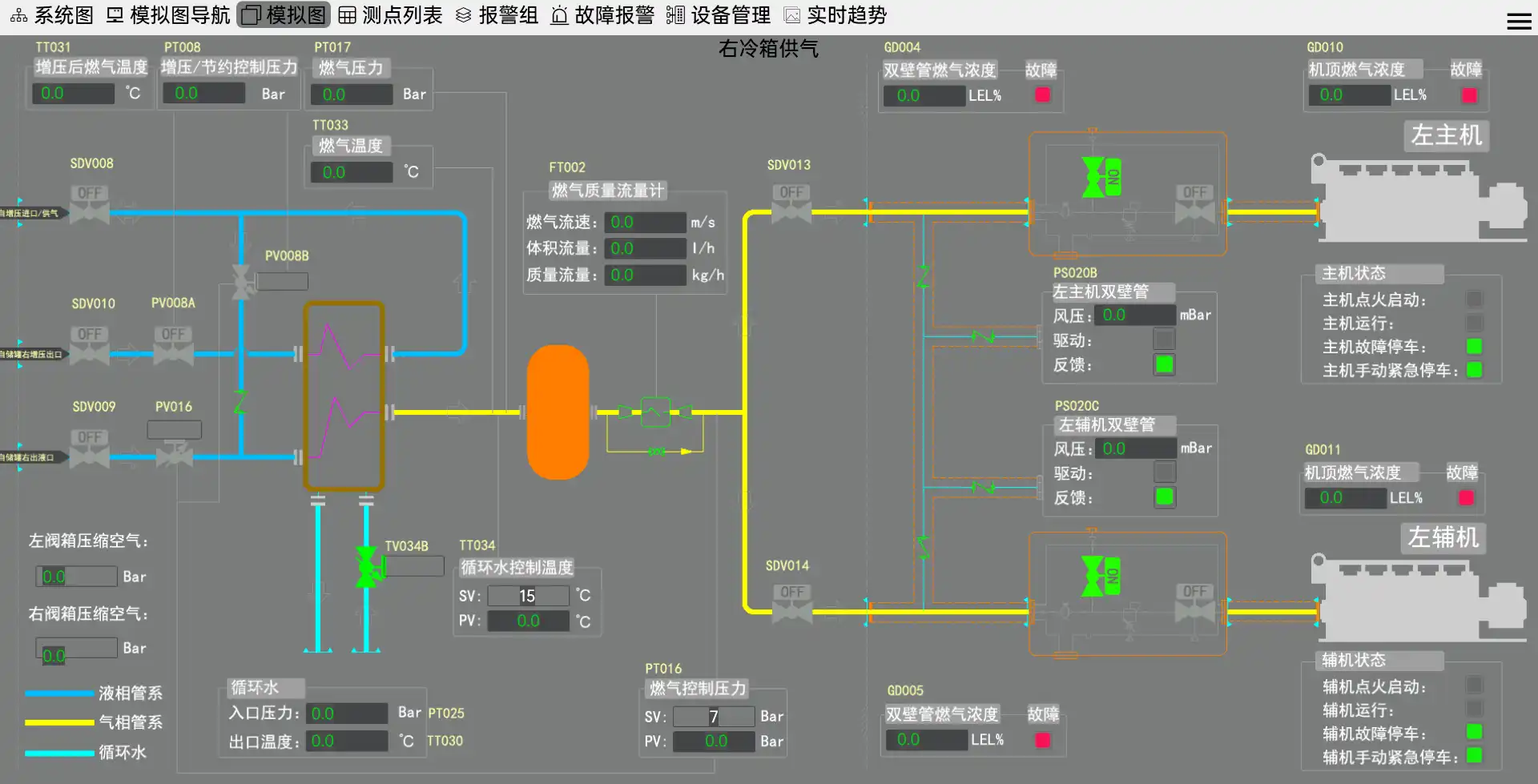
Understanding the Financial Benefits of Natural Gas Marine Power
The marine sector is seeing some of the most significant transitions ever seen toward greener energy options. There are immediate economic advantages for vessel operators via decreased fuel prices, and there are long-term benefits through compliance with growing pollution rules. LNG technology provides both of these advantages.
When compared to marine gas oil, the cost of a unit of energy provided by LNG is often much lower, according to a review of fuel prices. When it comes to boats that have a high consumption rate, such as bulk carriers and crude oil tankers, which are deployed for extended journeys, this price differential becomes extremely significant. As a result of the dual-fuel capacity, operators are able to switch between conventional fuels and LNG, supported by the LNG Fuel Supply System, depending on availability and cost, which maximizes economic flexibility.
As an additional important economic reason, maintenance cost savings are also important. Because the combustion of LNG results in less carbon deposits and impurities, it extends the life of the engine and reduces the amount of time between overhauls. For chemical tankers and LPG carriers in particular, these qualities are advantageous since cleaner combustion lowers the amount of pollution in the system and increases the dependability of the system.
Capital Investment Analysis for LNG Marine Systems
The expenses of acquiring equipment, installing it, and training the personnel are all factors that should be considered during the initial investment. The integration of contemporary fuel delivery systems into pre-existing vessel designs is seamless, hence reducing the need for structural alterations and the costs associated with them.
Depending on the extent to which the vessel is used and the fluctuations in fuel prices, the payback time may normally vary anywhere from a few years to several years. big LNG carriers and extremely big carriers are examples of high-utilization vessels that are able to produce quicker returns owing to the larger fuel consumption volumes that they use. Additionally, excellent return profiles are seen by pure car and truck carriers who operate on regular routes.
A variety of financing solutions are available, including conventional ship mortgages, green shipping loans, and government incentives that encourage the use of alternative technologies. There are several countries that provide tax credits or lower port fees for boats that comply with environmental regulations, which improves the overall profitability of the operation.
There is a considerable influence on capital needs brought about by cryogenic tank specifications. Pressure vessels of the C-type provide superior safety profiles and efficient use of space, especially when they are combined with sophisticated Tank Cooling Systems. In addition to maximizing the amount of cargo capacity that is available, proper size guarantees appropriate fuel storage.
Operational Cost Optimization Through Advanced Technology
Enhanced efficiency of the LNG system and decreased demand for consumables both contribute to a reduction in daily operating expenditures. It is the responsibility of the LNG Fuel Supply System to ensure the highest possible gas quality, which in turn guarantees constant engine performance and reduces waste.
The technique of boil-off gas recovery converts gas that may otherwise be wasted into energy that can be used. Fuel that has been vaporized is captured by gas combustion units and integrated boilers, which then transform the fuel into either electrical power or heat. This capacity is especially useful for offshore support boats and FPSOs that are operating in distant places.
Remote control systems enable centralized fuel monitoring and automated supply management. These technologies reduce crew workload while ensuring optimal fuel utilization across all operating conditions. Advanced leak detection systems provide early warning capabilities, preventing costly fuel losses and safety incidents.
Fuel bunkering efficiency directly impacts operational costs. Streamlined transfer procedures reduce port time and associated fees. Standardized connection systems and automated filling procedures minimize handling requirements and improve safety margins.
Regulatory Compliance and Economic Implications
There are major economic factors that vessel operators must take into account because of environmental restrictions. In light of the fact that the IMO 2020 sulfur restrictions impose significant financial penalties on fuels that do not comply with them, LNG alternatives are becoming more appealing.
Upcoming carbon intensity regulations will further enhance LNG economics. The Carbon Intensity Indicator requirements favor lower-emission fuels, with LNG offering immediate compliance advantages. Regional emission control areas impose additional restrictions, creating localized economic incentives for clean technology adoption.
A rising number of economic considerations are represented by port incentives. Those boats that are ecologically responsible may take advantage of lower rates, preferential berthing, or expedited services at some major ports. Over the course of time, these advantages mount, especially for boats that rotate between ports on a regular basis.
In addition, insurance issues have an effect on the economy as a whole. The rates of boats that are outfitted with contemporary safety measures and environmentally friendly technologies are decreased by a number of insurers. LNG systems that have been constructed correctly have a demonstrated track record of safety, which adds to positive risk evaluations.
Technology Integration and Supply Chain Economics
There is a correlation between integrated system design and improved performance and cost-effectiveness. By coordinating their efforts, pressure regulators, flow meters, and safety valves are able to guarantee dependable fuel supply while simultaneously reducing the complexity of the system. Installation time and the accompanying yard expenses are both reduced when modular construction is used.
Supply chain management affects long-term operational viability. LNG availability continues expanding globally, with new terminals and bunkering facilities regularly coming online. Fuel dispenser technology improvements reduce bunkering time and minimize product losses during transfer operations, all supported by the LNG Fuel Supply System.
The efficiency of the vaporizer has a direct influence on the rates of fuel usage. By maximizing the amount of energy that is recovered from engine cooling systems, advanced heat exchangers reduce the amount of auxiliary power that is required. There are many different kinds of engines and operating circumstances, but gas compressor technology allows for flexible pressure control across all of them.
Design of pipeline systems has an impact on both the safety and economic performance of the system. When insulation is done correctly, heat infiltration is reduced, and boil-off rates are decreased. Assuring optimum combustion characteristics while retaining compliance with pollution standards is the responsibility of fuel injection systems.
Future Market Trends and Economic Projections
The LNG marine fuel market shows robust growth projections driven by regulatory requirements and cost advantages. New vessel construction increasingly incorporates dual-fuel capability as standard equipment rather than optional upgrades.
Technological advancement continues improving system efficiency and reducing costs. Enhanced fuel filtration systems extend component life while improving combustion quality. Energy efficiency improvements reduce overall fuel consumption, amplifying economic benefits.
Emission control technology development creates additional value propositions. Advanced catalytic reduction systems and particulate filters enable compliance with the most stringent regional requirements. These capabilities become increasingly valuable as regulations tighten globally.
Green hydrogen integration represents emerging opportunities for hybrid power systems. LNG serves as a bridging technology while hydrogen infrastructure develops. Vessels equipped with flexible fuel systems can adapt to evolving energy landscapes without major retrofits.
Market analysis indicates continued LNG price stability compared to traditional marine fuels. Abundant global reserves and expanding production capacity support favorable long-term pricing trends. Fuel monitoring systems provide real-time consumption data, enabling optimized purchasing and inventory management.
Conclusion
The economics of LNG for offshore power applications present compelling opportunities for forward-thinking vessel operators. Substantial fuel cost savings, reduced maintenance expenses, and regulatory compliance advantages create strong business cases across multiple vessel categories. Advanced LNG Fuel Supply System enable reliable, efficient operations while supporting environmental stewardship objectives. Strategic adoption of LNG technology positions operators for long-term success in an evolving maritime landscape prioritizing sustainability and economic efficiency.
Partner with CM Energy for Advanced LNG Solutions
CM Energy stands as a leading LNG Fuel Supply System manufacturer, delivering proven technology solutions for diverse marine applications. Our comprehensive portfolio includes both high-pressure and low-pressure systems, supported by extensive industry expertise and global service capabilities. Contact our team at info.cn@cm-energy.com to explore customized fuel supply solutions that optimize your vessel's economic performance while ensuring regulatory compliance.
References
1. International Maritime Organization. "Fourth IMO GHG Study 2020: Reduction of GHG Emissions from Ships." IMO Publishing, 2021.
2. Maritime and Port Authority of Singapore. "Technical Reference for LNG Bunkering." Singapore Maritime Institute, 2020.
3. Lloyd's Register. "LNG-Fuelled Deep Sea Shipping: The Economic Case." Lloyd's Register Marine, 2019.
4. Det Norske Veritas. "Alternative Fuels for Shipping: Technology and Economic Assessment." DNV Maritime Advisory, 2021.
5. International Gas Union. "Natural Gas for Ships: Global Market Developments and Outlook." World Gas Conference Proceedings, 2022.
6. American Bureau of Shipping. "Sustainability Whitepaper: LNG as Marine Fuel - A Pathway to Decarbonization." ABS Technical Papers, 2020.