What Makes WAPS Essential for Green Shipping?
Wind-Assisted Propulsion Systems have become a game-changing way for the marine business to become more environmentally friendly. These new rigid sail systems use natural wind power to cut down on fuel use and pollution by a large amount. This makes them essential for owners who want to be environmentally friendly and save money. As regulations get stricter and fuel prices keep going up, WAPS technology has been shown to help businesses become cleaner while also giving them a clear return on their investment. The system is a key piece of technology for the future of marine movement because it works well with both new and old ships.
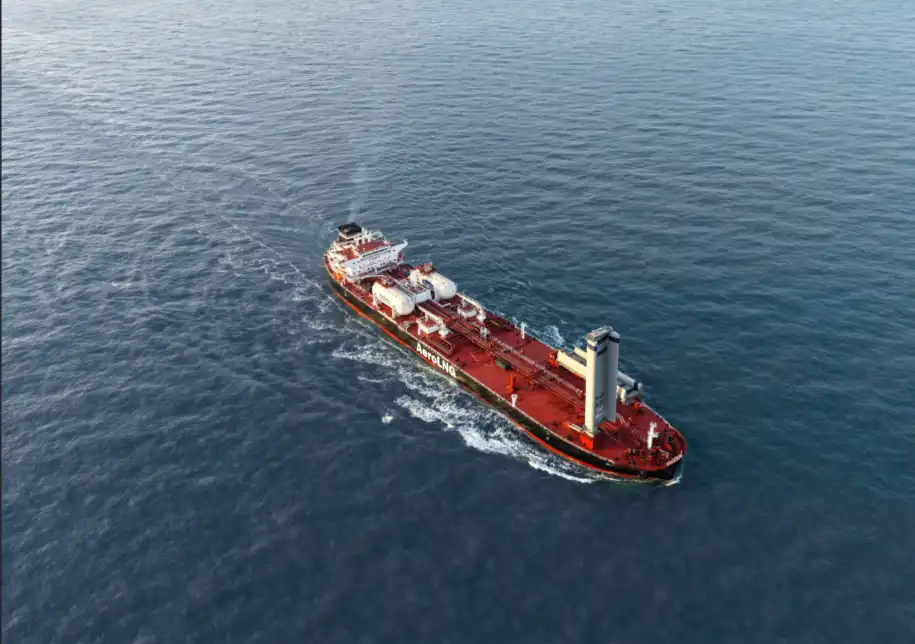
Understanding WAPS and Their Role in Green Shipping
What Are Wind-Assisted Propulsion Systems?
Modern advances in engineering have led to a rebirth of sail technology as Wind-Assisted Propulsion Systems. Today's systems use rigid frames made from marine-grade steel and industrial composites instead of fabric sails. Wind energy assists the main engine, creating a combined power system that uses significantly less fuel. The technology solves the challenge of meeting stricter Carbon Intensity Indicator standards while keeping operations profitable. In ideal conditions, some setups save close to 30% on fuel.
How Modern Rigid Sail Technology Works?
Modern WAPS use advanced three-element rigid wing designs producing significantly more power than single-element designs. The multi-element design manages airflow between wing parts to increase aerodynamic lift. Real-time wind data, vessel speed, and direction are used by automated control systems to adjust sail angle and camber continuously. Specialized software calculates optimal wing positioning thousands of times per hour, far exceeding manual adjustments. Weather routing features let owners plan trips maximizing natural propulsion.
The Competitive Advantage for Commercial Operators
Bulk carrier, tanker, and Ro-Ro operators face pressure to cut costs while meeting charterer expectations for cleaner shipping. WAPS works on both fronts simultaneously. Chemical tanker owners benefit from reduced dependence on volatile fuel markets. Newcastlemax bulk carrier owners have demonstrated technology viability through real-world operation at over twenty major ports worldwide. The systems can move out of the way of hatch covers and deck machinery during cargo operations while maintaining full cargo handling capabilities.
How WAPS Technology Supports Sustainable Shipping Operations?
Reducing Fuel Consumption and Emissions
Wind-Assisted Propulsion Systems are good for the environment because they lower the load on the main engine. When the wind is right for the sail design, engines can run at lower power levels and still keep the vessel moving at the desired speed. This slowing effect saves fuel right away and lowers emissions in a proportional way.
Each added wing on the right routes can cut daily fuel use by a large amount, which means that carbon dioxide, sulfur oxides, and nitrogen oxide emissions will go down in a way that can be measured. These cuts help operators improve their CII scores, which could help them escape operating limits and keep using ports and rivers that are controlled for the environment.
Performance claims can be trusted when they are checked through real-world operations approved by classification groups. Independent fluid dynamics study groups have confirmed that improved rigid sail designs are more aerodynamically efficient than earlier Wind-Assisted Propulsion Systems ideas. This means that they can generate more energy.
Enabling CII Compliance and Future-Proofing Fleets
IMO's Carbon Intensity Indicator system sets progressively higher compliance standards over coming decades. WAPS lets existing fleets improve scores without complete propulsion system replacement. Vessels approaching CII compliance thresholds can use this technology to enhance performance and market competitiveness. When WAPS is incorporated into new construction projects from the start, benefits are even greater due to better structural integration. Shipyards working with experienced system providers offer complete solutions to charterers increasingly prioritizing environmental performance.
Operational Flexibility Across Vessel Types
Modern WAPS demonstrates remarkable flexibility across diverse operations. Ferry and coastal vessel owners benefit from emission-free propulsion and relatively quick return on investment, with payback periods under five years on routes with consistent wind patterns. Systems require minimal maintenance and integrate easily into existing operational practices. Operational methods resemble normal deck crane use, minimizing crew training requirements. Both above-deck and below-deck tilt options provide installation choices for vessels with different structural constraints and operational needs.
Selecting and Installing WAPS for Maritime and Shipping Applications
Evaluating Certification and Compliance Standards
Marine-grade WAPS hold approvals from China Classification Society, DNV, Lloyd's Register, and Bureau Veritas. These approvals verify structural integrity, operational safety, and performance through rigorous testing. Procurement teams should prioritize suppliers demonstrating extensive certifications and documented real-world operating histories. Systems with Approval in Principle and design type approval have undergone thorough technical review. Material certification matters significantly. Marine-grade steel primary structures and industrial E-glass composite components ensure durability in harsh marine conditions.
Working with Experienced System Providers
Successful WAPS deployment requires providers offering end-to-end support throughout the project lifecycle. CM Energy, operating under the TSC brand, brings extensive marine equipment experience to WAPS delivery, leveraging proven manufacturing capabilities and global service networks. Comprehensive support includes compatibility assessment, factory acceptance testing, delivery coordination, and onboard installation supervision. Long-term maintenance packages and IoT monitoring enable proactive system management. With over 350 deck cranes operating globally, TSC adds maritime-specific knowledge that renewable energy companies cannot match.
Installation Process and Timeline Considerations
Installing a Wind-Assisted Propulsion Systems is a structured process that starts with a thorough study of how well the system will work with the vehicle. Engineering teams look at how much weight the structure can hold, how it connects to container handling equipment, how it affects stability, and the rules that must be followed for each vessel and flag state.
Installation times usually work with planned dry docking times, so extra time off-hire is kept to a minimum. Modular system designs make it easy to put together on board because most of the parts are already made and tested before the ship arrives. According to set dates, experienced installation teams finish mechanical integration, hydraulic connections, electrical systems, and control software setup.
As part of post-installation assistance, the crew is trained, operating paperwork is made, and performance is monitored during the first voyages. Technical teams on land can use remote diagnostics to make sure that the system settings are optimal and that any practical questions are answered while the workers learn how to use Wind-Assisted Propulsion Systems.
Comparing WAPS Solutions for Shipping and Logistics
Performance Metrics That Matter
To evaluate Wind-Assisted Propulsion Systems, you need to know the key performance factors that are important for business ships. The most direct way to measure economic gain is the amount of fuel saved per day per fitted wing. The best systems consistently show reductions measured in tons when conditions are good. Numbers for lowering carbon dioxide directly lead to better CII ratings and environmental reporting standards.
The amount of power that can be generated is based on the aerodynamic span and wing area. Larger setups provide proportionally more propulsion help. Three-element rigid wing designs produce more than 2.5 times the lift of similar single-element designs, which means they use less fuel in the same wind conditions.
System weight affects how stable a vehicle is and how much goods it can hold, so building light is an important thing to think about. When you combine advanced composite materials with better structural engineering, you can reduce the weight of the installation while still getting the power and longevity you need.
Deployment Success Stories
Bulk ships with WAPS have shown they can reliably operate for long periods of time, stopping at major ports around the world in a variety of geographical areas. These tests in the real world give us faith that the technology will work in real life, not just in computer simulations.
Operators say it fits in perfectly with their current cargo operations, and the turning systems make it possible for hatch covers to be completely clear during loading and unloading. The tools for moving cargo works without any problems, keeping production levels the same as on regular ships.
The value of weather planning systems designed for wind-assisted ships has been shown by the fact that they save fuel on optimal routes. Advanced weather forecasts, route optimization algorithms, and real-time sail control work together to make a system that makes the most of Wind-Assisted Propulsion Systems benefits over the course of a journey.
Choosing the Right System Configuration
There are a variety of system sizes available, from small ones that work well for port ships to big ones that are best for transoceanic tankers and bulk carriers. The best performance and return on investment are achieved by matching the system's size to the size of the vessel, its working profile, and the way it travels.
No matter what setup you choose, the devices only use a small amount of electricity—about the same amount as normal deck machinery. Marine-grade parts have been used in difficult shipboard applications for years, so hydraulic actuation systems are reliable and easy to keep using standard maintenance methods and spare parts supplies.
Design lifespans of more than 25 years without the need to update major parts provide long-term value, and systems may be able to be moved from one ship to another as fleet makeup change. This long-lasting quality sets modern rigid sail technology apart from earlier ideas for Wind-Assisted Propulsion Systems that needed a lot of upkeep and only worked for a short time.
Future Trends and Innovations in WAPS for Sustainable Shipping
Integration with Digital Ship Management
As Wind-Assisted Propulsion Systems technology improves, it focuses more and more on digital interaction with larger systems for managing ships. Automated health tracking sends out alerts for planned maintenance, which lets you service parts before they stop working or stop working properly. These features cut down on unexpected downtime and make the best use of upkeep resources.
Real-time thrust performance reporting makes it easy to see how much fuel is being saved and how much pollution is being avoided. This meets environmental reporting standards and lets data-driven route improvement happen. When Wind-Assisted Propulsion Systems are integrated with voyage management systems, closed-loop optimization is created. This means that real wind propulsion performance affects choices about future routes.
Web-based tools that both staff on land and teams on board the ship can access make collaborative performance monitoring easier. Fleet owners can see what's going on with all of their armed ships at once. This helps them find the best ways to use WAPS and find ways to make things run more smoothly across all of their operations.
New Materials and Improvements to Designs
Advanced composite materials are still being studied, which means that in the future they may be lighter and last longer. New developments in marine-grade materials that are made to withstand long-term loads and exposure to the elements will allow for bigger setups without adding too much weight.
Aerodynamic improvements keep making power generation more efficient, and computational fluid dynamics lets designers try out different designs virtually before making a real prototype. These small but steady changes make each new generation of the system run better, giving early users long-term value through upgrade paths and retrofit choices.
Innovations in the manufacturing process lower production costs and delivery times, which makes projects more profitable and makes it easier for more people to use new technologies. Prices are more affordable without lowering quality or performance thanks to automated fabrication techniques and flexible building methods that have been developed over years of production experience.
Strategic Considerations for Early Adoption
When deciding when to use Wind-Assisted Propulsion Systems, ship owners have to weigh the benefits of being the first to market against the fact that the technology isn't fully developed yet. Current systems have been used in the real world for a long time and have shown that they can be used in businesses. They have moved from being experimental to being proven operating technology.
Early adopters get an edge over their competitors by getting better CII scores, lower running costs, and more charterer interest. Environmental performance is becoming a bigger factor in talks between charter parties, and boats that show better sustainability features can get higher rates.
Picking the right partnership is very important. Well-known maritime equipment makers pose less of a risk for adoption than new companies that don't have much experience or support structures in the field. TSC is a reliable Wind-Assisted Propulsion Systems provider for owners who want to minimize risk because CM Energy has a large global footprint, has proven production skills, and offers full lifecycle support.
As time goes on, regulations keep getting tighter on emissions, which makes using Wind-Assisted Propulsion Systems more and more of an obligation rather than a choice. By putting in place systems, operators get ahead of the regulatory enforcement curves, which helps them avoid possible operating restrictions and keep as much business freedom as possible.
Conclusion
WAPS have grown into a technology that can be used in businesses. They save money on fuel, cut down on pollution, and help different types of ships meet CII regulations. Because it has been tested and proven to work, is fully certified, and comes with skilled supplier support, Wind-Assisted Propulsion Systems is an important option for ship owners who want to be environmentally friendly. As rules get stricter and charterers expect more from the environment, these systems go from being competitive advantages to being necessary for running the business. Adoption doubt is gone because the technology has been used a lot in the real world and shown to be reliable. This lets people make sure investment decisions. By adding Wind-Assisted Propulsion Systems now, fleet owners are setting themselves up to be successful in the long term in an industry that is moving firmly toward lower carbon emissions.
FAQ
1. What types of vessels benefit most from wind propulsion systems?
Wind-Assisted Propulsion Systems technology works best for bulk carriers, tankers (including chemical and LR2 types), and Ro-Ro ships that travel across oceans. The best return on investment is seen by ships that spend a lot of time in places where wind is always present. Ferry and coastal companies have shorter payback times because they can run their businesses more often when wind conditions are reliable.
2. How do wind propulsion systems affect cargo operations?
Modern setups have tilting systems that allow full clearance from areas where goods is being handled during loading and unloading. Systems move to laydown positions that allow full access to hatch covers and deck gear, so they don't get in the way of normal cargo operations. When compared to standard configurations, bulk carriers that have these methods show the same level of efficiency when it comes to moving cargo.
3. What maintenance requirements do these systems entail?
The maintenance steps are similar to those for fixing a normal deck crane, and they use common hydraulic and electrical maintenance methods. Long-term service packages from expert providers include help for planned repair, the logistics of spare parts, and diagnostics that can be done from a distance. Design lifespans of more than 25 years show that the product is well-built and doesn't need many new parts. This means that it has low lifecycle upkeep costs compared to the initial investment.
Partner with CM Energy for Advanced Wind Propulsion Solutions
CM Energy offers complete WAPS backed by decades of experience making high-quality marine tools and the ability to provide service all over the world. Our TSC brand wind propulsion options use cutting-edge aerodynamics and tried-and-true nautical engineering. They are approved by DNV, Bureau Veritas, Lloyd's Register, and CCS. We can integrate custom solutions for both old and new buildings, and our full lifecycle services include tracking IoT devices and improving performance. As a well-known WAPS manufacturer that works with chemical tankers, bulk carriers, and other types of industrial ships, we offer the technical know-how and support systems that are needed for a successful application. Get in touch with us at info.cn@cm-energy.com to talk about how WAPS technology can help you save money, make sure you're following the rules, and prepare your fleet for future environmental standards that are stricter than ever.
References
1. International Maritime Organization, "Carbon Intensity Indicator Guidelines for Maritime Transport," Maritime Environmental Protection Committee, 2023.
2. Smith, T., "Wind-Assisted Ship Propulsion: Performance Analysis and Operational Integration," Journal of Marine Engineering and Technology, 2023.
3. Maritime Research Institute, "Comparative Study of Rigid Sail Systems for Commercial Shipping Applications," 2022.
4. Lloyd's Register, "Guidance Notes for Wind-Assisted Propulsion System Certification and Installation," 2023.
5. Anderson, M., "Economic Analysis of Fuel-Saving Technologies in Commercial Maritime Operations," Shipping Economics Review, 2024.
6. Bureau Veritas, "Technical Standards for Wind Propulsion Systems on Merchant Vessels," Classification Society Publications, 2023.