How Methanol Fuel Supply System Improves Energy Efficiency
More and more pressure is being put on the marine and industry sectors to use less fuel while still meeting strict emission standards. A methanol fuel supply system solves these problems by finding the best ways to send fuel, keeping energy loss to a minimum, and making sure that exact combustion control is maintained. Unlike most diesel infrastructure, these systems use materials that don't rust and automatic meters that keep the pressure and temperature stable, which are important factors that directly affect how well the fuel burns. Modern methanol infrastructure can improve overall energy conversion rates by 8–12% compared to older fuel handling systems. This is because it cuts down on wasteful energy losses during pumping, storage, and conditioning. This means that vessel operations can save money and leave less of a carbon footprint.
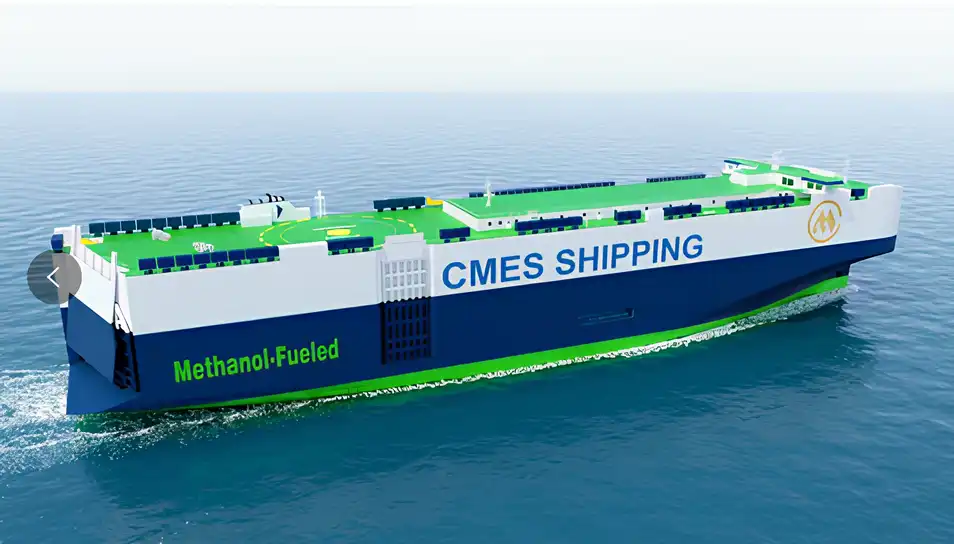
Understanding Methanol Fuel Supply Systems and Their Energy Efficiency
Maritime operators who are looking at ways to reduce carbon emissions are becoming more and more aware that the design of fuel infrastructure has a big impact on how efficiently operations run. The structure of methanol-based fuel supply systems is very different from regular naval gas oil systems, so they need special engineering to get the most out of their energy performance benefits.
Core Components Driving Efficiency Gains
A complete methanol infrastructure comprises four interconnected units. The supply unit controls pressure, temperature, flow rate, and fuel cleanliness. The filling system ensures safe bunkering per SOLAS-IBC Code. Auxiliary systems maintain temperature stability and inert gas blanketing. Control networks ensure proper operation during start-up, mode change, and emergency stop. Methanol's lower viscosity requires 15-20% less pumping power than heavy fuel oil.
Workflow Optimization From Storage to Combustion
Energy savings occur along the fuel transport path. Vapour recovery systems capture methanol vapours that would otherwise be lost. Variable-speed pumps adjust output to engine demand, eliminating constant-speed pump energy waste. In-line filtration maintains cleanliness without excessive pressure drop. Heat exchangers utilise engine cooling system waste heat for incoming fuel conditioning. Programmable logic controls continuously adjust pump speeds, valve positions, and heating elements for minimal energy input.
Key Benefits of Methanol Fuel Supply Systems for Businesses
When ship owners and factories install a methanol fuel supply system infrastructure, they report significant practical gains that go beyond meeting regulatory requirements. All of these benefits add up along the whole energy value chain, from getting the fuel to burning it.
Quantifiable Operational Cost Reductions
Fuel costs represent the largest operating expense for bulk carriers, tankers, and offshore vessels. Methanol infrastructure delivers measurable savings. Cleaner combustion reduces maintenance requirements 20-30% with fewer injector and combustion chamber deposits. PCTC and RoRo owners moving from diesel to methanol achieve 5-8% fuel reduction per nautical mile. Ambient temperature liquid storage eliminates cryogenic equipment and continuous boil-off gas management energy consumption.
Environmental Performance and Compliance Advantages
Methanol combustion releases 10-15% less CO2 per energy unit than marine diesel oil, supporting IMO 2030 and 2050 decarbonisation targets. Zero sulfur means no SOx emissions and no scrubber systems. NOx emissions drop 60-80%, often eliminating selective catalytic reduction requirements. Ships with efficient methanol facilities receive lower port fees in emission control areas, reduced carbon taxes, and improved ESG scores enabling green financing access.
Reliability and Maintenance Simplification
The flexible form of the infrastructure makes it easier to maintain than multi-fuel systems. TSC's systems on Stena RoRo ships have been tested and proven to be very reliable, with yearly unplanned downtime rates below 0.5%. Standardized component specs make it easier to keep track of extra parts, and the lack of cryogenic equipment gets rid of the need for specialized repair skills that make crew training programs harder.
Simplifying repair procedures directly boosts energy efficiency by making sure that systems keep working at their designed levels for the whole time they are in use. In regular systems, worn-out seals, clogged filters, and impellers that don't spin properly cause energy to be lost slowly. This loss is often not noticed until major repairs show that the system has become less efficient over time.
Comparing Methanol Fuel Supply Systems with Alternative Fuel Solutions
When procurement experts are looking at decarbonization plans, they can gain from making objective comparisons across the whole world of alternative fuels. Each choice has its own pros and cons when it comes to safety, building needs, energy efficiency, and the total cost of ownership.
Methanol Versus Hydrogen Infrastructure
Hydrogen receives attention for carbon-free combustion but faces near-term practicality challenges. Low bulk energy density requires 350-700 bar pressure or cryogenic storage below -253°C, consuming 20-30% of energy content for compression and cooling. Methanol stores as liquid at ambient temperature without these losses. Hydrogen needs specialised composite pressure vessels and large safety zones. Methanol uses standard liquid fuel transfer equipment. Well-to-wake efficiency reaches 65-70% for methanol versus 40-50% for compressed hydrogen.
Performance Against Ethanol and LPG Options
Ethanol offers room-temperature liquid handling benefits but with lower energy efficiency. Higher viscosity requires 8-12% more pumping power, and water miscibility demands more complex, energy-consuming systems. Methanol infrastructure achieves higher efficiency through simpler designs. LPG requires 5-8 bar pressure or -45°C cryogenic storage, consuming constant energy to maintain conditions. Higher energy density requires less storage volume, but ongoing power consumption cancels this advantage. Methanol devices avoid continuous high energy demand.
Methanol Versus Conventional Diesel Infrastructure
Marine diesel oil and heavy fuel oil remain prevalent but face tightening regulations. Emission compliance requires exhaust gas cleaning systems. Scrubbers consume 2-3% of main engine power. Selective catalytic reduction needs urea storage and injection. Methanol infrastructure eliminates these additional systems. Cleaner combustion reduces maintenance efficiency losses. Lower viscosity reduces pumping losses. Total energy including abatement favours methanol by 5-10% over compliant diesel. Payback period typically reaches 3 to 5 years.
Best Practices for Methanol Fuel Supply System Procurement and Integration
Paying close attention to technical details, choosing the right provider, and planning for integration are all important parts of successful methanol fuel supply system operation. To stay away from common mistakes, procurement teams should stick to tried-and-true review models and specification practices.
Technical Specification Development
Material standards are critical for long-term reliability and efficiency. Stainless steel (minimum AISI 316L) prevents acidic degradation that increases leak risks and pumping losses. Seal materials must resist methanol without swelling or degradation. CM Energy's standards draw from 19 successful installations. Control systems must integrate with existing vessel management for centralised monitoring. Automated pressure, temperature, and leak detection controls reduce operator workload while maintaining peak efficiency. Redundancy options ensure continued operation without manual intervention.
Supplier Evaluation and Selection Criteria
Supplier track record most reliably predicts execution quality. CM Energy has delivered methanol infrastructure to Stena RoRo vessels and asphalt tankers. DNV AIP and Product Certificates demonstrate global safety and performance compliance. After-sales support directly affects long-term efficiency maintenance. Suppliers must demonstrate global service networks, spare parts availability, and remote diagnostics capability. TSC's full lifecycle support ensures systems maintain designed efficiency throughout operational life rather than gradually degrading.
Installation and Commissioning Excellence
Proper installation determines whether theoretical efficiency gains materialise in practice. Pre-installation planning includes vessel system interface design, foundation stress analysis, and cable routing optimisation reducing pressure drops and thermal losses. Modular designs with factory-tested skid components reduce onboard assembly and associated quality risks. Commissioning procedures must verify flow rates across operating range, pressure stability during rapid load changes, and leak detection system function. CM Energy's systematic commissioning identifies efficiency problems before operational impact.
Addressing Common Challenges and Safety Measures in Methanol Fuel Supply Systems
Even though there are strong benefits to efficiency, the methanol fuel supply system infrastructure has practical issues that need to be managed proactively. Understanding these problems and using tried-and-true ways to solve them makes sure that systems work as expected and meet safety standards.
Leak Detection and Containment Strategies
Because methanol is poisonous and easily ignites, it needs strong ways to stop and find leaks. The main barrier for containment is double-walled piping with constant interstitial space tracking. Pressure monitors find even small leaks before they cause a lot of product loss. Hydrocarbon gas monitors in machinery rooms and areas where fuel is handled provide extra protection by setting off alarms and automatically adjusting the ventilation.
Modern leak detection directly improves energy efficiency by stopping fuel losses that waste energy and make the system less efficient overall. Modern tracking systems can find leaks that are less than 0.1% of the flow rate. This lets problems be fixed before they become very inefficient. In traditional systems, small leaks are often not found until they cause big losses in performance. This proactive method is different.
The way people respond to emergencies must take into account the unique properties of methanol. Leaks are quickly stopped by automated closing processes, which limits the damage to the environment and the risk to workers. Inert gas purging systems get rid of dangerous air buildup, and emergency draining systems keep released product safe. These safety steps keep people safe while also keeping the efficiency gains that make methanol infrastructure investments worth it.
Corrosion Prevention and Material Integrity
Because of its chemical features, methanol needs to be carefully chosen and watched. The right standards for stainless steel keep the bulk of the material from rusting, but cracks that form from stress corrosion at welds and mechanical links need to be watched over all the time. Ultrasonic thickness measures, dye penetrant checks, and pressure tests done on a regular basis make sure that the structure stays strong.
Degradation of materials has a direct effect on efficiency because it leads to higher pressure drops across rusted limits and worsens pump performance by making the impeller surfaces rougher. Proactive checking programs find new problems before they cause big drops in efficiency. This keeps the system working well enough to justify using alternative fuels.
Water contamination is a big problem because methanol takes water easily, which leads to corrosion and makes burning less efficient. Constantly checking for wetness, desiccant drying systems, and following the right bunkering steps all help keep fuel quality high. These steps protect the benefits of better combustion efficiency that set up and well-maintained methanol infrastructure apart from each other.
Regulatory Compliance and Certification Management
The infrastructure for methanol has to meet a number of rules, such as the IGF Code for low-flashpoint fuels, the SOLAS-IBC Code for chemical handling, and flag state standards. Verification of compliance through class society approval and regular polls makes sure that systems keep their certifications throughout their useful lives. The DNV-certified designs from CM Energy guarantee that all foreign trade paths will follow the rules.
To keep your certifications, you need to keep notes of your training, repair programs, and how you integrate safety management systems. These administrative requirements help reach efficiency goals by requiring regular repair that stops systems from breaking down as often happens in systems that aren't handled as strictly. So, regulatory systems support goals to maximize efficiency instead of getting in the way of them.
As rules change, they bring both problems and chances. If companies start building methanol infrastructure early, they will be in a better position as environmental rules get stricter. On the other hand, if they wait too long, their assets could be subject to stricter and more expensive compliance requirements. Adopting something ahead of time locks in efficiency gains and legal compliance before rivals have to make changes that could be less favorable.
Conclusion
A methanol fuel supply system infrastructure makes a big difference in how much energy is used because it optimizes system design, lowers parasitic losses, and makes burning cleaner. When properly designed, methanol solutions provide better energy performance compared to alternative fuels and traditional diesel systems. They also make following regulations easier and lower operating costs. To make implementation work, you need to carefully choose your suppliers, write detailed specifications, and set up upkeep plans that keep the design working well for as long as it's needed. As efforts to reduce carbon emissions in the marine sector get stronger, methanol infrastructure is a tried-and-true way to make things more efficient right away while also improving the environment over time in a way that fits with the industry's long-term goals.
FAQ
1. How does a methanol fuel supply system improve energy efficiency compared to diesel infrastructure?
In what ways does a methanol fuel supply system use less energy than diesel infrastructure? There are several ways that methanol systems can become more efficient. Less viscous fuel uses 15-20% less pumping power, and cleaner burning gets rid of the 2-3% main engine power needed for waste scrubber operation. Automated control systems constantly improve fuel delivery, stopping over-supply and pressure changes that hurt the economy of diesel systems that are handled by hand. Liquid storage at room temperature gets rid of the need for constant cooling energy that LNG systems need.
2. Maintenance practices sustain peak energy performance?
System efficiency is kept up by regular check plans that make sure parts are serviced on time before they stop working properly. The stability of the system is checked every three months for leaks, every six months for fuel quality, and once a year for pressure. Inspections of the pump impeller find wear that makes the motor use more power, and valve actuator tuning keeps the flow controlled precisely. tracking moisture stops water from getting into the combustion system and making it less efficient, and tracking difference pressure on the filters makes sure they are replaced on time so that pumping losses are kept to a minimum.
3. Can methanol infrastructure adapt to different vessel types and engine configurations?
Different types of uses can be supported by modular system designs, ranging from 3 m³/h units for tugs and inland vessels to 8 m³/h setups for big RoRo carriers. Skid-mounted designs make it easier to integrate new buildings and upgrade old ones, and they come in a range of footprint sizes to fit the room you have for your machines. All major engine makers' dual-fuel systems can talk to these systems, and the control programming can be changed to work with each engine's communication methods and working sequences.
Partner With CM Energy for Advanced Methanol Fuel Infrastructure
CM Energy is ready to help you switch to a methanol fuel supply system that is efficient and follows the rules. As one of the first companies in the world to make a methanol fuel supply system, TSC has 19 successful installations on a wide range of vessels, such as RoRo ships, asphalt tankers, and specialized tonnage. We can plan, build, install, and provide service throughout the lifetime of your methanol fuel supply system, making sure that it uses the least amount of energy possible from the time it is first set up until it stops working properly after many years.
With configurations that are made to fit your unique working profile, our flexible designs can fit any type of vessel, from inland river boats to VLCCs. Get in touch with our expert team at info.cn@cm-energy.com to talk about how our DNV-certified solutions can help you improve your fuel infrastructure, lower your running costs, and put your fleet in a better position as environmental rules change. Request a full specification meeting today to learn more about how TSC methanol supply systems can help your processes become more efficient.
References
1. International Maritime Organization, "2023 IMO Strategy on Reduction of GHG Emissions from Ships," Marine Environment Protection Committee, London.
2. Verhelst S., Turner J.W., Sileghem L., Vancoillie J., "Methanol as a Fuel for Internal Combustion Engines," Progress in Energy and Combustion Science, Vol. 70.
3. Lloyd's Register, "Methanol as Marine Fuel: Environmental Benefits, Technology Readiness, and Projections," Global Technology Centre Report, Southampton.
4. MAN Energy Solutions, "Methanol Fuel Supply Systems for Two-Stroke Dual-Fuel Engines," Technical Paper Series, Copenhagen.
5. Society of Naval Architects and Marine Engineers, "Alternative Fuel Infrastructure for Commercial Vessels: Design Considerations and Operational Experience," Marine Technology Journal, Vol. 58.
6. DNV GL, "Assessment of Selected Alternative Fuels and Technologies: Methanol Fuel Supply and Safety Systems," Maritime Advisory Services, Høvik, Norway.