How Fixed Boom Cranes Ensure Stable Lifting Offshore?
With their stiff boom design and advanced engineering, Fixed Boom Cranes are the foundation of stable ocean lifting operations. When it comes to marine settings, where reliability is key, these pedestal-mounted lifting systems really shine. Fixed boom systems, unlike telescopic alternatives, keep mechanical complexity to a minimum while maintaining structural integrity at a maximum. This makes them important for heavy-duty naval lifting jobs, offshore wind installations, and FPSO operations. Because they have worked well in rough ocean conditions in the past, offshore workers always choose these strong crane options for mission-critical tasks.
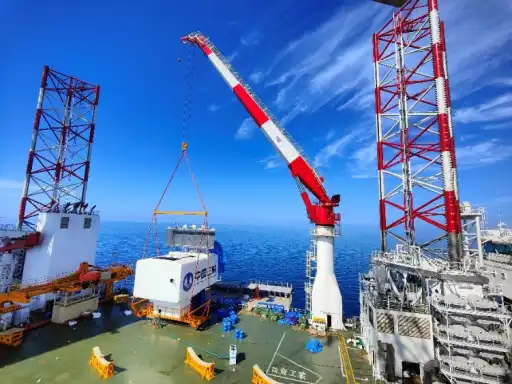
Understanding Fixed Boom Cranes in Offshore Applications
The maritime business needs things that can work perfectly in even the worst situations. Because of their built-in benefits and track record of dependability in rough marine settings, fixed boom marine cranes have become the best choice for remote jobs.
Fundamental Mechanics and Marine-Specific Features
The way that fixed boom lifting devices work is very simple, but very efficient. The stiff boom structure gets rid of the need for complicated telescopic extensions. Instead, it relies on exact luffing movements and strong lifting abilities. This easier way of doing things cuts down on possible breakdown places and makes the whole system more reliable.
Marine settings have their own problems that can't be solved with normal tools used on land. Fixed Boom Cranes made for use offshore are made with special materials and coverings that keep them from rusting and damage, which greatly increases their useful life. The changes to the structure include stronger mounting systems and features that make the structure more stable, designed especially for installs on the deck of a ship.
Essential Specifications for Offshore Performance
Key specs that have a direct effect on stability and operating capability have a big effect on how well offshore crane systems work. By changing the length of the boom, operators can tailor reach needs to different types of vessels and working needs. Load capacity rates make sure that pulling operations are safe, even when the sea is rough.
This is shown by the fact that TSC fixed boom crane types can handle loads ranging from modest to heavy-duty uses. The modular design method lets you make changes while keeping standard parts that make upkeep easier and cut down on delivery times.
Lattice Boom versus Monopile Configurations
Procurement experts can make better choices if they are aware of the distinctions between lattice boom and monopile Fixed Boom Cranes. Lattice boom designs have great strength-to-weight ratios and are better at blocking wind because their frameworks are open. Because of these qualities, they are perfect for open offshore sites that have to deal with a lot of wind loads.
Monopile fixed boom designs put an emphasis on keeping the structure simple and making upkeep easy. The solid boom design makes them very strong and makes inspections easier. This makes them good for situations where regular repair access may be limited.
Core Design Principles That Ensure Stability in Offshore Fixed Boom Cranes
Offshore lifting operations are stable because the design rules were carefully thought out to take into account the unique difficulties of marine settings. With these basic methods, success is guaranteed even in the toughest operational situations.
Structural Integrity and Material Selection
Superior material choice and structure design are the building blocks of stable offshore crane operation. The building of high-strength steel gives it the rigidity it needs to withstand dynamic loads while still being light enough for vessel installation. Modern metalworking techniques make sure that tools work the same way in a wide range of temperatures that are typical in offshore activities.
Coatings that don't rust and special surface treatments keep important parts safe from the harsh sea environment. These protective methods make tools last longer while keeping its structural stability over long periods of use. Investing in high-quality materials and surface treatments pays off by lowering the need for upkeep and making the product more reliable.
Environmental Force Resistance
Offshore crane systems have to be able to handle strong natural forces that would be too much for tools made for use on land. Dynamic wind loading makes stress patterns that are very complicated and need very complex engineering answers. Through strong structural construction and sophisticated load distribution principles, Fixed Boom Cranes handle these issues.
Offshore crane tasks are made more difficult by wave-driven vessel movements. Certain parts of the design help keep the functionality of the system even when the ship is moving a lot. Within practical limits, these engineering methods make sure that the lifting works the same way no matter what the sea conditions are like.
Advanced Safety and Monitoring Systems
Modern marine cranes have high-tech safety and tracking systems that make them more stable when they're in use. Load tracking tools give operators real-time information about how the lifting is going, which helps them decide what the working limits are. These methods keep the lifting ability from being overloaded while also making the best use of it.
Emergency stop features and fail-safe brake systems protect against operating hazards in more than one way. The backups that are built into these safety systems make sure that they work reliably even if some of their parts break. TSC's combined electricity control systems use this method by managing loads completely and incorporating safety alarms.
Operational Guidelines to Maintain Stable Lifting Offshore
Stability in ocean crane operations can only be achieved by strictly following tried-and-true methods. These rules make sure that the best performance and safety standards are met, which is important for overseas uses.
Pre-Operational Inspection and Environmental Monitoring
Full pre-lift checks are the basis for safe operation of ocean cranes. These thorough checks find possible problems before they become a threat to operating safety or performance. To make sure the whole system is ready, inspection procedures must cover structure parts, hydraulic systems, and electrical controls.
Monitoring the environment is a very important part of making working decisions. Measurements of wind speed, wave height, and weather forecasts help managers figure out the best times to be active. Strict adherence to environmental limits stops activities when conditions could put safety or the health of the equipment at risk.
Maintenance Protocols for Marine Environments
Because marine settings are so rough, they need strict care rules that go beyond what is normally done in industry. By checking for rust on a regular basis, problems can be found before they damage the structure. Maintaining protective coatings is the best way to keep them safe from saltwater and air rust.
When used in naval settings, hydraulic system upkeep needs extra care. If you don't fix the problem right away, salt pollution and wetness buildup can quickly make a system less effective. Scheduled inspections of fluids and parts keep things running reliably and avoid expensive breakdowns.
Compliance with International Standards
When using offshore cranes, operators must follow strict international safety rules for naval lifting equipment. API and DNV norms give complete guidelines for making, installing, and using equipment. Following these rules makes sure that equipment meets safety and performance standards that are known in the business.
Regular inspections and certifications by well-known classification groups prove that standards are still being followed. Major classification societies, such as CCS, DNV, ABS, BV, and LR, continue to certify TSC crane systems. This shows that they are committed to meeting international quality standards.
Comparing Fixed Boom Cranes with Other Crane Types for Offshore Use
It is important to know the pros and cons of each type of crane technology in order to choose the right moving tools for offshore jobs. This comparison helps people who work in buying make smart choices based on the needs of their unique operations.
Stability Advantages Over Alternative Technologies
Compared to flexible and mobile crane options, Fixed Boom Cranes offer better stable characteristics. The stiff boom structure doesn't have any bends that could cause unwanted movement while raising. This edge in steadiness is especially important when working offshore, where the movement of the ship makes it harder to lift precisely.
The simpler motor design cuts down on the number of places where something could go wrong, making the whole system more reliable. It is more likely for mobile and telescopic cranes to break down in harsh sea settings because their extension systems are more complicated and need more upkeep.
Load Capacity and Environmental Resilience
For offshore jobs, pulling big things is often needed that can't be done with mobile or telescopic tools. Because they are structurally strong and distribute loads well, fixed boom systems work well in high-capacity situations. They are perfect for installing wind turbines abroad and moving big equipment because they can hold a lot of weight while staying stable.
Another big benefit of fixed boom technology is that it is resistant to environmental damage. It can handle saltwater and extreme weather better than more complicated multi-stage designs because the motor design is simpler. This means that less upkeep is needed and the equipment will last longer in harsh marine settings.
Cost Efficiency and Total Ownership Considerations
A study of the total cost of ownership shows that Fixed Boom Cranes have big benefits when used abroad. Because manufacturing methods are simpler and parts are less complicated, the beginning costs of acquisition are lower. Because there are fewer moving parts and fewer repair needs, maintenance costs stay low over the life of the equipment.
Fixed boom technology is also better for many remote uses because it is more productive. Better project schedules and business effectiveness are helped by consistent availability and less downtime. The fact that TSC crane models are made to last for 25 years shows how valuable good fixed boom systems are in the long run.
Procurement Insights for Offshore Fixed Boom Cranes
When buying offshore crane equipment strategically, you need to think about a lot of things that will affect how well the equipment works in the long run. Knowing about these things can help you choose the best tools and get along well with your suppliers.
Manufacturer Evaluation and Support Capabilities
If you choose reliable makers with a history of working offshore, you can be sure that the tools you get is made especially for marine use. Established sellers offer full expert support and a wide range of extra parts, which helps keep operations running as smoothly as possible. A possible supplier's track record and level of certification can tell you a lot about how effective their solutions will be.
When working offshore, where access to tools may be limited, after-sales help is especially important. Manufacturers that offer remote testing and full field service help give businesses a lot of benefits. TSC's remote troubleshooting features are an example of the kind of help that makes foreign operations run more smoothly.
New Equipment versus Alternative Procurement Options
The choice between buying new equipment and other ways to get it relies on the needs of the job and the available budget. New equipment comes with the newest technology, the best guarantee support, and the longest possible service life. The fact that the equipment is certified and meets current standards is another benefit for buying new equipment.
There may be cheaper ways to do things in some situations, such as using approved used tools. But because of the special needs of offshore settings, it's often best to buy new tools to make sure it works well and lasts a long time. Offshore uses need new, fully guaranteed equipment because of the harsh working conditions and limited access for upkeep.
Customization and Integration Considerations
For offshore applications to work, they often need custom solutions that meet their special operating needs. One important thing that suppliers can do is change standard designs to fit different types of vessels or different operating needs. The TSC custom design method shows that it is flexible enough to meet the needs of a wide range of foreign applications.
Integrating new equipment with systems already on board takes careful planning between the companies that make the equipment and the people who run the ships. Full technical help during the planning, design, and installation stages makes sure the project is finished successfully. The flexible design method makes it easier to integrate while keeping standard parts that make long-term upkeep and getting parts easier.
Conclusion
As the most dependable option for safe ocean lifting operations, Fixed Boom Cranes have proven their worth. Because they are well-made, have simple mechanical systems, and can handle harsh environments better than other materials, they are the best choice for difficult marine uses. It is because of their strong structures, stable operations, and low cost that these crane systems are necessary for heavy-duty naval lifting, offshore wind installations, and FPSO operations. Investing in high-quality fixed boom technology from well-known companies guarantees long-term operating success and meets the strict safety and performance needs of modern offshore operations.
FAQ
1. What Makes Fixed Boom Cranes More Stable Than Other Crane Types in Offshore Conditions?
The rigid boom structure of Fixed Boom Cranes don't have the freedom and multiple articulation points that telescopic and knuckle boom options do because their booms are rigid. This structure's simplicity cuts down on unwanted movement during lifting operations and makes it more resistant to wind loading and motion caused by ships. The simpler design also cuts down on the number of places where something could go wrong and make the system less stable during important overseas activities.
2. How Do Environmental Factors Affect Fixed Boom Crane Performance Offshore?
Environmental factors, such as wind speed, wave height, and the movement of ships, have a direct effect on the safe and effective limits of a crane. Modern fixed boom systems use technologies for tracking the environment and managing loads that help workers keep operations safe and within set limits. Environmental impact assessments that are done correctly and strict adherence to working limits ensure constant performance even when conditions abroad are tough.
3. What Maintenance Requirements Are Specific to Offshore Fixed Boom Crane Operations?
Offshore crane maintenance focuses a lot on keeping them from rusting and protecting them from saltwater. Standard workplace repair practices don't include checking protection coatings, hydraulic systems, and structures on a regular basis. Because the sea environment is so rough, repair methods need to be proactive in order to find and fix possible problems before they affect operational capability or safety.
Partner with CM Energy for Superior Fixed Boom Cranes Solutions
CM Energy stands at the forefront of offshore crane technology through our TSC brand, delivering engineered solutions that meet the demanding requirements of marine operations. Our comprehensive range of Fixed Boom Cranes serves offshore oil platforms, marine wind power sites, and engineering service ships. With load capacities spanning moderate to heavy-duty applications and our modular design approach, we provide customized solutions that address specific operational challenges while maintaining the reliability essential for offshore success. As a leading Fixed Boom Cranes manufacturer with global manufacturing capabilities and extensive classification society certifications, CM Energy offers the technical know-how and support necessary for successful offshore projects. Contact our team at info.cn@cm-energy.com to discuss your offshore lifting requirements and discover how our proven crane solutions can enhance your operational capabilities.
References
1. International Association of Classification Societies. "Guidelines for Offshore Crane Design and Certification Standards." Maritime Safety Publication, 2023.
2. American Petroleum Institute. "API Specification 2C: Offshore Pedestal Mounted Cranes." Petroleum Industry Standards, 2022.
3. Det Norske Veritas. "Certification of Lifting Appliances for Offshore Applications." Marine Technology Review, 2023.
4. Society of Naval Architects and Marine Engineers. "Stability Considerations for Offshore Crane Operations." Offshore Engineering Journal, 2022.
5. Bureau Veritas Marine & Offshore. "Environmental Load Analysis for Fixed Boom Crane Systems." Technical Classification Report, 2023.
6. Lloyd's Register Group. "Comparative Analysis of Offshore Crane Technologies for Wind Farm Installation." Renewable Energy Maritime Applications, 2022.