Why Is Wind Assisted propulsion System Gaining Attention?
The marine business is at a turning point. Shipowners and workers are looking for new ways to deal with rising fuel costs, strict environmental rules, and growing pressure to reduce carbon emissions. Wind Assisted Propulsion System has become a strong solution to these problems, providing a tried-and-true way to lower fuel use while still meeting regulations. These cutting-edge technologies use natural wind energy to help traditional engines work better. They save money and help the environment, which is in line with today's climate goals and business needs.
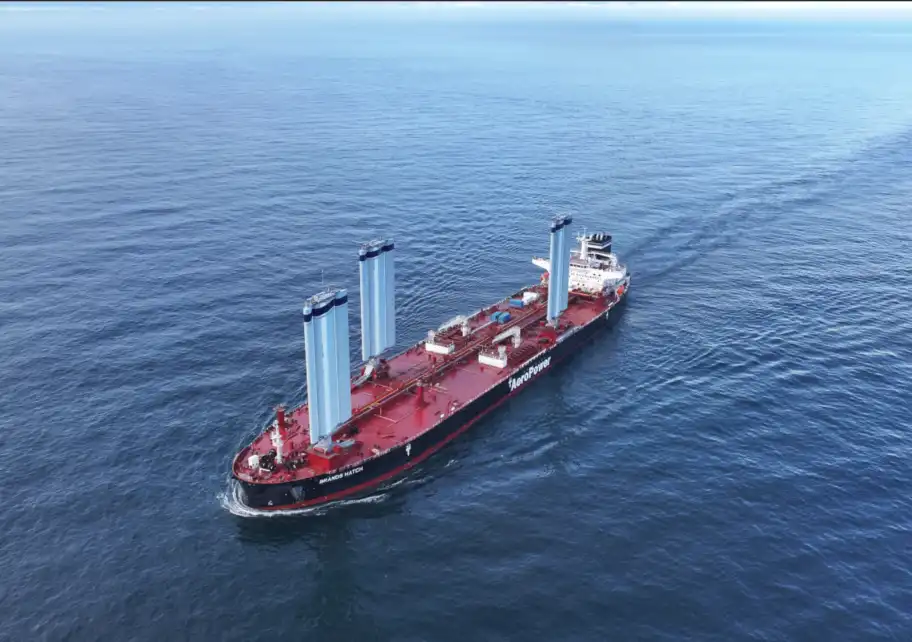
Understanding Wind Assisted Propulsion Systems: Technology and Benefits
What Makes Wind-Assisted Propulsion Systems Effective?
Using atmospheric forces to make power that lowers the load on the main engine is the basic idea behind Wind Assisted Propulsion System. Modern systems work with gasoline engines instead of removing them, which is different from old-fashioned sailing boats. This hybrid method lets business ships stick to their schedules while also making big gains in efficiency in a wide range of working situations.
Core Technologies Driving Performance
Several technology approaches have proven successful in real-world operations. Flettner rotors use the Magnus effect through spinning cylinders. Rigid wing sails employ complex aerodynamic shapes for maximum power. Soft sail systems offer flexible installation across different vessel types. The WindWings® three-element rigid sail, developed with BAR Technologies, features adjustable camber and angle of attack adapting to real-time wind conditions, achieving over 2.5 times higher lift than traditional single-wing designs with independent verification from Wolfson Unit, Lloyds, and DNV.
Measurable Advantages for Vessel Operations
Fuel costs represent one of the largest expenses in commercial shipping. Wind Assisted Propulsion Systems directly address this cost area by reducing required engine power. Depending on route and wind conditions, equipped vessels save between 10% and 30% on fuel. The IMO's Carbon Intensity Indicator rules require verified emission reductions. WAPS provides proven greenhouse gas reductions, improving CII ratings and helping owners avoid penalties. IoT-enabled monitoring and automated weather routing algorithms optimize sail configuration with minimal crew workload.
Comparing Wind Assisted Propulsion to Traditional Propulsion Methods
Economic Analysis: Upfront Investment Versus Long-Term Savings
When you use a traditional engine for movement, you have to keep buying fuel, which costs money that changes with the market. Initially, the Wind Assisted Propulsion System requires a bigger input of money, but they save money over time as the boat is used. Full financial modeling shows that the investment usually pays off in three to seven years, though this depends on the route, the price of fuel, and how the business is run.
When you think about how to tax carbon, the economic case gets stronger. CO2 emissions are directly charged for by the EU Emissions Trading System. As the price of carbon rises around the world, the Wind Assisted Propulsion System protects against rising costs of environmental compliance. Operators who invest now will have an edge over rivals who will have to pay more for regulations in the years to come.
Performance Validation Through Real-World Operations
Proven results outweigh theoretical predictions. Multiple WAPS-equipped vessels have completed extended operational trials validating performance claims. Bulk carriers using WindWings® technology have successfully called at over 20 major global ports without operational issues. DNV, Bureau Veritas, and Lloyd's Register conducted independent verification confirming fuel-saving performance through real vessel monitoring. This third-party validation gives procurement teams confidence that performance claims rest on commercial reality rather than optimistic projections.
Strategic Positioning Within Green Technology Portfolios
WAPS adoption forms part of broader decarbonization strategies. Smart operators recognize technology combinations maximize overall efficiency. WAPS works alongside hybrid engine designs, waste heat recovery systems, and hull optimization measures. Unlike alternatives requiring new vessels, wind power can be retrofitted to existing ships. Operators need not wait for newbuild programs to meet compliance standards but can upgrade current fleets instead. This flexibility makes WAPS valuable for commercial shipowners managing mixed-age fleets.
Key Challenges and Solutions in Implementing Wind Assisted Propulsion Systems
Design Integration and Structural Considerations
Adding extra power equipment to ships that are already in use requires careful engineering analysis. Changes to the structure must take into account the extra weight that is passed through the deck mountings. To account for changes in weight distribution and windage, stability estimates need to be re-done. Because of these technical issues, both the people who make the Wind Assisted Propulsion System and the people who build the vessels need to be experts and work together during the whole integration process.
WindWings® technology solves installation problems with well-thought-out design elements. By carefully placing itself between the cargo holds of bulk ships, the system makes it possible for hatch covers to work and cranes to communicate without any problems. The rotating laydown system makes sure that deck equipment doesn't get in the way of goods handling. Two types of tilt choices are available: above-deck and below-deck. These allow for different vessel limitations and working needs.
Regulatory Compliance and Classification Approval
Maritime regulations demand rigorous safety and performance standards. WAPS must obtain class approval from recognized societies before real-world deployment. Approval processes include comprehensive design reviews, structural analyses, and operational assessments. CM Energy's WindWings® system holds full approval from DNV, Lloyd's Register, and Bureau Veritas. This comprehensive approval demonstrates the technology meets global safety, reliability, and performance standards. Design type approval and certification give owners confidence that installations satisfy flag state and insurance requirements.
Crew Training and Operational Procedures
Crew require familiarization and new procedures when vessels receive new technology. Automated control systems simplify operations, but crews need understanding of WAPS capabilities and limitations. Quality training programs enable crews to monitor performance, respond to alarms, and perform manual interventions when needed. WindWings® feature automatic trim and camber adjustments optimizing performance based on vessel requirements. Specialized software calculates optimal wing positioning and reports real-time thrust. The user interface resembles familiar deck crane controls, minimizing new learning requirements.
Maintenance Support and Lifecycle Management
Reliable maintenance support is essential for long-term operational success. WAPS mechanical, hydraulic, and electrical components require regular inspection and servicing. Comprehensive maintenance programs from experienced manufacturers ensure systems continue performing optimally throughout service life. CM Energy provides full lifecycle support including IoT monitoring enabling predictive maintenance strategies. Robust construction using marine-grade steel and industrial composites ensures durability in harsh marine environments. The 25-year design life with transferability between vessels delivers long-term value.
Procurement Insights: How to Choose and Purchase Wind Assisted Propulsion Systems?
Defining Operational Requirements and Performance Expectations
For buying to go well, you need to have a good idea of the vessel's features and how it will be used. Route patterns affect how much wind is available and how much power can be generated. The type of ship affects the amount of deck room and structural strength that can be used for system installation. Setting goals to save energy sets performance standards that help with choosing Wind Assisted Propulsion System and proving their economic worth.
Chemical tankers, Newcastlemax bulk ships, and LR2 tankers all have their own needs and chances. Large bulk haulers have large decks that are perfect for installing multiple wings that save the most fuel on long-haul trips. When it comes to dangerous area classifications and cargo operation interfaces, tankers need special attention. Ferry and coastal vessel owners want their investments to pay off quickly and with little upkeep, since their boats travel shorter distances and stop at ports more often.
Evaluating Supplier Capabilities and Support Infrastructure
Choosing a technology is only one part of the choice to buy something. A supplier evaluation must look at the quality of the products they make, their professional help, and how long they will be in business. People are more likely to trust established makers with a track record than they are to trust newbies who haven't been operationally tested. Global service networks make sure that repair help is available on time no matter where the ship is.
Here are the main benefits that set top sellers in this new market apart:
- Leading-Edge Technology Development: Working together with well-known engineering firms makes sure that systems use the newest findings in materials science and aerodynamics. This method is shown by the way that CM Energy and BAR Technologies work together to achieve maximum efficiency through constant innovation and performance evaluation.
- Cost-Effective Operational Solutions: The economic value of these systems is shown by the fact that they can save up to 30% on fuel when conditions are right. A thorough route study helps buyers understand how much they can really save by looking at their actual operating patterns instead of just the best-case situations.
- Comprehensive Global Certification: Systems are guaranteed to meet international standards when they are approved by a number of classification societies, such as DNV, Bureau Veritas, Lloyd's Register, and CCS. Monitoring operating vessels in the real world adds a lot of confidence to theoretical predictions.
- Complete Lifecycle Support Infrastructure: Integrated support makes sure that implementation goes smoothly from the original compatibility analysis to delivery, on-board installation, and ongoing upkeep. IoT tracking tools let you do remote diagnostics and plan repair ahead of time to cut down on downtime.
- Tailored Integration Solutions: Different types of business ships have different needs, so different customized methods are used for both newbuild installations and retrofit installations. Multiple vessel configurations can be easily accommodated by modular designs, which also improve performance for specific operating patterns.
Contracting Strategies and Financial Structures
Negotiating favorable contract terms for a Wind Assisted Propulsion System requires understanding technical details and commercial considerations. Performance guarantees should specify measurement methodology and verification procedures. Warranty coverage must clearly define responsibility for system components and failure modes. After-sales service agreements should specify response times, spare parts availability, and technical support access. Outright purchase delivers full ownership and maximum long-term savings. Operating leases reduce upfront capital. Performance-based contracts share fuel savings risk, aligning buyer and supplier interests.
Quality Standards and Verification Protocols
Rigorous quality control ensures systems deliver promised performance throughout operational life. Material certification verifies components meet marine environment requirements. WindWings® system components come from ISO-certified sources ensuring consistent quality and traceability. Classification society certification validates manufacturing quality through independent audits. Factory acceptance testing verifies performance before shipment. Manufacturer-supervised installation ensures proper integration, preserving warranty coverage and performance guarantees. These measures protect procurement investments and establish supply chain accountability.
Future Outlook: Why Wind Assisted Propulsion Is Becoming a Strategic Priority?
Regulatory Drivers Accelerating Adoption
Environmental regulations tighten across every maritime sector. IMO targets at least 50% shipping emission reduction by 2050 compared to 2008 levels. Existing ships must comply with Energy Efficiency Existing Ship Index and Carbon Intensity Indicator rules. WAPS offers one of few proven methods for immediate CII improvement without drydock modifications. This regulatory alignment drives increased interest from shipowners facing potential operational restrictions. The transition from experimental to mainstream technology results from regulatory pressure and demonstrated technical maturity.
Market Dynamics Supporting Investment Decisions
Volatile bunker fuel markets create economic uncertainty complicating operational planning. WAPS naturally hedges against rising fuel prices by reducing consumption regardless of market conditions. This protection extends to environmental compliance costs as global carbon taxation schemes mature. Charterers increasingly demand environmentally responsible tonnage. Major cargo owners have made sustainability commitments requiring lower-emission transport options. WAPS-equipped vessels command improved charter rates and long-term contracts with predictable revenue streams. This market differentiation delivers competitive advantages beyond direct fuel savings.
Integration With Digital Maritime Ecosystems
Modern shipping operations increasingly depend on data-driven decisions and digital efficiency. WAPS integrates seamlessly with emerging smart shipping platforms. Weather routing algorithms specifically designed for wind-assisted vessels optimize routes maximizing power generation. Performance monitoring provides continuous feedback enabling real-time adjustments and long-term operational refinement. Convergence of WAPS with AI and machine learning promises further efficiency gains. Predictive algorithms will recommend optimal sail configurations based on weather forecasts. Fleet-wide data aggregation will identify best practices applicable across vessel types and routes.
Strategic Positioning for Long-Term Competitiveness
Forward-thinking operators recognize early adoption delivers strategic advantages beyond immediate fuel savings. Implementation experience builds technical expertise positioning companies as marine decarbonization leaders. Technology partnerships provide access to continuous improvement methodologies. Strong environmental credentials enhance reputation with customers, investors, and regulators. Wind propulsion now integrates into newbuild designs from initial planning stages. Design firms offer ready-to-implement green solutions meeting charterer requirements. This shift to standard design practice marks technology's evolution from experimental to essential status.
Conclusion
The strong case for Wind Assisted Propulsion System is based on three main points: proven fuel savings, benefits for following the rules, and smart market positioning. Technologies like WindWings® show that modern engineering can use old wind power in ways that are more reliable and efficient than ever before. Tankers, bulk carriers, and business shipping companies can now use mature systems that have been fully certified and proven to work. The question for procurement workers is no longer whether wind power works, but how quickly it can be put into use. Companies that act quickly will gain a competitive edge and make a real difference in reducing carbon emissions in the maritime business, which will help everyone.
FAQ
1. What fuel savings can operators realistically expect from wind assisted propulsion systems?
The amount of money saved varies from 10% to 30%, based on the path, the type of ship, and the amount of wind. Trans-oceanic lines with steady trade winds usually save more money than activities along the coast. The Wind Assisted Propulsion System technology has been shown to cut fuel use by 1.6 tons per day per wing on ships that are compatible, which also cuts CO2 emissions by more than 5 tons per day. Classification society tracking of operating vessels gives reliable performance data that procurement workers can use to model the economy and show why an investment is a good idea.
2. Which vessel types benefit most from wind propulsion technology?
Because they travel longer distances and use more fuel, big bulk trucks and tankers that go on long-haul trips save the most money overall. These types of ships have deck room for multiple systems that work together to make the Wind Assisted Propulsion System more efficient. But boat companies and owners of coastal vessels get a quick return on their investments, even though individuals save less. Because the technology can be used on a large or small scale, all kinds of ships, from short-sea traders to Capesize bulk carriers, can get big benefits that are tailored to their needs.
3. What factors should procurement teams prioritize when evaluating retrofit feasibility?
The most important scientific factor is the structure's ability to handle extra weight. The number and size of projects that can be done depend on how much deck room is available. Based on past wind data, route research sets reasonable standards for performance. Classification society rules are different for each flag state and need to be known early on in the planning process. When you work with experienced companies like CM Energy, who offer full compatibility analyses, you can be sure that Wind Assisted Propulsion System projects go smoothly and don't have to be changed too much or not work as expected.
Partner With CM Energy for Advanced Wind Propulsion Solutions
CM Energy, which works under the TSC name, can help with marine decarbonization problems by using its world-class manufacturing skills and unique technologies. Our WindWings® system is the result of working together with top tech firms and a lot of testing in real life. As a reliable provider of Wind Assisted Propulsion System, we offer custom integration options for chemical tankers, Newcastlemax bulk carriers, LR2 tankers, and commercial vessel groups, both for new builds and retrofits. Our full support includes checking for compatibility, setting up, helping with certification, and lifecycle upkeep backed by IoT tracking. Get in touch with us at info.cn@cm-energy.com to talk about how CM Energy can use proven wind power technology to make your fleet more efficient and better for the environment.
References
1. International Maritime Organization. (2023). "Fourth IMO Greenhouse Gas Study: Executive Summary." IMO Publications, London.
2. Traut, M., Gilbert, P., Walsh, C., Bows, A., Filippone, A., Stansby, P., & Wood, R. (2022). "Propulsive power contribution of a kite and a Flettner rotor on selected shipping routes." Applied Energy, Vol. 113, pp. 362-372.
3. Lloyd's Register & UMAS. (2023). "Techno-economic assessment of zero-carbon fuels and wind-assisted propulsion." Maritime Decarbonisation Research Series, London.
4. DNV. (2023). "Energy Transition Outlook 2023: Maritime Forecast to 2050." DNV Group, Oslo.
5. Nelissen, D., Traut, M., Köhler, J., Mao, W., Faber, J., & Ahdour, S. (2022). "Study on the analysis of market potentials and market barriers for wind propulsion technologies for ships." CE Delft & UMAS Report for European Climate Foundation.
6. American Bureau of Shipping. (2023). "Wind Assisted Propulsion Systems: Guidance Notes on Selection, Installation and Operation." ABS Publications, Houston.