What Are the Key Steps for Safe Ammonia Bunkering with an AFSS?
Safe ammonia bunkering needs a planned process that includes a risk assessment before the transfer, controlled fuel transfer using certified Ammonia Fuel System parts, ongoing tracking with leak detection technology, and proof after the operation. During the bunkering process, the Ammonia Fuel System manages the acidic and poisonous properties of anhydrous ammonia by providing the necessary infrastructure such as fuel valve units, vent management, filling and storage systems, and integrated safety interlocks. By following the IGF Code and using trained staff who follow standard processes, every bunkering event keeps leaks to a minimum and meets practical efficiency goals for all types of ships, from VLACs to offshore support vessels.
Introduction
There is growing pressure on the marine and industry sectors to get rid of carbon emissions. Ammonia has become one of the best candidates for a zero-carbon fuel. The International Maritime Organization (IMO) wants to cut greenhouse gas pollution by half by 2050. To help them reach their goal, ammonia bunkering infrastructure is quickly growing in major ports around the world and in the United States. Ammonia Fuel System are a revolutionary technology that lets ships, from oil trucks to green hydrogen production boats, work without adding to the carbon dioxide in the air.
But since alkali is harmful and acidic, strict security rules must be followed afterward. Not at all like most marine fills, smelling salts need to be taken care of by prepared experts who know how to dodge the perils it poses. When acquiring, supervisors see alkali fuel choices, they require providing more weight to suppliers who can demonstrate they have a total security design and follow all the rules. The switch to smelling salts bunkering isn't a fair alteration in fuel; it's a huge alteration in the marine vitality foundation that needs cautious planning, investing cash on specialized frameworks, and a commitment to working efficiency.
Understanding Safe Ammonia Bunkering with AFSS
Safe smelling salts bunkering includes carefully moving anhydrous smelling salts from land-based offices or bunkering ships to ships that are holding up for it utilizing extraordinary frameworks that are made for that reason. These frameworks keep the fuel contained all the way from the point of passage to the holding tanks and at that point to the motor infusion system.
Core Components of Ammonia Fuel Supply Systems
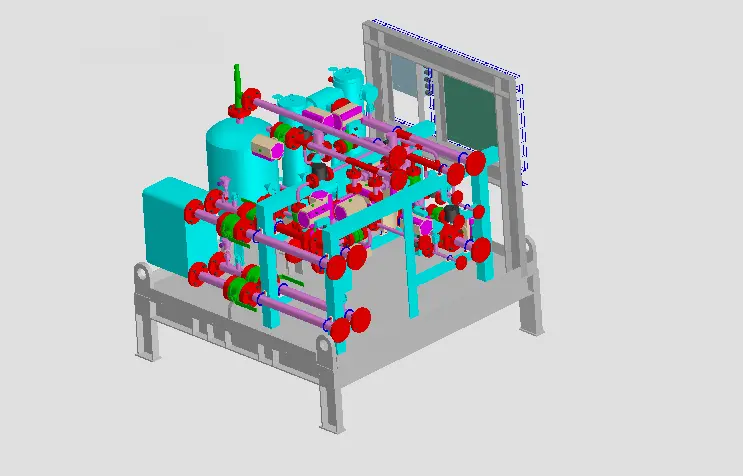
An Ammonia Fuel System includes storage tanks, fuel conditioning units, vent treatment frameworks, and different security gadgets that work together to guarantee secure fuel storage and utilize. Capacity frameworks as a rule utilize Sort C weight vessels or cooled tanks, whereas fuel supply units direct temperature and weight for motor compatibility. Vent frameworks recuperate alkali vapor and avoid emanations. Security capacities incorporate programmed shutdowns, double-walled channeling, gas checking, and idle gas cleansing amid upkeep and operational procedures.
Material Compatibility and Chemical Considerations
The Ammonia Fuel System requires materials that stand up to erosion and chemical harm caused by alkali introduction. Copper, brass, and zinc amalgams cannot be utilized since smelling salts quickly erode them. Austenitic stainless steel and low-temperature carbon steel give superior resistance and long-term strength. Originators must moreover anticipate smelling salts push erosion caused by combined chemical introduction and mechanical stretch. Understanding these fabric impediments makes a difference obtainment groups assess support requirements, operational unwavering quality, and long-term lifecycle costs.
Regulatory Framework Governing Ammonia Bunkering
The Ammonia Fuel System must comply with the IGF Code, which characterizes worldwide security necessities for ships utilizing low-flashpoint powers. Classification social orders such as ABS, DNV, and Lloyd’s Enroll give extra specialized direction and endorsement methods. Compliance incorporates chance evaluations, hardware certification, and operational confirmation testing. Acquirement supervisors ought to affirm that providers keep up substantial certifications and effectively take an interest in industry measures improvement to guarantee their frameworks stay compliant with future smelling salts fuel directions and operational requirements.
Key Steps for Ensuring Safety During Ammonia Bunkering
To set up a full security arrange, you require to go through four imperative steps that, when put together, lower the hazard of the entire bunkering operation. There are particular checkpoints and confirmation steps in each portion that include more layers of defense against conceivable dangers.
Pre-Bunkering Preparation and Risk Assessment
Before ammonia transfer begins, operators perform detailed risk assessments covering weather conditions, equipment status, and personnel readiness. The Ammonia Fuel System undergoes leak testing, emergency shutdown verification, and ventilation checks before operation. Crew members receive training on emergency response procedures and communication protocols between vessels and terminals. Proper preparation ensures all personnel understand their responsibilities and allows potential hazards to be identified early, transforming bunkering into a carefully controlled safety-focused operation rather than a routine fuel transfer.
Controlled Transfer Operations
Safe fuel transfer depends on precise control of pressure, temperature, and flow rates throughout the Ammonia Fuel System. Administrators persistently screen sensors, gauges, and stream meters to keep up steady exchange conditions and avoid solidifying or vapor arrangement. Fuel exchange rates are steadily expanded to distinguish association issues some time recently full operation starts. Mechanized control frameworks offer assistance alter working parameters rapidly beneath changing conditions. Since exchange operations display the most noteworthy operational hazard, steady supervision and fast framework reaction are fundamental for keeping up secure bunkering conditions.
Continuous Monitoring and Leak Detection
Advanced leak detection systems are critical for safe Ammonia Fuel System operations amid bunkering. Gas sensors persistently screen encompassing discuss and trigger cautions at exceptionally low alkali concentrations before unsafe introduction levels happen. Double-walled channeling frameworks offer assistance identify and contain inside spills rapidly. Farther checking frameworks permit land-based bosses to monitor operations in real-time and give extra oversight. Information logging frameworks record operational parameters and alert occasions, making a difference administrators recognize creating issues some time recently they ended up genuine security incidents or natural hazards.
Post-Bunkering Verification and System Securing
After fuel transfer ends, operators secure the Ammonia Fuel System through point-by-point post-bunkering strategies. Exchange lines are cleansed with idle gasses such as nitrogen to evacuate leftover alkali vapor some time recently detachment. Confinement valves and association focuses are checked for spills to affirm secure fixing execution. Vapor recuperation frameworks capture discharged gases and avoid air emanations. Last reviews record gear condition, distinguish wear or harm, and give operational records that bolster upkeep arranging and future enhancements to bunkering security procedures.
Integrating AFSS Technology with Safety Measures
Modern technology has greatly improved the safety of ammonia bunkering by adding automatic and predictive features that are better than the old ways of tracking by hand. These days, Ammonia Fuel System have advanced control systems that can handle dangerous situations faster and more effectively than human workers can.
Automated Safety Interlocks and Emergency Shutdown Systems
Modern Ammonia Fuel System designs use automated safety interlocks and emergency shutdown systems to protect operations during abnormal conditions. Sensors continuously monitor pressure, temperature, and ammonia vapor levels against pre-set safety limits. When unsafe conditions appear, automated controls isolate fuel flow, close valves, and activate containment systems within milliseconds. These systems eliminate delays caused by manual response and provide multiple layers of protection. Redundant sensors and advanced safety logic help prevent failures that could compromise ammonia bunkering safety performance.
Remote Monitoring and Predictive Risk Management
Digital monitoring technologies allow the Ammonia Fuel System to support predictive safety management rather than reactive maintenance. Real-time operational data can be analyzed remotely to identify unusual trends or early signs of equipment failure. Predictive analytics systems use historical operating data to forecast maintenance needs before breakdowns occur. Procurement managers should prioritize suppliers offering integrated digital monitoring capabilities because connected systems improve long-term reliability, reduce operational risk, and support more effective maintenance planning across ammonia bunkering operations.
Comparative Safety Profiles: Ammonia, Hydrogen, and Conventional Fuels
Compared with hydrogen and traditional fuels, the Ammonia Fuel System offers unique safety advantages and challenges. Ammonia has higher volumetric energy density than hydrogen, reducing storage space requirements and simplifying containment systems. Unlike hydrocarbon fuels, ammonia presents lower fire and explosion risks, although toxicity remains a major concern. Properly designed containment, ventilation, and leak management systems effectively reduce exposure risks. Overall safety depends more on engineering quality and operational design than on the fuel itself, emphasizing the importance of reliable suppliers.
Challenges and Solutions in Implementing Safe Ammonia Bunkering
Even though ammonia has strong environmental benefits, problems with implementation have kept it from being widely used. To get around these problems, technology providers, vessel owners, and regulatory officials need to work together.
Addressing Ammonia's Corrosive Nature and Toxicity
The corrosive and toxic nature of ammonia creates unique engineering challenges for every Ammonia Fuel System. Long-term reliability requires corrosion-resistant materials, protective coatings, and stress-resistant component designs that prevent cracking. Effective toxicity management also involves ventilation systems, facility layouts, and emergency response planning. Leading suppliers provide integrated solutions that combine equipment, engineering, and operational procedures to ensure safe performance. Procurement teams should evaluate suppliers based on their materials expertise and ability to manage both corrosion and toxic exposure risks.
Infrastructure Retrofit Complexities for Existing Fleets
Retrofitting existing vessels with an Ammonia Fuel System involves major engineering and operational challenges. Limited onboard space can restrict the installation of new tanks and fuel handling systems, while structural modifications must maintain vessel stability and classification compliance. Integrating new fuel systems with existing power systems also requires careful interface engineering. Experienced suppliers support retrofit projects through vessel surveys, custom engineering designs, and installation planning that minimizes operational disruption and improves project feasibility for shipowners and operators.
Supply Chain and Bunkering Infrastructure Development
Global ammonia bunkering infrastructure remains less developed than conventional fuel networks, creating operational challenges for early adopters of the Ammonia Fuel System. Port availability for ammonia refueling is still limited, requiring careful route planning for vessels operating internationally. Industry collaboration is essential for expanding bunkering infrastructure and building operational confidence. Suppliers involved in pilot projects and zero-carbon initiatives help accelerate technical standard development and industry acceptance, supporting the long-term growth of ammonia fuel ecosystems and future marine fuel accessibility.
Best Practices and Recommendations for B2B Procurement of AFSS
To choose the best Ammonia Fuel System supplier, you need to look at more than just the cost of the original tools. A full procurement plan looks at the value over the whole lifecycle, the ability to provide expert help, and how well it fits with new regulatory standards.
Evaluating Supplier Credentials and Experience
Selecting the right Ammonia Fuel System supplier requires evaluating practical experience, engineering capability, and project history. Procurement teams should review completed installations, vessel-specific expertise, and customer references to assess technical performance and support quality. Suppliers experienced in clean fuel systems, ammonia carriers, and retrofit projects are better prepared to solve operational challenges. Certifications, engineering standards, and proven project delivery records demonstrate a supplier’s ability to provide reliable solutions supported by real-world application knowledge rather than theoretical design concepts alone.
Analyzing Total Cost of Ownership and Environmental Benefits
The long-term cost of an Ammonia Fuel System includes maintenance expenses, energy consumption, operational downtime, and environmental compliance benefits in addition to purchase price. High-quality systems with durable materials reduce repair needs and improve reliability over time. Efficient fuel conditioning systems lower operational energy demand and support vessel performance. Environmental advantages may also include reduced emissions costs, improved sustainability ratings, and better access to environmentally regulated ports. Lifecycle cost analysis helps procurement teams compare suppliers more accurately and make informed investment decisions.
Ensuring Regulatory Compliance and Certification
Every Ammonia Fuel System must comply with international regulations, classification society requirements, and flag state rules governing marine fuel systems. Suppliers should maintain updated certifications, approved equipment designs, and strong quality control processes that ensure production consistency. Certification programs involve testing, documentation, and ongoing inspections to confirm compliance with approved standards. Procurement managers should prioritize suppliers with complete lifecycle support capabilities, including engineering, installation, certification management, and post-delivery service to ensure long-term regulatory compliance and operational reliability.
Conclusion
For safe ammonia bunkering, equipment design, operating processes, and the safety culture of the company must all be carefully thought out. Complete preparations before bunkering, controlled transfer operations, constant tracking, and careful proof after the operation are the most important steps. Together, they form overlapping safety barriers that keep people and property safe. Modern ammonia fuel supply systems use advanced automation, remote tracking, and predictive analytics to make them safer than older systems that were run by hand. Professionals in procurement have to look at suppliers as a whole, taking into account more than just the price of their tools. They also have to look at their technical knowledge, project experience, lifecycle support skills, and legal compliance. The switch to ammonia fuel is a long-term investment in the environment and the ability to keep running. To make this happen, you need to find partners who are dedicated to providing excellent system service and help in all areas.
FAQ
1. How long does a typical ammonia bunkering operation take?
The amount of time needed for bunkering depends on the transfer volume, the flow rate, and how the system is set up on each craft. While smaller ships with less storage space might be able to finish bunkering in two to three hours, big carriers that need a lot of fuel could make the process take six hours or longer. Pre-connection preparation and post-transfer security processes take more time than just moving the fuel. Usually, they add an hour to the total length of the operation.
2. What certifications should AFSS suppliers possess?
Suppliers with a good reputation keep certificates from well-known classification groups like ABS, DNV, or Lloyd's Register. These show that their designs meet international safety standards. ISO 9001 quality management certification means that the production process is organized in a way that ensures regular product quality. Suppliers should also show proof that they follow the rules set by the IGF Code and take part in industry groups that create standards for ammonia fuel.
3. Can existing vessels be retrofitted with ammonia fuel capability?
It is certainly possible to make changes to current ships, but it requires a lot of engineering work and money. It's not easy to figure out how to allocate space for fuel storage, connect new and current power systems, and change the structure to make room for more equipment. For retrofit projects to go well, the providers need to have a lot of knowledge and know both what the ammonia system needs and what the vessel's limitations are. Early involvement with partners who know what they're doing lets you do a realistic review of possibility and accurate project scoping.
Partner with Leading Ammonia Fuel System Suppliers for Reliable Bunkering Solutions
The Ammonia Fuel System solutions that CM Energy (TSC) offers are backed by their proven marine technical knowledge and dedication to safety excellence. Our custom-made ammonia fuel supply systems have advanced fuel valve units, combined vent management, filling and storage subsystems, and high-tech safety equipment that meets strict international standards. We have successfully delivered 19 ship sets of clean fuel supply systems and are actively involved in zero-carbon laboratory projects. This gives procurement managers the trust that comes from choosing a reputable and experienced Ammonia Fuel System maker. Our full lifecycle support, which includes planning, manufacturing, installation, and ongoing service, makes sure that the switch to ammonia fuel goes quickly and safely. Contact our engineering team at info.cn@cm-energy.com to talk about your unique vessel needs and find out how TSC's cutting-edge Ammonia Fuel Supply Systems can help you reach your decarbonization goals without sacrificing operating safety.
References
1. International Maritime Organization. "IGF Code: International Code of Safety for Ships Using Gases or Other Low-Flashpoint Fuels." IMO Publishing, 2023.
2. American Bureau of Shipping. "Guide for Vessels Intended to Carry Ammonia as Marine Fuel." ABS Technical Publications, 2024.
3. Lloyd's Register and University Maritime Advisory Services. "Ammonia as Marine Fuel: Safety Handbook for Bunkering Operations." Maritime Safety Research Institute, 2023.
4. Society of International Gas Tanker and Terminal Operators. "Ammonia Bunkering: Safety and Operational Guidelines." SIGTTO Technical Report, 2024.
5. DNV Maritime. "Alternative Fuels Insight: Ammonia Fuel System Design and Implementation." DNV Technical Advisory, 2023.
6. International Association of Ports and Harbors. "Port Infrastructure Requirements for Ammonia Bunkering Operations." IAPH Environmental Guidelines, 2024.