A Buyer's Guide to Industrial Centrifugal Pumps
Choosing the right industrial centrifugal pumps for heavy-duty operations requires understanding your specific application requirements and pump performance characteristics. These robust machines handle everything from abrasive drilling mud to corrosive fluids across offshore platforms, mining operations, and geothermal installations. Success depends on matching pump specifications to your operational demands, evaluating construction materials, and partnering with experienced manufacturers who provide comprehensive support throughout the equipment lifecycle.
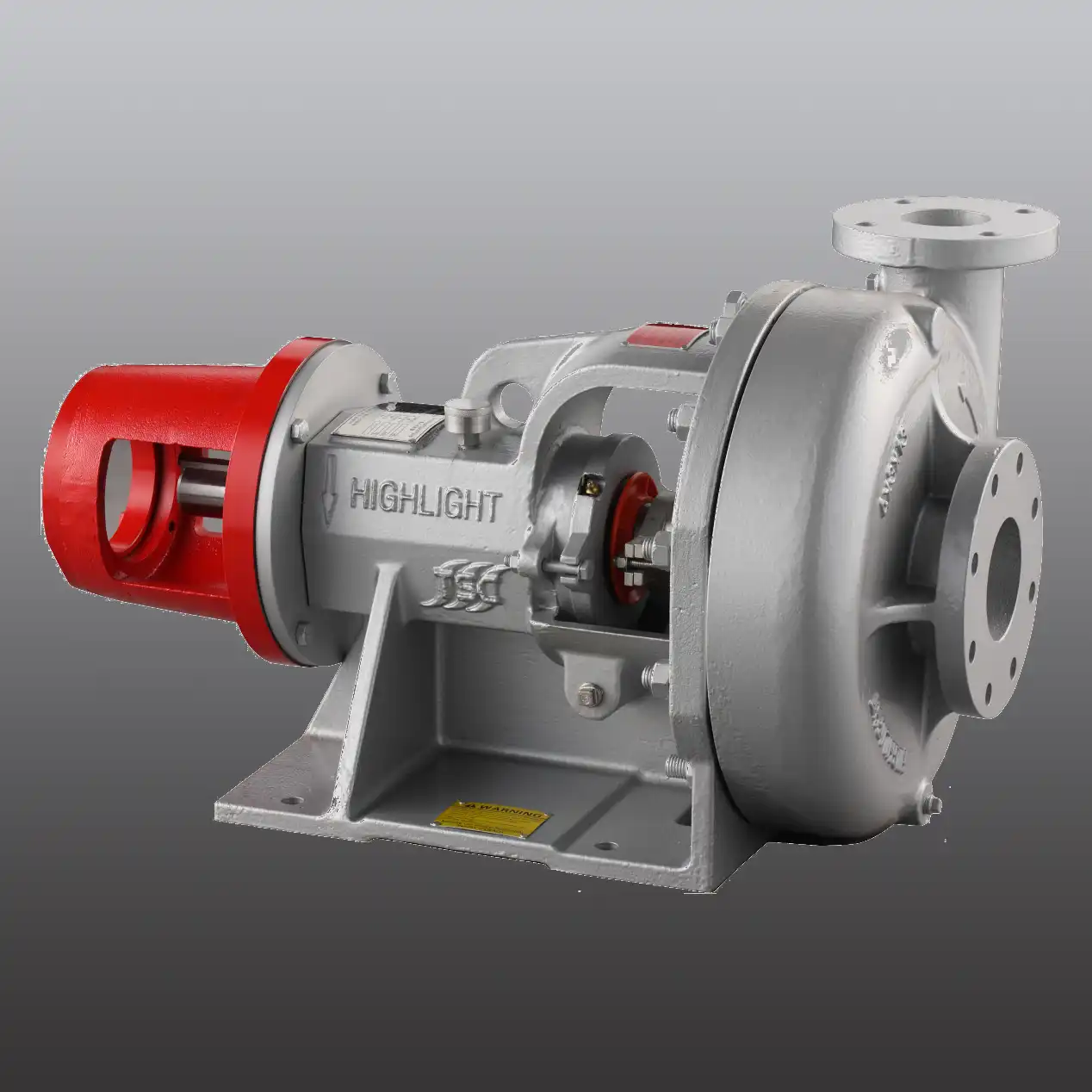
Understanding Industrial Centrifugal Pump Fundamentals
The basic but effective idea behind industrial centrifugal pumps is that they convert rotational energy into fluid movement. The impeller, which rotates quickly to propel liquid outward from its center by centrifugal force, is at the heart of this operation. The fluid enters the volute casing, a specifically designed chamber that progressively slows the flow down, as it increases in speed. The force required to drive liquids through pipelines and over long distances in demanding industrial situations is created by this deceleration, which transforms the fluid's kinetic energy into pressure energy.
Any centrifugal pump's ability to balance head pressure and flow rate determines how effective it is. Pump operators need to be aware of the inverse connection between these two elements in order to choose the right equipment. This connection is clearly mapped by performance curves, which highlight the sweet spot where pumps operate most effectively without wasting energy. Furthermore, a pump's ability to handle various fluid types—whether that involves processing corrosive chemicals that need specific materials or handling thick, abrasive slurries that would wear out regular components—is greatly influenced by the physical design of the impeller.
The centrifugal pumps of today are the result of decades of fluid dynamics engineering improvement. Specialized impeller configurations have been created by designers to solve certain industrial problems. For example, wide vane impellers push bigger volumes with less turbulence and enhance flow characteristics. Open impeller designs, on the other hand, lessen axial thrust loads that would otherwise put stress on bearings and diminish the lifespan of equipment. These well-considered engineering decisions result in pumps that operate more dependably, need less regular maintenance, and continue to function well even under the most demanding industrial circumstances.
Application-Specific Requirements Across Industries
Extreme operating circumstances need highly specialized pumping systems for offshore drilling sites. Centrifugal pumps on jack-up rigs and semi-submersible vessels must dependable support a variety of vital operations, such as fire suppression systems, ballast water management, and drilling mud circulation. Complexity is increased by the hostile maritime environment, which calls design equipment that can withstand corrosion and fit into limited spaces without sacrificing functionality.
Managing high-volume slurry transfer and fracturing fluid circulation provide a distinct set of difficulties for land-based shale gas operations. Pumps used in these environments are designed for heavy-duty, continuous operation with a focus on longevity and low maintenance. Maintaining operational productivity over time depends on their capacity to effectively manage abrasive particles.
Equipment used in geothermal drilling and maintenance must withstand very high temperatures as well as highly corrosive fluids that may rapidly break down common parts. To provide dependable operation in such harsh settings, specialized materials and sophisticated shaft seal designs are essential for centrifugal pumps. In a similar vein, pumps used in mining core sampling must be able to precisely regulate flow in addition to withstanding abrasive wear in order to provide reliable data collecting.
Containment and safety are of utmost importance in environmental cleanup initiatives that often require handling polluted fluids. These applications employ centrifugal pumps, which are designed with characteristics that keep them reliable while preventing cross-contamination. Compact pump systems designed to work well on job sites with limited space are advantageous for horizontal directional drilling.
Critical Design Features and Construction Materials
The industry standard for all industrial centrifugal pump applications is still heavy-duty construction. Strong shaft designs with stainless steel sleeves are given top priority by engineers because they protect against normal wear and endure the continuous mechanical pressures of 24-hour operation. Double row outboard bearings combined with inboard roller bearings maintain smooth rotation and greatly increase the pump's service life, which further supports dependability by lowering the frequency of repairs.
The selection of materials is equally important as it has a direct impact on a pump's lifespan and performance in certain conditions. Hard iron structure provides exceptional durability at a reasonable cost for the majority of routine tasks. High chrome materials, on the other hand, provide improved resistance to abrasive wear when the going gets tough, such as in slurries or fluids that are heavy with sand. In the meanwhile, stainless steel and aluminum bronze choices provide the required defense against chemical assault in more corrosive environments, such as chemical or marine applications.
Single-piece casing designs are a considerate structural element that facilitates maintenance crews' work. These casings increase structural integrity and lower the likelihood of unanticipated failures by removing possible leak spots. Additionally, replaceable shaft sleeves are a clever feature for safeguarding your investment since they absorb the majority of wear, allowing you to replace only the sleeve rather than the complete shaft and lowering maintenance expenses.
Sealing technology completes the design considerations by providing options to suit various operating requirements. For situations where containment is crucial, mechanical seals provide almost negligible leakage, while packed arrangements offer the flexibility required in systems that need regular access for modifications. Every pump may be customized to meet its particular working circumstances, and the best fit is solely dependent on the needs of the task and the maintenance resources available.
Performance Optimization and Efficiency Considerations
One of the biggest risks to centrifugal pumps' lifetime and performance is still pump cavitation. To guarantee that pumps run safely and effectively and prevent the harmful consequences of vapor development within the system, engineers must closely monitor the criteria for Net Positive Suction Head. Additionally, using the right priming techniques at beginning is crucial because they assist prevent air from being trapped in the casing, which may otherwise jeopardize the stability of the flow and the general operation of the pump.
In order to achieve effective functioning, system interaction is essential. Whether the unit operates efficiently or wastes energy depends on the connection between the system curve and the pump's characteristic curve. Carefully matching these curves enables the best possible energy consumption while maintaining the necessary flow. Frequent vibration monitoring also helps identify mechanical problems early on, before they become more major and costly concerns.
A centrifugal pump's long-term dependability may be significantly impacted by how it is set up. By letting the pump speed up gradually, you may lessen mechanical stress and allow the fluid time to move through the system as it should. By avoiding needless wear and friction that would reduce service life, careful consideration of bearing selection and lubrication procedures further promotes smooth operation.
Despite being often disregarded, hydraulic losses gradually lower system efficiency and raise operational expenses. These losses may be reduced by concentrating on good design concepts and cautious installation techniques, which will improve energy savings and increase return on investment. In the end, careful consideration of these factors guarantees that pumping systems operate dependably and affordably for many years to come.
Maintenance and Troubleshooting Excellence
Strong performance and a long equipment life are based on thorough pump maintenance practices. Teams can identify early wear indicators and minor problems before they become expensive downtime by adhering to regular inspection plans. For lubricating systems in particular, high-speed applications operating beyond typical limitations need additional care to avoid premature failure.
Having a reliable troubleshooting guide is crucial when issues occur. Common problems like worn pump wear rings, broken impellers, or failed bearings may be promptly identified by operators with its assistance. Understanding the causes of these failures enables individuals to adjust their maintenance schedules and adopt more intelligent preventative measures to prevent reoccurring issues.
It's also crucial to make sure that a pump motor and its connection are properly aligned. Inadequate alignment causes additional stress and vibration, which accelerates component wear. Simple but frequent alignment checks minimize part strain, maintain smooth power transfer, and decrease the frequency of future repair.
The configuration of the suction and discharge lines has a significant impact on a pump's performance as well. Carefully considered pipe design ensures that there is sufficient Net Positive Suction Head available while lowering turbulence and pressure dips. Every inch counts in confined areas, so these things are crucial, and paying attention to them now can save you trouble later.
Technology Integration and Future-Readiness
On the manufacturing floor, modern centrifugal pumps are becoming into sophisticated assets. Modern versions are increasingly equipped with advanced monitoring features that function as a nervous system, continuously sending operators real-time performance data. Because of this abundance of data, predictive maintenance is made feasible—problems can be identified and fixed before they cause downtime—and it enables ongoing operational improvement. These smart pumps don't simply function effectively when they're part of larger facility management systems; they also help make operations more intelligent, efficient, and seamless.
Not all applications can be satisfied by off-the-shelf pump types, particularly when dealing with complex process requirements or the limitations of an existing facility. Custom engineering can help with it. Tailored solutions help close the gap between conventional equipment and particular operating requirements, whether for a refit project with limited space or a need to link with historical infrastructure. In order to create a pumping solution that feels more like a custom-fit component made to perform well in its specific context than an off-the-shelf product, manufacturers that offer great technical assistance are crucial partners in this process.
One of the main drivers of advancement in pump engineering, particularly for Centrifugal Pumps, is the need for more environmentally friendly industrial processes. The emphasis on sustainability is resulting in designs that only use less energy and produce less garbage. While the development of new, more durable materials means pumps can resist hard circumstances for longer, lowering the frequency of replacements, improved hydraulic efficiency immediately translates to decreased power use. These innovations reduce the long-term expenses of ownership and operation while simultaneously advancing environmental objectives.
A centrifugal pump requires a long-term investment, but clever design makes sure that investment is worthwhile. By adopting modular ideas and standardizing parts, producers are including future flexibility. With this method, pumps may be modified or improved without undergoing a whole overhaul as manufacturing demands change. By lowering the range of replacement parts that must be maintained on hand, it also makes maintenance easier and guarantees that the machinery will continue to be a dependable and useful worker for many years to come.
Conclusion
Selecting industrial centrifugal pumps requires careful evaluation of application demands, performance characteristics, and long-term support capabilities. Success depends on partnering with experienced manufacturers who understand your operational challenges and provide comprehensive solutions beyond initial equipment supply. The investment in quality pumping equipment pays dividends through reliable performance, reduced maintenance costs, and extended service life across demanding industrial applications.
Partner with CM Energy for Superior Centrifugal Pump Solutions
CM Energy delivers world-class centrifugal pumps through our TSC brand, combining decades of marine engineering expertise with innovative manufacturing capabilities. Our comprehensive product range addresses the demanding requirements of offshore drilling, mining, and industrial applications worldwide. As a leading centrifugal pumps manufacturer, we provide complete lifecycle support including customized solutions, 24/7 technical assistance, and localized service through our global network. Contact info.cn@cm-energy.com to discuss your specific pumping requirements.
References
1. American Petroleum Institute. "Centrifugal Pumps for Petroleum, Petrochemical and Natural Gas Industries." API Standard 610, Eleventh Edition, 2022.
2. Hydraulic Institute. "Centrifugal Pump Design and Application Guidelines for Industrial Applications." Technical Manual ANSI/HI 1.1-1.2, 2019.
3. Karassik, Igor J., et al. "Pump Handbook: Fourth Edition - Industrial Centrifugal Pump Selection and Application." McGraw-Hill Professional, 2018.
4.International Association of Drilling Contractors. "Pump Systems for Offshore Drilling Operations: Best Practices and Selection Criteria." Technical Report IADC-2021-005, 2021.
5. Society of Petroleum Engineers. "Centrifugal Pump Performance in Abrasive Service Applications." SPE Production Engineering Journal, Volume 34, Issue 3, 2020.
6. National Institute of Standards and Technology. "Industrial Pump Efficiency and Performance Testing Methodologies." NIST Technical Publication 1875, 2019.