Best Methanol Fuel Feed & Control System for Vessels
When looking for the best Methanol Fuel Feed & Control System for ships, marine workers look for options that combine safety, efficiency, and following the rules without any problems. A methanol fuel feed and control system is an important piece of infrastructure that modern companies need to switch to low-flashpoint substitute fuels. These specially designed units control the flow of methanol from holding tanks to engines that use both gasoline and diesel. They do this by keeping the pressure, temperature, and flow rates exact while they are working. As methanol becomes more popular as an alternative clean fuel for ships, choosing the right system has a direct effect on how well the ship performs, how safe the crew is, and how environmentally friendly the ship is. This is true for bulk carriers, tankers, and other specialized seafaring uses.
Understanding Methanol Fuel Feed & Control Systems for Vessels
What Makes Methanol Fuel Systems Unique?
Methanol fuel systems differ significantly from diesel systems due to methanol's low flashpoint, corrosive nature, and water absorption properties. Key components include methanol supply units, filling and transfer devices, auxiliary support equipment, and integrated control-safety architecture. The methanol supply unit ensures fuel meets cleanliness, temperature, pressure, and flow standards while adapting to varying engine loads. Critical operations like engine starting, fuel mode switching, and emergency shutdown require precise automated responses.
Core System Components and Architecture
Modern methanol fuel feed systems use modular skids simplifying placement and integration. The filling and transfer section follows SOLAS-IBC Code chemical vessel rules, protecting against methanol hazards during loading, storage, and transfer. Double-walled piping with continuous monitoring prevents leaks, while inert gas purging prevents dangerous vapor accumulation. Auxiliary systems provide fuel cleaning, filtration, heating when needed, and backup options. The control and safety subsystem uses fail-safe interlocks, real-time tracking, and automatic valve activation.
Key Benefits and Advantages of Methanol Fuel Feed & Control Systems for Marine Use
Environmental Compliance and Emission Reductions
Maritime owners face increasing pressure to comply with IMO emission regulations targeting sulfur oxides, nitrogen oxides, and particulate matter. Methanol fuel feed systems enable ships to significantly reduce emissions compared to heavy fuel oil. Methanol combustion releases almost no sulfur and greatly reduces NOx levels, helping meet Tier III guidelines without expensive exhaust gas cleaning systems. When produced from renewable feedstocks or green hydrogen, methanol enables carbon-neutral operation, positioning vessels favorably for environmentally conscious charterers.
Operational Safety and Reliability Features
Multiple safety layers in a Methanol Fuel Feed & Control System address methanol's flammability and toxicity. Leak monitoring systems continuously track critical areas, automatic isolation valves activate during emergencies, and ventilation prevents dangerous vapor concentrations. These engineered features protect crew while reducing operational risks. Strong component selection and redundancy integration deliver reliability. Parallel equipment setups maintain fuel delivery during maintenance or component failure. Automated predictive maintenance detects potential problems before escalation, reducing unplanned downtime for vessels on tight schedules.
Economic Advantages and Lifecycle Considerations
Methanol fuel systems offer strong economic benefits throughout their entire operating lifecycle, not just during the initial input of capital. The low price of methanol compared to low-sulfur marine fuels makes it cheaper to run ships on major trade lines. Simplified exhaust gas treatment standards get rid of the need for expensive scrubber setups and the ongoing costs of upkeep that come with traditional compliance strategies. Modern methanol fuel feed systems are made up of separate modules that can be put together in different ways to save money on installation costs and apply them in stages. Shipowners don't have to buy equipment that is too big for their ships because they can select systems that are made to fit their needs. Full lifetime support, which includes installation help, user training, and aftermarket service, protects the value of the investment and makes sure that it keeps working well for decades of marine use.
Designing and Selecting the Best Methanol Fuel Feed & Control System for Your Vessel
Matching System Capacity to Vessel Requirements
Accurately estimating the capacity is the first step in choosing the right Methanol Fuel Feed & Control System. The necessary fuel supply capacity and system design depend on the size of the ship, the engine power needs, the operating profiles, and the route characteristics. When they're going at a steady speed, bulk ships need different specs than chemical tankers whose power needs change all the time or offshore support boats that do dynamic positioning. The system's scale lets it accommodate a wide range of vessel types. Small units are used by local river boats and port service boats, while larger ones are used by VLCCs and ultra-large container ships. Teams in charge of buying things should think about whether standard configurations meet their needs or whether custom engineering is more valuable in the long run. Working closely with experienced providers during the design phase keeps operating needs and system capabilities from not matching up, which can be very expensive.
Automation Level and Control Integration
Methanol fuel systems can be fully automatic and work with the ship's management systems, or they can be operated by hand and need constant crew supervision. Semi-automated setups are a good middle ground between fully automated and fully manual control. They offer automated safety functions while still letting you control certain processes by hand. Fully automated systems require complex control logic and reliable sensor networks, but they reduce the work of the team and the chance of mistakes. Another important thing to think about is how to integrate with the current vessel control system. Modern systems talk to each other using methods that are standard in the industry. This lets engine control units, alarm management systems, and remote tracking platforms share data. This connectivity helps with better fuel management, preventative repair programs, and meeting the growing paperwork needs of classification societies and port state control authorities.
Certification Standards and Supplier Qualifications
Methanol fuel feed systems must always follow the rules set by the government. Approvals from classification societies like DNV, ABS, Lloyd's Register, and others make sure that designs meet international safety standards and the IGF Code's requirements for low-flashpoint fuels. Systems should have the right licenses to show that they follow the rules for both chemical handling and naval fuel supply. When buying things, the qualifications of suppliers should be carefully checked. Manufacturers who have been around for a while and have experience with methanol fuel systems give customers more trust than newbies to this field. Reference setups, performance histories, and customer reviews can help you figure out how reliable a seller is and how good their customer service is. When figuring out the total cost of ownership, you should think about things like guarantee coverage, the availability of extra parts, and how quickly technical help can respond during the system's working life.
Installation, Maintenance, and Troubleshooting Best Practices
Professional Installation and Commissioning
The basis for effective long-term function is set by proper installation. Professional installation teams follow a set of steps, which start with checking the design drawings and making sure they understand what the interaction requirements are. Before moving premade modules to installation sites, preparation includes putting together the right tools, lifting gear, and safety precautions. Methanol Fuel Feed & Control System module positioning needs to be done carefully to make sure the structure stays strong and repair work can be done easily. Base fixation is done according to the structure of the tank, and the levelness and stability are checked against the design specs. When connecting pipes, moving cables, and putting the whole system together, it's important to pay close attention to how well the seals work and that the electricity stays flowing. Before ships go into service, they go through thorough commissioning tests that check the performance of every unit. These tests include bunkering processes, supply functions, and control-safety operations.
Routine Maintenance and Inspection Protocols
Systematic repair keeps the methanol fuel feed system reliable and increases the life of the equipment. Based on operating hours and fuel quality conditions, inspection plans take care of important parts. Because methanol is a solvent, pump seals need to be checked on a regular basis. To keep fuel clean, filter systems need to be cleaned or replaced on a regular basis. Sensors, valves, and automation tools that are part of the control system are functionally tested to make sure they work correctly and are calibrated correctly. Documentation techniques keep track of system performance trends, component replacements, and upkeep activities. This helps with legal compliance and allows data-driven improvement. Many managers make deals with system makers to work together so they can get access to specialized technical knowledge and make sure they can get real replacement parts.
Common Issues and Troubleshooting Approaches
Even with strong engineering, practical problems do happen from time to time and need to be fixed in a planned way. Changes in pressure could mean that the pump is wearing out, the filter is clogged, or the control system's setting is off. Flow problems are often caused by valve problems, air getting into the system, or changes in the quality of the fuel. When leak detection alarms go off, they need to be looked into right away to find broken seals, pipe problems, or fitting failures. To effectively fix, you need to know how the system is built and keep the instructions up to date. Diagnostic tools that are built into current control systems give useful information that helps find problems quickly. Setting up clear lines of contact with system manufacturers lets you get expert help from afar when resources on board are having trouble with complicated issues. Monitoring the quality of the fuel, inspecting parts regularly, and sticking to maintenance plans are all examples of preventative measures that reduce the need for troubleshooting and the delays that come with it.
Leading Methanol Fuel Feed System Suppliers and Market Insights
Evaluating Manufacturer Credentials
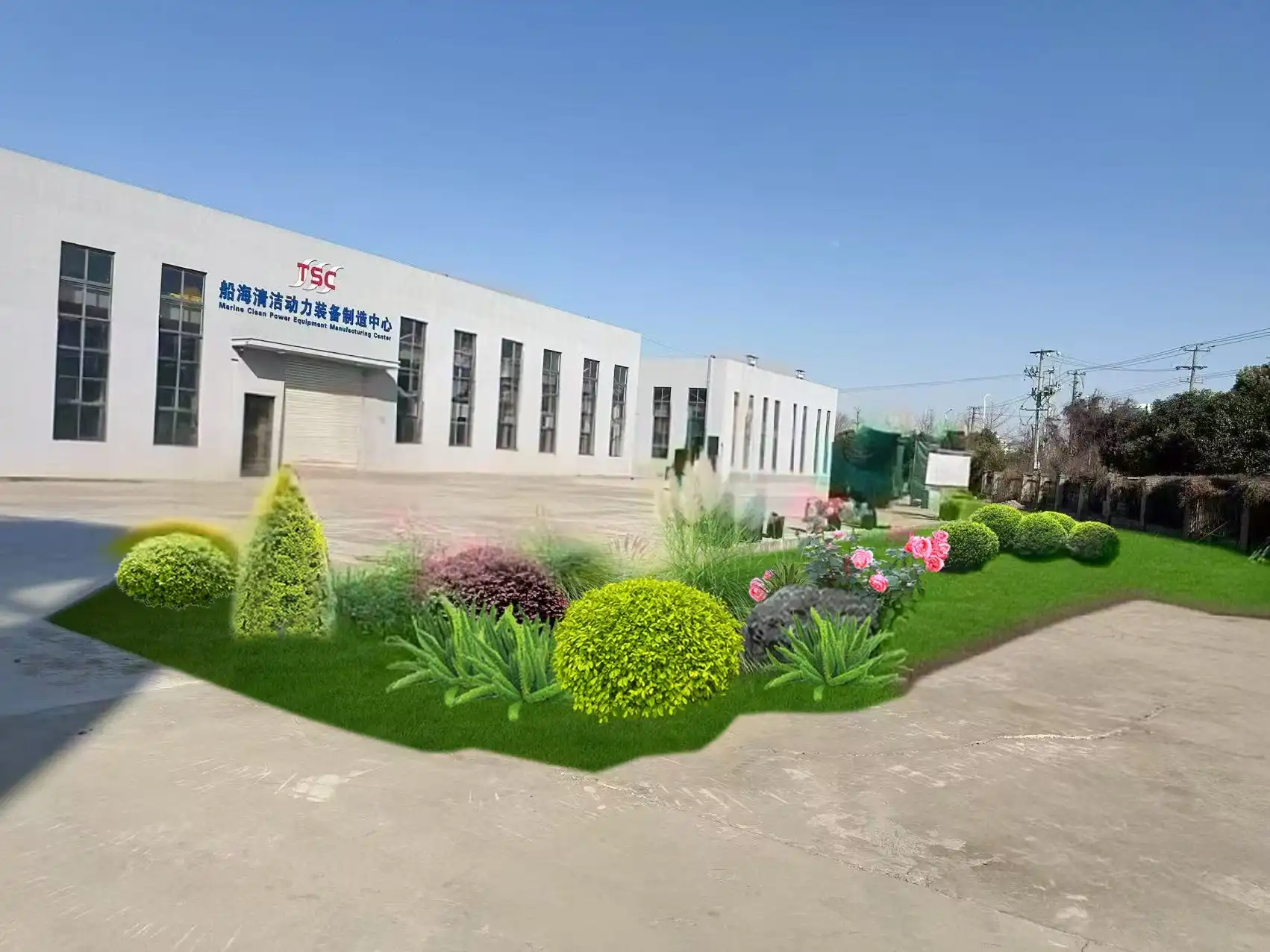
There are specific producers in the methanol fuel supply system market, and their levels of experience and technical know-how vary. Leading providers show they know a lot about designing dual-fuel vessels, chemical ships, liquefied gas carriers, and other marine systems that are connected. Their tech teams know how to deal with the unique problems that methanol causes and come up with answers that work in the real world. CM Energy, operating under the TSC brand, has the best Methanol Fuel Feed & Control System capabilities in the industry. CM Energy has a track record of providing clean fuel supply systems to a wide range of vessel kinds, so they know how to handle methanol fuel applications. The company has done good installations on a wide range of platforms, showing that it can adapt to different vessel needs and operating profiles.
Industry Track Record and Innovation Leadership
Market credibility comes from a track record of success and a dedication to continuing innovation. Manufacturers who started developing methanol fuel systems early know more about the problems that come up and how to best solve them. CM Energy was one of the first companies to build a methanol fuel supply unit. They started research and sales efforts when the market wasn't well known, which put them ahead of competitors who were just starting to work in this new area. A track record that has been proven to work gives buyers faith that makers understand what needs to be done in real life. CM Energy has installed clean fuel supply and cargo handling systems on 19 vessels, and they have also delivered methanol fuel supply system skids that worked well in tough situations. This operational experience guides ongoing product improvement and makes sure that solutions deal with real problems in the marine world, not just hypothetical design situations.
Comprehensive Service and Support Infrastructure
Vessel operators and system providers work together on a lot more than just delivering tools. Full lifecycle support is what sets great makers apart from commodity providers. Services that include design advice, custom engineering, manufacturing, installation support, and service help make sure that the system works at its best for as long as it is used. CM Energy provides a range of integrated services that cover the whole project lifecycle, from the initial planning to manufacturing, installation advice, and ongoing support. This all-around method gives responsibility to a single person, which makes project management easier and makes sure that all system parts work together smoothly. Technical support at info.cn@cm-energy.com makes it easy for workers to get answers to their questions quickly, which keeps operations running smoothly and protects the value of their investments over many years of service.
Conclusion
Picking the best Methanol Fuel Feed & Control System for ships is a big choice that will have effects on safety, environmental compliance, and the cost of doing business for many years to come. With these specialized systems, marine fleets can use methanol as a low-carbon fuel replacement while still getting stable power for propulsion and other uses. A full analysis of the system design, automation capabilities, seller credentials, and lifecycle support makes sure that the choices made about buying are in line with the needs and goals of the vessel. As emission rules continue to get tighter in the maritime industry, methanol fuel systems put forward-thinking operators at the head of environmentally friendly shipping practices while also providing real economic and operational benefits.
FAQ
1. How does methanol differ from traditional diesel in fuel feed systems?
When compared to diesel setups, methanol fuel feed systems deal with very different physical features. Because methanol has a low spark, is corrosive, and absorbs water, it needs special materials, pipes with two walls, and more safety tracking. Diesel systems have easier single-wall pipes and standard steel parts. On the other hand, methanol systems are made of stainless steel and use procedures for constant leak detection and inert gas purging.
2. Can existing vessels retrofit methanol fuel feed & control systems?
It is scientifically possible to retrofit a lot of different types of ships, but the level of difficulty depends on the current infrastructure and the amount of space that is available. Modular system designs make it easier to integrate them into working ships, and unique setups can be used to work around layout issues. Successful retrofits need a detailed technical study of the space for storing fuel, how well the new engine will work with the old one, how the safety system will be integrated, and how to follow the rules.
3. What maintenance intervals apply to methanol fuel supply systems?
Maintenance plans are based on how busy the business is and the quality of the fuel. Visual checks of pumps, valves, and control parts are usually done every three months, and full reviews of these parts once a year are also common. Because methanol is a liquid, seals need to be checked more often, while filter systems need to be checked based on how clean the fuel is. Manufacturers give thorough upkeep instructions that are made to fit the configurations and usage patterns of each system.
Partner with CM Energy for Advanced Methanol Fuel Solutions
Maritime operators looking for dependable providers of Methanol Fuel Feed & Control System will find that CM Energy's TSC brand offers unmatched knowledge and full support. As a leader in methanol fuel supply technology, CM Energy has a lot of experience with dual-fuel vessels, as well as new technical skills and a track record of successful installations in a wide range of marine uses. Our modular systems can be used by all kinds of ships, from small inland river boats to very big ocean-going ferries. This means that they will always work at their best, no matter what their purpose is. DNV-certified solutions meet strict international standards, and our full lifecycle support, which includes design, production, installation, and extra service, protects your investment for decades. You can talk to our technical team at info.cn@cm-energy.com about your unique needs, look at certified methanol fuel feed and control system setups, or set up a meeting with one of our marine fuel system experts to go over everything in more detail.
References
1. International Maritime Organization. (2023). IGF Code and Guidelines for Low-Flashpoint Fuels in Marine Applications. IMO Publishing.
2. Maritime Research Institute. (2024). Methanol as Marine Fuel: Technical and Operational Considerations for Commercial Vessels. Rotterdam: Maritime Press.
3. Hansen, J.F., & Stenhoj, P. (2023). Alternative Fuel Systems for Ships: Design, Safety, and Regulatory Compliance. London: Maritime Engineering Publications.
4. DNV Classification Society. (2024). Rules for Classification of Ships Using Low-Flashpoint Liquid Fuels. DNV Technical Standards.
5. Chen, W., & Anderson, M. (2023). Methanol Fuel Infrastructure for Decarbonizing the Maritime Industry. Journal of Marine Engineering & Technology, 22(4), 187-203.
6. Lloyd's Register. (2024). Guidance Notes on Methanol Fuel Supply Systems for Marine Vessels. Lloyd's Register Marine & Offshore.