What Makes an LNG Fuel Supply System Safe and Efficient?
An lng fuel supply system is a purpose-built assembly designed to store liquefied natural gas at cryogenic temperatures, condition it through vaporization, and deliver it to propulsion engines at precisely controlled pressures. For shipowners and shipyards building dual-fuel vessels today, choosing the right lng fuel supply system directly determines whether a newbuild meets IMO Tier III emission targets, integrates cleanly with the selected main engine, and holds to the construction schedule. The answer to what makes such a system safe and efficient lies in its component quality, pressure management design, BOG handling capability, and classification society certification backing.
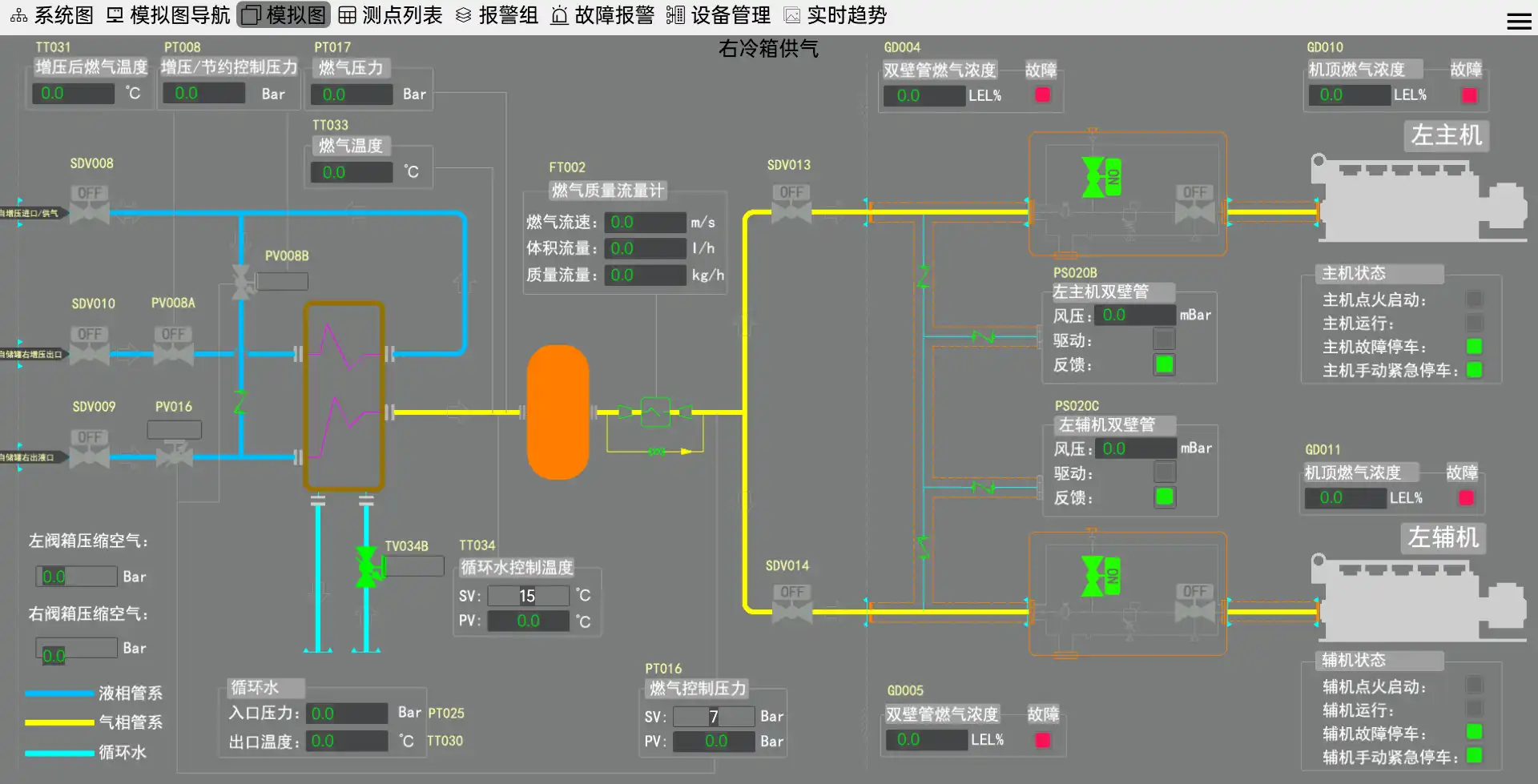
Understanding LNG Fuel Supply Systems: Basics and Core Components
It's helpful to know what an lng fuel supply system is made of and how its parts work together before looking at sellers. Each part does a certain job, and any holes in any one place can affect how well the whole system works.
Cryogenic Storage Tanks
That's right, LNG needs to be kept at about -162°C. Type-C pressure vessels made of austenitic stainless steel (316L grade) keep this temperature stable and can withstand thermal contraction and vibration stress in marine environments. TSC has a CCS product certificate for its double-layer LNG tank made of stainless steel, which shows that it meets the requirements of the classification society.
Vaporizers and Pressure Regulators
LNG goes through a vaporizer, which turns the cryogen from a liquid to a gas, after it leaves the storage tank. It is up to the pressure control further downstream to make sure that the delivery pressure is right for the engine, whether that's less than 16 bar for a gas Otto-cycle engine or more than 300 bar for a high-pressure diesel-cycle engine. One of the most important technical choices in system design is making sure that this stage is the right fit for the main engine type.
Control and Monitoring Hardware
Modern fuel gas supply systems use automated control logic to keep an eye on the temperature, tank pressure, gas flow rate, and status of safety interlocks all the time. These monitors connect to the ship's main control system and let engineers and crew see how the system works in all of its modes.
Safety Features That Ensure Reliable Operation
An lng fuel supply system is built with safety in mind in many different ways. This is because LNG is very cold and natural gas can catch fire, so each safety layer needs to work both on its own and with the others.
Leak Detection and Emergency Shutdown
In a legal lng fuel supply system, all the pipes that carry gas do so through double-walled containers. Hydrocarbon sniffer sensors and pressure difference sensors are always keeping an eye on the space between the inner and outer pipes. If there is even a small amount of gas in that space, it automatically sets off an Emergency Shutdown (ESD) sequence that quickly separates the affected area.
Pressure Relief and Containment Design
When boil-off gas (BOG) builds up during quiet times, it can cause the system to overpressurize. Pressure release valves keep this from happening. To get rid of BOG, TSC uses a combined method that includes a gas boiler and a Gas Combustion Unit (GCU) as part of the whole FGSS package. Instead of venting BOG to the atmosphere, which raises worries about methane slip, the GCU burns it carefully, which stops pressure from building up and lowers the release of greenhouse gasses.
Classification Society Certification and IGF Code Compliance
For business newbuild projects, every lng fuel supply system must meet the standards of the IGF Code and have certification from a well-known classification society like DNV, ABS, CCS, LR, or BV. TSC's systems are made to have full class-approval support, which includes help with design submissions during the 3–6 month approval phase that comes before buying equipment.
Efficiency Factors Driving Performance in LNG Fuel Supply Systems
In an lng fuel supply system, safety and efficiency go hand in hand. If you don't manage temperature, pressure, and BOG well, you'll waste fuel and have higher operating costs. This is where design choices make performance changes that can be measured.
Thermal Insulation and Cold Box Integration
When heat gets into the LNG storage and supply circuit, it speeds up the boil-off process and causes pressure relief events. The Tank Cooling System (TCS) design from TSC solves this problem by putting the lng fuel supply system's pipes and gear inside the cold box of the C-type tank. This way of packing lowers the total thermal load, keeps the equipment's size small, and lowers the chance of pressure changes caused by heat.
High-Pressure vs. Low-Pressure Configuration
Because of the main engine, the lng fuel supply system can be either low-pressure (LP FGSS, ≤16 bar) or high-pressure (HP FGSS, above 300 bar). The LP FGSS from TSC works with Otto-cycle gas engines, such as WinGD dual-fuel designs, and has been proven to work on real ships for more than a year. The HP FGSS works with MAN GI engines and was made in partnership with MAN. The HP system lowers methane slip to about a tenth of what similar GA engine setups make by using a Pump-Vaporizer Unit (PVU) to pressurize LNG before it vaporizes. This is a big environmental and regulatory benefit.
BOG Recovery and Energy Utilization
The lng fuel supply system should not throw away boil-off gas (BOG), but instead should put it to good use. TSC's FGSS can have a gas boiler that burns BOG to make heat on board, or it can have a GCU that burns it safely when neither the main engine nor the boiler needs it. This closed-loop method makes the whole system more energy-efficient and makes sure the ship stays in line with rules about methane emissions.
Selecting the Right LNG Fuel Supply System for Your Business Needs
Now that procurement teams have a clear idea of what the system needs to do, they can compare suppliers based on the needs of the specific project. In a newbuild program, choosing an lng fuel supply system is not like buying something from a catalog; it is more of a technical qualification test.
Here are the main criteria that project managers with a lot of experience use to judge projects:
- Main engine compatibility: The lng fuel supply system must be confirmed compatible with the selected main engine—whether MAN GI, MAN GA, WinGD X-DF, or another platform. Pressure ratings, gas delivery temperature ranges, and control interface protocols all require specific matching. TSC covers both LP and HP configurations, with formal MAN collaboration backing the HP product line.
- Proven in-service record: Before committing to a supplier, procurement teams look for documented operational history on completed vessels. TSC's low-pressure lng fuel supply system has accumulated more than one year of verified operation on actual ships, providing a concrete performance reference.
- Cold box and TCS packaging capability: Shipyards with tight engine room layouts benefit from prefabricated, tank-integrated modules. TSC's C-type tank and cold box packaging option delivers a turnkey-ready system with pre-installed piping, reducing installation labor and the risk of site errors.
- BOG and GCU handling: A complete lng fuel supply system package should address BOG from day one. Systems that lack GCU or boiler integration leave shipowners managing an unresolved energy balance problem after delivery.
- Certification and class submission support: TSC provides full design submission support aligned with major classification society requirements, reducing the engineering burden on the shipyard's design team during the approval phase.
These factors together show if a provider can deliver a system that actually works, not just one that looks good on paper. Choosing a partner that can help with all stages of a project, from design to commissioning to spare parts, lowers the risk of the whole 18–36 month building process.
Environmental Benefits and Future Outlook of LNG Fuel Supply Systems
When used as a naval fuel, LNG cuts sulfur oxide (SOx) emissions almost to zero, nitrogen oxides (NOx) emissions by about 85% compared to heavy fuel oil, and CO₂ emissions by about 20–25% per trip. Based on these numbers, the lng fuel supply system can be used right now to manage CII ratings and make sure that ships are following the IMO 2030 path.
Methane Slip Reduction as a Regulatory Priority
The International Maritime Organization is working to make it harder for methane slip to happen. This is what happens when natural gas that hasn't been burned escapes from the burning cycle. High-pressure lng fuel supply system configurations, like TSC's MAN GI-compatible HP FGSS, directly solve this issue by reducing the amount of gas that is not burned at the injection step.
Dual-Fuel Architecture as a Transition Strategy
Ships that use both LNG and regular fuel can still switch to regular fuel when LNG bunkering isn't available at a port. Because it can be used in a variety of ways, the lng fuel supply system is more of a useful transitional technology than an unusable investment. This is especially true as bunkering infrastructure continues to grow in Asian and European ports.
Alignment with Green Shipping Frameworks
Shipping companies that are engaging in lng fuel supply system technology are now building up their ability to follow the rules before the rules on carbon intensity get stricter. With TSC's wide range of products, including fuel supply systems for LNG, methanol, and ammonia, CM Energy is a partner that can help a fleet with many parts of its decarbonization program.
Conclusion
What makes an lng fuel supply system safe and efficient comes down to engineering discipline across four areas: cryogenic containment integrity, pressure management matched to the main engine, active BOG handling, and verified in-service performance. TSC, a brand of CM Energy, has delivered on each of these areas through its independently developed LP FGSS (over one year of confirmed vessel operation), its MAN-collaborated HP FGSS, and its cold box integration packaging for C-type tanks. For shipyards, ship designers, and shipowners building LNG dual-fuel vessels against tight project schedules, working with a supplier that holds both classification society certification and a documented operational track record significantly reduces technical and schedule risk.
FAQ
1. What is the difference between LP and HP LNG fuel supply systems?
The LP (low-pressure) LNG fuel supply system delivers gas at under 16 bar and is designed for Otto-cycle engines such as WinGD dual-fuel platforms. The HP (high-pressure) LNG fuel supply system pressurizes LNG above 300 bar using a PVU and is matched to MAN GI engines. The engine selection on a newbuild project determines which configuration is appropriate.
2. How does BOG get managed in an LNG fuel supply system?
TSC's LNG fuel supply system can incorporate both a gas boiler and a Gas Combustion Unit (GCU). BOG generated during idle periods or bunkering is routed to one of these units, preventing overpressure and converting waste gas into usable energy or safely combusting it.
3. How long does it take to get an LNG fuel supply system approved by a classification society?
The design submission and approval phase typically takes three to six months, depending on the class society and the complexity of the vessel design. TSC supports full class submission documentation as part of its project service.
4. Can an LNG fuel supply system be installed in a compact engine room layout?
Yes. TSC's TCS cold box packaging places the LNG fuel supply system's equipment and piping inside the tank structure, significantly reducing the required engine room footprint without compromising access or safety.
5. Is TSC's LNG fuel supply system certified?
TSC holds a CCS product certificate for its stainless steel double-layer LNG tank. The full LNG fuel supply system is designed for compliance with the IGF Code and major classification society requirements including DNV, ABS, CCS, LR, and BV.
Partner with CM Energy for Your Next LNG Fuel Supply System Project
Want a trusted solution to increase vessel efficiency and promote greener maritime operations? CM Energy offers modern LNG Fuel Supply System solutions developed with established knowledge, new technology and full lifecycle support. Our self-developed low-pressure LNG fuel supply systems have been successfully confirmed to operate stably on real ships, while our high-pressure FGSS solutions for MAN GI engines can achieve reduced methane slip and better fuel performance. Strong capability of maritime energy equipment, independent R&D with a large number of authorised patents, customised system integration and worldwide service support. CM Energy provides safe, efficient and customised LNG solutions for modern ships. Contact us at info.cn@cm-energy.com to discuss your project requirements and explore a reliable LNG fuel supply solution for your fleet.
References
1. International Maritime Organization. IGF Code: International Code of Safety for Ships Using Gases or Other Low-Flashpoint Fuels. IMO Publishing, 2016.
2. DNV GL. LNG as Ship Fuel. DNV GL Strategic Research and Innovation, Position Paper 13, 2015.
3. Society of International Gas Tanker and Terminal Operators (SIGTTO). Liquefied Gas Handling Principles on Ships and in Terminals, 4th ed. Witherby Publishing Group, 2016.
4. MAN Energy Solutions. ME-GI Dual Fuel MAN B&W Engines: A Technical, Operational and Cost-Effective Solution for Ships Fuelled by Gas. MAN Energy Solutions, 2018.
5. American Bureau of Shipping (ABS). Bunkering of Liquefied Natural Gas-Fueled Marine Vessels in North America. ABS, 2014.
6. Lloyd's Register. LNG-Fuelled Deep Sea Shipping: The Outlook for LNG Bunker and LNG-Fuelled Newbuilds to 2025. Lloyd's Register Marine, 2013.
