Cargo Handling System for Gas Carriers: How to Choose
Choosing the right cargo handling system for a gas carrier is one of the most consequential decisions a shipowner or shipyard makes during a newbuilding project. A well-specified system covers everything from loading and discharging operations to boil-off gas (BOG) management, re-liquefaction, and emergency shutdown (ESD) integration. The wrong choice can mean costly delays, failed class approvals, or terminal incompatibility. This guide walks you through how to evaluate, compare, and procure a cargo handling system that matches your vessel type, trade route, and long-term operational goals.
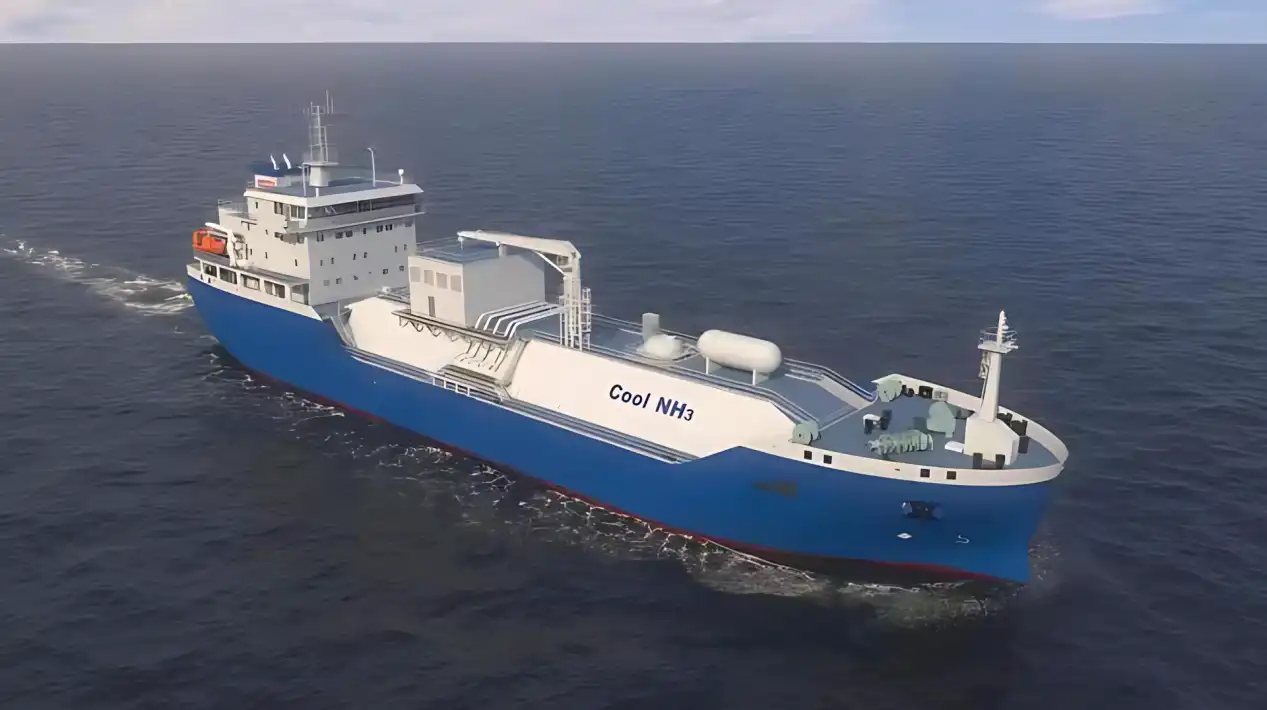
Understanding Cargo Handling Systems for Gas Carriers
What a Cargo Handling System Actually Does
A gas carrier's Cargo Handling System is the engineering package that manages all the steps of moving gas on board, from connecting to the dock at the filling point to unloading at the receiving port. It controls the pressure, temperature, flow rates of liquids, and return of vapors in the tank. This makes sure that dangerous goods like LPG, LEG, and ammonia always stay within safe working limits.
Core Components You Need to Know
The system usually has cryogenic cargo pumps, liquid and vapor manifolds, re-liquefaction or BOG combustion units, level measuring tools, pressure and temperature sensors, and a central cargo control room (CCR) that is monitored automatically. The heat control package and the cargo containment system work together as a single unit on fully refrigerated ships.
How Gas Carrier Types Shape System Design
There are three main types of gas carriers: fully pressurized, semi-refrigerated (semi-cold semi-pressure), and fully refrigerated. Each needs a different system design. The Cargo Handling System of a fully filled LPG carrier is much easier because it runs at room temperature with high tank pressure. A fully refrigerated ship carrying LNG or large amounts of LPG needs a much more complex set-up with cryogenic insulation, BOG management, and precise temperature controls.
Key Factors to Consider When Choosing a Cargo Handling System
Gas Type, Trade Route, and Terminal Compatibility
The first filter is the type of product. LPG, LEG, ammonia, and vinyl chloride monomer (VCM) all have different vapor pressures, levels of toxicity, and standards for how well they work with other materials. In addition to the gas itself, terminal compatibility is also very important. Your Cargo Handling System needs to be able to match the manifold requirements, vapor return requirements, and ESD interface standards of every port in your trade range. If there is a mistake here, it will cost a lot to fix or the ship will not even be able to join.
International Regulatory Compliance
It is necessary for every Cargo Handling System on a gas carrier to meet the IGC Code (International Code for the Construction and Equipment of Ships Carrying Liquefied Gases in Bulk), SOLAS, and the needs of the ship's classification society, which is usually DNV, ABS, or Lloyd's Register. These rules cover things like ESD reaction times, gas monitoring systems, material certification, and the design pressures for pipes.
Long-Term Reliability and Maintenance Access
A Cargo Handling System works in a demanding environment with limited maintenance windows and serious consequences for failure. Procurement teams should confirm that the supplier has direct experience guiding designs through class approval. Check the mean time between failures (MTBF) for important rotating equipment and see if spare parts are available around the world. Also, make sure that the seller gives help for setting up the equipment and service after the sale in the areas where your fleet does business.
Comparing Cargo Handling System Options for Gas Carriers
Fully Pressurized Systems: Proven and Straightforward
Most of the time, smaller LPG carriers that trade in regional areas use fully pressurized systems. They don't need cooling to work, which makes the equipment simpler and lowers the cost of buying it. The trade-off is that the structure is heavier because the walls of the tank are thicker to hold more pressure. This configuration is still a good choice for shipowners who want to order ships between 3,000 and 5,000 CBM.
Semi-Refrigerated Systems: Balancing Flexibility and Cost
There is a medium ground with semi-refrigerated (semi-cold semi-pressure) devices. They cool the cargo to lower the pressure in the tank, which lets the tank walls be thinner while avoiding the full cryogenic equipment of a fully chilled ship. Mid-sized LPG and chemical gas carriers work well with this layout. It's especially popular in East Asian and Southeast Asian trade, where ship sizes are growing but full cooling isn't necessary yet.
Fully Refrigerated Systems: Designed for Scale
Cargo Handling Systems that are fully chilled are almost always used by large LPG and LNG haulers. The pressure of the cargo is almost the same as the atmosphere, but the temperatures are very low. This calls for advanced BOG management, re-liquefaction units or gas combustion units (GCU), and cryogenic pump technology. It costs more up front, but it can carry a lot more goods per unit of structural weight, which makes it the best choice for long-distance, high-volume deals.
There are different cost, risk, and effectiveness factors for each of these three configurations. It is very hard and expensive to fix mistakes made during the design phase if the wrong type is chosen. That is why it is common for serious newbuilding projects to involve an experienced Cargo Handling System supplier early on, during the technical specification phase.
Practical Steps for Selecting and Procuring a Cargo Handling System
Define Your Technical Specification First
Set up a detailed functional specification before you put out a bid. This should include the types of cargo, the required pump-out rates, the maximum BOG generation, the ESD integration requirements, and the class society preferences. The first document that all supplier proposals are judged against is this one. This is needed because comparing bids from different Cargo Handling System companies isn't always accurate.
Evaluate Supplier Track Record and Class Approval Experience
Ask for proof of deliveries, like how many Cargo Handling System packages the seller has planned, built, and put into service for each type of ship you're thinking about. Check to see if those deliveries came with paperwork for class approval and help with the sea trial. At this point, references from shipowner clients who have already worked with the company are very important.
Plan for Installation and Commissioning from Day One
A Cargo Handling System is not a separate piece of equipment; it is integrated into the frame, piping system, and computer design of the vessel. Make sure the supplier has a clear installation process that includes moving and positioning the modules, fixing the bases to the structure of the vessel, connecting the pipelines and control cables, checking the integrity of the seals, and debugging the whole system, including the safety functions for bunkering, transferring, and controlling. If someone isn't responsible for any of these steps, it will cause costly delays in the building plan.
Future Trends in Gas Carrier Cargo Handling Systems
Automation and Digital Monitoring
More and more, modern Cargo Handling System designs include centralized digital tracking, automatic control of pressure and temperature, and data logging that allows performance trending. These features reduce the need for manual intervention during cargo operations and provide fleet managers with remote visibility into system status.
BOG Management and Energy Recovery
As LNG bunkering and LNG as cargo grow, BOG management has become an important performance metric for any Cargo Handling System on a gas carrier. Re-liquefaction technology and gas combustion units that recover BOG energy are no longer options; they are now basic necessities. This is especially true for longer trips where lost cargo directly means lost revenue.
Alignment with Green Shipping Goals
As the shipping industry moves toward lower carbon emissions, new Cargo Handling System standards take energy use, refrigerant choice, and cooperation with alternative fuel carriers like ammonia and liquid hydrogen into more detail. Along with cost and performance, procurement teams are starting to look at the carbon impact over the whole lifecycle.
Conclusion
To choose the correct Cargo Handling System for a gas carrier, you need to make sure that the type of system fits the design of the ship, get class approval early, check the supplier's delivery records, and plan for installation to be part of the shipbuilding schedule. For as long as the ship is in service, the choice will have an impact on safety, business efficiency, and following the rules. Choosing the right supplier is very important because projects usually take 18 to 30 months to complete from the time the specifications are released to the customer.
FAQ
1. What international standards must a gas carrier cargo handling system meet?
Each system needs to follow the IGC Code, SOLAS Chapter II-2, and the rules of the relevant classification society (DNV, ABS, LR, or something similar). All of these models cover things like gas detection, ESD reaction time, piping pressure rates, and material approval. Check your supplier's history of getting class approvals before giving them a deal.
2. What is BOG, and why does it matter for system selection?
Boil-off gas, or BOG, is the smoke that rises from liquid goods while it is being moved. When BOG is not controlled, it raises tank pressure and poses a safety risk. If the Cargo Handling System is well thought out, it will either re-liquefy BOG and send it back to the tank, or it will send it to a burning unit so that energy can be recovered. This is a crucial performance differentiator between suppliers.
3. Can an existing gas carrier be retrofitted with a new cargo handling system?
Technically, retrofitting is possible, but it's hard to do. It needs a careful look at how the existing tanks and pipes connect, changes to the structure, and full approval from the class society again. How possible it is depends a lot on how old the ship is, how the systems are set up now, and how big the update is. A provider with experience in retrofits can give you an honest opinion on whether or not the idea will work.
4. How long does the design and class approval process typically take?
The Cargo Handling System design and class approval cycle for a new gas carrier usually takes six to twelve months. This depends on how complicated the system is and when the class society reviews it. To keep the overall construction schedule from getting behind, this process must begin as soon as possible in the newbuilding project.
Partner with CM Energy for Your Next Gas Carrier Project
The TSC brand from CM Energy has developed and delivered fully pressurized LPG Cargo Handling System kits that have been approved by the class. There are records of these deliveries. TSC works with the Norwegian design company WTC to provide both partially and fully cold system options. Our team can help you with everything, from specifying a new gas carrier to putting it into service. This is true whether you are buying a new gas carrier or looking at system options for a future project. To talk to our engineering team directly about your Cargo Handling System needs, please email us at info.cn@cm-energy.com or visit our website at cm-energy.com.
References
1. International Maritime Organization. International Code for the Construction and Equipment of Ships Carrying Liquefied Gases in Bulk (IGC Code). IMO, 2016.
2. DNV GL. Rules for Classification: Ships — Part 5, Chapter 5: Liquefied Gas Tankers. DNV, 2022.
3. Lloyd's Register. ShipRight Procedures: Design and Construction for Gas Carriers. Lloyd's Register, 2021.
4. SIGTTO (Society of International Gas Tanker and Terminal Operators). Liquefied Gas Handling Principles on Ships and in Terminals. 4th ed., Witherby Publishing, 2016.
5. Stopford, Martin. Maritime Economics. 3rd ed., Routledge, 2009.
6. BIMCO / Clarksons Research. LPG Shipping Market Outlook and Fleet Development Report. Clarksons, 2023.
