What Is a Kingpost Crane and Why Use It Offshore?
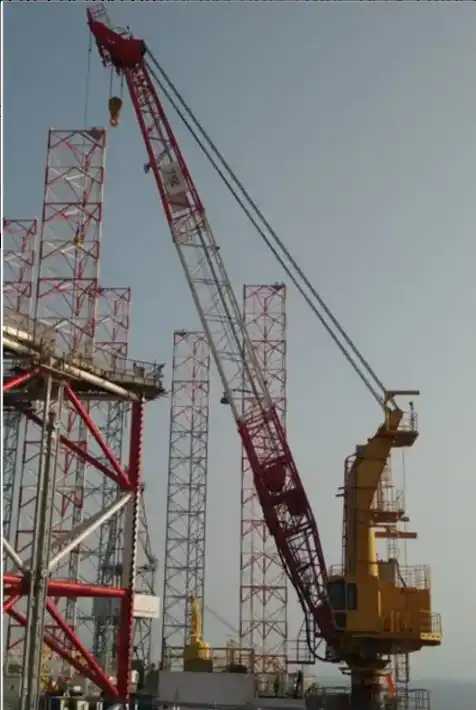
A Kingpost Crane is a special kind of lifting equipment that is mostly used in marine and offshore settings. Its unique structure is made up of a rotating upper part that spins around a fixed vertical pole called the kingpost. Kingpost cranes use a column built into the frame of the ship or platform, supported by simple upper and lower plain bearings. This is different from standard pedestal cranes, which use large-diameter slewing bearings to turn. This design gets rid of the chance of catastrophic bearing failure, greatly lowers the need for upkeep in remote offshore areas, and can handle the higher dynamic forces that come with rough seas, making them the best choice for long-term structural reliability.
Introduction
Kingpost cranes are important pieces of heavy-lifting equipment that are used a lot in offshore settings to move big loads accurately and reliably. Because they are strong and have a unique look, they are the best choice for complicated oil and gas and naval building projects. This guide is for purchasing managers, engineers, wholesalers, and OEM clients who do business with other businesses around the world. It goes into great detail about how kingpost cranes work, their benefits, and things you should think about when buying one.
When it comes to tools, the offshore business needs things that can work well in rough sea conditions. Knowing about these things helps you make smart choices for the best offshore businesses and activities. When looking for marine lifting options, it's important to think about environmental issues, safety rules, and long-term dependability. Choosing the right crane technology is therefore very important for the project's success.
Understanding the Kingpost Crane
Kingpost cranes feature a vertical kingpost structure that acts as the main support. They also have other important parts like booms, pulleys, and wire ropes that make it easy to move loads abroad. They work because of complex engineering principles, such as advanced load sharing and stability systems that are essential for harsh sea conditions.
Core Structural Elements
The kingpost is the center vertical column that supports all operating loads and sends them straight to the structure of the ship's hull. Compared to standard bearing-mounted systems, this way of designing spreads the load better. The lattice boom design has the best strength-to-weight ratio and keeps the structure strong even when it is loaded and unloaded quickly.
Operational Mechanics and Load Management
These marine cranes utilize rope luffing systems that provide precise load positioning and enhanced safety during operations. The hydraulic control systems integrate dedicated pump circuits for each function, ensuring reliable simultaneous multifunction operation. This design logic enhances functionality and flexibility, tracing the historical development that has refined kingpost cranes into dependable offshore workhorses.
Operators can confidently handle complicated lifting tasks when advanced control systems are built in. Always keeping an eye on operational factors, load management systems give real-time feedback and safety alerts when operational limits are getting close.
Advantages of Kingpost Cranes Offshore: Why They Are Widely Adopted
Kingpost cranes have unique practical benefits overseas, such as high load capacities, great stability, and a range of configurations that can be used for a wide range of marine jobs. Their design includes safety features that meet strict engineering standards to make sure that lifting is done safely in tough conditions.
Superior Reliability and Maintenance Benefits
Here are the main reasons why these tools are so important for activities offshore:
1. Enhanced Structural Integrity: The kingpost design gets rid of problems with slewing bearing wear, which stops the rocking motion that happens over time with regular bearing systems. This basic method makes sure that the equipment works the same way for as long as it is used.
2. Reduced Maintenance Requirements: High-quality bronze or composite bushings can last the crane's entire working life as long as they are properly oiled. This means that they have much lower lifetime costs than systems that need to change bearings often.
3. Superior Dynamic Load Handling: The strong kingpost handles high toppling moments better than other designs, which lets it work safely at higher important wave heights and for longer periods of time.
These benefits successfully solve important production problems in offshore settings where the dependability of tools has a direct effect on project timelines and safety outcomes. The chance of catastrophic bearing failure has been removed, which gives operators faith in long offshore missions.
Operational Versatility and Performance
When compared to alternatives like tower or derrick cranes, Kingpost Crane models often offer superior adaptability and cost-effectiveness. The compact footprint requires minimal deck space while providing maximum lifting capabilities. Real-world applications on FPSOs, drilling platforms, and offshore support vessels demonstrate their proven success in delivering complex offshore projects on time and within budget.
Because they can handle both big main loads and extra lifting jobs, these systems are flexible and can be used in a wide range of offshore situations. With regular repair, equipment will last longer and work better even when it's exposed to harmful saltwater, so you'll always get your money's worth.
Selecting the Right Kingpost Crane for Offshore Projects
To pick the right kingpost crane for an offshore job, you need to carefully consider the load requirements, crane dimensions, and operating efficiency. As part of this review process, you need to know about the unique working setting and load characteristics of each offshore application.
Project-Specific Considerations
For different remote uses, cranes need to have different features and abilities. Fixed platforms need strong systems that can move big goods and equipment, and floating sites need cranes that work reliably even when the vessel is moving. When making the choice, environmental factors like wind speed, wave height, and operating length must be taken into account.
Cost-Performance Balance and Procurement Strategies
This part tells users about the different kinds of kingpost cranes and the best places to use them. It does this by focusing on the cost-performance balance that is important for purchases that need to stick to a budget. In global B2B situations, the pros and cons of leasing vs. buying rest on things like the length of the project, how often it needs to be run, and how the company wants to spend its money.
For the best procurement results, experts and procurement managers need to make sure that technical requirements are in line with project goals. Long-term operational costs, upkeep needs, and the ability to use for more than one project should all be taken into account in the review in order to get the most out of the investment.
Procuring Kingpost Cranes Offshore: Trusted Suppliers and Purchasing Guidelines
To do good procurement, you should start by choosing reputable makers and wholesalers that offer certified, high-quality kingpost cranes with full guarantee and support after the sale. TSC, which works under CM Energy, designs and builds high-end Kingpost Crane systems that are especially made for use offshore.
Manufacturing Excellence and Certification Standards
Quality control is a big part of how TSC makes things. They have full ISO quality systems and certificates from classification societies like DNV, ABS, BV, CCS, and LR. Customization by OEMs and direct factory buying are both good ways to save money and get better options. Before being sent out, each crane goes through a lot of tests in the workshop to make sure it works perfectly from the very first time it is installed.
The company's modular design method uses standard parts to cut down on shipping times while still allowing for customization. API-2C approval makes sure that offshore crane operations meet industry standards.
Logistics and Installation Considerations
Logistics issues include shipping, delivery, and installation problems that happen abroad and need specialized knowledge and teamwork. TSC offers full help during the whole buying process, from analyzing the needs at the beginning to delivering the product, accepting it, testing it, and installing it on board.
A clear, step-by-step purchasing framework gives B2B clients the information they need to safely and quickly handle global procurement processes. The company has worked with more than 350 deck cranes around the world, which shows that it can handle complicated marine projects.
Ensuring Safe and Efficient Offshore Operations with Kingpost Cranes
Following engineering standards and compliance rules made for offshore settings very carefully is important for operational safety and efficiency. Kingpost Crane systems have many safety features, such as hook parking devices, built-in load control systems, and the ability to operate in an emergency.
Safety Protocols and Risk Management
Dedicated hydraulic circuits that stop single-point failures and full alarm systems that let workers know about possible problems are two important safety features built into these systems. Common operating mistakes can be avoided by getting the right training and following the rules. It's impossible to say enough about how important regular inspections and upkeep are for keeping things running at their best and lowering operating risks.
Technology Integration and Operational Excellence
Integrated electricity control systems and operating data recording are two examples of new technologies that make work more efficient. Staff training that never ends makes sure that workers know what the system can and can't do, which promotes safe and productive operations. TSC's systems have emergency crane working features that let the crane do its full job even if the prime mover or hydraulic pump fails.
When load control and safety alarm systems work together, they give workers real-time information about how things are running. These improvements in technology make sure that clients can have safe and long-lasting ocean lifting operations for as long as the equipment is in use.
Conclusion
Kingpost Crane technology is the best way to lift things offshore because it combines structural stability with excellent operating excellence. Because of their unique design, these systems are perfect for difficult offshore uses because they don't have to worry about bearing failure and don't need as much upkeep. For offshore projects, making smart decisions means knowing the selection criteria, buying methods, and operational factors. The fact that these systems has been used successfully in a wide range of ocean situations shows how useful they are for helping with complicated maritime operations while still meeting safety and efficiency standards.
FAQ
1. What distinguishes a kingpost crane from other offshore lifting equipment?
The main difference is in the structure: instead of using slewing bearings, loads are transferred through a center kingpost shaft. This setup gets rid of problems with bearing wear and makes things more stable in rough sea settings.
2. How long do kingpost crane systems typically operate without major maintenance?
When compared to traditional bearing systems, bushing-based spinning systems wear out much less quickly, so good systems can last for decades with regular upkeep. With the right greasing and regular checks, the design life will be extended to its fullest potential.
3. Are these systems suitable for hazardous offshore environments?
Often, these cranes are modified for use in Zone 1 and Zone 2 dangerous areas by adding explosion-proof electrical parts and the right safety systems. Following the ATEX and IECEx rules makes sure that operations in possibly dangerous environments are safe.
Partner with CM Energy for Premium Kingpost Crane Solutions
CM Energy has the best kingpost crane equipment in the business and is ready to help you with your ocean lifting needs. As a reputable kingpost crane maker, our TSC brand offers custom-built options that can handle the toughest ocean tasks. We have the knowledge and dependability that your projects need with over 350 deck cranes in use around the world and full approval from major classification societies. Get in touch with us at info.cn@cm-energy.com to talk about your unique needs and find out how our tried-and-true offshore crane options can help your business succeed.
References
1. American Petroleum Institute. "Specification for Offshore Pedestal Mounted Cranes API 2C." API Publishing Services, 2012.
2. DNV GL. "Offshore Standard DNV-OS-E101: Drilling Plant." Det Norske Veritas Group, 2014.
3. International Association of Drilling Contractors. "Guidelines for Marine Drilling Operations." IADC Technical Publications, 2018.
4. Maritime and Coastguard Agency. "Code of Safe Working Practices for Merchant Seafarers." UK Department for Transport, 2020.
5. Society of Naval Architects and Marine Engineers. "Offshore Engineering Handbook for Marine Structures." SNAME Technical Publications, 2019.
6. World Offshore Contractors Association. "Guidelines for Lifting Operations in the Offshore Oil and Gas Industry." WOCA Safety Publications, 2021.