Methanol Fuel Conveyance System Guide for Efficient Flow
A Methanol Fuel Conveyance System is a high-tech engineering system made to deal with the special features of methanol as a marine fuel. These methods solve the important problems of safely storing, moving, and supplying methanol to dual-fuel engines on different types of ships. In contrast to regular fuel systems, methanol transportation solutions need to take into account the chemical's low temperature, corrosive nature, and ability to absorb water. They also need to keep precise flow control and pressure regulation throughout the whole fuel delivery process.
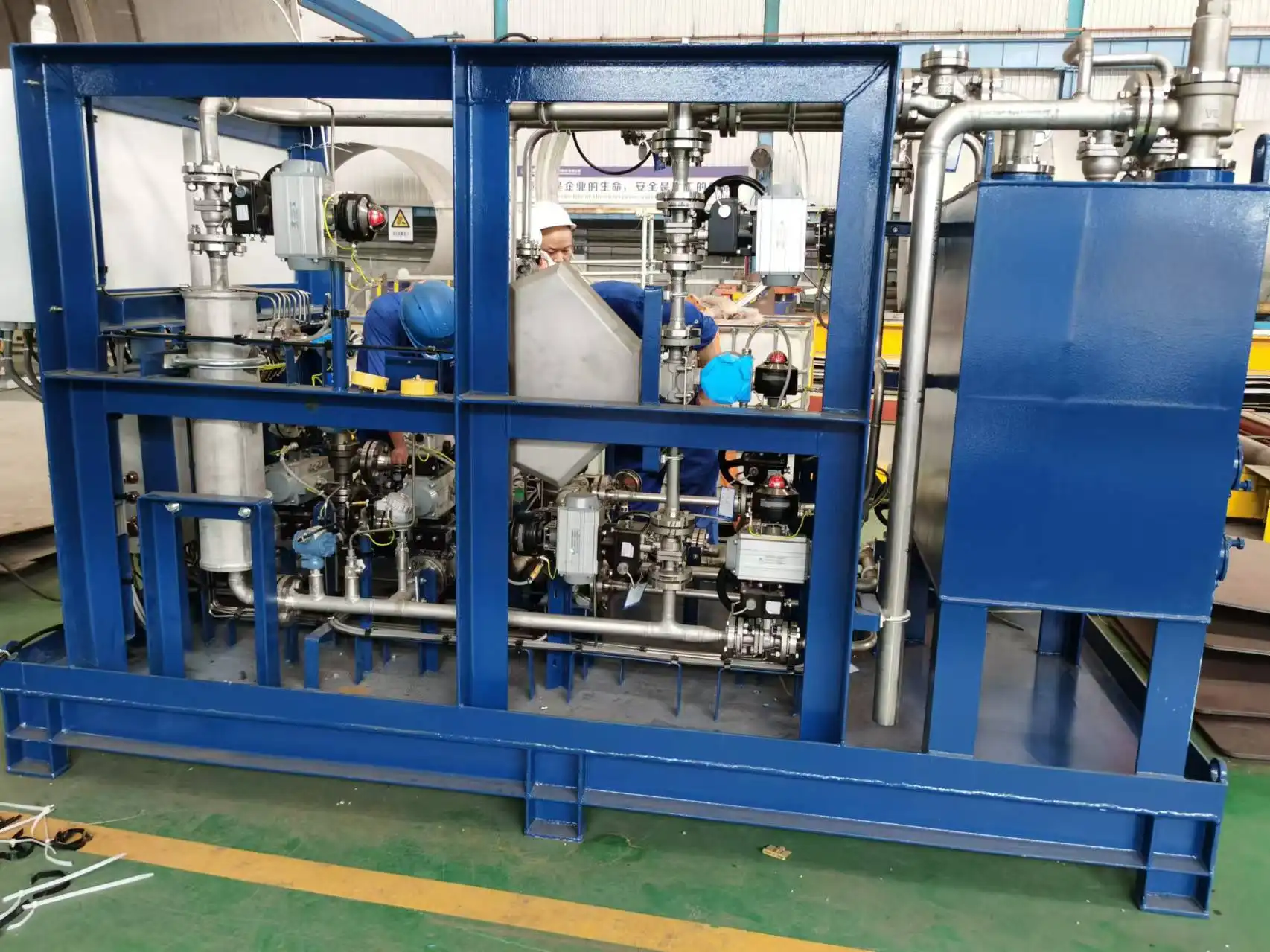
What Is a Methanol Fuel Conveyance System and How Does It Work?
A methanol fuel conveyance system is a complicated technical answer made to deal with the problems that come with using methanol as a marine fuel. There are many parts to the system that are all linked to each other and work together to make sure that fuel gets from holding tanks to dual-fuel engines safely and efficiently.
Core Components and Architecture
The fundamental architecture of a Methanol Fuel Conveyance System includes storage tanks, transfer pumps, filtration units, pressure controls, and safety monitoring tools. All components resist methanol damage, using stainless steel. Double-walled storage with intermediate leak tracking prevents danger. To address low viscosity and poor lubricity, pumps use magnetic drive or positive displacement designs, maintaining steady flow rates. Filtration removes impurities to meet engine maker standards.
Operational Principles and Safety Integration
Precise control of pressure, temperature, and flow rate prevents vaporization and ensures optimal engine performance. Advanced control systems adjust fuel delivery instantly with engine load changes. Safety integration includes multiple backups: inert gas purging prevents explosive fume buildup, and emergency shutdowns cut fuel when dangers are detected. These features comply with international marine rules like the IGF Code for low-flashpoint fuels.
Environmental Benefits and Efficiency Advantages
Modern methanol systems greatly reduce sulfur oxides, nitrogen oxides, and particulate matter, supporting cleaner marine operations. When made from green sources, methanol enables carbon-neutral combustion, helping meet decarbonization goals. Beyond environmental benefits, precise fuel dosing improves combustion efficiency and lowers fuel use. Advanced tracking provides real-time data on fuel quality and system performance, enabling planned maintenance that reduces downtime and costs.
Comparing Methanol Fuel Conveyance Systems with Alternative Fuel Systems
The marine industry's transition toward better fuels has created a need for in-depth comparisons between methanol systems and other fuel technologies. Knowing these differences helps ship owners make smart choices about how to spend in their fuel systems.
Performance Characteristics Across Fuel Types
While liquid gas options are easier to work with, methanol fuel systems are much easier to use. Methanol Fuel Conveyance System options work at lower temperatures and pressures than ammonia or hydrogen systems. This makes them simpler and less reliant on infrastructure. Because of this, methanol systems are great for retrofitting situations where making big changes to the vessel would be too expensive.
Methanol's high energy density makes it different from other fuels in ways that are both good and bad. Even though methanol only has about half as much energy as marine gas oil, it is a desirable transition fuel because it burns cleanly and works with current engine technologies. System builders make up for lower energy density by using better ways to store energy and move it around the system.
System Compatibility and Integration Considerations
Dual-fuel engine manufacturers confirm methanol systems work well with their technologies. As a liquid at normal conditions, methanol is easier to handle than gaseous options, simplifying fuel preparation and injection. Methanol systems often use adapted standard fuel handling equipment. The ability to switch between methanol and conventional fuels provides operational peace of mind during infrastructure development, a major advantage over single-fuel systems.
Cost and Maintenance Factors
Initial costs for methanol systems are moderate compared to simpler or more complex fuel systems. Low pressure and temperature requirements keep infrastructure costs down and simplify upkeep. Maintenance is easier than for high-pressure gas or cryogenic fuel technologies, requiring less specialized training. Though methanol's corrosiveness demands careful material selection and regular inspections, these needs are readily met by standard maritime repair procedures.
Key Procurement Considerations for Methanol Fuel Conveyance Systems
To buy methanol fuel systems successfully, you need to carefully consider the supplier's skills, the system's requirements, and the need for long-term assistance. Because these systems are so complicated, the buying process needs to be very careful.
Supplier Evaluation and Selection Criteria
When procurement teams look at possible providers for Methanol Fuel Conveyance System options, they should give more weight to companies that have experience with marine fuel systems and alternative fuel technologies. CM Energy's TSC brand is a great example of the kind of provider knowledge that is needed. They have a lot of experience designing dual-fuel vessels and putting clean fuel systems in place on a wide range of vessel types, such as chemical tankers, bulk carriers, and offshore support vessels.
Critical evaluation factors are supplier certification and quality control systems. Companies with the right marine licenses and DNV approvals show that they are committed to following industry standards and rules. If the provider has worked on similar projects before, you can get an idea of how well they can deliver complex combined systems on time and on budget.
Technical Specification Requirements
Technical specifications must address each vessel's unique needs while remaining compatible with selected engine systems. Flexible design approaches accommodate new builds or retrofits, with space requirements depending on vessel size, operating profile, and fuel capacity. Material specifications are critical: stainless steel for primary components and compatible elastomers for seals. Procurement should require thorough material certificates and proof of compatibility from suppliers.
Installation and Commissioning Support
Experienced providers are different from those who haven't done much implementation work because they offer full installation help. To install methanol fuel systems, you need to know a lot about naval safety rules, how to connect systems together, and making sure you're following the rules. Suppliers should give thorough instructions on how to install the equipment, a list of any special tools that are needed, and expert help on-site during the commissioning process.
As part of commissioning support, there are methods for checking the system that makes sure it works well in all situations. These tests make sure that the safety systems work, that the fuel quality tracking is accurate, and that the systems can work with the ship's control systems. Complete reference packages make sure that system users know right away what the system can do and how to maintain it.
Maintenance and Safety Guidelines for Optimal System Performance
Methanol fuel systems need good maintenance plans to make sure they work reliably and safely throughout their entire lifespan. Because methanol has special qualities, it needs to be maintained in a way that takes both efficiency and safety into account.
Preventive Maintenance Protocols
Preventive maintenance plans for Methanol Fuel Conveyance System setups focus on checking the parts of the system that are most stressed by methanol exposure on a frequent basis. Pump seals and gasket materials need to be checked on a regular basis to find early signs of wear and tear before they break. Because methanol is corrosive, it speeds up the wear on some materials, so they need to be replaced on a regular basis to keep the system running smoothly.
Another important part of preventive care is keeping the filtration system in good shape. Because methanol is hygroscopic, it can bring in water that can damage fuel quality and system performance. Testing the quality of the fuel and replacing the filters on a regular basis stop pollution problems that could hurt injection equipment or make the engine run less well.
Procedures for system calibration and testing make sure that safety systems keep working during the operating time. Testing emergency stop systems, leak detection equipment, and pressure release devices on a regular basis makes sure that safety systems will work properly in an emergency. The manufacturer's instructions and government rules about how often and what kinds of tests should be done should guide these tests.
Safety Protocol Implementation
Safety rules for methanol fuel systems take into account the special risks that come with working with methanol, such as its poisonous, flammable, and corrosive qualities. Training programs for employees must include the right way to handle things, what to do in an emergency, and what safety gear is needed. Because methanol has a low flashpoint, it is important to pay extra attention to controlling the source of an explosion and managing the smoke.
Emergency reaction plans should include possible escape situations, how to put out fires, and how to protect people from being exposed. Because methanol is so dangerous, there needs to be a quick way to handle possible exposure situations. This includes emergency air and medical reaction plans. Regular emergency drills make sure that everyone on the team knows what to do in case of an issue.
Properly recording maintenance tasks and safety checks shows that you are following the rules and helps with efforts to keep getting better. Maintenance logs should keep track of all changes made to the system, replacements of parts, and strange performance issues so that patterns can be found that could mean problems are starting to form.
Future Trends and Technological Innovations in Methanol Fuel Conveyance
The creation of methanol fuel systems keeps moving forward thanks to new technologies and changes in regulations. Knowing about these trends helps ship managers get ready for what systems will be able to do and how they will need to work in the future.
Emerging Technologies and System Enhancements
By using digital monitors and predictive analytics, new tracking and control technologies are changing what the Methanol Fuel Conveyance System can do. These technologies allow real-time improvement of fuel use and early detection of possible system problems. Machine learning algorithms look at practical data to figure out what repair needs to be done and how to make the system work better on its own.
Another big step forward in methanol fuel technology is its ability to work with energy control systems on ships. These unified methods make the best use of fuel in all of the ship's systems while still meeting working needs. Smart fuel management systems can change the settings for fuel supply automatically based on operating conditions and goals for efficiency.
Support teams on land can keep an eye on how the system is working and offer technical help when it's needed thanks to remote tracking. These features lower the level of technical knowledge that ship workers need to have while still making sure that system performance stays at its best during journeys. TSC is at the cutting edge of new technologies because they are dedicated to making them better.
Regulatory Evolution and Market Drivers
New rules are still pushing people to use better fuel technologies, such as methanol fuel systems. International marine rules are favoring low-emission fuel alternatives more and more, which is creating business benefits for using methanol systems. These changes in regulations encourage long-term investment in the growth and use of methanol technology.
The environmental case for using methanol fuel gets stronger as the market for green methanol output grows. More and more sustainable methanol is being made, which makes the carbon footprint benefits of methanol fuel systems stronger. This trend backs up the business case for investing in methanol systems for a wide range of vessel kinds and operating profiles.
Putting methanol systems together with mixed power technologies is a new trend that could make ships more efficient overall. These hybrid methods take the best parts of methanol fuel and electric power, which could make them better for the environment while still letting them be used in a variety of ways.
Conclusion
It has been shown that methanol fuel transportation systems can help make marine activities cleaner while still being reliable and cost-effective. The technology solves the problem of lowering emissions right away and makes the switch to marine fuels that are more environmentally friendly possible. To have a successful execution, the system design, the choice of provider, and the operational needs that are unique to each vessel application must all be carefully thought out.
More and more experience with methanol fuel systems on different types of ships shows that this technology is mature and reliable. As regulations to cut down on emissions get stricter, Methanol Fuel Conveyance System solutions give ship owners a good choice that matches being good for the environment with being useful for operations. By investing in these systems, owners will be better prepared to follow future environmental rules, and they will also help the marine industry reach its goals for reducing carbon emissions.
FAQ
1. What are the main safety considerations when operating methanol fuel systems?
The primary safety considerations include proper air to keep vapors from building up, fire suppression systems made for methanol fires, and training for staff on methanol's poisonous qualities are the most important safety issues. Extra layers of safety are added by emergency stop systems and leak detection gear. Safety training and regular maintenance of safety tools make sure that people are always safe while the system is running.
2. How do methanol fuel systems compare in terms of maintenance requirements?
Maintenance for methanol fuel systems is similar to maintenance for regular liquid fuel systems, with extra attention paid to rust and making sure the materials work well together. Chemical problems with methanol can be avoided by checking seals, gaskets, and filter equipment on a regular basis. Most of the time, they are easier to maintain than high-pressure gas systems or cold fuel methods.
3. What factors should be prioritized when selecting a methanol fuel system supplier?
Suppliers with a track record of working with naval fuel systems, the right licenses, and a wide range of support services should be given priority. Important selection factors include technical knowledge in system integration, the ability to make high-quality products, and strong customer service after the sale. References from similar jobs and government approvals give you even more faith in the supplier's skills.
Partner with CM Energy for Advanced Methanol Fuel Solutions
CM Energy stands ready to support your transition to cleaner marine fuels through our comprehensive Methanol Fuel Conveyance System options. As a leading methanol fuel conveyance system manufacturer, our TSC brand delivers proven technology backed by extensive experience across diverse vessel types, from bulk carriers and chemical tankers to offshore support vessels and FPSOs. Our track record includes successful delivery of methanol fuel supply systems for major operators, demonstrating our capability to meet the most demanding operational requirements.
Our integrated method includes design, production, installation, and lifecycle support, ensuring seamless project delivery from initial consultation through ongoing operation. With DNV certifications and a dedication to new technology, CM Energy gives marine workers the knowledge and dependability they need to set up a methanol fuel system that works. Get in touch with us at info.cn@cm-energy.com to talk about your unique needs and find out how our methanol fuel options can help you meet your operational and environmental goals.
References
1. International Maritime Organization. "Guidelines for Systems and Installations for Supply of Methanol Fuel to Ships." Maritime Safety Committee, 2023.
2. DNV GL. "Alternative Fuels for Shipping: Technology and Safety Assessment of Methanol Fuel Systems." Maritime Technology Review, 2022.
3. Society of Naval Architects and Marine Engineers. "Design Principles for Low-Flashpoint Fuel Systems in Marine Applications." SNAME Technical Papers, 2023.
4. Maritime and Port Authority of Singapore. "Technical Guidelines for Methanol Bunkering Operations." Port Marine Circular, 2023.
5. American Bureau of Shipping. "Guide for Methanol-Fueled Vessels: Design and Operational Considerations." ABS Technical Publication, 2022.
6. European Maritime Safety Agency. "Study on Alternative Fuels Infrastructure: Methanol Supply Chain Assessment." EMSA Technical Report, 2023.