Best WindWings® Applications for Cargo Ships
The marine business is under more and more pressure to cut costs while still following strict environmental rules. WindWings® are a revolutionary option for cargo ship owners who want to save a lot of fuel and cut down on carbon emissions. This patented three-element rigid sail system was created with help from BAR Technologies in the UK. It uses wind energy to help with propulsion, resulting in lower fuel use and better operational efficiency on a variety of vessel types, such as chemical tankers, Newcastlemax bulk carriers, and LR2 tankers.
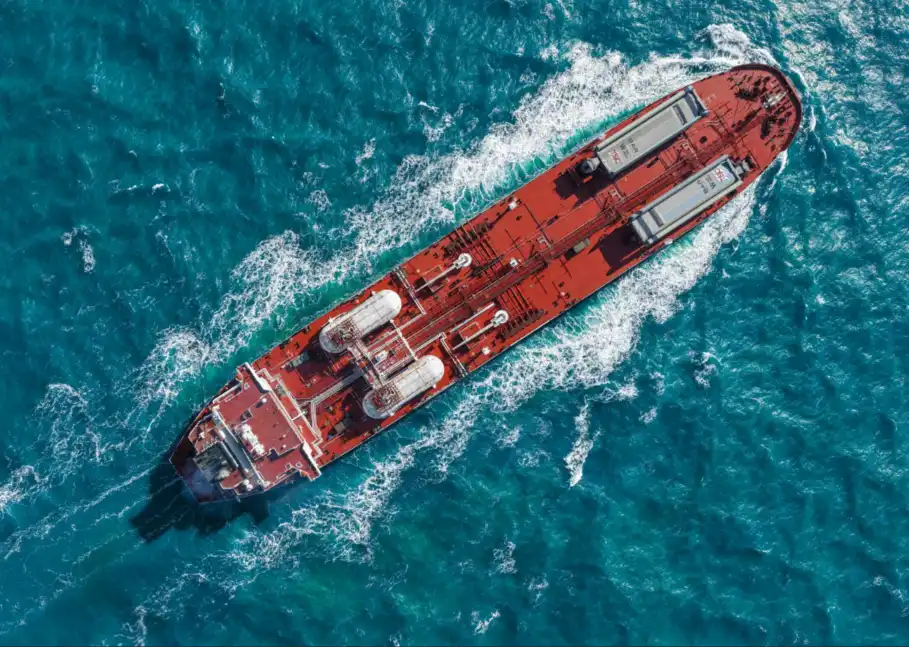
Understanding WindWings® Technology for Cargo Ships
The Engineering Behind Wind-Assisted Propulsion
The technology behind WindWings® changes how cargo ships work with natural wind forces. Unlike passive wind deflectors, this device actively produces power for movement by using camber and angle of attack that can be changed to adapt to changing wind conditions. The three-element rigid wing shape creates aerodynamic lift like airplane wings, which provides thrust that directly balances the load on the main engine.
The method is smart because it can automatically optimize things. Real-time wind data, vessel speed, and direction are constantly analyzed by special software to find the best wing design. This technology makes sure that the ship works at its best without the need for constant crew input. This makes wind-assisted propulsion useful for business shipping.
Core Benefits Driving Industry Adoption
When cargo companies choose WindWings®, they get measured financial and environmental benefits. DNV's independent verification shows that on optimal routes, fuel savings of up to 30% are possible, which means that running costs are cut by a large amount. As bunker fuel costs change and carbon tax systems spread around the world, these savings become even more valuable.
In addition to business, the technology solves problems with following the rules. Ships that use wind power have better Carbon Intensity Indicator (CII) scores, which helps their owners meet International Maritime Organization (IMO) goals. This benefit of compliance protects fleet values and keeps charterers who care about the environment from having to choose boats with low emissions.
WindWings® are more likely to be used in businesses because they are safer. The hydraulic lay-down system lets the wings fold fully flat during bad weather, so there is no structural risk during storms. This function tackles a major issue that has generally kept the cargo sector from using wind propulsion.
Comparing WindWings® with Traditional Wind Deflectors in Maritime Use
Durability in Harsh Marine Environments
Traditional wind displacement systems often have trouble in the corrosive sea climate, needing to be serviced more often and losing parts faster. WindWings® get around these problems by using strong materials like ship-grade steel and industrial E-glass alloys in their construction. Long-term reliability is a top priority when choosing materials, and the system is meant to work for twenty-five years without needing major component repair.
Connection points and actuators are also part of the skeletal stability. Marine-grade hydraulics don't rust in saltwater, and control parts have two sets of safety systems built in. This way of engineering cuts down on unexpected maintenance that could mess up cargo plans or make repairs more expensive.
Performance Validation and Industry Recognition
To earn industry trust, performance claims need to be checked by a third party. WindWings® have been put through a lot of tests by well-known fluid dynamics study groups, such as the Wolfson Unit and Lloyd's Register. These tests show that the system produces more than 2.5 times as much lift as regular single-wing versions, showing that it is more aerodynamically efficient.
Approvals from classification societies like DNV, Bureau Veritas, Lloyd's Register, and CCS give the product more respect. These approvals show that the technology meets strict safety standards for the marine industry and can be installed without affecting the ship's ability to float. Real-world testing with working ships shows that the system works in more than twenty major ports around the world.
Cost-Benefit Analysis for Fleet Operators
Long-term practical savings must be weighed against the cost of the initial investment. Although wind power systems need to be bought up front, they usually pay for themselves in three to five years, though this depends on the route and the price of fuel. As more ways are found to price carbon, payback times keep getting shorter.
When upkeep costs are taken into account, the total cost of ownership comes out to be lower. WindWings® work like deck cranes that sailors are used to, so they don't need as much training and are easier to use. Manufacturers like CM Energy offer long-term service packages that help with lifecycle management and make upkeep costs more reliable.
Best Practices: Top 5 WindWings® Applications for Cargo Ships
Application 1: Long-Haul Voyage Fuel Optimization
Long ocean trips are great for getting the most out of wind power. Shipping lanes that go between important trading areas, like those that go across the Pacific or the Atlantic, have constant wind patterns that WindWings® can use to their advantage. During these trips, the system offers constant thrust help, which lets the main engines work with less load.
Chemical tankers and LR2 tankers that travel long distances on regular routes have an edge. The constant fuel savings add up over many trips each year, lowering costs by a large amount. Weather planning software built into the wing control system finds the best routes that take advantage of the wind while staying on schedule.
Application 2: Container and Cargo Stabilization
Wind forces usually make it hard for ships to stay stable and keep goods safe. This worry is taken care of by WindWings®' active stability features. The automatic control system changes the shape of the wings to combat times of destabilizing wind, which makes the ship behave better when it's in a crosswind.
This effect helps keep things stable for bulk carriers that carry grain, ore, or coal. Wings are strategically placed between cargo holds so that they can work with hatch covers and tools for moving goods without any problems. With the ability to "lay down," wings will never get in the way of loading or unloading at port sites.
Application 3: Enhanced Safety During Adverse Weather
Rough seas put every part of a ship's design and tools to the test. WindWings® make things safer by responding smartly to changes in the weather. When wind speeds get too high, the system automatically feathers into a position that is less turbulent. This cancels out any mechanical forces that might make the structure less stable.
When there is an emergency, the manual switch feature gives staff direct control. This backup makes sure that the wing system never fails during important steering events. The strong build can handle bad weather that would damage less durable wind power options.
Application 4: Integration with Modern Ship Automation
Modern cargo ships depend more and more on combined robotic systems to control their movement, navigation, and cargo operations. WindWings® adds to these systems by integrating data that gives software for managing boats reports on power input. This openness lets owners figure out how much fuel they're saving and plan their routes more efficiently.
The web-based interface lets teams on land check on the operation of the wings from afar, which helps with plans for optimizing the whole fleet. Commercial shipping companies that are in charge of a fleet of ships can look at performance data across their entire fleet to find the best ways to use wind power and make their operating processes even better.
Application 5: Environmental Regulation Compliance Support
Regulatory compliance used to be an optional company duty, but now it's an essential practical requirement. WindWings® directly helps ships follow IMO rules, such as CII grades and EEXI standards. The measured drops in emissions provide the proof needed for environmental certifications and reports to regulators.
People who run ferries and boats that go along the coast value quick regulatory wins the most. When you mix better short-route efficiency with the ability to move around without releasing emissions, you get compelling compliance options. It often takes less than five years for the investment to pay for itself, which fits in with budget cycles and planning timelines for fleet upgrades.
Maintenance and Support: Ensuring Long-Term Performance of WindWings®
Routine Maintenance Protocols for Maritime Conditions
For long-term success, repair must be planned ahead of time and tailored to the harsh marine climate. On a regular basis, structural parts, hydraulic systems, and control electronics are inspected to find problems before they affect operations. Cleaning procedures get rid of salt buildup that could damage surfaces or stop machines from moving.
Protective treatments that are given during regular repair make parts last longer. Coatings that are resistant to UV light protect plastic parts from damage caused by the sun, and rust inhibitors keep metal parts safe. These precautions keep the system's working efficiency high throughout its service life and reduce the number of unexpected breakdowns that happen.
Comprehensive Warranty and After-Sales Support
CM Energy offers full support plans that are made just for cargo shipping companies. The warranty covers problems with the way the product was made and parts that break. This keeps operators from having to pay extra for repairs during the important early operating time. Operators who don't like taking risks can get extra financial security from extended guarantee choices.
Technical help is part of after-sales service packages that can be accessed by both staff on board and fleet management teams on land. Troubleshooting tips help fix practical problems quickly, reducing the amount of time that systems are down. On-site service capabilities make sure that ships get expert help when they need to make complicated fixes or changes.
IoT Monitoring for Predictive Maintenance
Internet of Things technology is used in advanced tracking features to keep an eye on system health all the time. Sensors send data for analysis and keep an eye on hydraulic pressure, structural loads, and the performance of the control system. With this knowledge, predictive maintenance plans can be made that plan service tasks to be done before parts break.
The system for tracking helps keep performance getting better. Data analytics find ways to improve things and help with software changes that make systems work better. This ongoing work makes sure that wind power technology keeps getting better even after it's been installed, which increases the value of the original investment.
B2B Procurement Insights: Purchasing WindWings® for Cargo Ships
Engaging with Authorized Suppliers and Manufacturers
People in charge of buying things should only work with approved suppliers who have experience in the maritime business. CM Energy is a technology-driven company with a long history of making marine equipment. They are a known WindWings® maker that helps cargo operators around the world. Working directly with well-known makers guarantees real goods and full support services.
The first step in the buying process is a compatibility study, which checks to see if certain ships can fit wind propulsion systems. This expert review checks the suitability by looking at the structural capacity, deck plan, and operating profiles. During this time, manufacturers help with engineering and give expert advice that helps with investment choices.
Flexible Procurement Options for Fleet Requirements
Cargo managers are in charge of a varied fleet, which means they need to be able to adapt their purchasing methods. When owners retrofit multiple ships at the same time, bulk buying agreements help them save money. Volume agreements allow for better price terms and make sure that all of the equipment in the company has the same specs.
Integration of new builds is another way to buy things. When shipyards and design firms work with suppliers of wind power systems, they can add systems while the ships are still being built. This improves structural integration and lowers the cost of installation. CM Energy works with builders to offer turnkey solutions that meet the needs of charterers who want environmentally friendly ships.
Installation Support and Technical Training
Adopting wind propulsion involves more than just getting the tools to people. Full installation support includes supervising the assembly on-site, doing factory acceptance tests, and helping with start-up. Before ships go back into business service, these services make sure that all of the systems are fully linked and working properly.
Technical training programs get teams and repair workers ready to work with wind power. Routine operations, emergency measures, and basic fixing are all covered in training, which boosts confidence and skill. This sharing of information is necessary to get the most out of the system and keep it reliable over time.
Conclusion
WindWings® technology offers tried-and-true answers to the biggest problems cargo ship owners face, like changing fuel prices, strict rules to follow, and calls for environmental protection. When you combine proven fuel savings, strong engineering, and a wide range of support services, you get a great deal for chemical tankers, bulk carriers, LR2 tankers, and many other types of business ships. Wind-assisted propulsion is a mature technology that is ready for wide use, as shown by the fact that sites at major ports around the world have worked well. CM Energy is dedicated to reducing carbon emissions in the marine sector by using modern wind propulsion systems. This makes us a valuable partner for operators who are managing the environmental changes in the industry.
FAQ
1. How do WindWings® achieve fuel efficiency gains?
The three-element rigid wing shape creates aerodynamic force that works with the main engine to move the ship forward. By using wind energy, ships need less fuel to keep going at the speeds they want. The automatic optimization system keeps changing the shape of the wings to get the most thrust in all kinds of wind, so the ship stays more efficient throughout its journeys.
2. What is the expected lifespan of WindWings® in harsh marine environments?
Ship-grade steel and industrial materials were used to build this strong structure, which will last for twenty-five years. When choosing materials, corrosion protection and structure longevity are given the most weight so that they can handle being in saltwater, UV light, and mechanical stresses. Following the manufacturer's instructions for regular maintenance keeps efficiency high throughout this longer service life.
3. Can WindWings® be retrofitted to existing cargo vessels?
Retrofitting is one of the main ways that wind power technology is used. Compatibility analysis figures out what the structure needs. To handle thrust loads, the deck usually needs to be reinforced. Even though the assembly process needs the ship to be shut down, it works with planned dry-dock times to keep operations running as smoothly as possible. Thousands of ships around the world already have the right features to be retrofitted for wind power.
Partner with CM Energy for Advanced Wind Propulsion Solutions
CM Energy has decades of experience making marine tools and can help with the application of wind-assisted power. Our TSC name has brought new ideas to the maritime business around the world, and our tried-and-true technology is used on ships all over the world. As an official WindWings® provider, we offer full help, from checking to see if the products will work with each other to installation, commissioning, and ongoing servicing. Our engineering teams work with shipowners, builders, and design firms to create custom wind power solutions that meet the needs of certain operations and stay within budget.
Get in touch with our technical experts at info.cn@cm-energy.com to talk about how wind-assisted power can improve the environmental and economic performance of your fleet. Our expert method makes sure that the solutions we offer fit your business's needs, the rules that apply, and your goals for sustainability.These solutions help the industry reduce carbon emissions.
References
1. International Maritime Organization. (2023). "Guidelines on the Method of Calculation of the Attained Energy Efficiency Design Index for New Ships." IMO Marine Environment Protection Committee.
2. Smith, T.W.P., et al. (2021). "Wind-Assisted Ship Propulsion: Matching Technology to Routes and Trades." Journal of Marine Engineering & Technology, Vol. 20, Issue 3.
3. Lloyd's Register and UMAS. (2022). "Techno-Economic Assessment of Zero-Carbon Fuels and Wind-Assisted Propulsion." Maritime Decarbonization Research Report.
4. Bureau Veritas. (2023). "Rule Note NR 671: Guidance for Wind-Assisted Propulsion Systems on Commercial Vessels." Marine & Offshore Division Technical Publications.
5. DNV. (2024). "Energy Transition Outlook: Maritime Forecast to 2050." Det Norske Veritas Group AS Research Division.
6. Windship Technology Forum. (2023). "Operational Experience and Performance Data from Wind-Assisted Propulsion Installations 2020-2023." Annual Industry Report on Wind Propulsion Systems.