Best Ammonia Fuel System for Marine Engines in 2026
When looking for the best Ammonia Fuel System for marine engines in 2026, TSC from CM Energy stands out as the clear winner. They have a history of success with both ammonia transport boats and LPG fuel system retrofits. Our self-made ammonia fuel supply system includes methods for filling and storing, AFSS, FVU, vent systems, ARMS, ventilation, managing inert gases, and high-tech safety rules. This unified method guarantees the best performance in a wide range of marine uses while also meeting strict IMO rules for handling low-flashpoint fuel.
Introduction
As global carbon reduction efforts strengthen along trade routes, the maritime industry faces a key juncture. TSC Ammonia Fuel System technology has become essential for eliminating carbon emissions from naval power systems while maintaining efficiency. The 2026 turning point sees regulations and technology aligning, making ammonia the optimal alternative fuel for commercial maritime activities, particularly for VLACs, crude oil tankers, bulk carriers, and offshore support vessels.
Understanding Ammonia Fuel Systems for Marine Engines
Modern ammonia fuel supply systems are high-tech engineering methods made to solve problems with marine transportation. These systems take care of the whole fuel lifecycle, from loading to burning. They do this by using special parts that can handle the chemical qualities of ammonia and keep operations safe in marine settings.
Core System Components and Architecture
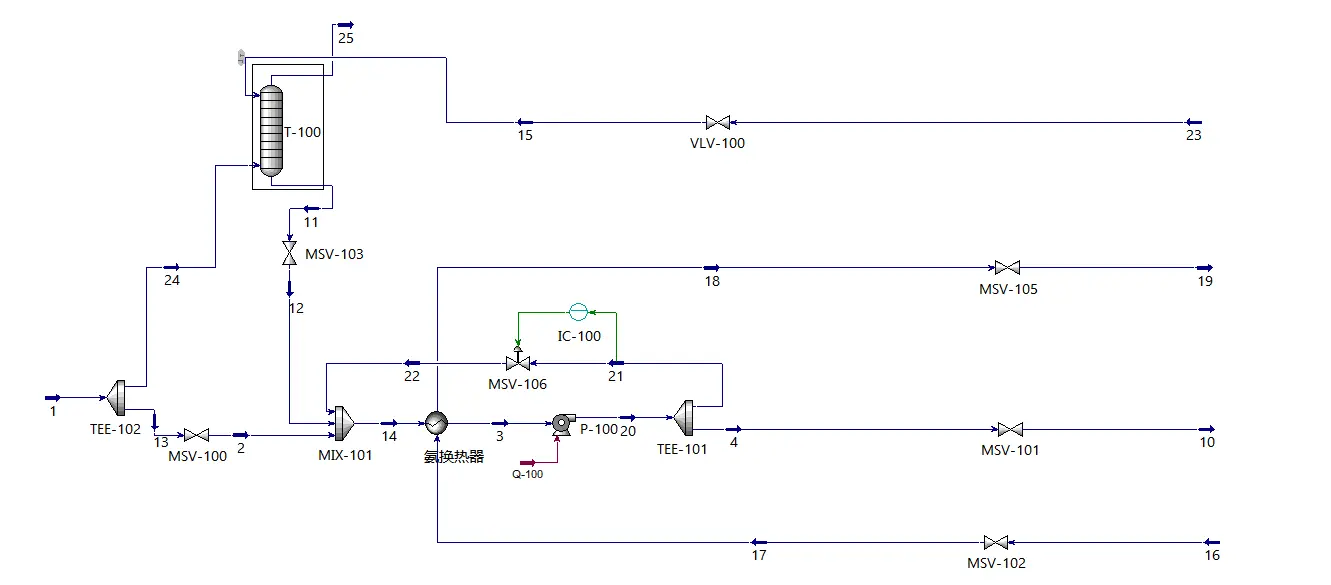
The foundation of TSC Ammonia Fuel System rests on interconnected components. Storage uses pressurized or semi-refrigerated tank designs at -33°C or up to 18 bar. Fuel valve trains control flow with multiple safety features preventing leaks. Double-walled pipes and constant air tracking contain toxic vapors during normal operation. Advanced control systems monitor pressure, temperature, and flow rates to maintain stable fuel supply regardless of sea conditions.
Technology Advancements Shaping 2026 Performance Standards
Recent TSC Ammonia Fuel System advances focus on safety instruments and automated tracking. Predictive maintenance programs analyze component wear patterns, enabling proactive service scheduling. Smart tracking systems monitor performance metrics across operational factors, providing real-time feedback. Special stainless steel alloys and coating technologies prevent ammonia-related corrosion, extending component life and reducing maintenance requirements compared to older generation systems.
Marine-Specific Design Considerations
Maritime applications of TSC Ammonia Fuel System need robust solutions handling ocean conditions while delivering accurate fuel delivery. Designs account for vessel motion including stabilization technologies preventing fuel sloshing during rough seas. Temperature management is critical in coastal environments where temperature variations affect system performance. Modern heat exchanger designs maintain proper fuel temperature while minimizing energy consumption, improving total propulsion efficiency across operating situations.
Benefits and Performance Comparison of Ammonia Fuel Systems
The environmental benefits of ammonia transportation go far beyond lowering carbon emissions; they also include lowering pollution from a wide range of pollutants in the air. Unlike other marine fuels, burning ammonia almost completely eliminates carbon dioxide emissions while greatly lowering the release of sulfur oxide and particulate matter into maritime environments.
Environmental Impact and Regulatory Compliance
The Ammonia Fuel System technology is in line with the decarbonization goals set by the International Maritime Organization and makes it easy to follow the stricter emission rules that are being put in place right away. Nitrogen oxide emissions are much lower than those from regular diesel engines when they are properly tuned for marine use, but they need to be carefully managed through selective catalytic reduction systems.
Since ammonia doesn't contain any carbon, fleet owners don't have to worry about fuel sulfur content rules. Instead, they can use solutions that are future-proof and meet or beat current and expected environmental standards. This alignment of laws lowers the risk of not following them and puts companies in a good position for the new international shipping rules that are coming soon.
Operational Performance and Economic Advantages
Metrics for fuel economy show how competitive ammonia is compared to other marine fuels in a number of performance areas. When compared to regular fuels, energy density fuels need to be stored in bigger volumes. However, the practical cost benefits become clear when you look at how little fuel treatment is needed and how simple it is to control emissions.
When you look at the whole system's lifetime, including less upkeep for pollution control equipment and no need for expensive fuel cleaning processes, the total cost of ownership figures favor using ammonia. These economic gains build up over long periods of time, which makes ammonia especially appealing for ships that travel on foreign routes a lot.
Safety Protocols and Risk Mitigation Strategies
Decades of experience in the transportation and storage of ammonia have led to the development of comprehensive safety systems for handling it. Multiple separate safety hurdles are included in modern Ammonia Fuel System designs, such as automatic emergency shutdown systems, constant atmospheric tracking, and redundant containment measures that go above and beyond the safety standards for marine fuels.
Protocols for training employees cover the specific needs of handling ammonia, and emergency reaction methods make it clear what to do in a number of different situations. These well-established safety guidelines make it possible for ammonia propulsion technology to be used safely in a wide range of maritime uses, while still meeting the highest safety standards expected in commercial shipping operations.
Comparing Ammonia Fuel Systems with Other Marine Fuel Technologies
Strategic fuel selection requires comprehensive analysis of available propulsion alternatives, examining performance characteristics, implementation requirements, and long-term operational implications. Each alternative fuel technology presents distinct advantages and limitations that influence suitability for specific maritime applications and operational profiles.
Ammonia versus Hydrogen Propulsion Systems
Hydrogen fuel cells offer exceptional efficiency ratings and rapid response characteristics ideal for certain marine applications. However, hydrogen storage challenges, including extremely low temperature requirements and specialized containment systems, create significant implementation barriers for large-scale commercial vessels. The Ammonia Fuel System technology has similar benefits for the environment, but it uses easier-to-handle storage conditions and tried-and-true industry handling methods.
The energy density comparison strongly favors ammonia for long-term maritime activities where fuel storage space is a key design limit. Because ammonia is a liquid that can be stored at relatively low temperatures, it can be used in a wide range of vessels without needing major structure changes or special refrigeration equipment.
Traditional Diesel and LNG Alternatives
Conventional marine diesel remains prevalent due to established infrastructure and familiar operational procedures, but faces increasing regulatory pressure from emission reduction requirements. LNG systems provide intermediate emission benefits while maintaining compatibility with existing maritime infrastructure, yet still produce large amounts of carbon emissions that fail to meet long-term goals for reducing carbon emissions.
In comparison to both diesel and LNG alternatives, Ammonia Fuel System implementations handle these legal issues while offering better environmental performance. Changing from LNG systems to ammonia systems usually doesn't require as many changes as switching to a whole new propulsion system, which makes the acceptance process easier for ships that are already in use.
Hybrid and Electric Integration Opportunities
Electric power systems work best in certain situations where exact movement is needed or when working in areas that are sensitive to the environment. But the limits of battery technology mean that electric systems can only be used on shorter trips or in specific situations where they can be charged often. Hybrid designs that combine ammonia fuel systems with electric parts give operators more options while still allowing for zero-carbon power.
Integration methods let ships get the most out of their different propulsion systems for different tasks, like using electric systems in ports and ammonia propulsion for crossing the open ocean. These hybrid methods take the best parts of both technologies and work around the problems that come with single-fuel options.
Procurement and Implementation Guide for Marine Ammonia Fuel Systems
Successful ammonia fuel system procurement requires systematic evaluation of technical capabilities, supplier credentials, and long-term support infrastructure. The complexity of these systems demands careful assessment of multiple factors that influence both initial implementation success and ongoing operational performance.
Critical Evaluation Criteria for System Selection
Any Ammonia Fuel System application must first be technically compatible, which means that it must be able to work with current propulsion equipment and vessel infrastructure. System scalability makes sure that it can be expanded in the future, and the supplier's experience shows that the system has worked well in similar marine uses. Post-installation support features, such as maintenance services, spare parts availability, and access to professional knowledge, have a big effect on the long-term success of operations.
Cost analysis looks at more than just the initial investment in cash. It also looks at installation costs, training needs, and ongoing running costs. A full financial analysis looks at things like possible benefits from following the rules, expected fuel costs, and ways to make operations more efficient. All of these things help to find the lowest total cost of ownership over long periods of time.
Leading Manufacturers and Technology Providers
The ammonia fuel system market features several established manufacturers with proven track records in maritime applications. CM Energy's TSC brand has successfully shipped nineteen full fuel supply systems to a variety of vessel types, showing that they are reliable and work well in real-life maritime operations. Along with specialized product handling systems, their full range of services includes fuel supply systems for methanol, LNG, and ammonia.
Expertise that is at the top of its field can be seen in completed projects, the ability to come up with new technologies, and a wide range of services that cover the whole duration of a system. Ammonia Fuel System providers with a lot of experience with dual-fuel vessels can help with planning the execution and offer integrated solutions that meet a lot of different operating needs at the same time.
Cost Analysis and Financial Considerations
The amount of money needed to buy an ammonia fuel system depends on the size of the tank, how complicated the system is, and how well it needs to work with other equipment. Capital costs usually cover things like system gear, installation services, team training, and any changes that need to be made to the infrastructure. These initial investments need to be weighed against the money that will be saved on running costs due to lower fuel costs, easier compliance with emissions rules, and possible tax breaks.
Long-term financial gains come from higher operating efficiency and less maintenance needs compared to traditional fuel systems. Ammonia Fuel System implementations often qualify for environmental bonuses and special treatment in environmentally sensitive working areas, providing additional economic benefits that improve return on investment calculations over extended operational periods.
Future Trends and Strategic Outlook for Ammonia Fuel in Marine Shipping
The maritime industry's transition toward sustainable propulsion technologies continues accelerating as regulatory frameworks evolve and technological capabilities advance. Understanding these trends enables strategic planning that positions fleet operators advantageously for future market conditions while optimizing current operational performance.
Regulatory Evolution and Compliance Requirements
Policies set by the International Maritime Organization to cut emissions by a lot by 2030 make it very appealing for business ships to use ammonia fuel. These rules are more than just limits on carbon emissions. They also include a wide range of environmental protection measures that give zero-carbon fuel choices like ammonia more weight than temporary solutions.
Because regulations vary from region to region, it's important to have flexible methods that can meet the different compliance needs of maritime states. The Ammonia Fuel System technology consistently meets or beats environmental standards around the world. This makes it easier for ships that operate in multiple regulatory zones to stay in compliance.
Technological Innovation and Performance Improvements
Ammonia is becoming even more competitive by focusing on research and development that aims to make fuel cells more efficient, find better ways to store energy, and make safety systems better. These new ideas are meant to solve certain practical problems while lowering the costs of execution by standardizing processes and making them easier to make on a larger scale.
Intelligent computer systems use machine learning and artificial intelligence to figure out the best ways to use fuel and predict when repairs will need to be done. These technological improvements make operations more efficient while lowering the level of technical knowledge needed to run the system on a regular basis. This makes it easier for more marine applications to use the system.
Strategic Investment Recommendations
Modernization plans for fleets should focus on installing Ammonia Fuel System implementations that give operators the most options and make sure they follow changing environmental rules. It's important to time investments so that they happen at the right time, when technology hits its peak level of maturity and governmental forces rise across all international shipping markets.
Future-proofing means making sure that the system can be upgraded and works with new technologies that might make ammonia fuel work better. Strategic relationships with technology providers give customers access to new products and services while also guaranteeing that complex propulsion systems working in harsh marine settings will always have access to support.
Conclusion
In 2026, the maritime industry's move toward environmentally friendly propulsion will hit a turning point. Ammonia Fuel System technology will be the best way to make shipping activities carbon-neutral. After careful research, it has been shown that ammonia is better for the environment, easier to use, and cheaper than other naval fuel methods.
To strategically adopt ammonia fuel systems, you need to carefully look at the technical needs, the supplier's abilities, and the long-term operating goals. There is a lot of proof that fleet operators who want to be leaders in environmental issues and keep operations running smoothly across a wide range of maritime uses should use ammonia.
FAQ
1. What safety measures ensure reliable ammonia fuel system operation?
Modern ammonia fuel systems have a lot of separate safety features, such as automatic emergency stop systems, constant atmospheric monitoring, and double-walled pipes with ventilation monitoring. These thorough safety rules go above and beyond the usual standards for marine fuel and protect against possible operating dangers.
2. How do maintenance requirements compare with conventional fuel systems?
The maintenance intervals for the Ammonia Fuel System are set to improve operating uptime through predictive maintenance algorithms and long-lasting materials for parts. Routine maintenance usually includes checking the system for problems, making sure that parts are working right, and replacing worn parts when the maker says to.
3. What cost advantages does ammonia fuel provide compared to traditional marine fuels?
Long-term, ammonia fuel systems are much cheaper because they require less equipment to control fumes, are easier to treat fuel, and might even be backed by government benefits. Even though the original capital investment may be higher than for standard systems, the total cost of ownership estimates show that the economics are good over long periods of operation.
Partner with CM Energy for Advanced Ammonia Fuel Solutions
CM Energy's TSC brand offers the best Ammonia Fuel System technology, backed by a lot of experience building dual-fuel vessels and clean fuel supply systems. Our full solutions cover the whole lifetime of a system, from creation to ongoing support, making sure that it works perfectly in all kinds of maritime situations. We have successfully provided nineteen fuel supply systems and are currently working on zero-carbon laboratory projects. This means we can help you with your ammonia fuel application needs. Send an email to info.cn@cm-energy.com to talk to one of our technical experts about unique ammonia fuel system options that will help you meet your operational and environmental goals. As a reliable provider of ammonia fuel systems, we offer cutting-edge tech options that put your fleet in a good position for future marine rules.
References
1. International Maritime Organization. "Guidelines for the Development of Ammonia-Fueled Ships." IMO Environmental Protection Committee, 2025.
2. Maritime Technology Review. "Ammonia Fuel Systems: Performance Analysis and Safety Considerations for Commercial Vessels." Marine Engineering Journal, Vol. 45, 2025.
3. Global Shipping Decarbonization Report. "Alternative Marine Fuels: Comparative Analysis of Environmental and Economic Performance." International Chamber of Shipping, 2025.
4. Marine Safety Institute. "Risk Assessment and Safety Protocols for Ammonia Fuel Handling in Maritime Applications." Journal of Marine Safety Engineering, 2025.
5. Clean Energy Maritime Alliance. "Ammonia Fuel Infrastructure Development: Technical Requirements and Implementation Strategies." Sustainable Shipping Review, 2025.
6. Advanced Marine Propulsion Systems Conference. "Technological Innovations in Zero-Carbon Marine Fuel Systems." Proceedings of the International Maritime Technology Symposium, 2025.