Rigid Sail Benefits in Modern Wind-Assisted Shipping
In current wind-assisted ships, Rigid Sail technology is useful for a lot more than just saving fuel. These new propulsion systems cut carbon pollution by a measured amount, improve CII ratings, and lower running costs by up to 30% on good routes. A Rigid Sail, which is shaped like an airfoil, is better at using wind energy because it is more aerodynamically efficient than standard soft sails. This makes it an important option for business operators who must deal with stricter IMO rules and unstable fuel markets.
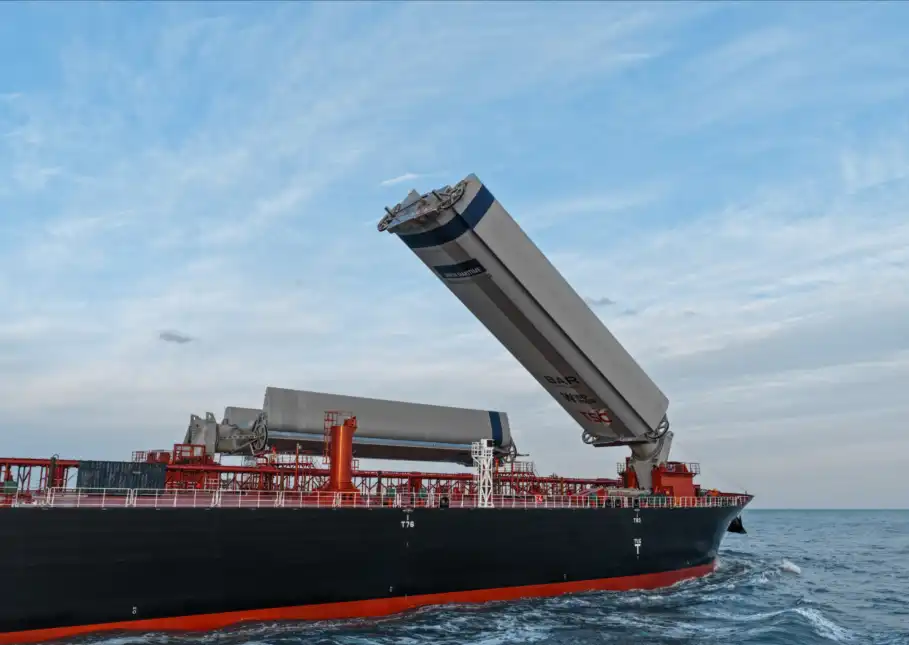
Understanding Rigid Sail Technology in Wind-Assisted Shipping
Commercial ships can now use wind power again, but with much more advanced technology than our ancestors could have dreamed. Modern wind-assisted propulsion systems are a mix of marine custom and aircraft engineering. They were made to meet the needs of global trade in the 21st century.
How Rigid Sails Work: Aerodynamics Meets Maritime Engineering
Instead of wind-driven textile sails, rigid sail systems act like vertical aeroplane wings. Their well-designed aerofoil forms create pressure differences between their windward and leeward sides, giving them lift. This aerodynamic idea helps ships move against the wind, which soft sails struggle with.
Complex systems like WindWings® employ three-element wing design, which expands on this notion. Because camber and angle of attack may be altered, these devices can adapt to the wind. Power generation adapts to weather patterns to maximise fuel displacement on a variety of sailing itineraries.
Material Innovation and Construction Standards
Modern wind power systems incorporate ship-grade steel and sophisticated composites, including industrial E-glass. This hybrid construction method balances structural strength and weight, which is crucial for adding large aerodynamic areas to cargo ships.
Products undergo rigorous testing. DNV, Lloyd's Register, and Bureau Veritas need extensive evidence before type approval. These criteria ensure systems can withstand corrosive seawater, wind gusts, and decades of operation. Composite parts offer smooth aerodynamic zones for lift, while steel sections handle structural stresses and link to the vessel top. This blend creates 25-year-long systems
without substantial component changes. Fleet managers must consider this while making long-term capital investments.
Variants in Wind Propulsion Technology
There are many wind-assisted power market approaches. Mechanical systems move stiff wing sails. Some designs incorporate foldable or extendable components that lessen air draft when ships transit under bridges or cooperate with port infrastructure. Multi-element designs can tolerate larger lift factors than single-element ones.
Pressurised textiles retain inflatable stiff structures, airfoil-shaped, making them a suitable compromise. Solar screens on sails may generate power and create propulsion in hybrid systems. Each edition addresses current commercial shipping's distinct operational demands, vessel kinds, and trade route peculiarities.
Core Benefits of Rigid Sails in Modern Shipping Operations
Commercial shipping companies are under a lot of pressure from regulators, changing costs, and demands for sustainability. These problems can be solved by Rigid Sail wind power technology in a number of ways that go beyond measuring fuel usage.
Quantifiable Fuel Savings and Operational Cost Reduction
Real-world systems have shown that fuel use can be cut by 10% to 30%, based on the route and the amount of wind that is available. On good roads, a single big installation can move more than 1.5 tons of fuel every day. For one ship, this means hundreds of thousands of dollars in saved fuel costs over the course of a year.
These savings add up over the whole fleet. A Newcastlemax bulk carrier that sails trans-Pacific lines might add more than one wing unit, with each unit adding a certain amount to the total power generation. When the ship's weight is low, propulsion systems can keep it moving at a faster speed while using less engine power. This makes the economic case even stronger on ballast legs.
Environmental Impact and Regulatory Compliance
The International Maritime Organisation has set ambitious greenhouse gas reduction objectives for the shipping industry. Wind power directly increases EEXI and CII scores. The likelihood of a ship being chartered and its flexibility are increasingly influenced by these regulatory procedures.
About 3.2 tonnes of CO2 are avoided for each tonne of fuel transferred. Chemical tanker, LR2 tanker, and bulk ship installations save millions of ocean miles annually. Because they must fulfil scope 3 emissions reduction requirements, charterers and ship owners benefit from carbon accounting.
Good CII ratings and green certifications assist firms in the market. In areas with environmental performance regulations, vessels with proven emission-reducing systems enjoy better port access and greater employment rates. This regulatory arbitrage advantage enhances wind power's commercial case.
Enhanced Vessel Performance and Operational Flexibility
Modern wind propulsion systems integrate with the ship and reduce wind influences on airflow to stabilise it. Automatic control systems alter wing direction more quickly than humans to respond to wind fluctuations. This responsiveness maintains optimal thrust generation regardless of course or weather.
The efficacy of wind-assisted boat weather routing software is another factor. Web-based technologies help land and sea teams design wind-optimised routes. These devices operate with existing navigational gear and report thrust performance, helping workers maximise fuel displacement every trip.
Organisational freedom covers port operations. Tilting systems allow wings to "lay down" for tanker and bulk ship cargo loads. Deck workers believe this equipment is like cranes and need no sailing skills. This eliminates the training difficulties that prevented ships from using wind power.
Comparative Analysis: Rigid Sails vs Other Wind Propulsion Solutions
When procurement teams look at investments in wind power, they have to deal with a lot of different technologies, each of which claims to be better in some way. Figuring out the pros and cons of each method makes it easier to choose options that fit the needs of specific operations.
Performance and Durability Comparison
In comparison to soft sail options, Rigid Sail installations offer steady performance over a wider range of wind speeds. When it's really windy, traditional canvas or synthetic fabric sails have to be furled to keep them from getting damaged. This means they can't help when the wind is strongest. Rigid structures can handle higher wind speeds and keep making power even when conditions make flexible structures useless.
Lift factors that are achieved by fixed wings with more than one element are much higher than those that are achievable by fabric sails or wings with only one element. This aerodynamic efficiency directly affects fuel discharge, which is the key factor that decides return on investment. Independent confirmation by fluid dynamics study groups like the Wolfson Unit backs up claims of ability that might have stayed theoretical otherwise.
Lifecycle Cost Analysis
Rigid sail systems cost more to install than wind power systems. However, total cost of ownership estimates vary. It has a 25-year design life, requires minimal maintenance, and can be transported between ships. This spreads capital costs across longer operating periods.
Rigid installations follow the same criteria as deck gear. Electrical and hydraulic systems for ships employ components familiar to ship engineers. Manufacturers provide long-term service contracts to help financial planners estimate product maintenance costs.
Installation Complexity and Integration Considerations
A ship's construction must be analysed and designed to incorporate wind power. A compatibility study by rigid sail producers determines deck weight, stability, and vessel class space demands. Installation is safer since technical work is done before cutting the steel.
Implementing anything using the Newbuild interface is easy. Starting with wind propulsion suppliers, shipyards and design companies can find the best ways to arrange the ship's structure, route its electrical and hydraulic systems, and plan its decks to handle both moving cargo and propulsion equipment. Bulk ships may call at major ports worldwide without issues thanks to this collaborative strategy.
Procurement Guide: Choosing and Integrating Rigid Sails for Your Fleet
When buying wind propulsion technology strategically, you need a structured review method that combines technical performance, supplier skills, and long-term support infrastructure. The following approach helps people make decisions by walking them through important selection factors.
Matching Technology to Vessel Type and Trade Routes
When chemical trucks carry dangerous goods, they need control systems that won't explode and parts that won't spark. Because of the operating setting, equipment must be rated for explosive atmospheres, which makes choosing a system more difficult. Suppliers who know about ATEX rules and truck classification society rules can easily follow these standards.
Because they have big decks and mostly clear layouts between container holds, Newcastlemax bulk carriers are perfect for setups with more than one wing. Most of the time, the placement plan puts systems where they won't interfere with cargo cranes and hatch covers. Installations that work well show that business cargo activities and wind propulsion can live without affecting each other.
Supplier Evaluation and Credibility Assessment
Manufacturing ties are crucial with new tech. CM Energy's TSC brand combines decades of maritime tool knowledge with wind propulsion development. The company's experience building complex deck cranes and other lifting equipment for the maritime sector worldwide lends them respect.
Check patent security and IP rights while evaluating a provider. WindWings® technology uses UK-patented three-element designs from BAR Technologies. The America's Cup, the premier sailing tournament, inspired corporate shipping improvements.
The warranty and after-sales support should be reviewed. Complete lifecycle support packages should include installation supervision, crew training, IoT-based tracking, and maintenance services. The greatest suppliers consider tool delivery as the start of a long-term partnership. As a leading Rigid Sail manufacturer and supplier with decades of marine equipment expertise, we know what commercial shipping firms desire.
Installation Process and Long-Term Support
A comprehensive vessel compatibility analysis is generally the initial installation stage. Engineers consider structural load capacity, safety, and operations. Factory acceptance testing helps owners verify that the equipment operates under controlled conditions before it travels.
Installation on board follows naval construction standards. Suppliers with ship integration expertise cooperate with shipyards or drydock owners to speed installation. The objective is to bring the ships back into revenue service as quickly as possible while setting up all systems and training the crew.
Expert teams on the shore may remotely monitor the system's functioning and identify issues before they influence operations as part of continuing support. These IoT solutions monitor thrust output, mechanical system health, and maintenance requirements. Data streams assist in improving and corroborating charter party fuel savings estimates.
Future Trends and Strategic Implications of Rigid Sail Adoption in Shipping
The technology behind wind power is still changing very quickly. This is because of pressure from regulators, progress in material science, and more businesses starting to use it. Operators who think ahead set themselves up to take advantage of new technologies that will define the survival of the marine industry in the future.
Emerging Materials and Smart Technology Advances
The next generation of composites is lighter yet still strong. Commercial shipping may be able to finance advanced carbon fibre usage, particularly for large Rigid Sail installations where weight savings improve thrust-to-drag ratios. Research schools are collaborating with manufacturers to make these materials marine-safe.
Smart technology goes beyond tracking. Performance data from thousands of flights will help machine learning algorithms arrange the wings. These technologies will improve their accuracy to determine the optimal routes and sailing practices to maximise wind energy profits along trade lines.
Reshaping Maritime Business Models
More charterers are requiring tonnage-based emission performance as wind power rises. Proven fuel-saving ships command higher pricing, which pays installation expenses in a fair period. Shipowners are more inclined to employ wind power to stand out than to respect the regulations due to market dynamics.
Shipyards and design companies that include wind power are better off in the newbuild market. Classification groups now mention wind-powered propulsion technologies. Uniform frames reduce engineering uncertainty. These modifications make new technology simpler to embrace and accelerate their fleetwide adoption.
Strategic Integration and Organisational Readiness
Organisations must do more than acquire equipment to use wind power. Technical courses must teach engineering departments how to manage and enhance these systems. Teams operating from shore must utilise weather routing and performance monitoring technologies to maximise wind energy.
Wind power becomes an essential element of broader decarbonisation strategies that reduce all emissions. Wind assistance, hull optimisation, propeller upgrades, and engine efficiency enhancements allow portfolio strategies to meet rigorous carbon intensity objectives.
Conclusion
Wind propulsion technology has grown from trial setups to systems that are used in businesses and consistently save fuel and lower pollution. Rigid Sail designs are better at performance, longevity, and operational integration than other methods. This makes them ideal for business shipping uses involving bulk carriers, tankers, and other types of vessels.
The business case includes more than just saving money on fuel. It also includes meeting regulations, establishing a place in the market, and maintaining long-term operating flexibility. As the maritime industry moves toward using less carbon, wind propulsion is a technology that can be used right away and doesn't need any new fuel facilities or technical ideas that haven't been tested yet. Companies that decide quickly to look into and adopt these methods will be in a better place in a market that is becoming more concerned with sustainability.
FAQ
1. What fuel savings can I realistically expect from rigid sail installations?
Reduced fuel use depends on the path, the type of vessel, and the amount of wind. Installations that have been recorded save anywhere from 10% to 30%, with average savings of 15-20% on good lines. When the trade winds are steady, trans-oceanic trips save the most money. Coastal routes with changing wind conditions may only save a little bit more. During the procurement process, a detailed study of the routes is done to make forecasts for each vessel. How much fuel savings can I really expect from installing Rigid Sail?
2. How do rigid sails perform in extreme weather conditions?
Rigid Sail structures can keep working safely in bad weather, while standard soft sails have to be furled up during storms. High wind loads can't damage the strong structure made of ship-grade steel and composite materials. When conditions get too bad, automated control systems can change where the wings are placed or turn installations into safe positions. By locking the wings in a horizontal laydown position, the tilting system gives the best storm defense.
3. What maintenance requirements should I anticipate?
The maintenance procedures are the same as the regular maintenance that ship workers do on deck gear. According to the manufacturer's instructions, hydraulic systems need to be inspected, and their fluids changed on a regular basis. Electrical control parts are maintained according to standard procedures for electrical equipment. The composite flying surfaces need to be checked for damage every once in a while, but they don't need to be serviced regularly. A lot of sellers offer long-term repair plans that keep costs stable and make sure the system works at its best for the 25 years it was designed to last.
Partner with CM Energy for Advanced Wind Propulsion Solutions
CM Energy is ready to help your fleet switch to environmentally friendly wind-powered movement. We offer WindWings® technology through our TSC brand, which is backed by our extensive technical knowledge, global manufacturing skills, and full lifecycle support infrastructure. Our Rigid Sail systems have been tested and approved by DNV, Bureau Veritas, and Lloyd's Register. They have been used on real ships at big foreign ports and have been shown to work well.
Whether you're in charge of chemical tankers that need to be able to work in dangerous areas, bulk carriers that need to be able to carry the most fuel, or newbuild projects that need combined design solutions, our team can make configurations that are perfect for your needs. Email our experts at info.cn@cm-energy.com to talk about how wind power technology can help your fleet be better for the environment and save you money on costs.
References
1. International Maritime Organisation. (2023). "Fourth IMO Greenhouse Gas Study: Assessment of Wind-Assisted Propulsion Technologies for Commercial Shipping." IMO Publishing.
2. Lloyd's Register and UMAS. (2022). "Wind-Assisted Ship Propulsion: Commercial and Operational Performance Validation." Maritime Decarbonization Research Series.
3. DNV Classification Society. (2023). "Rules for Classification of Ships: Wind-Assisted Propulsion Systems." DNV Standards Publications.
4. Maritime Technology Journal. (2024). "Rigid Wing Sail Installations: Multi-Year Performance Review on Bulk Carriers and Tankers." Volume 18, Issue 3.
5. International Chamber of Shipping. (2023). "Practical Guide to Wind Propulsion Retrofitting: Technical and Commercial Considerations for Shipowners." ICS Industry Guidelines.
6. American Bureau of Shipping. (2023). "Sustainability Whitepaper: Evaluating Alternative Propulsion Technologies for Carbon Intensity Reduction." ABS Technical Papers.