What is a Hydrogen Fueling Station? Understanding Its Operating Principles
A Hydrogen Fueling Station is a specialized infrastructure facility designed to store, compress, cool, and dispense hydrogen fuel into fuel cell electric vehicles (FCEVs). Unlike traditional refueling stations, these systems manage high-pressure hydrogen safely, allowing commercial fleets, public transit operators, and logistics companies to refuel vehicles in just three to five minutes. This facility serves as the critical link between hydrogen production and end-use mobility, enabling heavy-duty trucks, buses, and passenger cars to operate with zero tailpipe emissions while maintaining operational efficiency comparable to diesel vehicles.
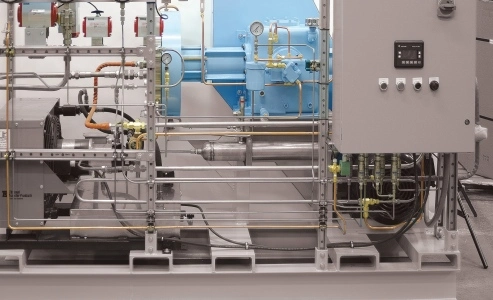
Understanding Hydrogen Fueling Stations: A Complete Overview
What Defines a Hydrogen Fueling Station?
At its core, a Hydrogen Fueling Station is a complicated thermodynamic system that combines many types of engineering. These stations get hydrogen from production units on-site or from outside deliveries. They then pressurize the gas to a standard amount that makes it safe for vehicles' storage tanks. Modern installations are made with safety in mind, and they have automatic tracking systems that look for leaks, keep the pressure in check, and shut down in an emergency if needed.
The infrastructure usually has a number of subsystems that are all connected to each other. These subsystems include gas storage banks, compression units, cooling systems, and equipment for dispensing. To make sure that the system works reliably, every part has to meet strict international standards. Station owners have to find a balance between fast refueling speeds and safety rules. This makes choosing the right equipment a very important decision point.
Types of Hydrogen Refueling Infrastructure
The market is mostly made up of two main types of facilities: liquid hydrogen facilities and sites that use compressed gaseous Hydrogen Fueling Stations. Compressed gas systems use sliding storage banks to hold hydrogen at high pressures, while liquid hydrogen stations keep hydrogen at cryogenic temperatures to get a higher energy efficiency. Which of these approaches to use depends on how much work needs to be done each day, how much space is available, and other practical issues.
On-site hydrogen production is becoming more and more popular as an option to getting supplies supplied. With electrolysis-based production, gas stations can make their own fuel locally using clean electricity, which cuts down on transportation costs and risks in the supply chain. This model is great for fleet operators who want to be independent on energy costs and know what the costs will be in the long term.
Core Components Enabling Safe Operations
The compressor on the skid is the most important part of any hydrogen filling device. Advanced diaphragm compressor technology, like PDC (Pressure Difference Compression) designs, ensures zero leaking, which is necessary to keep hydrogen pure and avoid safety issues. These units squeeze gas coming in from low-pressure storage to pressures between 35 MPa and 70 MPa, depending on the needs of the vehicle.
The complicated dance of high, medium, and low-pressure cylinder banks is controlled by sequence control units. These automatic systems get the most out of fueling by getting hydrogen from the right storage amounts, cutting down on compression processes, and using less energy. Integrated control systems keep an eye on temperature, pressure, and flow rates all the time, and they change factors in real time to meet the standards set by SAE J2601.
How Do Hydrogen Fueling Stations Work? — A Systematic Deconstruction
Hydrogen Storage and Preparation
Before going into storage systems, incoming hydrogen goes through a strict quality check. To keep the fuel cell membrane from getting dirty, purity guidelines require that the hydrogen level be 99.97%. Before the gas is compressed, it is kept in low-pressure buffer tanks, where filtering systems get rid of small amounts of water vapor, hydrocarbons, and particles.
The structure of the storage banks is set up in a cascade, with three pressure levels used to get the best refueling speed and system efficiency. This setup lets vehicles quickly fill up their tanks while limiting the amount of time the compressor has to run. This makes the equipment last longer and lowers the costs of running it.
Compression and Conditioning Process
In hydrogen refueling infrastructure, the stage that uses the most energy is the compression stage. Multi-stage diaphragm compressors raise the pressure of hydrogen by using hydraulics. The gas is compressed by rotating movements that keep them completely separate from cleaning oils. This design doesn't allow any pollution, which is very important for fuel cell uses where even small impurities can hurt performance.
Pre-cooling systems condition hydrogen before it is dispensed. This stops the thermodynamic heating that happens when tanks are filled quickly. As low as -40 degrees Celsius, heat exchanges cool the gas, making sure that the tanks of the vehicles stay within safe temperature ranges while they are being refueled.
Safe Dispensing into Vehicles
There are a lot of safety features and communication protocols built into hydrogen dispensers. Before the fueling process starts, the station and car exchange tank specs, current pressure levels, and thermal factors through infrared data transfer. The station's control system can use this data to figure out the best filling rates and pressure ramps.
Breakaway couplings protect against drive-off accidents by sealing both the nozzle and the receptacle automatically if too much force is applied. Leak detection devices around the fueling area are always looking for high levels of hydrogen. If they find any, they set off alarms and shut down the system in an emergency.
Maintenance Requirements and Uptime Optimization
Regular maintenance plans check the stability of the compressor diaphragm, the performance of the valves, and the tuning of the sensors. Predictive maintenance uses data analytics to guess when parts will break before they do, which cuts down on unnecessary downtime. The main part that wears out in most systems is the compressor diaphragm, which needs to be replaced every few thousand hours of use.
For operators in charge of vital infrastructure, it's important to form partnerships with equipment providers that offer full service agreements. With remote tracking, technical teams can find problems before they affect the operation of the station and often fix them before they become a problem.
Comparative Analysis: Hydrogen Fueling Stations vs Other Fueling Solutions
Refueling Speed and User Experience
Refueling with hydrogen saves time, which is very appealing to commercial fleet operators. Heavy-duty trucks can be refueled in less than fifteen minutes, and passenger cars can be refueled in just three to five minutes. This is as fast as or faster than gasoline stations. This operating parity gets rid of the lost time and work that comes with battery-electric options that need longer charging times.
The easy-to-use interface of hydrogen dispensers means that drivers who are switching from other fuels don't need as much training. Fueling processes are similar to how gas stations work, which makes it easier for companies that manage a variety of car fleets to adopt them.
Infrastructure Scalability Considerations
Putting together hydrogen networks costs a lot of money, especially for systems that can compress and store hydrogen and serve multiple vehicles every day. From choosing a spot to getting permits, buying equipment, and putting the station into service, the whole building process can take twelve to eighteen months.
Skid-mounted designs and modular equipment sets help speed up the rollout process. Pre-integrated systems that come ready to be installed make construction less complicated on-site, which lets operators set up refueling capacity faster in key network locations.
Environmental Impact Assessment
Diesel-powered commercial fleets cause problems with air quality in cities, but hydrogen-powered zero-emission vehicles don't have any tailpipe pollutants. When sustainable energy sources are used to make hydrogen, the total carbon footprint from well to wheel is very close to zero. This is in line with government and company goals for sustainability and emission reduction.
Life-cycle analyses need to look at how much energy is used to make hydrogen, compress it, and distribute it. The most environmentally friendly way to make hydrogen is through electrolysis driven by wind or solar energy. However, the costs of building the infrastructure are higher than with regular reforming methods.
Economic and Environmental Benefits for B2B Clients
Cost Structure and Total Ownership Analysis
The amount of money needed to build Hydrogen Fueling Station infrastructure depends on how much capacity is needed each day, how much pressure is needed, and how the site needs to be prepared. Stations that serve business fleets and have throughputs of 500 to 3,000 kilograms per twelve-hour working time are big investments, but as utilization goes up, economies of scale make unit economics better.
Costs related to running the business include electricity for compression, the cost of hydrogen feedstock, regular upkeep, and insurance fees. To figure out the total cost of ownership, you have to spread these costs out over the projected life of the station, which is usually twenty years, and take into account the amount of money that could be made from selling fuel and how much space is being used.
Carbon Reduction and Sustainability Goals
Transportation is a big source of greenhouse gas emissions, so companies that want to help the environment should make decarbonizing their fleets a top priority. Hydrogen-powered cars can cut down on pollution right away without affecting their ability to do their job, which is especially useful in situations where battery weight and charge time are problems.
To figure out how much carbon footprint reductions there are, you need to carefully look at the pathways that hydrogen is made. Blue hydrogen, which comes from natural gas with carbon capture, has lower emissions than diesel, while green hydrogen, which comes from renewable electrolysis, gets closer to being a real zero-carbon fuel. Publicly disclosing the carbon intensity of fuels helps corporate buyers show that they are making progress toward science-based emission targets.
Enhancing Operational Reliability Through Strategic Partnerships
Long-term operational success depends a lot on choosing equipment suppliers with a track record in hydrogen systems engineering. Companies that sell equipment sets that include compressors, dispensers, control systems, and gas discharge columns make it easier to buy equipment while also making sure that all of the parts work together and that the guarantee coverage is organized.
Engineering, Procurement, and Construction (EPC) service models make projects even simpler by putting all the work under one contract with one provider. This method works well for companies that want to finish projects on time and on budget while using as few internal resources as possible during the station development phases.
Future Trends and Innovations in Hydrogen Fueling Stations
Automation and Digital Integration
The next wave of Hydrogen Fueling Station infrastructure uses advanced technology to cut down on the need for workers and improve safety control. Remote monitoring systems send operational data in real time to central control centers. This lets small technical teams easily handle station networks that are spread out geographically.
Predictive analytics algorithms look at streams of sensor data to find problems with performance before they get worse and cause equipment failures. Machine learning models keep improving maintenance schedules so that they are based on actual operating conditions instead of set time intervals. This makes the most of the spare parts inventory and the efficiency of service dispatch.
Geographic Expansion and Market Development
As countries around the world set rules to cut down on pollution and give money to clean transportation options, the building of hydrogen infrastructure speeds up. Large-scale demonstration projects in major cities show that the technology is possible and boost public trust in hydrogen's safety and performance.
Strategic network planning focuses on routes that get a lot of use from business freight, public transit, and teams of industrial vehicles. Focusing initial infrastructure investments on these applications boosts usage rates and shortens the time it takes to get a return on investment, laying the economic groundwork for a wider market growth.
Supplier Selection and Long-Term Support
When purchasing Hydrogen Fueling Station systems, people in charge of making decisions must look at providers in more ways than just the cost of the starting equipment. Technical skills that include designing systems, making parts, supervising installations, and helping with testing have a direct effect on how well projects turn out and how well operations run.
Global service networks that can provide quick maintenance responses make sure that station uptime meets the operational needs of the fleet. Downtime risks that could otherwise hurt business case forecasts are kept to a minimum by suppliers who have established parts inventory systems and service techs who have been trained by the factory. Companies that are looking to send services to more than one spot really value suppliers that can show they can grow and provide services in more places.
Conclusion
Infrastructure for Hydrogen Fueling Stations is an important piece of technology that makes decarbonization strategies for commercial fleets possible. Knowing how these facilities work, their safety systems, and the economic factors that affect them helps procurement professionals make smart investment choices that are in line with their company's sustainability goals. The refueling process, which includes storage, compression, cooling, and dispensing, lets vehicles be refueled quickly, just like at a regular gas stop, while also removing operating emissions. To successfully set up a station, you need to carefully choose your suppliers. Integrated equipment packages and full EPC services make projects easier and speed up the time it takes to go live. As hydrogen networks grow around the world, early adopters put their companies at the front of the clean energy transition in transportation.
FAQ
1.How long does hydrogen vehicle refueling typically take?
Heavy-duty commercial trucks, depending on their tank capacity, need ten to fifteen minutes to refuel, while passenger fuel cell vehicles only need three to five minutes. These times are very close to the times it takes to refuel diesel vehicles, which gives fleet managers peace of mind about how this might affect work.
2.What safety measures protect hydrogen fueling operations?
Modern Hydrogen Fueling Stations have many safety systems that work together to keep them safe. These include monitors that constantly look for leaks, systems that control the pressure automatically, emergency stop plans, and electrical parts that are explosion-proof to Ex DIICT4 standards. Breakaway couplings on dispensing equipment automatically seal if vehicles drive off too soon, stopping the release of gas. All of the devices follow the international safety rules for storing and handling hydrogen.
3.How do hydrogen infrastructure costs compare to electric charging stations?
Because they need special safety gear, compression equipment, and high-pressure storage systems, Hydrogen Fueling Stations cost more to set up at first than electric charging infrastructure. Costs of doing business depend on how hydrogen is made and how much electricity is used for compression. Total cost analyses need to take into account how the car is used. Hydrogen has benefits for high-mileage commercial uses that need to be refueled quickly and have the most uptime possible.
Partner with CM Energy for Turnkey Hydrogen Fueling Solutions
CM Energy provides complete Hydrogen Fueling Station systems that are made to fit the needs of business fleet owners, transit agencies, and industrial uses. Our TSC brand equipment sets include skid-mounted PDC diaphragm compressors, precise dispensers, sequence control modules, and advanced safety systems. They are all designed to meet tough operating needs, with a capacity of 500 to 3,000 kg per twelve hours. Our solutions solve the important safety and dependability issues that make hydrogen infrastructure investments successful. They do this with explosion-proof grades, smart control systems, and zero-leakage designs. As a reliable Hydrogen Fueling Station supplier, CM Energy offers full EPC services that speed up the whole project, from the initial design to commissioning and ongoing technical support. Email us at info.cn@cm-energy.com to talk about your hydrogen infrastructure needs and find out how our tried-and-true technology platforms can help your company make the switch to clean energy faster.
References
1. Society of Automotive Engineers. "SAE J2601: Fueling Protocols for Light Duty Gaseous Hydrogen Surface Vehicles." SAE International Standards, 2020.
2. International Organization for Standardization. "ISO 19880-1: Gaseous Hydrogen — Fueling Stations — Part 1: General Requirements." ISO Technical Committee, 2020.
3. National Renewable Energy Laboratory. "Hydrogen Fueling Station Technology and Cost Analysis." U.S. Department of Energy, 2021.
4. European Hydrogen Association. "Hydrogen Refueling Infrastructure Development: Best Practices and Safety Guidelines." Industry Technical Report, 2022.
5. International Energy Agency. "The Future of Hydrogen: Seizing Today's Opportunities." IEA Technology Report, 2019.
6. Fuel Cell and Hydrogen Energy Association. "Commercial Hydrogen Fueling Infrastructure: Deployment Strategies and Economic Analysis." Industry White Paper, 2023.