Why Automated Sail System Improves Marine Fuel Efficiency and Emissions
The shipping industry stands at a crossroads where environmental responsibility and operational profitability must align. An Automated Sail System delivers a proven solution to this challenge by harnessing wind energy through intelligent, software-driven control that adjusts sail configurations in real time. By reducing reliance on fossil fuel propulsion, this technology directly lowers fuel consumption and greenhouse gas emissions while meeting increasingly stringent international maritime regulations. With third-party verification from classification societies and real-world operational data from global routes, these wind-assisted propulsion systems represent a strategic investment for ship owners committed to sustainable fleet modernization.
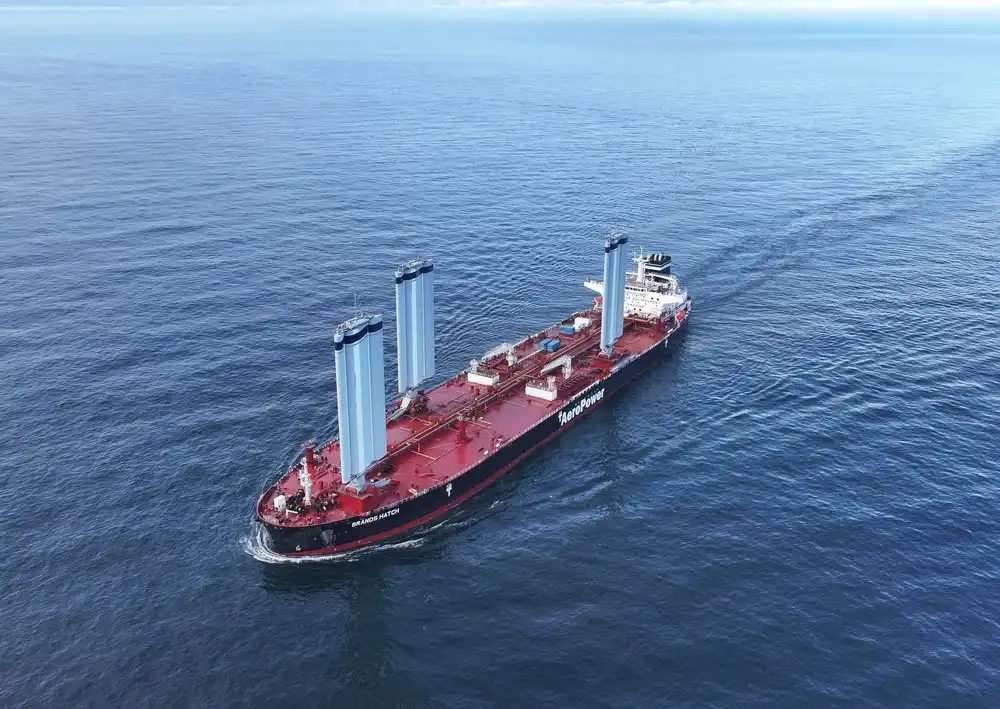
Understanding Automated Sail Systems and Their Role in Fuel Efficiency
For modern marine operations to work, they need tools that can cut costs and meet carbon intensity goals. Wind-assisted motion is a return to basic physics, but it does so with a level of accuracy that could never be reached by hand. In the past, skilled crew members had to constantly adjust the rigging on sailboats. Today, rigid wing systems are run by programmable logic controllers that are connected to sensors on board.
How Wind-Assisted Propulsion Technology Works
These systems take in perceived wind, which is made up of real wind and flows created by the ship, and turn it into forward thrust. Sensors keep an eye on the wind speed, direction, and direction of the ship all the time. This information is sent to control algorithms that figure out the best wing angles and camber shapes. Within seconds, electric or hydraulic actuators move the aerodynamic surfaces to keep them working at their best even when the weather and sea conditions change.
The integration goes beyond operating on its own. Navigation systems share information about routes, which lets changes be made before wind changes happen. Weather planning software finds the best routes that make the most of natural power, which lowers the load on the engine when conditions are good. This closed-loop control gets rid of the need for human reaction delays and makes sure that performance stays the same throughout journeys.
Reducing Engine Dependency Through Auxiliary Propulsion
When the wind direction lines up with the ship's heading, properly set up rigid wings produce a lot of thrust that balances out the need for main engine power. Fuel flow meters record real-time drops in consumption. The amount of money saved depends on the route, the time of year, the wind patterns, and the speed of the vessel. Most of the benefits are felt by bulk carriers and tankers that travel across oceans, especially when they go thru trade wind belts where airflow is steady.
When slow steaming is going on, the technology is especially useful because the engines run with less load to save fuel. Adding wind power during these times keeps the plan on track without burning more fossil fuels. Longer sea trials approved by the classification society have shown that these efficiency gains directly lead to lower running costs and a smaller carbon footprint.
Limitations of Traditional Sailing Methods and the Evolution to Automation
In the past, sailing ships relied on their crews' knowledge to read weather signs and change the configurations of the canvas by hand. Even tho these methods worked for their time, they brought problems that modern commercial ships can't handle, like uneven performance, safety risks when handling sails, and not being able to keep the trim at its best as conditions changed.
Challenges With Manual Sail Operations
With older pulley methods, you had to work outside in all kinds of weather and at heights. Crew members needed special training, and even experienced pilots could only move so quickly when the wind changed quickly. Because adjustments required coordinated teamwork that stopped other ship operations, sails often stayed in less-than-ideal positions for long periods of time.
There was also no quantitative success feedback in manual methods. Cost-benefit analysis wasn't very accurate because captains calculated fuel saves based on their own experience instead of using instruments. Because real-time data wasn't available, fine-tuning adjustments that could get the most out of the wind resources that were available couldn't be made.
Technological Advancements Enabling Automated Wind Capture
When marine-grade sensors, industrial control systems, and computational fluid dynamics modeling came together, wind propulsion went from being an art to a science. Modern options include anemometers that handle digital signals, heading devices that are based on GPS, and microprocessor-controlled actuators that can work nonstop in saltwater conditions that are harsh on electronics.
After testing in a wind lab and at sea, software programs can now predict aerodynamic forces in millions of different operating situations. These computer models take into account heel angles, perceived wind triangles, and the effects of having more than one wing on the same ship. The end result is automated decision-making that always uses less fuel than manual operations.
Classification societies created specific rules for wind-assisted propulsion systems, which made it easier to approve designs, check installations, and get operational certification. By following these rules, you can be sure that automatic systems are just as safe and reliable as regular marine equipment.
Key Features of Automated Sail Systems That Enhance Fuel Efficiency and Reduce Emissions
Advanced installations for wind-assisted propulsion have many smaller systems that work together to make the whole thing work better over time. Knowing what these features can do helps fleet operators figure out how well the technology meets their needs and the needs of the government for an Automated Sail System.
Precision Aerodynamic Control Mechanisms
The three-element hard wing design of the WindWings® system, which uses unique technology from BART, is an example of cutting-edge design. This setup creates more than 2.5 times the lift coefficient of single-element profiles by controlling airflow over multiple surfaces with camber and angle of attack that can be changed. Real-time calculations of thrust help with positioning, making sure that the best configuration is always used for sailing.
Ship-grade steel is used for the main load-bearing parts of structural materials, and industrial E-glass composites are used for the smooth areas. This mixed design strikes a balance between the need for strength and the need to keep the weight down. It keeps the vessel stable while providing a lot of propelling force. Marine-grade hydraulics and long-lasting control parts can work continuously in difficult conditions without losing their effectiveness.
Smart Data Integration and Feedback Systems
Full sensor arrays keep an eye on both the health parameters of the wings and the environmental inputs. Control systems keep track of the loads on actuators, the stresses on structures, and the number of times they are used. This way, maintenance alerts are sent before a part breaks. This proactive method cuts down on unintended downtime and makes equipment last longer than in standard marine systems.
The weather routing features are meant to work with wind-assisted boats and are connected to the control platform thru web-based interfaces that both teams on land and people on board can use. Automated workflow tools suggest path changes that make the most of wind help. This lets voyage planning balance the need to stay on schedule with the chance to save fuel.
Operational Flexibility Across Vessel Conditions
Thru different configured modes, the system can adapt to different operational situations. During regular navigation, the wings naturally adjust to make the most power. When moving toward port facilities or while moving cargo, the laydown position makes room for hatch covers and equipment used to move cargo without any help from a person. Extreme weather practices flatten the wings so they don't create any aerodynamic loads during storms or rough seas.
This adaptability is very important for bulk carriers because the deck access needs to stay clear during loading and unloading activities. Strategically placing between cargo holds lets the equipment interact with the ship's machinery without affecting the structure connection needed for propulsion. Bulk carriers with these installations have made calls at more than 20 major ports around the world without any operating problems. This shows that they are compatible with standard marine processes.
Comparative Analysis: Automated Sail Systems vs Traditional Manual Sailing
To measure differences in performance, you need to look at verified operational data over long periods of time. Independent approval by classification societies gives buying decision-makers the objective proof they need to weigh capital investments in energy-efficient technologies.
Fuel Consumption and Emission Reduction Metrics
DNV-verified sea trials show that ships can save up to 30% on fuel when the weather is good, and between 10 and 20 percent on average when the conditions are not as good. A 37.5-meter span WindWings® installation saves about 1.6 tons of fuel every day per wing, which equals 5.12 tons of CO2 every day. These numbers come from measuring the performance of instrumented ships that travel on business paths. They are not based on guesses or theories.
The three-element rigid wing shape is more aerodynamically efficient than standard single-surface sails, which is how these results are reached. With adjustable camber, the shape can be optimized for different apparent wind angles, keeping the lift-to-drag ratio high all the way thru the sailing range. Automated trim changes make sure that the system always works at its most efficient level, instead of settling for less-than-ideal setups that would be acceptable for human operations.
Investment Recovery and Total Cost of Ownership
Even tho wind-assisted propulsion systems cost a lot to buy at first, they pay for themselves quickly because they save money on fuel costs and help businesses follow the rules. The current prices of bunkers and the ways that carbon is priced under the EU ETS and IMO CII systems make it easier for ships to make money, especially those that sail routes with steady wind resources.
The design lifespan of 25 years and the low number of major parts that need to be replaced spreads out the cost of capital over longer periods of operation. The ability to transfer installations between ships gives ship owners more options because they can move installations around as their fleets change. Classification society licenses from DNV, BV, LR, and CCS make sure that sites meet strict safety standards that protect the value of assets over time.
The maintenance needs are in line with normal procedures for ships. The work is more like operating deck cranes than traditional rigging, and you don't need any special seamanship skills to do it. Long-term service packages and a full support system keep operations simple while making sure that equipment keeps working well for its whole life.
Practical Procurement Insights for Automated Sail Systems
To apply something successfully, you need to carefully choose your suppliers, do a full compatibility analysis, and handle the project in a structured way. Fleet workers can save time and money by knowing the whole process of buying an Automated Sail System, from the first question to the final launching.
Selecting Qualified Technology Partners
Thru the TSC brand, CM Energy brings a lot of marine engineering experience to wind-assisted propulsion projects. They do this by combining their own technologies with world-class manufacturing skills. The company has more than 350 deck cranes in use around the world and more than 25% of the drilling tools in use around the world. This shows that it can offer reliable marine systems on a large scale. The fact that there are 159 authorized patents, including 10 invention patents, shows that sustainable energy technologies are still being improved.
The Wolfson Unit and Lloyd's Register have approved the partnership between BAR Tech and the development of WindWings®, which uses advanced fluid dynamics research. This partnership makes sure that claims about aerodynamic speed are based on solid science testing and not just marketing claims. Independent verification by well-known classification societies adds to the trust in big choices about capital equipment.
Implementation Process and Support Services
Before any installation, a compatibility study is done, which looks at things like deck plans, cargo handling arrangements, and structural load paths that are unique to each vessel. Factory acceptance testing makes sure the system works before it is sent out, which lowers the risk of failure during commissioning and speeds up the installation process. On-site assembly processes use methods allowed by the classification society that keep quality standards high during the whole installation process.
Lifecycle support that covers the whole process goes beyond the initial setup. IoT monitoring systems keep track of performance all the time, letting you do troubleshooting from afar and plan repair ahead of time. Technical support teams help with practical optimization, which means they help workers save the most fuel by making the best use of systems. Training programs make sure that everyone on board understands how to use the controls and do repair, but the fact that they are similar to how deck cranes are used now makes learning easier.
Retrofit Considerations and New Construction Integration
Existing vessel retrofits need to be coordinated with dry docking schedules and carefully planned around times when the ship can be used. The design of the folding system has the least possible effect on cargo operations. This is a major worry for ship owners who can't afford to have service interrupted for long periods of time. Fixed and tilt table configurations can be used to meet different installation needs based on the design of the vessel and its operational priorities.
Integrated design methods are helpful for new building projects because they let wind-assisted motion affect the best shape for the hull, the size of the power plant, and how the vessel manages its energy overall. Early involvement in the development of specifications makes sure that the system works as well as it can, and it may also help you qualify for green financing programs and better charter rates from cargo interests that care about the environment.
Conclusion
Automated Sail Systems that use wind to move ships are a developed technology that has been shown to save commercial ships fuel and lower their emissions. Certifications from classification societies, real-world operational data, and a track record of dependability in over 100 ports around the world make these installations realistic answers to the growing economic and legal stresses ship owners are facing. When you add up the big daily fuel savings, the 25-year service life, and the full support system, you get a great deal for bulk carrier and tanker operations. As mechanisms for pricing carbon get stricter and charterers demand more low-emission tonnage, operators who are willing to think ahead will be able to gain a competitive edge in maritime markets that are changing.
FAQ
1.What fuel savings can operators realistically expect from wind-assisted propulsion installations?
Verified operating data shows savings of 10 to 30 percent, based on the route and the time of year when the wind blows. Trans-oceanic routes that go thru trade wind belts usually save more money than coastal routes that have to deal with more variable weather. Measurements from business ships that have been approved by DNV are a good way to start when modeling financial success.
2.How do these systems affect vessel operations and crew workload?
Control systems work like regular deck cranes, so you don't need to know anything special about sailing to use them. Automated operation gets rid of the need to handle sails by hand, and folding mechanisms keep cargo operations from getting in the way. Not much training is needed, and most workers learn how to use the device within a few days of it being put into service.
3.What maintenance do wind-assisted propulsion systems require?
Standard drydocking times are lined up with planned repair. Following the manufacturer's instructions, routine checks look at hydraulic systems, motor parts, and structural elements. Early fault detection thru predictive monitoring cuts down on unplanned maintenance, and service agreements provide technical support throughout the operational lifecycle.
Partner With a Trusted Automated Sail System Supplier for Proven Maritime Decarbonization
Thru the TSC name, CM Energy offers complete wind-assisted propulsion systems that include cutting-edge engineering and full lifecycle support services. Our WindWings® systems use unique three-element rigid wing technology that has been approved by DNV, BV, LR, and CCS classification societies. This gives purchase decision-makers the approval trust they need. These systems have been shown to save up to 30% on fuel on good routes and work reliably in more than 20 foreign ports, so they meet the needs of both government regulations and businesses that need to cut costs. Our technical teams offer analysis of compatibility, management of installation, and ongoing performance optimization support that is tailored to the specific operational profiles of your fleet. Get in touch with info.cn@cm-energy.com to talk about how Automated Sail System automatic wind capture technology can help your strategy for making your vessels more efficient and speed up your plan to reduce carbon emissions.
References
1. International Maritime Organization. "Fourth IMO GHG Study 2020: Full Report and Executive Summary." Marine Environment Protection Committee, 2021.
2. DNV Classification Society. "Wind-Assisted Propulsion Systems: Rules for Classification of Ships." Maritime Standards and Guidelines, 2023.
3. Tillig, Fabian, et al. "Analysis of Uncertainties in the Prediction of Ships' Fuel Consumption: From Sensor Data to Operational Profiles." Journal of Marine Science and Engineering, Vol. 8, No. 12, 2020.
4. European Commission. "FuelEU Maritime Initiative: Proposal for Regulation on the Use of Renewable and Low-Carbon Fuels in Maritime Transport." European Green Deal Policy Document, 2021.
5. Lloyd's Register and UMAS. "Wind-Assisted Ship Propulsion: Technology Performance and Operational Scenarios." Maritime Decarbonization Research Report, 2022.
6. Koenhardono, Eko S., et al. "Energy Efficiency Analysis of Wind-Assisted Ship Propulsion Systems Through Computational Fluid Dynamics Validation." International Journal of Marine Engineering Innovation and Research, Vol. 7, No. 2, 2022.