How are AMC Gangways designed for harsh sea conditions?
AMC Gangway systems represent a critical breakthrough in offshore personnel transfer technology, specifically engineered to ensure safe passage between vessels and offshore installations under challenging marine environments. These advanced structures combine active motion compensation technology with rugged material construction to counteract wave-induced vessel movements, maintaining stable and secure access even when significant wave heights reach up to three meters. By integrating hydraulic control systems, reinforced aluminum or steel frameworks, and intelligent positioning mechanisms, modern gangway solutions minimize risk during crew transfers, extend operational weather windows, and meet stringent classification society standards demanded by offshore wind and marine construction sectors.
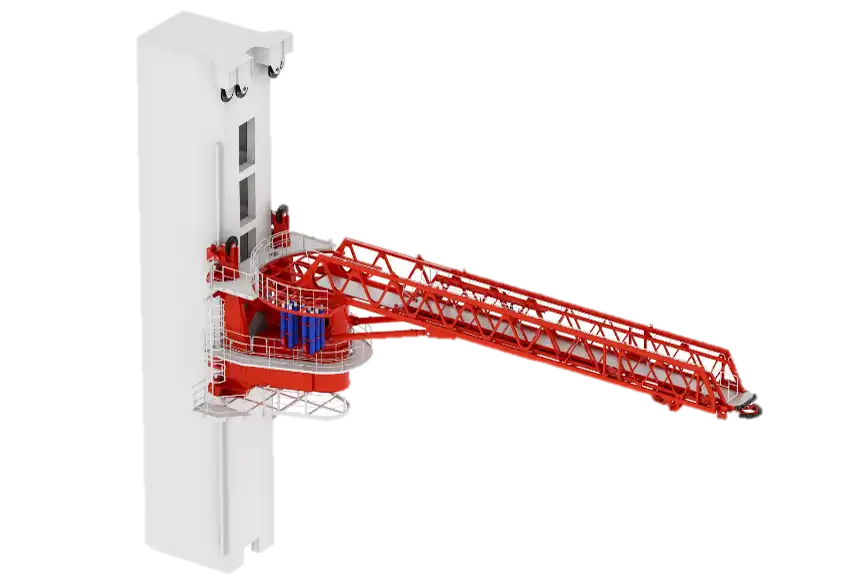
Understanding the Challenges of Harsh Sea Conditions on Marine Gangways
Marine access equipment that is used in the open ocean is constantly under pressure from the environment, which can damage the equipment and make it less safe to use. Corrosion by saltwater is very bad for metal surfaces, and UV light breaks down protective coatings and polymers over time. The effects of wind and waves create changing loads that can be hard for even the strongest buildings that were built. Changes in temperature between seasons and areas can make materials expand and contract, which could weaken connections and joins.
In addition to external factors, practical needs add another level of complexity. Offshore wind service ships and platform supply ships need gangways that work even when the tide changes and the ship moves because of swells. People must be able to cross safely while carrying tools and equipment, which means that the bridge's load-bearing capacity cannot be lowered. Following international rules for maritime safety, like the SOLAS conventions and the IMO guidelines, sets performance standards that all marine entry systems must meet.
Downtime from broken equipment directly leads to lost work and money, especially in offshore wind activities where weather windows are already small. When procurement managers and technical decision-makers understand these complex problems, they can better understand why they need to use specialized engineering methods when choosing AMC Gangway solutions for tough marine applications.
Core Design Features of AMC Gangways for Harsh Environments
Material Selection and Corrosion Protection
Marine-grade materials are used to build AMC Gangways that last a long time. High-strength aluminum alloys have great strength-to-weight ratios and naturally resist corrosion by forming oxide layers. In important load-bearing areas, stainless steel parts make the structure more resilient. Advanced surface treatments, like multi-layer protected coats and anodization processes, keep saltwater from reaching base metals, which greatly increases their service life.
Structural Engineering for Stability
With reinforced frame designs, loads are spread out evenly across the gangway structure. This keeps stress from building up in one place, which could cause fatigue failures. Telescoping sections that can be adjusted to fit different distances between boats and sites are available, and slewing mechanisms allow for exact placement. Motion compensation technology is one of the most important features. Hydraulic cylinders and control systems actively change the position of the gangway in real time to counteract the pitch, roll, and heave movements caused by waves.
Safety-Integrated Features
Handrails made of materials that don't rust provide safe places to hold on along the whole length of the path. Walkways with non-slip surfaces keep your balance even when they're wet from rain or spray. Overload protection and emergency stop devices keep operating mistakes from putting safety at risk. Specifications for width make sure that people wearing PPE can get thru comfortably, and lighting systems keep things visible at nite or when the weather is bad.
Modular Installation Approach
Modern gangway systems are built in modules that make fitting easier for a wide range of vessel types. Standardized mounting interfaces cut down on the time needed to set up, and boom lengths and angles can be changed to meet specific operational needs. This way of thinking about design makes it easy for shipyards to include access equipment in new ships and help with projects to fix up old ships.
These technical parts work together to make people movement solutions that keep working reliably over long periods of time in harsh marine settings.
How AMC Gangways Operate Effectively Under Extreme Marine Conditions
Active Motion Compensation Technology
Three-axis compensation devices that change the position of the AMC Gangways as ships move are the main practical benefit. Hydraulic actuators react to sensor inputs that measure the motion of the vessel in real time. This keeps the link to distant sites stable even when waves move the vessel a lot. With this technology, operational limits are greatly increased. Transfers that would be unsafe with passive gangways are now possible, which increases weather windows and makes projects more cost-effective.
Hydraulic and Control Systems
Dual power units provide backup power, removing any single points of failure that could leave people stranded or stop operations. System functions are controlled by programmable logic controllers that meet safety integrity level certifications. These controllers can be used both locally and remotely. Operators can precisely extend, retract, slew, and adjust luffing angles with easy-to-use controls, and automated sequences cut down on mistakes made by humans during routine tasks.
Maintenance Considerations
Designing parts that are easy to fix in a simple way makes servicing easier for ship workers. Access panels let mechanics check hydraulic lines, electrical connections, and structural parts without taking the whole thing apart. Standardizing components means that extra parts can be found all over the world, which cuts down on downtime when repairs are needed. Predictive maintenance programs use operational data to plan the best service intervals, which keeps things from breaking down at crucial points in a project.
Real-World Performance Validation
Offshore wind service operations are tough test settings where the success of the gangway has a direct effect on the project's ability to succeed. When compared to regular tools, vessels with motion-compensated systems have significantly higher success rates for transfers. Operators say that their operating seasons have been extended, which lets them do maintenance work in the shoulder months when weather conditions used to make it unsafe to do so. These results from the field show that engineering methods work and help with efforts to keep getting better.
Procurement teams evaluating options should prioritize solutions with documented operational histories in comparable marine environments, ensuring selected equipment will deliver promised performance under actual working conditions.
Comparing AMC Gangways with Competitors and Alternative Solutions
Performance Differentiation
Standard AMC Gangway designs that don't use active correction depend on good weather and a stable vessel, which greatly limits the times they can be used. Motion-compensated systems keep working even when conditions are much harder, which directly leads to better asset usage. Material quality changes a lot from one source to the next. Basic constructions need to be maintained often, but expensive aluminum alloys and improved corrosion protection last longer between services.
Certification and Compliance
An important way to make sure that engineering quality and safety rules are followed is to get approval from a classification society. These societies include DNV, ABS, BV, LR, and CCS. Systems that have been certified to Type II standards show that they can handle normal personnel transfers in certain sea conditions. Instead of accepting generic approvals, buyers should carefully check the certification scope and make sure that the documentation covers the intended operational parameters.
Total Cost of Ownership
The initial costs of acquisition are big investments in capital, but the lifecycle economics depend a lot on how reliable the product is and how much maintenance it needs. Repairing or replacing parts of equipment on a regular basis costs more in the long run than the initial saves from cheaper options. Long-term value is greatly affected by warranty coverage and the availability of technical support. When problems do happen, responsive service networks keep operations running as smoothly as possible.
Customer Experience Feedback
Offshore wind owners always say that dependability is the most important thing when choosing a turbine, with motion compensation efficiency and build quality coming in close behind. Service vessel owners say that simple maintenance methods and strong building cut down on operating risks and crew workload. When comparing bids during the buying process, these practical factors often take precedence over small differences in cost.
Procurement Guide: How to Source AMC Gangways for Your Fleet
Specification Development
The technical standards for AMC Gangways should be based on the real-world operating conditions, such as the highest wave heights, types of vessels, installation shapes, and expected transfer frequencies. Baseline compliance requirements are set by classification society standards that apply to the vessel's flag state. Customization needs for things like boom length, compensation capacity, and control system tastes need to be made clear during design development to make sure that offered solutions work in real life.
Supplier Evaluation Criteria
The ability to make things is very important. Facilities that have been approved by classification societies for welding and manufacturing show that their quality management systems meet industry standards. Engineering teams that have worked with offshore equipment before can add a lot of useful real-world knowledge to custom designs. References from similar projects can help you understand how well delivery went and how good the post-commissioning support was.
Delivery and Installation Planning
Gangway integration needs equipment suppliers, ship owners, shipyards, and classification societies to work together. Factory acceptance testing makes sure that the equipment works well before it is shipped, and sea trials make sure that it works right in real life. The schedule for installations has to work with the availability of vessels and operational obligations. This means that providers need to be able to be flexible with their production and logistics.
After-Sales Support Structure
The availability of technical support across operational regions makes sure that help is always available when it's needed. Spare parts stocking programs run by suppliers or approved dealers cut down on the time it takes to respond to unplanned repair events. Training programs for ship teams and repair workers make operations run more smoothly and tools last longer.
Procurement managers should establish clear communication channels with potential suppliers early in the evaluation process, ensuring technical questions receive thorough responses before contract commitments.
Conclusion
When engineers design AMC Gangway systems for rough seas, they have to think about corrosion, dynamic loading, motion adjustments, and safety standards all at the same time. To ensure reliable people movement in rough offshore conditions, the choice of materials, the design of the structure, the hydraulic systems, and the control technology must all work together without any problems. Properly engineered solutions offer practical benefits like longer weather windows, better safety records, and less downtime, which support the cost of purchasing high-quality equipment.
Procurement decisions should prioritize suppliers demonstrating proven capabilities through classification society certifications, operational references, and comprehensive support networks. As offshore wind development accelerates globally, demand for reliable access equipment continues growing, making informed supplier selection increasingly important for vessel owners and operators committed to safe, efficient operations.
FAQ
1.What maintenance intervals are recommended for gangways operating in harsh marine environments?
Every month, there should be routine checks that look at the safety features, hydraulic systems, and structural links. Comprehensive servicing once a year by trained technicians makes sure that the standards of the classification society are always met. The amount of maintenance that needs to be done may go up depending on how busy the business is and how bad the environment is.
2.How do motion-compensated gangways comply with international maritime safety standards?
Certified AMC Gangways meet the standards set by SOLAS agreements and classification groups like DNV, ABS, BV, LR, and CCS. Type approvals make sure that the calculations used for the design, the materials chosen, the safety systems, and the machine's ability to work in certain conditions are correct. Along with the delivery of equipment, compliance documentation is sent to help with the certification process for vessels.
3.Can gangway designs be customized for specific vessel configurations and operational requirements?
Modern gangway systems are designed to be one-of-a-kind options that work with specific operating conditions. Boom lengths, compensation capacities, mounting configurations, and control interfaces can be changed to fit different types of vessels and their operational profiles. This makes sure that the equipment works best for each job.
Get a Custom AMC Gangway Solution from CM Energy
CM Energy, thru our TSC brand, has been making offshore tools for decades and can help with marine access options. Our engineering team plans and builds motion-compensated AMC Gangways that can handle the toughest working conditions in the naval building and offshore wind industries. With approvals from major classification societies like DNV, ABS, BV, LR, and CCS, you can be sure that our systems will work reliably in rough sea conditions.
TSC gangway solutions feature three-axis motion compensation, dual redundant power systems, and robust construction using marine-grade materials. We have supplied deck handling equipment to over 350 offshore installations globally, with more than 180 jack-up platforms utilizing our lifting and transport systems. Our independent research capabilities, backed by 159 authorized patents, enable continuous innovation in offshore access technology.
Whether you need personnel transfer gangways for service operation vessels, offshore platforms, or specialized marine applications, our team provides customized solutions aligned with your operational requirements and regulatory obligations. As a leading manufacturer and supplier in the offshore equipment sector, we support clients throughout the procurement lifecycle—from initial specification development through factory testing, installation support, and ongoing technical assistance.
Contact our team at info.cn@cm-energy.com to discuss your gangway requirements. We provide detailed technical proposals, competitive quotations for both individual units and fleet-scale orders, and comprehensive support ensuring your personnel transfer operations meet the highest safety and reliability standards. Visit cm-energy.com to explore our complete range of offshore equipment solutions designed for the evolving demands of global marine energy industries.
References
1. Maritime Safety Committee, "Guidelines for Safe Access Between Ships and Offshore Installations," International Maritime Organization Technical Standards, 2022.
2. Offshore Wind Industry Council, "Best Practices for Personnel Transfer in Offshore Wind Operations," Renewable Energy Safety Guidelines, 2021.
3. Classification Societies Joint Committee, "Requirements for Motion Compensated Gangways on Service Operation Vessels," Marine Equipment Standards, 2023.
4. Nautical Institute, "Safe Personnel Transfer Operations in Offshore Environments," Maritime Operations Manual, 2020.
5. European Maritime Safety Agency, "Technical Specifications for Offshore Access Equipment," Marine Equipment Directive Implementation Guide, 2022.
6. World Maritime University, "Structural Integrity of Marine Access Systems Under Dynamic Loading Conditions," Maritime Engineering Research Publications, 2021.