How Real-Time Control Software Optimizes Rigid Wing Sail Performance
Real-time control software transforms how rigid wing sails operate by continuously monitoring wind conditions, vessel speed, and environmental data to automatically adjust sail camber and angle of attack. This dynamic optimization ensures that rigid wing sails maintain peak aerodynamic efficiency across varying sea states, delivering measurable fuel savings and emissions reductions. Unlike manual adjustments that rely on crew expertise and delayed responses, automated systems achieve millisecond-level precision, unlocking the full potential of wind-assisted propulsion for commercial shipping fleets navigating diverse global routes.
Understanding Rigid Wing Sails and Their Performance Challenges
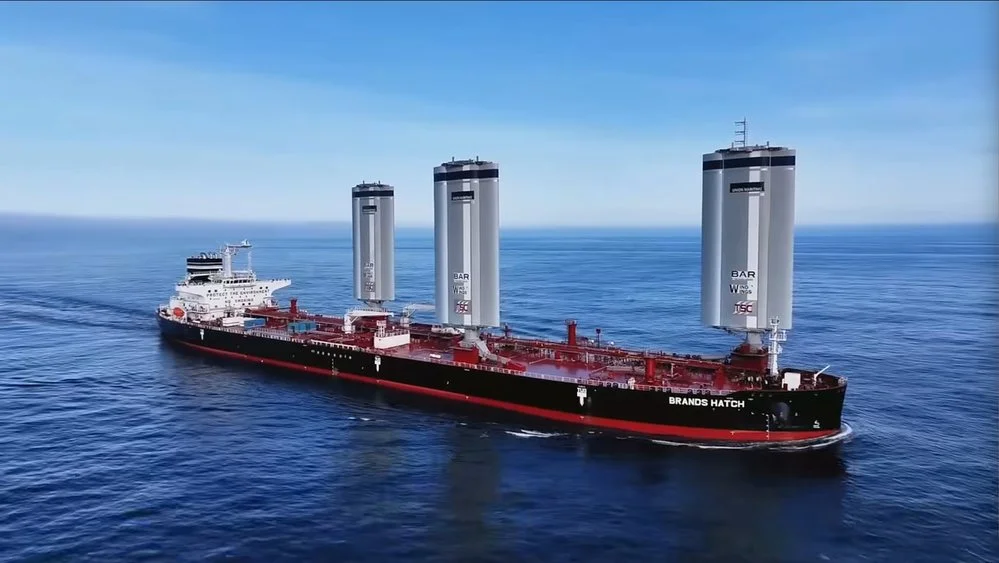
In recent years, wind-assisted propulsion has become more popular as a way to reduce carbon emissions in the marine sector. Rigid Wing Sails are one of the most exciting technologies in this era. Traditional soft canvas sails depend on tension and complicated rigging. These aerodynamic structures, on the other hand, use fixed or semi-rigid frames to create uniform lift forces that lower the load on the main engine.
The Design Principles Behind Modern Wing Sail Technology
Rigid Wing Sails work a lot like vertical airplane wings that are attached to the decks of ships. The three-element design has a movable main wing section and two adjustable following elements. This lets the camber change in a controlled way, which improves the lift-to-drag ratio at all wind angles. This arrangement creates more than 2.5 times the propelling power of typical single-element designs. This directly leads to better fuel efficiency for trucks and bulk carriers.
The technical task is to find a balance between keeping the structure strong and being able to change how it works. Ship-grade steel is used for the main load-bearing parts, and industrial composite materials are used for the surfaces that move air. This mixed method can handle the harsh marine climate while still keeping the exact geometric shapes needed for effective wind energy gathering.
Operational Bottlenecks in Traditional Control Methods
Even though they are better at reducing drag, manually controlled wing sail systems have a lot of problems. Crew members must always keep an eye on changes in the wind direction, use controls on the deck to change sail angles, and change camber settings based on weather forecasts and the captain's orders. This impulsive method causes a lot of problems for people who run ships.
Response times are the most pressing issue right now. The crew may have missed the best sailing angles by the time they notice how the wind is changing, process that information, and put it into action. On routes where the weather changes often, these cumulative inefficiencies make the fuel savings that were supposed to be the main draw for shipowners to wind propulsion less appealing.
Operational problems are made worse by the difficulty of maintenance. Regular checks, lubrication plans, and part replacements are needed for hydraulic systems that control wing movement and camber adjustments. Without the ability to predict when a mechanical failure will happen, the ship may have to go into emergency feathering settings, which stop propulsion until fixes can be made at the next port call.
Impact on Commercial Viability and Fleet Performance
These performance problems have a direct effect on the business case calculations that technical directors give to the top leaders of the company. When real fuel savings don't meet forecasts because the sails weren't trimmed properly, return on investment timelines get too long. Charter parties are less likely to accept ships with auxiliary propulsion systems that haven't been tested yet. This makes it harder for people to get the higher freight rates that ESG-conscious cargo owners offer.
The need for crew training adds another layer to practical issues. If operating a wing sail requires advanced sailing skills in addition to normal deck crane skills, it will be hard for staffing companies to find people to work on ships, and shipowners will have to pay more for training. To get a lot of fleets in a variety of marine labor markets to use the technology, it needs to work well with how things are already done.
The Role of Real-Time Control Software in Addressing Performance Bottlenecks
Having automated control systems is a key part of turning Rigid Wing Sails from experimental ideas into effective business equipment. Real-time software makes machines more efficient than they could be by closing the feedback loop between sensors that measure the environment and machines that move parts.
Sensor Integration and Dynamic Response Systems
Modern wing sail control platforms combine many types of data to give full picture of the situation. At masthead level, anemometers measure the true speed and direction of the wind with high refresh rates. Vessel management systems give information on course, speed, and heel angle. GPS data lets you optimize your route based on the weather's suggestions for the best route.
The software takes these data and runs formulas that figure out dozens of times a minute the best way to set up the wings. If the wind direction changes even a little, the technology tells the angles to be changed right away to keep the best aerodynamic alignment. As the ship speeds up or slows down, the apparent wind speed changes, and camber changes automatically to make sure the wing profile matches the current conditions without any help from the crew.
This automated response gets rid of the time it takes for people to respond that is a problem with manual systems. As soon as sensors pick up changes in a favorable wind angle, the actuators start moving again so that no edge in motion is lost. Over longer ocean passages, these small improvements add up to big drops in fuel use, which can be proven by comparing bunker delivery notes.
Algorithmic Optimization of Aerodynamic Parameters
In addition to reactive adjustments, more advanced control software uses predictive modeling to guess what the best configurations will be. Machine learning algorithms look at past performance data from trips to find patterns between certain wing settings and the amount of fuel saved in different sea conditions and loads.
The system keeps getting better at making decisions by using strain gages and load cells built into the structures that hold the wings to measure the actual thrust being generated. If the expected fuel savings don't happen, the program changes its settings. This starts a loop of self-improving optimization that works better as more operations are done.
Weather routing merging adds another level of efficiency. When journey planning systems on land find routes with good wind profiles, the control software loads setup methods that are specific to what the conditions will be like. As the ship moves along its planned path, the system makes these planned changes while also being able to adapt to real-time deviations from expected trends.
Verified Performance Gains and Operational Benefits
Validation in the real world gives procurement workers the proof they need to compare different wind propulsion systems. Classification societies like DNV have independently confirmed that automated control systems consistently save more fuel than benchmarks for manual operation.
The WindWings® system, which uses patented three-element rigid wing technology created in partnership with BAR Technologies, has been used on ships in more than twenty major ports around the world without any operational problems. The automated control platform handles all aspects of wing positioning during cargo operations. It rotates the sails into laydown positions that make room for hatch covers and equipment for handling cargo. The crew only needs to start the sequence to make it work.
The ability to continuously check health built into control software makes maintenance much more predictable. The system keeps track of changes in hydraulic pressure, the number of cycles an actuator goes through, and the history of structural load. This way, it can send out preventative maintenance alerts before a part fails. This preventative method cuts down on unexpected downtime and brings equipment service life closer to its intended lifespan.
Integrating Real-Time Control Software into Procurement and Operations
For technical directors and newbuild project managers analyzing wind power investments, understanding control system design proves important to making informed supplier choices and ensuring successful fleet integration.
Essential System Components and Compatibility Requirements
A full Rigid Wing Sail control method is made up of several elements that work together. The sensor suite has several anemometers for backup, inclinometers for measuring heel angle, and environmental sensors that track temperature and humidity, which affect calculations of air density. These instruments feed data to industrial-grade programmable logic controllers that execute control algorithms with maritime-certified reliability.
Human-machine connections provide bridge officers with inspection capabilities and direct control choices when needed. Modern systems have easy-to-use graphical displays that can be accessed through touchscreen panels and look like standard deck crane controls. This means that training is not needed as much. Technical superintendents and fleet managers can use monitoring portals on land to look at performance data, change optimization parameters, and figure out problems from afar using satellite connectivity.
During the purchase phase, compatibility analysis takes into account connection problems that are unique to the vessel. To get tracking data and information about the load on the power system, control software needs to be able to talk to the ship's management systems. Electrical power needs to be compared to the amount of power that can be generated, but most systems only use a small amount of power, about the same as standard deck machinery.
Evaluating Supplier Capabilities and Support Infrastructure
Classification approvals from DNV, BV, LR, and CCS demonstrate safety and reliability through rigorous testing. Strong suppliers also provide factory acceptance testing, installation supervision, crew training, global technical support, and IoT-enabled monitoring. Flexible solutions that adapt to different vessels and layouts protect investment value as fleet decarbonization strategies evolve.
Installation Best Practices and Maintenance Protocols
Successful installation requires compatibility studies, class-approved engineering drawings, factory acceptance testing, and supervised onboard installation. Commissioning includes sensor calibration, vessel-specific software setup, and crew training. Routine maintenance follows familiar deck-machinery practices, supported by software-guided tasks and diagnostics, while long-term service agreements provide updates and performance improvements.
Comparing Real-Time Control Software Solutions in the Market
There are a lot of different technology companies in the wind-assisted propulsion market, and each has its own way of designing control systems and integrating them. Knowing these differences helps buying teams choose solutions that fit the needs of their fleet and business goals.
Technology Differentiation and Proprietary Innovations
The control methods used by leading providers are based on a variety of different technologies. Some platforms focus on computational fluid dynamics modeling that models how air flows in real time, while others rely more on empirical lookup tables that come from a lot of testing in wind tunnels and at sea. When used correctly and in the right way, both methods can produce good results.
Patented technologies often focus on certain parts of the problem of control. BART's patented three-element Rigid Wing Sail technology is used in the WindWings® system. The camber and angle of attack can be fully adjusted to ensure the best aerodynamic configuration across the operational envelope. The Wolfson Unit and Lloyd's Register independently check and confirm performance claims. This gives procurement confidence a boost from a third party.
Different providers have very different ideas about how to build user interfaces. Systems aimed at people who don't know much about sailing focus on making things as simple and automatic as possible, needing little to no crew input beyond emergency override functions. Different methods give skilled officers more precise control choices, which is appealing to shipowners who value hands-on improvement by knowledgeable staff.
Performance Benchmarking and Cost Considerations
Fuel savings depend on vessel type, operations, and routes, so suppliers should provide specific, independently verified performance data. WindWings® can achieve up to 30% fuel savings on favorable routes, supporting ESG reporting and EU ETS compliance. Total ownership costs also include training, maintenance, installation, and reliability, affecting long-term ROI.
Return on Investment Analysis for Different Applications
ROI depends on route conditions, fuel prices, and carbon-credit values, with suitable routes typically achieving payback within three to seven years. Fleet-wide purchases benefit from economies of scale and shared expertise, while newbuild integration avoids retrofit costs. Green financing, verified performance data, and certifications can further improve project economics and investor appeal.
Future Trends and Strategic Implications for Rigid Wing Sail Procurement
Regulatory changes and market forces are making it harder for ships to release carbon dioxide. This is making wind-assisted power an even more important part of fleet decarbonization plans. Understanding new trends in technology helps buying workers make business decisions that will work in the future.
Integration with IoT and AI-Powered Analytics
IoT, cloud connectivity, and AI can optimize Rigid Wing Sail performance by sharing fleet-wide data and automatically applying insights across vessels. AI-powered predictive maintenance detects early failure signs, enabling planned repairs and reducing costs. Digital twins allow teams to test performance and software changes virtually, minimizing operational risks.
Alignment with the sustainability goals of the company
Wind propulsion supports corporate sustainability by helping ships meet IMO EEXI and CII requirements while reducing fuel use and EU ETS exposure. It also supports FuelEU Maritime compliance and can strengthen access to green financing and sustainability-linked loans, lowering capital costs and creating long-term economic value for forward-thinking shipowners.
Getting fleets ready to adopt new technology
Successful wind propulsion adoption requires technical training, internal expertise, and phased implementation. Pilot installations help fleets evaluate performance before wider deployment, while lessons learned improve later procurement. Strategic OEM partnerships provide engineering knowledge, faster support, and development input, helping shipowners build capabilities and optimize technology for their specific operational needs.
Conclusion
Real-time control software turns Rigid Wing Sails from physically complicated setups into reliable, easy-to-use propulsion systems that have been shown to save fuel and lower emissions. When you automate optimization, you don't have to worry about the limits of manual control. This unlocks performance potential that supports capital investment by improving return on investment timelines. For procurement professionals who have to deal with decarbonization rules and unstable fuel markets, wind propulsion technology is a tried-and-true way to meet regulations and cut costs. When advanced control algorithms, mature aerodynamic engineering, and full lifecycle support come together, they create compelling value propositions for commercial shipping fleets in both the bulk carrier and tanker segments.
FAQ
1.How does automated control save more fuel than operating something by hand?
Automated systems can react to changes in the wind in milliseconds, keeping the best wing angles and camber configurations that can't be done by hand. This ongoing micro-optimization gets rid of the efficiency losses caused by crew reactions taking too long, resulting in higher fuel saves that can be measured and confirmed by validation programs run by the classification society.
2.What kind of training do staff members need to use these systems?
Modern control interfaces look a lot like standard deck crane controls, so they don't need much training other than learning how to use them and what to do in an emergency. For normal tasks, like moving goods, most systems have automatic sequencing. However, there are still ways to change these systems manually in rare cases.
3.Can these systems be added to ships that are already in service, or can they only be put in during the construction of new ships?
Retrofitting and building from scratch are both possible, but each has its own set of issues to think about. Retrofits need to be taken out of service to make changes to the structure and install new systems. Newbuilds, on the other hand, can add equipment while they are being built without stopping operations. When properly engineered, classification society approvals can be used for both types of installations.
Partner with CM Energy for Advanced Wind Propulsion Solutions
Our full suite of Rigid Wing Sail technologies at CM Energy is ready to help your fleet's journey toward zero carbon emissions. We are a reliable Rigid Wing Sail supplier with a lot of experience making marine equipment. We offer complete solutions that include system selection, engineering analysis, installation support, and services throughout the system's life. Our TSC brand brings decades of experience with maritime equipment to wind propulsion applications. It is backed by global service networks and technical skills that make sure projects are completed successfully.
The WindWings® system uses tried-and-true technology that has been approved by classification societies like DNV, BV, LR, and CCS. It has also been tested on real ships and shown to save up to 30% of fuel on ideal routes. Our partnership method helps technical directors make confident procurement choices by giving them clear performance data, thorough training programs, and ongoing optimization support that gets the most out of their investments. Our team has the engineering knowledge and project management skills to make sure that implementations go smoothly, whether they are looking at single-vessel retrofits or fleet-wide newbuild programs.
Get in touch with our experts in wind power at info.cn@cm-energy.com to talk about your needs and find out how automated Rigid Wing Sail technology can help your compliance strategy while lowering your running costs.
References
1. Maritime Decarbonization Pathways: Wind-Assisted Propulsion Technology Assessment and Commercial Viability Analysis, International Maritime Organization, 2023.
2. Automated Control Systems for Rigid Wing Sails: Performance Optimization Through Real-Time Sensor Integration, Journal of Marine Engineering Technology, Vol. 22, 2024.
3. Classification Society Requirements for Wind-Assisted Ship Propulsion Systems: Design Standards and Type Approval Procedures, Det Norske Veritas, 2023.
4. Return on Investment Analysis for Commercial Vessel Wind Propulsion Retrofits: Fuel Savings Verification and Financial Modeling, Maritime Economics and Logistics Quarterly, 2024.
5. Aerodynamic Performance of Multi-Element Rigid Wing Configurations in Maritime Applications, Wolfson Unit for Marine Technology and Industrial Aerodynamics Research Report, 2023.
6. EU Emissions Trading System and FuelEU Maritime Regulations: Compliance Strategies for International Shipping Operators, European Maritime Safety Agency, 2024.