What are the material requirements for a hydrogen purification module?
A hydrogen purification module must be built from materials that can withstand high-pressure hydrogen environments, resist chemical degradation, and maintain structural integrity over years of continuous operation. At CM Energy, each hydrogen purification module is engineered with palladium-based catalysts, molecular sieve adsorbents, stainless steel housings, and precision-grade sealing components. These material choices directly determine whether the module can deliver output hydrogen at ≥99.999% purity with residual oxygen below 3 ppm — the hard threshold required for fuel cell and industrial hydrogen applications.
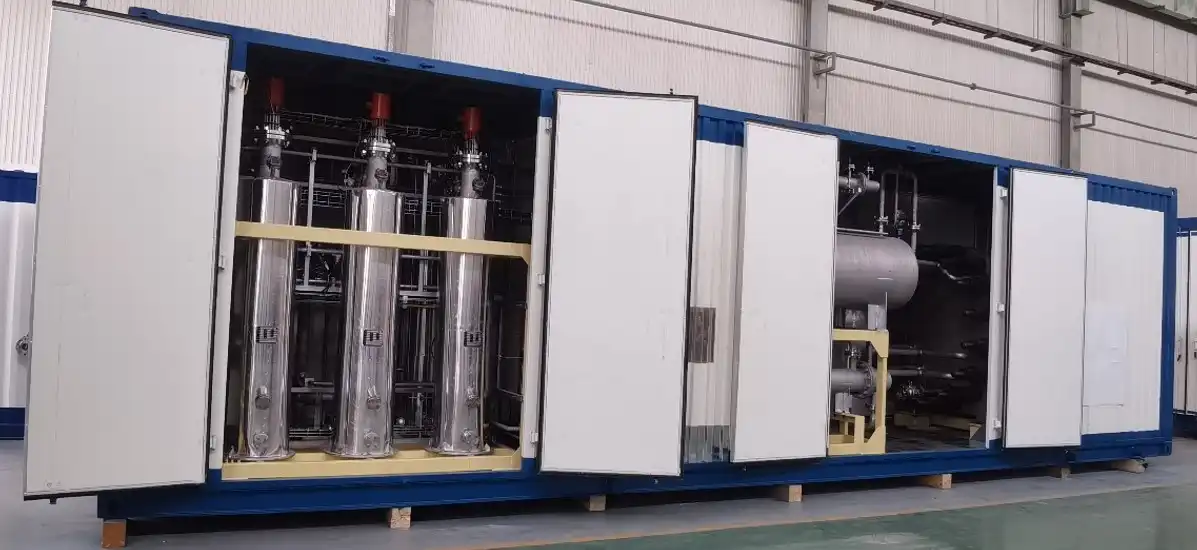
Understanding the Core Material Requirements of Hydrogen Purification Modules
The conditions inside a hydrogen purification module are much tougher than those inside most industrial process equipment. Every part is under stress at the same time because of changes in pressure, temperature, and reactive gas exposure.
Hydrogen Embrittlement Resistance
One risk that isn't given enough attention in the design of purification systems is hydrogen embrittlement. At high pressure, hydrogen atoms can move into metal lattices and cause cracks and rapid breaks. The materials that are chosen for a hydrogen purification module must have been shown to be resistant to this effect in the past. A lot of people use austenitic stainless steels, especially types 304L and 316L, because their face-centered cubic structure doesn't crack easily when pressures are high, like in cleaning processes.
Pressure and Temperature Compatibility
Each hydrogen purification module works with a set pressure at the inlet and outlet. The building blocks, like vessel walls, flanges, and pipe fittings, must stay mechanically sound throughout the whole design pressure range, without deforming or wearing out. In low-pressure sections, carbon steel may be enough, but alloy steels or stainless steels that have been tested against the module's design pressure are needed for pressure-bearing parts that are exposed to process gas.
Chemical Inertness to Process Gas
In addition to meeting mechanical needs, the materials inside a hydrogen purification module must not react with small amounts of impurities like oxygen, water, or residual hydrocarbons. Metals that react or plastics that don't work well together can contaminate the stream of clean gas, which defeats the whole point of the system. Because of this, chemical inertness is a basic selection criterion for all wet components.
Types of Materials Used in Hydrogen Purification Modules and Their Specific Roles
Different parts of a hydrogen purification module use different materials, each one picked for its particular purpose. When procurement experts know about these jobs, they can make better decisions about where to source things.
Palladium Catalysts in the Deoxidization Unit
Raw hydrogen, which still has some oxygen from the electrolyzer in it, goes through a chemical change in the catalytic deoxidization stage. Palladium catalysts speed up the process that turns oxygen into water, leaving less than 3 parts per million of oxygen in the air. Palladium was chosen because it is a strong catalyst at room temperature and stays stable for a long time in hydrogen-rich environments. In CM Energy's TSC-branded modules, an electric heating element helps this reaction happen by increasing conversion efficiency and keeping temperatures in check.
Molecular Sieve Adsorbents in the Drying Section
The gas stream still contains water vapor after catalytic deoxidization. Molecular sieve materials, like zeolites with specific hole shapes, are used by the water vapor adsorption unit to trap water vapor below −70°C. These adsorbents were chosen based on how well they can hold water, how well they can regenerate, and how well they don't break down physically during pressure cycling. CM Energy's hydrogen purification module has a three-tower design that lets it do ongoing rounds of adsorption, regeneration, and re-adsorption without stopping the flow of product gas.
Stainless Steel and Sealing Components
A hydrogen purification module's tank housings, internal pipes, and valve bodies are mostly made of stainless steel to keep them from rusting and shedding particles. Gaskets, O-rings, and other materials used for sealing must also be able to handle dry hydrogen under pressure. Fluoropolymer-based seals are popular because they don't react with chemicals and stay flexible over a wide range of temperatures. This stops tiny leaks that could affect purity verification during acceptance testing.
Evaluating Material Performance Factors in Practice
Choosing the right materials is just one part of the process. The true service life and dependability of a hydrogen purification module depend on how well those materials work in real-world situations.
Impact on Purity Output and Throughput
The output purity a module can keep up over time is directly related to the quality of the materials it is made of. When adsorbent beds break down too quickly, they lose their ability to hold water, which lets the dew point rise. Palladium catalyst beds that get sintering or poisoning make the process of converting oxygen less effective. Both the deoxidizer and the adsorbent in a well-specified TSC hydrogen purification module are rated for service lives of three years or more. This means that the purity output stays the same over long production runs.
Maintenance Intervals and Lifecycle Cost
How often a part needs help depends on the materials that are used. Here are the main things that determine how often maintenance needs to be done:
- Adsorbent integrity: Molecular sieve beads must resist crush forces during repeated pressurization cycles. Low-grade adsorbents shed particles over time, loading the downstream solid particle filter and increasing replacement frequency.
- Catalyst poisoning risk: Palladium catalysts are sensitive to sulfur and chlorine compounds. Feed gas pretreatment quality directly affects how long the catalyst maintains full activity.
- Valve and actuator wear: Pneumatic valves in the switching system cycle thousands of times per year. Valve seat materials and actuator design affect how often maintenance is needed.
All of these things affect not only the initial purchase price but also the total cost of ownership over the module's working life.
Regulatory Compliance and Safety Certification
Pressure vessel rules and gas safety standards must also be met by the materials used in a hydrogen purification module. In the U.S. market, ASME BPVC Section VIII and ISO 14687 are used as standards to check materials and make sure they work right. CM Energy's TSC equipment is made to meet these compliance standards, which helps it get approved by project technical reviewers and design institutes.
Comparison of Material Solutions and Procurement Guidance
There are a lot of different hydrogen purification modules on the market, and the materials they are made of are not all the same. The changes are important for long-term performance.
Cost vs. Long-Term Value
Often, procurement teams are under pressure to lower capital costs. However, using cheaper adsorbents or closing materials to save money up front usually leads to higher running costs in the long run. If you buy a module with the right palladium catalyst and high-capacity molecular sieves, you will get that money back in repairs and unplanned downtime. The hydrogen purification module line from CM Energy has capacities ranging from 10 to 6000 Nm³. All of them are made with the same high-quality materials, so buying experts can be sure that whether they are looking for a small unit or a big system, it will work well and be reliable.
Modular Design and Scalability
One useful thing about CM Energy's TSC hydrogen purification module design is that it is modular, which makes it easier to install, inspect, and replace parts on-site. The flexible structure also lets the capacity grow without having to update the whole system, which is a real cost factor for projects that expect production to grow in the future.
What to Verify Before Purchasing
Procurement experts should check the following before choosing a hydrogen purification module supplier:
- Confirm material certificates for pressure-bearing components (mill certs for stainless steel, batch certificates for catalyst and adsorbent)
- Request factory acceptance test (FAT) documentation showing purity output and cycle stability under representative feed conditions
- Verify that valve and instrumentation materials are compatible with dry hydrogen at the module's design pressure
Maintenance Tips and Troubleshooting Linked to Material Performance
A hydrogen purification module that is well taken care of will work as expected for as long as it is made to. Material-related failures usually happen slowly and can be found early with the right procedures.
Routine Inspection Protocols
When you check a hydrogen purification module on a regular basis, you should look for corrosion on the outside, make sure the seals are still good at the flange and valve connections, and keep an eye on the exit purity measures. Any change in the dew point or leftover oxygen readings usually means that the absorbent is full or the catalyst is breaking down before it shuts down.
Common Failure Modes and Remedies
The most common material problems in a hydrogen purification module are valve seat wear, adsorbent compaction, and corrosion at metal joints that are not the same. Compaction of the adsorbent lowers the permeability of the bed and extends the drying cycle. Checking the difference pressure across the adsorption towers on a regular basis gives early warning. Valve seat wear can be fixed by inspecting the engine at the intervals suggested by the manufacturer and using replacement parts made from the same material as the original.
Storage and Handling Best Practices
Molecular sieve adsorbents should be kept in sealed, dry cases before they are used to keep them from getting wet too soon. After being turned on for the first time, catalyst beds shouldn't be exposed to air. These handling needs are covered in CM Energy's TSC installation instructions, and the PLC-controlled system has first-start sequence that keeps materials safe from thermal or pressure shocks during commissioning.
Conclusion
When designing a hydrogen cleaning system, choosing the right materials is not an afterthought; it is the key to making sure the system works well for a long time. Every material used in a hydrogen purification module has an impact on its purity output, service life, and running cost. For example, the deoxidization unit uses palladium catalysts, the adsorption towers use molecular sieves, and the pressure tanks are made of stainless steel. Every part of CM Energy's TSC hydrogen purification module line, which ranges from 10 to 6000 Nm³, is designed with these technical objectives in mind. Material rigor is the first thing that gives procurement and process engineers confidence when they need to know they can count on the quality of the hydrogen and the costs over its whole life.
FAQ
1. What makes palladium the preferred catalyst material in hydrogen purification modules?
Palladium offers high catalytic selectivity for the oxygen-to-water conversion reaction at relatively moderate temperatures. It maintains activity under hydrogen-rich conditions and has a well-documented service life when feed gas is properly pretreated. This makes it the standard choice for catalytic deoxidization in a hydrogen purification module targeting sub-3-ppm residual oxygen.
2. How long do molecular sieve adsorbents last in a hydrogen purification module?
Under normal operating conditions with proper feed gas pretreatment, quality molecular sieve adsorbents typically retain performance for three years or more. Contamination from compressor oil carryover or liquid water ingress can shorten this significantly, which is why upstream coalescing filters and condensate separators are standard inclusions in a complete purification system.
3. Can material choices affect the dew point performance of a hydrogen purification module?
Yes. The moisture adsorption capacity of the molecular sieve, the integrity of the vessel seals, and the efficiency of the gas-liquid separator all affect how consistently the module achieves its rated dew point. A module using high-capacity zeolites with verified seal materials will hold dew points below −70°C more reliably over its service life.
4. What certifications should I look for when sourcing a hydrogen purification module?
Look for pressure vessel compliance with ASME BPVC or equivalent regional standards, gas purity output validated against ISO 14687, and documentation showing catalyst and adsorbent material certifications from the batch used in your specific unit.
Start Your Hydrogen Purification Module Project with CM Energy
The TSC hydrogen purification module series from CM Energy gives process engineers a tried-and-true, modular solution with consistent material specs for needs ranging from 10 to 6000 Nm³. This hydrogen purification module maker gives you what you need for your project: PLC-controlled automation, 100% hydrogen recovery, and proven purity performance. Get in touch with our expert team to talk about the conditions of your feed gas, your capacity needs, and your connectivity needs. You can email us at info.cn@cm-energy.com or go to cm-energy.com to find out more.
References
1. International Journal of Hydrogen Energy — Special Issue on Hydrogen Purification Technologies, Elsevier, 2022
2. Journal of Membrane Science — Palladium Membrane Performance in Hydrogen Separation Applications, Elsevier, 2021
3. ASME Boiler and Pressure Vessel Code (BPVC), Section VIII Division 1 — American Society of Mechanical Engineers, 2023
4. ISO 14687:2019 — Hydrogen Fuel Quality: Product Specification — International Organization for Standardization, 2019
5. Industrial & Engineering Chemistry Research — Molecular Sieve Adsorbent Selection for Hydrogen Drying Systems, American Chemical Society, 2020
6. International Journal of Hydrogen Energy — Hydrogen Embrittlement of Structural Steels in High-Pressure Service, Elsevier, 2023
