Ammonia Fuel Handling System for Green Shipping Applications
An ammonia fuel handling system is an integrated engineering assembly that manages the safe bunkering, storage, conditioning, and delivery of anhydrous ammonia to marine propulsion systems. Unlike conventional fuel setups, these systems address ammonia's unique chemical properties — including toxicity and corrosivity — through specialized components such as leak detection arrays, inert gas purging circuits, and pressure-managed storage. As the International Maritime Organization (IMO) pushes toward a 50% GHG reduction by 2050, the ammonia fuel handling system has become a technically serious pathway for shipowners targeting genuine zero-carbon operations on deep-sea routes.
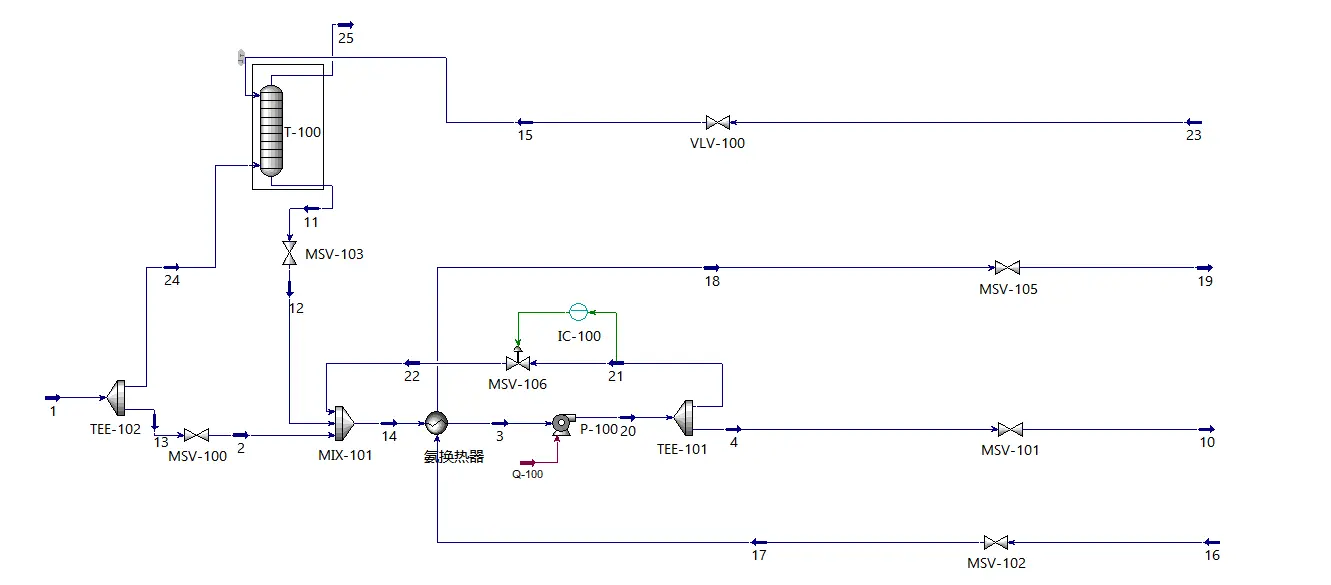
Understanding Ammonia Fuel Handling Systems
What Makes These Systems Different from Conventional Fuel Systems
A normal diesel fuel system moves a liquid that is pretty stable from the tank to the engine. From the bunker manifold all the way to the engine fuel valve train, an ammonia fuel handling system must control a deadly chemical that is either frozen or compressed. Every monitor, connection point, and pipe joint is responsible for safety in a way that isn't possible with traditional naval fuel engineering.
Core Components and Their Functions
The CM Energy brand's ammonia fuel supply system is made up of several connected subsystems. These are the fuel vaporization unit (FVU), the vent system, the ammonia release management system (ARMS), the inert gas system, the ventilation system, and engine interface products. Each subsystem has a specific job to do to keep ammonia controlled, conditioned, and safely sent to the main engine. This is true whether the main engine is a MAN or WinGD platform, as they have different control and communication needs.
Safety Architecture and Regulatory Compliance
An Ammonia Fuel Handling System's safety architecture directly deals with the IDLH (Immediately Dangerous to Life or Health) level of 300 ppm ammonia. Electrochemical toxicity monitors, double-walled ventilated pipes, automatic Emergency Shutdown (ESD) valves, and nitrogen purging circuits are all part of the system. All the design work is in line with the IMO IGF Code and the rules set by DNV, ABS, and CCS. These are the groups that shipping project directors have to please before any demonstration vessel goes into service.
Comparing Ammonia Fuel Systems with Alternative Solutions
Ammonia vs. Hydrogen: Storage and Infrastructure
Either cold storage at -253°C or compression at 700 bar are needed for hydrogen, and both are very hard to do on a business ship. In contrast, ammonia melts at -33°C and atmospheric pressure. It can also be stored at room temperature under 8–10 bar of pressure. Because of this, building ammonia bunkering infrastructure is now much more likely to happen soon. Teams like TSC can use their decades of experience working with LPG terminals and shipping vessels to help.
Ammonia vs. Diesel: Emission Profile and Retrofit Pathway
CO₂, SOx, and particle matter are made when diesel is burned. At the point of use, burning ammonia doesn't make any CO₂. The ammonia fuel handling system collects and treats vapor fumes using thermal oxidation or re-liquefaction units. This stops unburned ammonia from being released into the air. It's a lot harder to convert a diesel ship to run on ammonia than it is to convert it to LNG, but shipowners who have done LPG retrofits before, like China Merchants Industry, have technical know-how that makes the process easier.
Energy Density Trade-offs and Practical Considerations
Because ammonia has a lower volumetric energy density than HFO, ships need bigger fuel tanks to keep up the same range. When project teams create boats, they need to think about this, especially for brand-new boats where the deck shape can be made better. If you want to do a retrofit project, you need to think about how to arrange the tanks and how to strengthen the structure. When an experienced ammonia fuel handling system supplier does the technical feasibility study, not after the contract is signed, they should talk about these engineering trade-offs.
Procurement Considerations for Ammonia Fuel Handling Systems
Evaluating Supplier Expertise and Certification Track Record
Technical depth is more important than catalog range when choosing an ammonia fuel handling system provider. The team in charge of buying things should make sure that the seller has direct experience with building ammonia carriers and low-flashpoint fuel systems. The TSC brand from CM Energy has a certain credibility because the system wasn't taken from a generic gas handling catalog; instead, it was created using China Merchants Industry's experience building ammonia transport vessels and carrying out LPG fuel retrofit projects.
Here are the main factors that procurement workers should use to judge suppliers:
- Classification society compliance: Confirm that the system design has been reviewed against DNV, ABS, or CCS ammonia fuel notation requirements, whichever applies to the target vessel's flag and operational area.
- Engine platform compatibility: MAN and WinGD ammonia engines differ in fuel supply pressure, control logic, and interface requirements. Verify that the supplier has addressed both platforms and can document the differences in their system architecture.
- Full lifecycle support: TSC provides services from initial design through manufacturing, installation, commissioning, and after-sales support — covering multiple units currently in active construction.
These factors help purchasing teams tell the difference between suppliers who really know how to work with ammonia and those who are just selling general gas system goods under a different name.
Cost Structure and Staged Implementation
It costs several million RMB to buy a single ammonia fuel supply system for a display vessel. The buying team should look at not only the cost of capital, but also the cost of help with commissioning, training for the crew, keeping spare parts on hand, and ongoing expert support. Staged implementation, which starts with a demonstration project and builds up to mass production, is a smart way for shipowners to handle technical risk while gathering data on how the system works.
Environmental and Operational Benefits of Ammonia Fuel Handling Systems
Zero CO₂ Combustion and Lifecycle Emission Advantages
When renewable energy is used to make green ammonia, which is then used as fuel, the well-to-wake CO₂ emissions get very close to zero. This is possible because the ammonia fuel handling system safely sends the fuel to the engine without letting air in. This is a direct operational advantage for shipowners who want to get IMO Carbon Intensity Indicator (CII) ratings and be in line with the EU Emissions Trading System. It affects both their regulatory standing and their ability to compete in the charter market.
NOx Control and Vapor Management
NOx can be made when ammonia is burned, and Selective Catalytic Reduction (SCR) is needed to get rid of unburned ammonia that slips downstream of the engine. The ARMS part of the ammonia fuel handling system controls and monitors the amount of ammonia vapor in the fuel circuit, sending information to the ship's alarm and monitoring system. The thermal oxidation feature of the exit system treats any gas that can't be turned back into a liquid before letting it out. This keeps emissions within the limits set by the port authority and flag state.
Supporting the Transition to Zero-Carbon Shipping Infrastructure
TSC is building a zero-carbon laboratory ammonia supply system as a showcase project. This puts the technology and the team in a position to be a part of the new ecosystem that is developing safety rules, certifying ammonia fuel, and planning bunkering infrastructure. When shipowners work with suppliers at this point, they get access to technical information that the public won't have until standards are fully developed.
Case Studies and Practical Applications
Foundation in Ammonia Transport and LPG Retrofitting
The TSC brand of CM Energy did not start working with ammonia fuel from scratch. The technical base comes straight from China Merchants Industry's work on building ammonia delivery ships and retrofitting LPG fuel systems. Through these projects, the engineering team learned about the material compatibility requirements for ammonia (austenitic stainless steel pipes and avoiding copper and brass alloys) and the safety monitoring logic that an ammonia fuel handling system needs.
Zero-Carbon Laboratory Demonstration Project
The AFSS, ARMS, and inert gas system can be tested in a live setting with controlled conditions thanks to TSC's work on a zero-carbon laboratory ammonia feed system. Classification societies, port authorities, and flag states need to see this kind of demonstration project before they agree to allow commercial deployments. When shipowners are doing a feasibility study, a provider who is actively involved in a showcase project has a much lower technical risk profile.
Multi-Fuel Platform Capability
The company TSC has given 19 ship sets of clean fuel supply and cargo handling systems for platforms that use methanol (MFSS), LNG (FGSS), ammonia (AFSS), and LPG. Because of this, a shipowner with a mixed fleet or a plan for a gradual switch from LNG to ammonia can work with a single technically qualified supplier for all fuel types. This makes integration easier at the shipyard level.
Conclusion
The ammonia fuel handling system represents the most technically demanding and strategically consequential equipment decision a zero-carbon shipping project will make. Getting the safety architecture, engine platform compatibility, and classification society compliance right from the start determines whether a demonstration project becomes a repeatable series program. CM Energy's TSC brand offers a grounded, experience-based entry point into this space — built on ammonia transport vessel construction, LPG retrofit execution, and active zero-carbon laboratory participation. For shipowners and project directors ready to move from feasibility study to system design, the technical foundation exists today.
FAQ
1. What safety protocols does an ammonia fuel handling system use onboard ships?
The system has dedicated nitrogen purging circuits, double-walled ventilated pipes, an ESD valve that closes automatically when a leak is found, and continuous electrochemical toxicity sensing. The line section in question is shut down and flushed with nitrogen until sensor readings drop below safe levels before any repair work can begin. These protocols are in line with the IMO IGF Code and the notations for ammonia fuel from the classification society.
2. How does the cost of an ammonia fuel system compare to LNG or diesel systems?
The extra safety instruments, material requirements, and vapor management equipment that are needed make the capital costs higher than for LNG systems. For demonstration projects that get money from the government or a group, on the other hand, the investment case is judged based on long-term regulatory compliance value and first-mover positioning rather than short-term fuel cost arbitrage.
3. Is retrofitting an existing vessel to ammonia fuel practical?
It is certainly possible to retrofit, but it needs a lot of work on the structure and processes. Vessels that already have LPG or LNG facilities have some design features that can be used on other vessels. TSC's experience with LPG upgrade projects gives them a good idea of where the technical problems are most likely to arise, especially when it comes to setting up the tanks, replacing materials, and redesigning the ventilation system.
4. Does the system work with both MAN and WinGD ammonia engines?
Yes, TSC's ammonia fuel supply system takes into account the fact that both MAN and WinGD ammonia engine models have different needs when it comes to fuel supply pressure, control logic, and interfaces. During the technical clarification phase, the supplier should be asked to write down any differences that are specific to the platform.
Partner with CM Energy for Your Ammonia Fuel Handling System Project
Shipowners, shipyards, and showcase project teams from all over the world can contact CM Energy and its TSC name about projects. TSC has the ammonia fuel handling system knowledge your project needs, from figuring out if it will work technically to installing and starting it up. They have completed 19 ship sets across clean fuel platforms and are involved in zero-carbon laboratory programs. To set up a detailed meeting with one of our ammonia fuel handling system experts, please email us at info.cn@cm-energy.com or go to cm-energy.com.
References
1. International Maritime Organization. IMO Strategy on Reduction of GHG Emissions from Ships. IMO, 2023.
2. DNV. Ammonia as a Marine Fuel: Safety Handbook. DNV, 2021.
3. Mærsk Mc-Kinney Møller Center for Zero Carbon Shipping. Ammonia as a Marine Fuel: Technology Readiness and Pathway Assessment. MMMCZCS, 2022.
4. International Energy Agency. Ammonia Technology Roadmap: Towards More Sustainable Nitrogen Fertiliser and Ammonia Fuel Production. IEA, 2021.
5. Lloyd's Register and UMAS. Zero-Emission Vessels: Transition Pathways. Lloyd's Register, 2020.
6. Society of Naval Architects and Marine Engineers. Ammonia-Fueled Vessels: Engineering Considerations and Classification Requirements. SNAME Transactions, 2023.
