How Rigid Sail Propulsion Works on Commercial Ships
Rigid sail propulsion uses solid, airfoil-shaped structures to generate aerodynamic lift that translates into forward thrust on commercial vessels. Unlike fabric sails, a rigid sail maintains its shape across all wind conditions, producing consistent and measurable thrust without crew intervention. On bulk carriers and tankers, rigid sail systems work as auxiliary propulsion—supplementing main engine power to reduce fuel consumption and lower carbon emissions. Systems like the TSC WindWings®, developed under BART's patented technology, have demonstrated fuel savings verified by DNV, making the rigid sail a credible, compliance-driven investment for fleet operators worldwide.
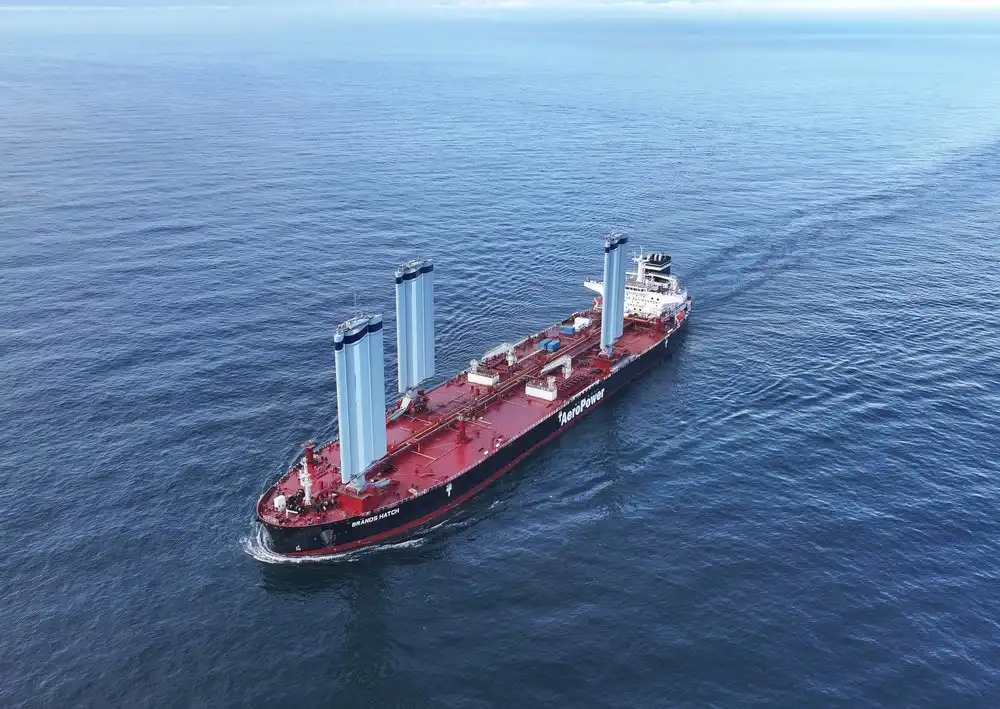
Understanding Rigid Sail Propulsion on Commercial Ships
Wind-assisted propulsion is not a new idea, but the engineering behind rigid sail systems today is very different from the canvas rigging of the past. Modern wingsail technology uses aerodynamic principles used in airplanes to make power that can be measured and used on business ships.
How a Rigid Sail Generates Thrust?
The same aerodynamic principles apply to the operation of a rigid sail as they do to an airplane. A pressure difference forms between the two sides as wind moves across the bent surface. This creates lift. On a ship, this lift goes forward instead of upward, helping the engine thrust. This lowers the load on the engines, lowers the amount of fuel used, and leads to a measured drop in carbon intensity—all without changing the trade route of the ship.
The Role of Camber and Angle of Attack
The rigid sail's aerodynamic performance is based on two variables that can be changed: camber, which is the curve of the wing profile, and angle of attack, which is how the wing is oriented in relation to the wind direction. Both can be changed automatically in real time based on live wind data. The TSC WindWings® system uses special software to find the best setup at any given time. This gives the system over 2.5 times the lift of regular wingsails with only one element.
From Historical Canvas to Modern Wingsails
In the 1800s, steam engines took the place of sail power as the main type of power for commercial ships. During the 1970s energy crisis, people became interested in wind-assisted transport again. However, the first rigid sail designs did not have the automation or material science that would have made them commercially viable. Today's systems, like the three-element rigid sail that CM Energy sells under the TSC brand, are the result of decades of research into aerodynamics and real-life sea trials. They make wind propulsion a useful tool for reducing carbon emissions.
Advantages and Performance of Rigid Sails in Commercial Shipping
When shipowners look at wind-assisted propulsion systems, they want real data, not just guesses. The rigid sail meets both environmental and financial standards, and buying choices are backed by third-party verification.
Verified Fuel Savings and Emissions Reduction
The 37.5m model of the TSC WindWings® saves about 1.6 tons of fuel every day per wing, which equals a daily CO₂ reduction. These numbers are based on actual ship activities, not computer simulations, and they have been checked by DNV. For a group with multiple units that travels trans-oceanic lines, the total amount of fuel saved is big, often up to 30% on good routes.
Regulatory Compliance: EEXI, CII, and EU ETS
The IMO's CII (Carbon Intensity Indicator) and Energy Efficiency Every year, the existing Ship Index (EEXI) rules get stricter. By lowering the amount of fuel used per tonne-nautical mile, a rigid sail installation immediately raises a ship's CII grade. This is important for more than just compliance: charterers want ships with high CII scores more and more, and green financing tools like Poseidon Principles-aligned loans support low-carbon fleets. When a shipowner installs a rigid sail, they are ahead of the rules and don't have to rush to meet basic requirements.
Operational Track Record
Bulk ships with TSC WAPS have made calls at more than 20 major ports around the world without any problems being noted. Because it works reliably in a wide range of ports, weather conditions, and cargo operations, procurement teams know that installing rigid sail won't mess up commercial schedules. The system turns into a laydown position to make room for hatch covers and tools used to move goods. This keeps the normal loading and unloading cycles going without any problems.
These performance benefits meet the main concerns of fleet technical directors, which are a clear return on investment, compliance with regulations, and as little disruption to vessel operations as possible. Together, they make a strong business case for using rigid sail.
Design Principles and Materials Used in Rigid Sails
Knowing what goes into a rigid sail helps buying engineers figure out how good the product is and how reliable it will be in the long run before they spend money on it.
Airfoil Design and the Three-Element Configuration
The TSC WindWings® have a three-part rigid sail structure, which includes a main wing body and leading and tail areas that can be adjusted. This set-up lets you control the slope in a way that a single-element wingsail can't. The design with multiple elements has a much higher lift coefficient, which means that the same wind speed produces more thrust. The Wolfson Unit and Lloyd's Register have independently checked the fluid dynamics and confirmed the aerodynamic power of this design.
Materials: Steel, Composite, and Marine-Grade Components
The rigid sail system from CM Energy is made up of ship-grade steel frames and industrial E-glass composite panels. Steel is the main material used to build ships that can handle the forces of wind and waves at sea. The composite panels keep the overall weight manageable and protect against the harsh marine environment. All of the raw materials come from sources that are ISO-certified, and DNV, BV, LR, and CCS have all approved the type of the whole system.
Automation and Control Architecture
The control system always checks the wind direction, the ship's heading, and the load on the sails. Based on this information, it automatically changes the wing's position and slope. There is also a manual tool for team members who would rather type directly into the system. IoT-based remote monitoring lets technical teams on land keep an eye on thrust performance in real time, plan maintenance, and get weather-based routing suggestions. They can do all of this through a web-based dashboard that can be accessed by both office and vessel staff.
Procurement Considerations for Rigid Sail Systems on Commercial Ships
Getting a rigid sail system is an investment, not a buy that you will use up quickly. A structured list of technical, financial, and service criteria should be used by procurement teams to judge suppliers.
Here are the main things you should think about when evaluating a supplier:
- Classification society certification: The system must carry type approval from recognized bodies. TSC WindWings® holds approvals from DNV, BV, LR, and CCS, plus AIP certification—covering the major flag states and port state control regimes worldwide.
- Third-party performance verification: Published fuel-saving data must come from independent entities. DNV-verified real-vessel data, supported by Wolfson Unit fluid dynamics analysis, sets TSC's offering apart from systems relying solely on computational modeling.
- Installation compatibility and retrofit scope: A rigid sail supplier should conduct a ship compatibility analysis before contract signature. CM Energy's installation process covers on-site assembly, factory acceptance testing, and supervised onboard installation, reducing integration risk.
- Lifecycle support: A 25-year design life means the supplier relationship extends well beyond delivery. TSC provides long-term service packages, IoT monitoring, and the ability to transfer units between vessels, protecting the capital investment across fleet renewals.
These factors give procurement managers the confidence to move from a group of suppliers to signing a contract, knowing that the rigid sail system they choose will work as promised and get support for as long as it is in use.
Making the Decision: Is a Rigid Sail Right for Your Commercial Fleet?
A rigid sail installation won't be as useful for every trade route or type of ship. To make the choice, you need to be honest about your fleet's character, route patterns, and compliance plan.
Matching Technology to Trade Route
Long-distance routes, like the Atlantic grain trade or the Pacific iron ore lines, usually give bulk ships the best return because the wingsail power is maximized by a steady beam and wide-ranging wind angles. Tankers traveling along similar lines can also benefit, as long as the system is designed to fit their deck layout and cargo space needs. CM Energy makes three different model sizes to fit a range of vessel sizes and deck layouts.
New Build vs. Retrofit
A rigid sail can be added to a brand-new design or adapted to an existing ship while it is in dry dock. When a new boat is built, structural reinforcement can be added from the keel up. But when a boat is retrofitted, a compatibility study must be done to make sure the structure is strong enough and there is enough deck space. Both tracks can be taken with the help of CM Energy's engineering team and the TSC name.
Crew Readiness and Training
No special sailing skills are needed to operate a rigid sail. The way the crew works together is like running a deck crane, and the automatic control system makes most of the changes on its own. As part of the installation package, CM Energy trains the crew to make sure that officers and ratings can safely run the system from the start.
Conclusion
A rigid sail system has been used successfully in the past to help bulk carriers and tankers meet IMO carbon intensity requirements while using less fuel. The mechanical principles are well known, the materials are made to work in salt water, and the performance claims have been checked by a third party. The TSC WindWings® from CM Energy was made with BART-patented technology and is approved by DNV, BV, LR, and CCS. It is a mature product that has been used in more than 20 places around the world. When shipowners weigh the initial cost of a rigid sail installation against the long-term cost savings on fuel and the need to follow rules, the case for it is based on facts, not beliefs.
FAQ
1. How much fuel can a rigid sail system actually save?
The TSC WindWings® 37.5m model saves approximately 1.6 tonnes of fuel per wing per day under typical operating conditions, with total fleet savings reaching up to 30% on favorable routes. Actual savings depend on route, vessel speed, and prevailing wind patterns.
2. Does a rigid sail interfere with hatch cover operations on bulk carriers?
No. The system rotates into a flat laydown position to clear hatch covers and cargo-handling equipment. Bulk carriers with TSC WAPS installed have completed operations at more than 20 global ports without any cargo-handling incidents.
3. Which classification societies certify this system?
TSC WindWings® carries type approval and AIP certification from DNV, BV, LR, and CCS. Performance data has been independently verified by DNV through real-vessel operations.
4. How long does a rigid sail system last?
The system is designed for a 25-year service life without major component replacement. Units can also be transferred between vessels, protecting the capital value of the investment across fleet changes.
5. Is installation possible during a regular drydock?
Yes. CM Energy's installation process is structured to fit within scheduled drydock windows, covering compatibility analysis, factory acceptance testing, and onboard installation with minimal disruption to vessel trading schedules.
Connect with CM Energy for a Tailored Rigid Sail Assessment
Under the TSC brand, CM Energy brings verified wingsail technology to fleets that need to reduce their carbon footprint in a way that can be measured. TSC WindWings® is a reliable rigid sail supplier with performance data checked by DNV and approvals from four major classification societies. It is designed for commercial operators who are under a lot of pressure to meet compliance standards. Visit cm-energy.com or email info.cn@cm-energy.com to get a fleet-specific review and find out how a rigid sail investment can work for your ships and routes.
References
1. International Maritime Organization (IMO). Fourth IMO Greenhouse Gas Study. IMO, 2020.
2. DNV GL. Wind-Assisted Propulsion: Technology Outlook and Certification Framework. DNV, 2022.
3. Traut, M., et al. "Propulsive Power Contribution of a Kite and a Rigid Sail to the Fuel Savings of Various Shipping Fleets." Energy, Elsevier, 2014.
4. Lloyd's Register. Wind-Assisted Ship Propulsion: Technical and Operational Assessment. Lloyd's Register, 2021.
5. Wolfson Unit for Marine Technology and Industrial Aerodynamics. Aerodynamic Testing of Rigid Wingsail Systems for Commercial Shipping. University of Southampton, 2019.
6. Smith, T.W.P., et al. "A Second IMO Greenhouse Gas Study." Journal of Marine Engineering & Technology, 2016.
