What Causes Cavitation in Centrifugal Pumps and How to Prevent It
Cavitation is one of the most damaging conditions a centrifugal pump can experience. When local fluid pressure drops below the liquid's vapor pressure, small vapor bubbles form inside the pump. These bubbles then collapse violently as pressure recovers, sending microscopic shock waves into metal surfaces. Over time, this process erodes impellers, damages casings, and shortens mechanical seal life — outcomes that no drilling contractor or oil services company can afford. Understanding what triggers cavitation and how to stop it before it starts is the first step toward protecting your pump investment.
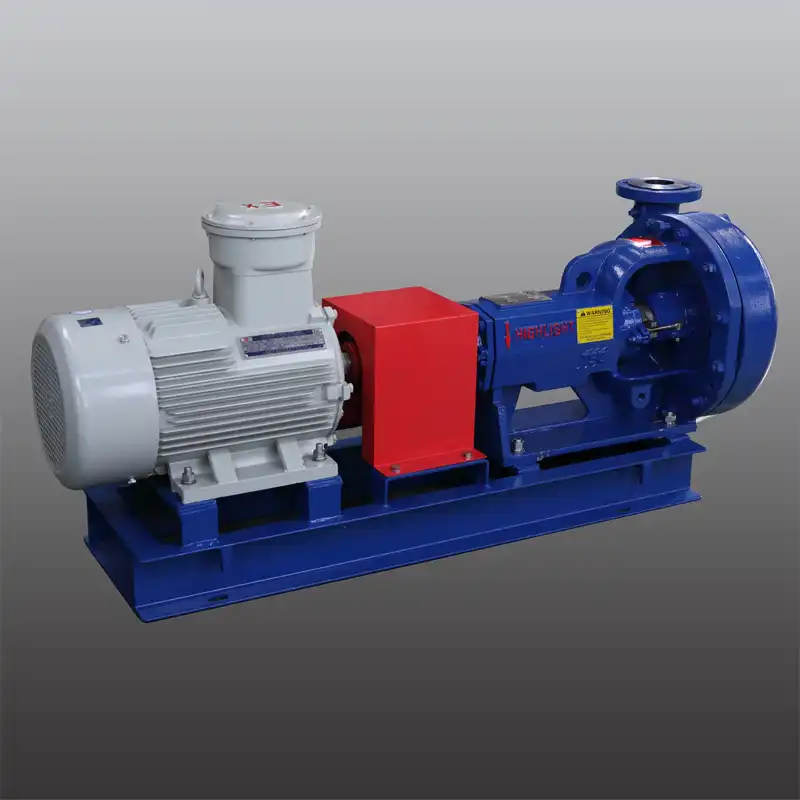
Understanding Cavitation in Centrifugal Pumps
It's helpful to know what cavitation looks like in real life before talking about how to stop it. A lot of the time, field teams miss early warning signs, which turns a problem that can be fixed into an expensive machine failure.
What Cavitation Looks Like
Cavitation in a centrifugal pump usually makes a rattling or cracking sound, which is often like gravel moving through the case. You might also see erratic flow rates, changes in pressure on the discharge gages, or vibrations you can see on the pump body. These aren't normal sounds for being in use.
How It Progresses
If you don't fix the cavitation pitting on the impeller vanes and casing walls, it will get worse. Vibrations cause mechanical seal faces to become out of line, which leads to leaks. Bearing loads go up. What starts as noise turns into damage to the structure that means the whole pump has to be replaced instead of just being serviced.
Why It Matters for Drilling Operations
A centrifugal pump is used to move slurry between land rigs and offshore platforms. It can continuously handle rough, heavy fluids. Cavitation adds to the rough wear that these fluids already have, making degradation happen much faster than either problem could on its own. Even a short time without a pump stops the drilling fluid circuit for mud engineers who are in charge of solids control systems.
Root Causes of Cavitation in Centrifugal Pumps
Cavitation doesn't just show up out of nowhere. It follows trends that can be predicted based on fluid conditions, the design of the system, and the choice of pump. To make the right fix, you need to be able to pinpoint the exact issue in your program.
Insufficient Net Positive Suction Head (NPSH)
The main reason for this is usually not enough available NPSH, which happens when the pressure on the suction side doesn't go above the pump's needed NPSH by a safe amount. This can happen when there are long suction lines, too much suction lift, jammed strainers, or high fluid temperatures. According to industry standards, you should keep at least 3 feet of NPSH above the pump's rating minimum.
Operating Away from the Best Efficiency Point
On its performance curve, every centrifugal pump has a point called BEST that shows where it works best. Running a lot faster or slower than that flow rate changes how the pressure inside the system is distributed and causes recirculation zones where air pockets form. Cavitation is a big problem for pumps that have to work in conditions that aren't designed for them for long periods of time.
Mechanical and Installation Factors
Worn impellers change the internal clearances and make the hydraulics less effective. If there are air leaks on the suction side, partially closed suction valves, or pipes that are the wrong size, they can all stop flow and lower local pressure. In the field, especially on mobile rigs or frac trucks, vibrations can cause fittings to become loose, which lets air in and makes cavitation behavior worse.
Practical Methods to Prevent Cavitation
Repairing things is much more expensive than preventing them. Cavitation can be stopped at its source by using a structured approach that includes system design, operating procedures, and equipment choice.
Optimize the Suction System
Make sure the suction lines are short and straight. On the suction side, use the pipe with the biggest width that you can. Place the pump as close to the source of the fluid as you can, and make sure the suction strainers are cleaned regularly. These steps raise the available NPSH immediately, so the pump itself doesn't need to be changed.
Select the Right Pump for the Application
Off-BEP operation can't happen if the pump's volume, head grade, and speed are all matched to the needs of the system. As long as the centrifugal pump is the right size for the solids control system's flow range, it will spend most of its life near its most efficient point, where the risk of cavitation is lowest. The HCP and HCP-S series pumps from TSC are made to handle slurry continuously. They have open impellers and wide vane shapes that keep the flow of fluid fixed over a wide working range.
Implement Routine Monitoring
Checking the sucking pressure, discharge pressure, and sound levels on a regular basis can find small problems early on, before they get worse. With handheld instruments for acoustic monitoring, the characteristic cavitation sound can be picked up at a low level before any damage happens. Keeping an accurate working log can also help you spot slow changes in performance that could be signs of wear or system drift.
Optimizing Centrifugal Pump Performance While Avoiding Cavitation
Part of the goal is to keep pump performance stable over its whole service life, which includes stopping cavitation. Long-term dependability is affected by the choice of materials, the design of parts, and the careful fixing.
Material Selection and Wear Resistance
Hard iron and high chrome metals are much better than regular cast iron at withstanding the combined attack of abrasive slurry and cavitation-induced pitting. TSC's HCP series centrifugal pump come in hard iron, high chrome, aluminum bronze, and stainless steel. This gives sourcing teams a choice of materials that are best for the type of fluid and level of wear and tear.
Component-Level Design Features
An open impeller lowers axial thrust loads, and an impeller retention bolt keeps the impeller from breaking if the pump briefly reverses rotation, which can happen when the power goes out in the field. Wide-vane fan design makes it easier for fluids to move through and cuts down on areas of low pressure that cause vapor bubbles to form. For heavy-duty uses, TSC's PF series centrifugal pumps have back vanes on the rotor that keep solids from building up near the stuffing box and lower the pressure inside the case, which makes cavitation less likely.
Troubleshooting a Suspected Cavitation Event
When noise or performance loss shows up, check the suction side first to see if the valve is in the right place, the filter is clean, and the suction line is intact. After that, compare the operating point to the pump curve. If the system has changed, for example, the flow needs may have changed, the pipe runs may be longer, or the fluid density may have changed, you should adjust the NPSH margins before you assume the pump is broken.
Procurement Considerations Related to Cavitation Prevention
When you buy a centrifugal pump for drilling, you need to look at more than just the flow and head numbers on the label. You should make cavitation resistance an official part of the way you specify things.
When procurement teams are looking for slurry transfer pumps, these are the things they should look at first:
- Material construction: Confirm availability of hard iron or high chrome options suited to your fluid abrasiveness and pH.
- Impeller design documentation: Request hydraulic performance curves and verify the BEP range covers your actual operating conditions.
- Mechanical seal options: Assess whether mechanical seal or packed gland options are available, and confirm spare seal lead times from the supplier.
- Spare parts compatibility: TSC's HCP line shares a common power end across multiple pump sizes, which reduces spare part inventory and speeds field repairs.
- After-sales support: Confirm 24/7 technical support availability, especially for offshore or remote land rig deployments.
These requirements immediately lead to fewer unexpected stops and lower total costs of ownership over the life of a pump. A supplier that offers custom bill of materials drawings, full-load operation testing before shipment, and refurbishment services can lower risk in a way that can be measured, but price comparisons alone can't.
Conclusion
It is possible to avoid cavitation in a centrifugal pump by designing the system correctly and choosing the right tools. The most important things are suction head margins, working point accuracy, material durability, and regular tracking. These things are the same whether you're drilling on land, at sea, or on a mobile rig. Through its TSC name, CM Energy makes the HCP, HCP-S, and PF centrifugal pump lines. These pumps are designed to work continuously with slurry in tough oil and gas environments. Picking a pump that was made to work in your specific conditions and comes with quick technical support and easy-to-find replacement parts is the best way to make sure that the mud flows smoothly and for a long time.
FAQ
1. How do I know if my centrifugal pump is cavitating?
The clearest sign is a rattling or crackling noise from the pump casing, often accompanied by erratic discharge pressure and increased vibration. If you notice these symptoms together, check suction conditions immediately.
2. Is cavitation noise different from normal pump noise?
Yes. Normal centrifugal pump operation produces a steady hum from motor and bearing rotation. Cavitation sounds irregular — like gravel or marbles inside the casing — and tends to fluctuate with flow rate changes.
3. Does pump material affect cavitation damage?
Significantly. Harder alloys such as high chrome iron resist surface pitting far longer than standard cast iron. Material choice does not prevent cavitation from occurring, but it substantially slows the rate of damage accumulation.
4. How is NPSH calculated for a drilling application?
Available NPSH equals atmospheric pressure plus static head minus vapor pressure minus friction losses in the suction line, all expressed in feet of fluid. The calculated value must exceed the pump's required NPSH by a minimum margin — typically at least 3 feet — to maintain reliable operation.
5. Can a centrifugal pump recover after cavitation damage?
Minor surface pitting on an impeller can sometimes be accepted for a short period, but damaged impellers should be replaced promptly. Continued operation under cavitating conditions accelerates wear exponentially. TSC's HCP series uses replaceable components that simplify field restoration.
Partner with CM Energy for Dependable Centrifugal Pump Solutions
Centrifugal Pumps from CM Energy and its TSC name have been used successfully in oil and gas drilling for a long time. Whether you need a standard HCP unit or a small HCP-S that has been modified for hydraulic motor drive, our team can match the specs to your system needs and offer full expert support from the decision process through service. Visit cm-energy.com or email us at info.cn@cm-energy.com to get a product advice or quote from a reliable centrifugal pump provider.
References
1. Gülich, J. F. Centrifugal Pumps. Springer, 2010.
2. Hydraulic Institute. ANSI/HI 9.6.1: Rotodynamic Pumps — Guideline for NPSH Margin. Hydraulic Institute, 2017.
3. Karassik, I. J., et al. Pump Handbook, 4th ed. McGraw-Hill, 2008.
4. Terwisga, T. van, et al. "Cavitation Erosion: A Review of Physical Mechanisms and Erosion Risk Models." Journal of Hydrodynamics, 2009.
5. American Petroleum Institute. API 610: Centrifugal Pumps for Petroleum, Petrochemical and Natural Gas Industries, 12th ed. API, 2021.
6. Brennen, C. E. Cavitation and Bubble Dynamics. Cambridge University Press, 2013.