How AFSS Delivers Ammonia Fuel to Marine Engines
The Ammonia Fuel Supply System (AFSS) is an integrated solution that controls the full journey of ammonia from onboard storage to engine combustion. It manages bunkering, vapor handling, flow regulation, leak detection, and emergency shutdown in one coordinated architecture. As shipping companies face mounting pressure to cut carbon emissions, the AFSS gives fleet operators a practical path to run zero-carbon voyages on ammonia — without compromising crew safety or engine performance. For project directors evaluating ammonia-fueled newbuilds or retrofit programs, understanding how the AFSS works is the first step toward a sound technical decision.
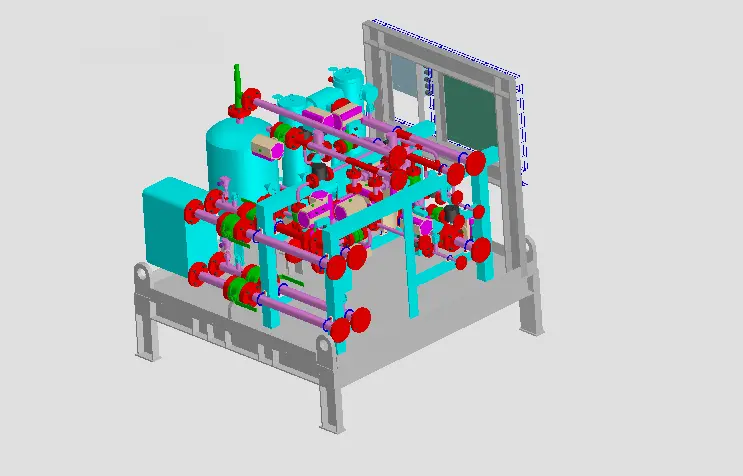
Understanding AFSS and Its Role in Marine Engines
AFSS is not a single device; it is a group of closely linked subsystems that work together to make sure that a marine engine gets ammonia in a safe and accurate way.
What the AFSS Architecture Looks Like
The AFSS core unit, the Fuel Valve Unit (FVU), the vent system, the Ammonia Release Management System (ARMS), the venting system, the inert gas system, engine-side parts, and the general safety system are all parts of a full ammonia fuel system. Each layer does a specific job, and all of them work together to make a supply chain from the tank to the combustion chamber that can handle problems.
How Ammonia Moves Through the System
When ammonia is kept in low-pressure tanks, re-liquefaction or sub-cooling units keep the pressure in the tanks within safe limits. After that, the FVU controls the flow rate and pressure of the ammonia before it gets to the engine. During this process, ARMS constantly checks for vapor concentrations and initiates emergency shutdown procedures if limits are crossed. This gets rid of the "human discovery lag" that makes uncontrolled ammonia settings so dangerous.
MAN vs. WinGD: Why the Difference Matters
The AFSS has to be set up to work with the goal main engine base. The fuel injection design, pressure needs, and control reasoning for MAN and WinGD ammonia engines are all different. A method that was made for one can't just be moved to the other. In the technical possibility phase, procurement teams should check that the engines will work together right away to avoid having to do expensive redesigns later on.
Benefits of Using AFSS in Marine Engines
About 2.5% of the world's greenhouse gas emissions come from shipping. The IMO's updated plan for 2023 aims to have net-zero emissions by or around 2050. One of the few fuels that can truly meet this goal for deep-sea lines is ammonia, which doesn't give off CO2 when burned. The AFSS is what turns ammonia into a real option instead of just an idea.
Here are the main operating benefits that an AFSS gives:
- Zero-carbon combustion pathway: Ammonia contains no carbon atoms, so its combustion produces no CO₂ or SOx. For vessels operating under the IMO Carbon Intensity Indicator (CII) framework, running on ammonia dramatically improves ratings.
- Integrated leak detection and emergency response: The ARMS subsystem within the AFSS provides continuous vapor monitoring. If a leak is detected, the system can execute automatic isolation and emergency shutdown within seconds, protecting crew in enclosed and above-deck spaces alike.
- Vapor capture and thermal oxidation: The vent system captures ammonia vapor from tanks and process lines. For low-pressure storage, thermal oxidation or re-liquefaction units treat excess vapor before it can reach hazardous concentrations, meeting port state and flag state requirements.
- Inert gas protection: The inert gas system purges pipelines and equipment spaces to remove oxygen, cutting explosion risk during bunkering, operation, and maintenance windows.
These features directly address the two main issues that come up in every ammonia vessel project: keeping the crew safe and following the rules. Together, they make it possible for owners to use ammonia as the main fuel without creating legal gaps that would happen if they did things separately.
Comparing AFSS with Traditional Fuel Supply Systems
Standard HFO and MGO fuel systems were made for hydrocarbons that are stable and don't react with other things. Ammonia is acidic and poisonous at low levels, and its vapors need to be actively managed at all stages. It's not possible to use an old fuel system for ammonia; the standards for material compatibility alone mean that a new system has to be designed from scratch.
What Makes AFSS Different From Legacy Systems
The older systems don't have the ability to detect ARMS-type vapors, integrate inert gasses, or handle the thermal oxidation or re-liquefaction that ammonia needs. An AFSS is designed from the start to handle the physical and chemical properties of ammonia. It has materials that don't rust, positive-pressure ventilation in dangerous areas, and multiple layers of shutdown logic that older systems don't have.
Compatibility With Classification Society Requirements
DNV, ABS, and CCS have all released ammonia fuel notation frameworks that spell out what an AFSS needs to have in order to get class approval. These models talk about how sensitive a leak detector is, how long it takes to shut down in an emergency, how fast air flows through the system, and how well the inert gas system works. A custom-built AFSS is made to meet these needs from the start, instead of adding compliance to a base that doesn't work with it.
Fit for Both Newbuilds and Retrofit Projects
The modern AFSS uses a modular design approach that lets the system be set up for new ships during the design phase or added to old hulls as part of a program to make them fit better. This gives ship owners the freedom they need to start using ammonia on older ships before committing to a full newbuild program.
Procurement and Installation of AFSS for Marine Vessels
Getting an AFSS for a commercial newbuild or a demonstration project is a technical and business process that has several steps. The decision cycle usually lasts between 12 and 36 months and includes a feasibility study, system design, approval from the classification society, and the signing of the contract.
The Installation Sequence
To protect the safety of the crew and the stability of the system, installation follows an organized order:
- Confirm vessel design drawings and system interface requirements; complete technical clarification with the shipyard and class society.
- Prepare installation tools, equipment, and safety protection measures on site.
- Transport the prefabricated AFSS module to the vessel and position it using lifting equipment.
- Fix the module base to the ship's structure, verifying levelness and stability against design tolerances.
- Connect transfer pipelines, auxiliary piping, and control cables; verify sealing performance and electrical integrity.
- Conduct individual and integrated commissioning of all subsystems — bunkering, supply, and safety control functions — before handover.
Before the ship goes into service, this process makes sure that each subsystem works as it should.
What to Look for in an AFSS Supplier
Suppliers should have clear records of delivering clean fuel systems, show that they know how to use both the MAN and WinGD platforms, and have good relationships with the classification societies that are important to your flag state. Full lifetime support, from design to service after the sale, lowers technical risk over the whole life of the vessel.
Future Trends in Marine Ammonia Fuel Systems
Ammonia is becoming more popular as a marine fuel because of the EU's expansion of the Emissions Trading System to ships, the IMO's new greenhouse gas strategy, and the growing demand for green ammonia supply lines from big energy companies. DNV's industry experts think that between 20% and 30% of the world's fleet could be powered by ammonia by 2050, with the first commercial-scale ammonia-powered ships going into service before 2030.
Digital Monitoring and Remote Diagnostics
Next-generation AFSS platforms include real-time data logging and remote diagnostics, which lets engineering teams on land keep an eye on the health of all the systems in a fleet. This helps preventative repair plans work better and cuts down on unplanned downtime.
Ammonia Bunkering Infrastructure Development
Singapore, Rotterdam, and a number of Japanese ports are working hard to create rules for ammonia bunkering. As bunkering infrastructure improves, ships with AFSS will be able to operate in more areas and make more money.
Policy and Class Rule Evolution
Class societies are updating their ammonia fuel notations to match facts from early users on how it works. AFSS designs that stay in touch with DNV, ABS, and CCS will be able to adapt to these changes before they need to be updated by law. This will protect the long-term regulatory position of the ships they serve.
Conclusion
The AFSS is the most important part of any major ammonia fuel scheme for ships. It fills the gap between ammonia's promise as a fuel with no carbon emissions and the needs of safe, class-approved business shipping. From controlling vapors and protecting inert gasses to controlling flow specific to engines and shutting down in an emergency, the AFSS does things that no other fuel system was designed to do. When project directors and technical vise presidents look at the first ammonia-fueled ship in their fleet, one of the most important choices they will have to make is which AFSS supplier to use. The right seller should have experience with ammonia carriers and be able to handle the whole lifecycle of the project.
FAQ
1. Is an AFSS compatible with both MAN and WinGD ammonia engines?
MAN and WinGD engines differ in fuel injection pressure, control interface, and combustion architecture. A properly engineered AFSS is platform-specific. Procurement teams should confirm engine selection before initiating system design, as changing the main engine after AFSS design begins typically requires significant redesign work.
2. How does the AFSS protect crew from ammonia toxicity?
The AFSS integrates ARMS vapor detection, positive-pressure ventilation in hazardous zones, and multi-stage emergency shutdown. If ammonia concentration exceeds safe thresholds, the system automatically isolates the affected section and activates ventilation — without waiting for manual intervention.
3. What class society approvals does the AFSS need?
Requirements depend on flag state and trading area. DNV, ABS, and CCS each publish ammonia fuel notations covering leak detection, ventilation, inert gas, and emergency shutdown specifications. The AFSS design must satisfy the applicable notation to receive class approval and port-state acceptance.
4. How long does AFSS installation take on a newbuild?
Installation timeline depends on vessel size and system configuration. On a newbuild project, AFSS installation and commissioning typically proceed in parallel with shipyard construction milestones. Coordinating the AFSS supplier with the shipyard and class surveyor from the design stage shortens the overall schedule.
5. What after-sales support should we expect from an AFSS supplier?
Qualified suppliers provide spare parts supply, on-site technical service, remote diagnostics support, and crew safety training. Given the long operational life of commercial vessels, after-sales depth is as important as the initial system specification.
Connect With CM Energy's AFSS Team
The TSC brand of CM Energy's ammonia fuel system is based on real-world experience from building ammonia transport boats and LPG fuel system retrofit projects, not on theory design work. TSC has sent 19 ship sets of clean fuel supply systems out and is currently building a zero-carbon laboratory ammonia supply system. As a well-known AFSS provider that offers full lifecycle support from design to commissioning, TSC gives procurement teams a technically sound partner for both commercial newbuilds and demonstration projects. Visit cm-energy.com or email info.cn@cm-energy.com right now to ask for a technical advice.
References
1. International Maritime Organization (IMO). 2023 IMO Strategy on Reduction of GHG Emissions from Ships. IMO, 2023.
2. DNV. Ammonia as a Marine Fuel: Safety Handbook. DNV GL, 2021.
3. MAN Energy Solutions. Ammonia as a Marine Fuel: MAN B&W Two-Stroke Engine Perspective. MAN Energy Solutions, 2022.
4. WinGD. Ammonia Fuel for Two-Stroke Marine Engines: Technology Overview. Winterthur Gas & Diesel, 2023.
5. Mærsk Mc-Kinney Møller Center for Zero Carbon Shipping. Pathways to Zero Carbon Shipping: Ammonia Fuel Technology Assessment. MMMCZCS, 2022.
6. Society of International Gas Tanker and Terminal Operators (SIGTTO). Guidance on Ammonia as a Marine Fuel. SIGTTO, 2022.