Wind Propulsion System for Cargo Ships: Key Applications
Wind propulsion systems are reshaping how the cargo shipping industry approaches fuel efficiency and regulatory compliance. By harnessing natural wind energy through rigid wing sails and other aerodynamic technologies, these systems reduce main engine load, lower bunker fuel consumption, and directly improve a vessel's CII and EEXI ratings. For bulk carrier and tanker owners facing tightening IMO decarbonization targets and rising EU ETS costs, a well-specified wind propulsion system represents one of the most practical and financially defensible investments available today.
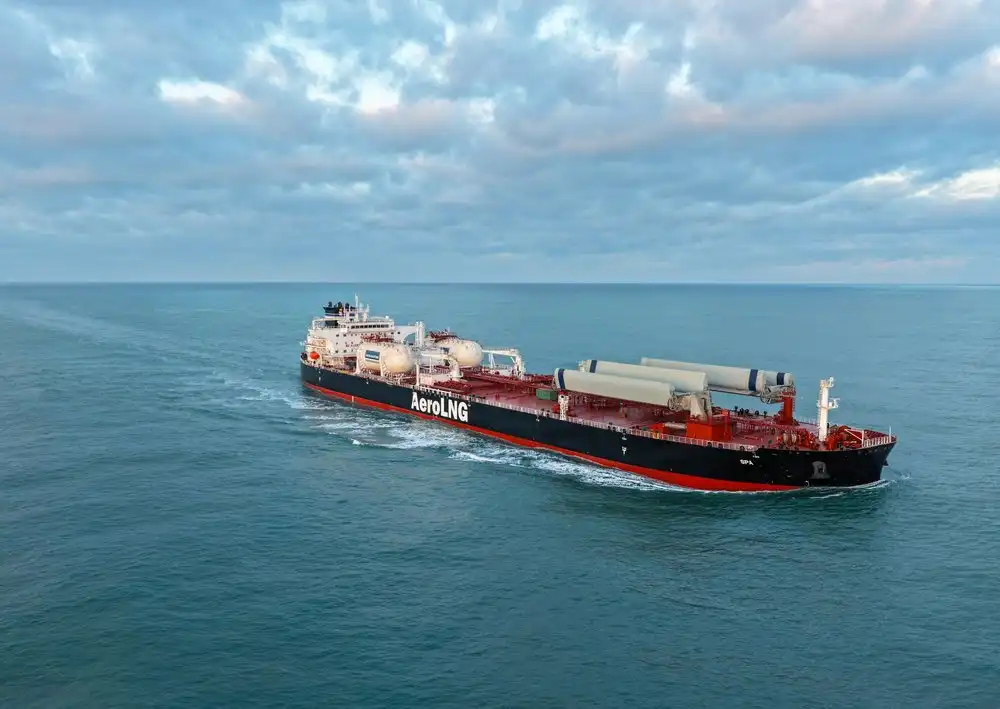
Understanding Wind Propulsion Systems for Cargo Ships
From Traditional Sails to Modern Aerodynamic Engineering
Wind used to be the only source of power for commercial ships. Wind Propulsion Systems are coming back after a century of being powered by fossil fuels. They are not coming back as fabric sails, but as precision-engineered aerodynamic devices. These days' systems use rigid wing profiles and automatic angle-of-attack control to keep the forward power constant in a lot of different wind situations. The physics are still the same, but the way it is done is completely different.
How Lift-Based Systems Generate Thrust
These days, Wind Propulsion Systems use mechanical lift instead of just drag. For instance, a three-element stiff wing sail makes a lot more lift than a single-profile design because it splits airflow over several cambered surfaces. This lift instantly turns into forward thrust, which means the main engine doesn't have to work as hard. The fuel savings can be seen and measured on long ocean journeys where trade winds are steady.
Why Regulatory Pressure Is Driving Adoption
The IMO's Carbon Intensity Indicator (CII) system went into effect in 2023 and says that ships must lower their carbon rate every year until 2030. In 2024, shipping emissions were added to the EU ETS. Fleet owners who can't show CII growth could face fines and less interest from charterers. A wind propulsion system is a tried-and-true, class-approved way to raise these ratings without changing the way the main engine is set up on the ship.
Key Applications of Wind Propulsion Systems in Cargo Shipping
Bulk Carriers on Trans-Oceanic Routes
Big ships like Capesize and Panamax that go on routes like Brazil–China or Australia–Japan go through some of the most stable trade wind paths in the world. When these ships have a wind propulsion system installed, they can use a lot less fuel every day, even on trips that last several weeks. Savings from a fleet of five or more ships can cover the cost of new equipment within a reasonable amount of time, especially when bunker prices are high.
Tankers and Hazardous Cargo Vessels
Deck equipment on tankers has to meet strict safety standards in areas that are marked for flammable cargo vapors. This need is directly met by a three-element rigid wing sail with a foldable, rotating laydown mechanism. The system clears hatch covers and loading arms while the ship is in port, and the wing rotates to a safe position while cargo handling is happening. Ships with this kind of wind propulsion system have made calls at more than 20 major ports around the world without any problems. This is useful operating data for ship owners who are evaluating risk.
New Build Integration and Retrofit Projects
Ship owners have two clear options: add a wind propulsion system to the plans for a new build from the start, or make the changes to a current ship while it is in dry dock. Integrating a new build lets you optimize the structure and maybe even make EEDI better. Even though structural compatibility assessments are needed for retrofit projects, they let fleet owners work on assets that are already in their possession without having to wait for replacement rounds.
CM Energy's WindWings®: A Three-Element Rigid Wing Sail System
The WindWings® wind propulsion system is made by CM Energy's marine technology brand TSC. It is a unique three-element stiff sail that was made in collaboration with BAR Technologies (BART) in the UK. The camber and angle of attack of the system can be changed in real time, so the wing always works at its most aerodynamic, no matter which way the wind is blowing or which way the ship is going.
Here are the main things that make this wind propulsion system work and make money:
- Verified fuel savings: The system saves up to 1.6 tons of fuel per wing per day, which equals a decrease of over 5 tons of CO₂ per wing per day. These numbers were confirmed by DNV-supervised trials on real-world vessels.
- Multi-classification approval: WindWings® has AIP certification and design type approval from DNV and BV, as well as extra certification from LR and CCS. This covers all the key flag states and class societies that are important to the international bulk and tanker trades.
- Wolfson Unit and Lloyd's verification: The Wolfson Unit and Lloyd's have independently checked the aerodynamic performance. The Wolfson Unit and Lloyd's are two of the most reputable fluid dynamics organizations in the maritime sector.
- Operational flexibility: The wing can be rotated into a laydown position for hatch cover operations and berthing. The control logic is similar to how a standard deck crane works, so operators don't need to get any special training.
- 25-year design life: The system is made of ship-grade steel, industrial E-glass materials, and hydraulics that are safe for use in the ocean. It can be moved from one ship to another, which protects the investment across the whole fleet.
- IoT monitoring and weather routing: Both the ship's bridge team and technical managers on land can get real-time information on thrust performance through a web-based interface. Integrated weather planning figures out the best routes to take each trip to get the most wind benefit.
These features address the two main concerns that hold up buying decisions: not knowing how well it will work in the real world and worrying about causing problems with operations. TSC's wind propulsion system solves the problem by using certified data and a design that works with the way things are done on deck now.
The system can be set up in a number of different ways, with the biggest one having a span of 37.5 meters and a sail area of 754 m². It can be used on ships from Handymax bulk carriers to VLCCs. There are five steps to the installation process: compatibility analysis, on-site assembly, factory acceptance testing, shipping, and onboard installation. There are also service packages available for the long term.
Overcoming Common Implementation Challenges
Managing Drydock Windows and Scheduling
The fact that wind propulsion systems can mess up ship plans is one of the main reasons why they aren't used more often. The assembly process at TSC is made to work with the drydock cycles that are already in place. Installation time on the dock is cut down to the bare minimum by doing compatibility analysis and factory acceptance testing before the ship even gets to the yard.
Crew Training and Day-to-Day Operation
Acceptance by the crew is a real practical factor. The WindWings® control interface works like a deck crane, which is something most officers already know how to do. The system has both an automated control interface and a manual override interface. As part of the installation package, CM Energy also offers training support. It was planned that the learning curve would be short.
Financing and Return on Investment
The cost of a wind propulsion system varies on the size of the vehicle, the number of wings, and the extent of the system. CM Energy helps ship owners make route-specific fuel saving analyzes using real journey data. This helps boards approve investments and negotiate charters. Since fuel prices are still unstable and EU ETS carbon costs are going up every year, the payback case gets stronger on most offshore trade lanes.
Future Trends in Wind-Assisted Propulsion
AI-Enabled Control and Autonomous Optimization
The next generation of wind propulsion systems will have machine learning algorithms that figure out the best way to set the wings based on predicted weather patterns, the shape of the ship, and the weight of the cargo. These algorithms will change the camber and angle of attack before conditions change, instead of after they happen.
Fleet-Level Carbon Strategy Integration
When the FuelEU Maritime rules go into effect in 2025, fleet owners will have to show that their overall emissions have gone down, not just improvements made by a single vessel. Wind Propulsion Systems that send verified thrust and fuel saving data to fleet-level carbon reporting tools will become a normal part of any reliable decarbonization program.
Expanding Vessel Type Coverage
Today, the main markets for wind propulsion systems are bulk carriers and tankers. However, the design is getting better so that it can be used on other types of vessels. This is because classification society rules are changing and more eco-friendly charterers want green vessel certification.
Conclusion
Wind Propulsion Systems have gone from being an idea to being a tool that can be bought and used. These methods provide a clear and measurable way for bulk carrier and tanker owners to lower their emissions and save money on fuel costs while dealing with the stress of IMO CII ratings, EU ETS costs, and charterer ESG standards. The WindWings® wind propulsion system is made by TSC, a marine technology brand owned by CM Energy. It is a DNV-verified, multi-class certified three-element rigid sail system that has been used successfully in more than 20 ports around the world. It is possible to get the data, the technology is ready for your fleet, and it has been certified.
FAQ
1. How much fuel can a wind propulsion system realistically save?
How much you save depends on the route, the size of the ship, and how many wings are installed. Under confirmed operating conditions, the WindWings® system saves up to 1.6 tons of fuel per wing per day. On trade routes with good wind, the system saves up to 30% of its fuel. These numbers have been independently confirmed by DNV through tests on real ships.
2. Can a wind propulsion system be retrofitted on an older bulk carrier?
Yes. Retrofitting is one of the main uses for this technology. The first step is to check that the deck and cargo room layout is structurally compatible. As the first step in the installation process, TSC does this assessment to see if any reinforcements are needed before committing.
3. What happens to the wing system during storms or high winds?
The system has safety measures that are run automatically. When the cut-out wind speed is exceeded, the wing turns to a feathered laydown position, which removes the mechanical load from the structure. This task is automatic and doesn't need any help from the team.
4. How does the system interact with hatch covers and cargo gear?
When put between the cargo holds of bulk carriers, the wing can turn so that it doesn't get in the way of the hatch cover's trip paths or the crane's working arcs. This has been checked on more than 20 port calls around the world and there have been no operational problems.
5. What class society approvals does the WindWings® system hold?
The system is certified by AIP and has design type approval from DNV and BV. It is also certified by LR and CCS.
Partner with CM Energy for Your Wind Propulsion System Needs
With its TSC name, CM Energy is a fully approved wind propulsion system manufacturer that can help with everything from evaluating the fleet at the start to installation, IoT tracking, and long-term service support. Our WindWings® three-element stiff sail system has been checked by DNV, backed by four major class societies, and used on bulk ships on trade routes around the world. Get in touch with our expert team to talk about a route-specific fuel savings study for your fleet. You can email us at info.cn@cm-energy.com or go to cm-energy.com.
References
1. International Maritime Organization. IMO Strategy on Reduction of GHG Emissions from Ships. IMO, 2023.
2. DNV. Verification of Wind-Assisted Propulsion Performance: Methodology and Sea Trial Protocols. DNV, 2022.
3. Tradewinds. Wind-Assisted Propulsion: Market Adoption and Fleet Case Studies. Tradewinds, 2023.
4. Bureau Veritas. Certification Guidelines for Wind-Assisted Propulsion Systems on Merchant Vessels. BV, 2022.
5. Lloyd's Register. Wind Propulsion Technology: Readiness and Application for Bulk Carriers and Tankers. Lloyd's Register, 2023.
6. Wolfson Unit for Marine Technology and Industrial Aerodynamics. Aerodynamic Performance Assessment of Rigid Wing Sail Systems. University of Southampton, 2021.
