What are the essential safety features in AMC Gangway design?
When you work offshore, every trip from the ship to the platform is dangerous. The most important safety features in the design of the AMC Gangway are anti-skid surfaces that keep people from slipping, materials that don't rust that keep the structure strong, and active wave adjustment systems that change with the sea conditions in real time. These gangways have fail-safe emergency systems, ergonomic supports, and two sets of power outlets. They are all approved to international standards such as DNV and ABS. Knowing about these features helps people who work in procurement choose personnel movement systems that keep operations going even in dangerous marine settings while protecting workers.
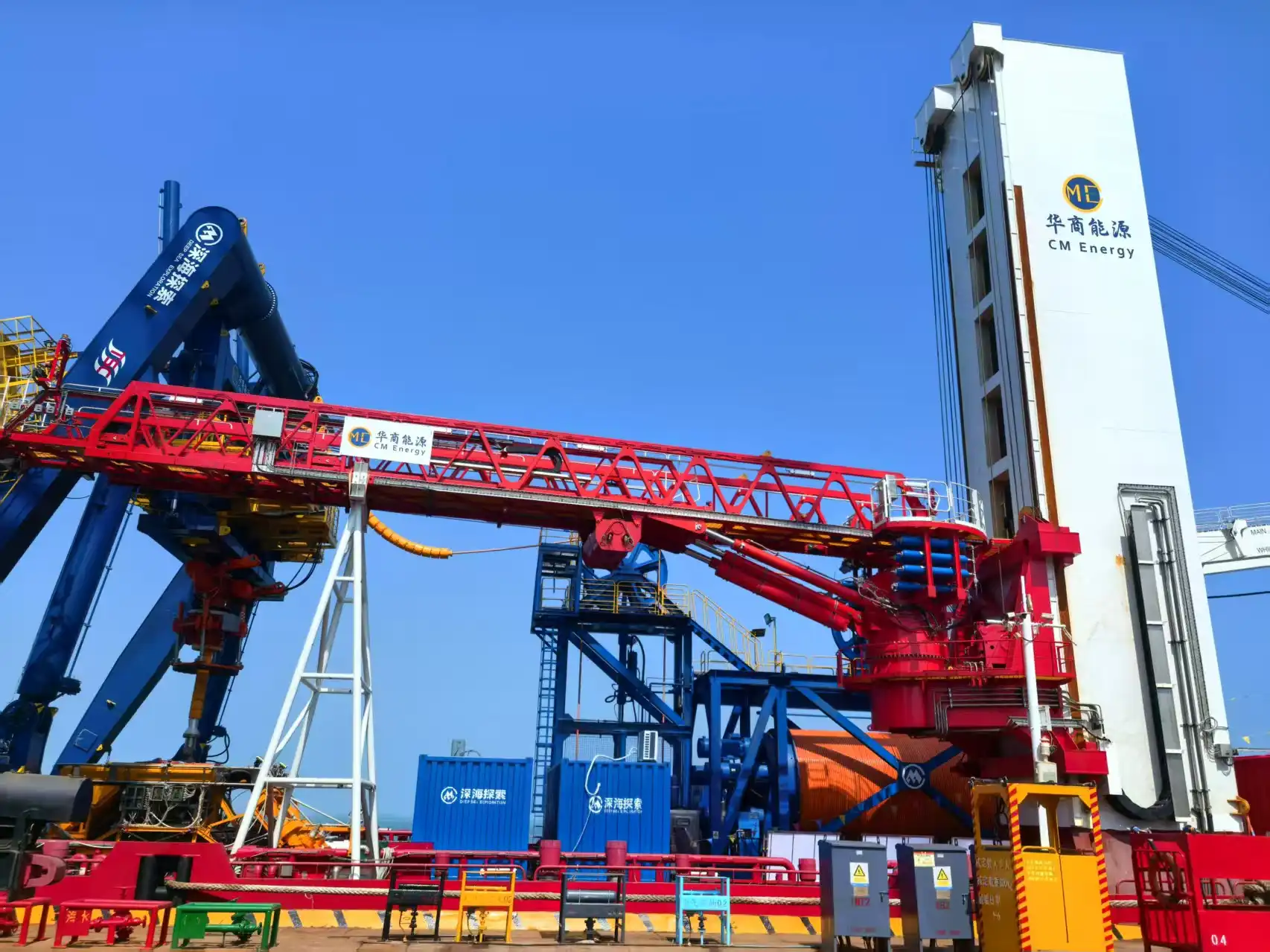
Understanding the Core Safety Challenges in Offshore Gangway Operations
When working offshore, conditions are harsh, and methods for moving people are always being tested. Wave motion, saltwater spray that is corrosive, uncertain weather changes, and the physical demands of heavy working loads can all make equipment failure not only annoying, but also possibly disastrous.
Environmental Hazards That Demand Robust Solutions
Wind changes rapidly and waves grow high, challenging even experienced teams. Salt corrosion attacks metal surfaces, weakening structures. Temperature extremes from Arctic cold to tropical heat stress mechanical systems. These hazards compound simultaneously in locations like the North Sea. Salt spray degrades surfaces, subzero temperatures affect hydraulic fluids, high winds cause side loads, and waves create vertical movement. Superior gangway designs incorporate integrated safety features addressing all these concurrent challenges.
The Human Factor in Gangway Safety
Personnel safety during crew transfers remains paramount despite environmental challenges. Workers carrying heavy equipment, fatigued from shifts, or responding to emergencies need gangway systems that protect them under degraded conditions. Slip-and-fall accidents rank among the most common offshore incidents, particularly during vessel-to-platform transfers or on wet or icy surfaces. TSC's decades of offshore experience inform systems that anticipate rather than merely respond to safety threats.
Key Safety Features That Define Superior Gangway Design
Modern marine gangway systems have many safety layers, and each one protects against a different type of risk. All of these layers work together to give full security. Knowing about these features helps people who work in buying tell the difference between equipment that just meets requirements and equipment that is really effective.
Non-Slip Surface Technologies That Perform Under Pressure
The walking surface is the closest safety contact point for personnel. Modern anti-skid systems use specialized coatings and mechanical grip designs that maintain traction even when contaminated with hydraulic oil, salt, or ice. Surfaces must be rough enough to prevent falls yet smooth enough to avoid excessive foot fatigue. TSC gangway surfaces use high-friction materials tested against simulated years of marine exposure, maintaining non-slip properties through UV exposure and freeze-thaw cycles.
Structural Integrity Through Material Selection and Engineering
The structure must handle both rated load capacity and dynamic forces including wind loading, wave motion, and docking shock loads. High-strength steel and aluminum alloys optimize load-bearing capacity with weight control. Marine-grade materials combined with protective coatings prevent saltwater electrochemical degradation. Weld quality, joint design, and material thickness determine whether gangways maintain safety margins or develop critical weaknesses over years of offshore service with millions of stress reversals.
Active Wave Compensation Systems That Adapt to Sea Conditions
AMC Gangway static gangways become hazardous in rough seas, forcing personnel to time crossings with wave motion. Active compensation systems use hydraulic valves and sensors maintaining gangway position relative to both vessel and platform, automatically adjusting for vertical and horizontal movement. Three-axis compensation addressing heave, pitch, and roll simultaneously is now standard for major offshore operations. These systems react within milliseconds, keeping the walking surface level during vessel positioning challenges.
Emergency Safety Mechanisms and Redundancy
Emergency quick-release features enable rapid gangway retraction if vessel positioning changes or emergency undocking becomes necessary. Dual power systems ensure continued operation during primary power failure including backup hydraulic pumps and emergency batteries. Overload protection systems use weight sensors and automatic locking devices preventing personnel from exceeding safe capacity. These mechanisms protect both equipment and users by making it difficult to push operational limits when time pressure exists.
Handrails and Guardrails Designed for Real-World Use
Ergonomic handrail design accounts for workers carrying heavy safety equipment, wearing bulky protective gear, or moving urgently during emergencies. Height, width, and placement must accommodate real-world transfer conditions beyond minimum international standards. Guardrail systems prevent edge falls through specific height requirements maintaining protection during sudden vessel movement. These barriers must withstand impact loads when personnel trip or are thrown against them during unexpected ship motion.
Installation and Maintenance Protocols That Preserve Safety Integrity
Even the most complex gangway design can be dangerous if it is not built or kept properly. There is a link between design traits and practical safety that lasts the whole lifecycle of the equipment.
Certified Installation Procedures
Proper gangway installation begins with thorough assessment of vessel structural capabilities and operational requirements. Mounting points must account for dynamic forces generated during gangway operation for proper load distribution. Hydraulic connections require precise routing to prevent chafing or stress buildup. CM Energy emphasizes workshop assembly and testing before equipment reaches the vessel. Factory acceptance testing verifies safety systems meet specifications. On-board installation follows procedures refined through hundreds of offshore installations.
Inspection Protocols That Catch Problems Early
Offshore gangway systems have specific wear points requiring regular inspection. Hydraulic cylinder seal wear begins with small leaks progressing to complete failure. Structural components develop fatigue damage visible through crack inspection before catastrophic failure. Cable connections experience vibration loosening and corrosion. Lubrication points require schedule based on usage frequency, not calendar dates. Documented inspection records provide historical baseline for identifying wear trends before conditions become dangerous.
Warranty Coverage and Technical Support
Comprehensive warranty programs demonstrate commitment to product quality and customer success. CM Energy provides warranty coverage focused on safety-critical components, giving procurement managers confidence that their investment will protect personnel throughout service life. Technical support availability is critical when troubleshooting operational problems or planning maintenance tasks. Our support team includes engineers with offshore operational experience providing specific guidance rather than general assistance for rapid problem resolution.
Comparing Safety Performance Across Gangway Options
There are a lot of different types of people shift systems on the market, from simple portable gangways to complex AMC Gangway systems that can detect movement. Knowing how these choices affect safety helps people who buy things match the powers of tools to the needs of operations.
Stability Advantages of Engineered Systems
Portable gangway systems lack the stability of properly engineered installations. Their redeployability creates appeal but introduces structural uncertainty under rough conditions. Personnel immediately feel the difference between confident engineered systems and hesitancy-inducing portable options. Motion-compensated gangway systems remain usable through significantly wider weather windows than static designs. This operational advantage eliminates pressure to perform transfers during marginal conditions, directly improving safety decision-making.
Material Quality and Long-Term Reliability
Premium materials cost more initially but deliver longer service life and better performance. The difference between marine-grade aluminum alloys and standard construction materials becomes evident after years of saltwater exposure. Surface treatments and protective coatings distinguish systems maintaining appearance and function from those degrading prematurely. CM Energy quality systems are ISO-certified with DNV, ABS, BV, CCS, and LR classification society approvals, verifying manufacturing methods consistently meet international standards.
Cost-Effectiveness Beyond Initial Purchase Price
Purchase price alone fails to account for total ownership cost including maintenance, downtime, and safety incident risk. Equipment requiring frequent repairs costs significantly more over its life than higher-priced premium systems. Safety incident costs extend beyond medical expenses to include regulatory investigations, potential fines, increased insurance rates, and reputational damage. These hidden costs often outweigh any initial savings when procurement choices prioritize lowest price over safety features.
Why Choose CM Energy for Your Offshore Personnel Transfer Needs?
Choosing gangway tools is a big investment that will pay off in the long run in terms of safety. The partnership with the supplier is just as important as the specs of the equipment. This is especially true for operations where safety and the ability to keep running are directly affected by technical help and parts availability.
International Certifications Demonstrating Proven Quality
The best classification bodies, like DNV, ABS, BV, CCS, and LR, have approved CM Energy AMC Gangway systems. These certifications need a careful look at the design, confirmation of the materials, inspection of the production process, and testing procedures that show the equipment meets international safety standards. The licensing process is more than just filling out forms; it's an independent check that the equipment works as it should in tough circumstances.
Our factories have both DNV welding plant certification and BV plant approval, which shows that our production methods always produce high-quality goods. For these approvals to stay valid, they need to be regularly checked and recertified. This is to make sure that quality standards don't drop after the initial certification.
Global Support Network and Genuine Product Assurance
The approved dealer network for CM Energy makes sure that customers all over the world get real goods that come with factory assistance. This network sets up local points of contact for questions, technical help, and parts supply, while still upholding the high standards of quality that come from working directly with the plant.
Offshore equipment is very unsafe when it has fake parts or changes that were not allowed. Through our network of dealers and direct customer relationships, we can help make sure that new parts meet the original requirements and that any changes are properly reviewed by engineers before they are put into action.
Customer Success Stories From Real Operations
Our gangway systems are used by a wide range of offshore businesses, from study boats to oil and gas platforms to service vessels for wind farms. This variety of operations shows how well the equipment works in different situations and uses, which helps with ongoing efforts to make it better.
More than 25% of placements around the world for offshore drilling tools are CM Energy products, and our technology is used in over 350 deck cranes. Our lifting and moving equipment is used by more than 180 self-elevating platforms around the world. This installed base has decades of practical experience that backs up our design choices and safety measures.
The operating experience helps TSC's tech team improve designs and deal with new problems. The feedback loop between tech development and field operations makes sure that our goods change to fit the needs of real people, not just hypothetical ones.
Customization Capabilities for Specialized Requirements
Standard goods work well for many uses, but overseas operations often have special needs that can only be met by custom solutions. CM Energy's technical skills allow them to make custom gangway designs that work with different types of vessels, operational needs, or environmental situations.
Before we start designing, we carefully look over what the customer wants. This way, we can be sure that the solutions we come up with really solve the problems and don't just meet general standards. Changes in boom length, bridge width needs, and special material choices are all looked over by engineers to make sure that the modifications don't affect safety while still providing the desired usefulness.
Conclusion
When designing an AMC Gangway for offshore operations, safety features that are essential go far beyond just meeting the bare minimum. Structure redundancy, emergency systems, non-slip surfaces, active wave compensation, and high-quality materials all work together to make people transfer systems that keep teams safe in tough circumstances. Total lifecycle value, not just the original purchase price, should be used to make the choice. This is because better safety features have real benefits like fewer accidents, longer operational windows, and lower long-term costs. Because CM Energy is dedicated to technical quality, foreign certifications, and customer support, they can build gangway systems that operators can trust to keep their crews safe every day, every year.
FAQ
1. How long do marine gangway systems typically remain in service?
When properly kept, marine gangway systems that are planned and built to meet the standards of the classification society usually last 15 to 20 years. The structural core, which is made of marine-grade metal or high-strength steel, usually lasts longer than other parts of the ship. Seals and fluids need to be changed and replaced on a regular basis in hydraulic systems. As control technology improves, electrical parts may need to be updated. Regular checks and careful upkeep greatly increase the service life, and many installations last longer than the original design life predictions. The most important things that determine how long something lasts are still how well it was installed at the start and how well it is maintained over time.
2. What weather conditions limit gangway operations?
Limits on operations rely on how the gangway is built and what it can do. When waves get higher than one meter, most basic static gangways can't be used anymore. But motion-compensated systems can work at wave heights of three meters or more. Wave conditions, wind speed, current, and the ship's ability to find its way all affect the real operating limits. Operators who are cautious set internal limits that are lower than the maximums of their tools because they know that getting close to design limits increases risk even when it's within technical limits. In the end, vessel masters and platform supervisors decide whether to do personnel shift operations. They do this by weighing present conditions against the skills of the tools and the need for operations.
3. Can existing gangway systems be upgraded with modern safety features?
What kinds of retrofits are possible depend on the structural state and design method of the current system. Adding motion correction to static gangways is usually not possible because the structure needs to be changed and a control system needs to be integrated. However, improving the surface, handrails, lights, and tracking systems can often be done at a low cost to make things safer. A full engineering analysis figures out which changes really make a difference and which ones are better off being replaced completely. CM Energy has evaluation services that look at current technology and suggest ways to make it better that are practical and fit with working needs and budget constraints.
Secure Your Operations With Proven Gangway Solutions
CM Energy has gangway systems that are safe, reliable, and good at their job, and they are ready to help you with your offshore people movement needs. As a well-known AMC Gangway provider that has worked with offshore industries around the world for decades, we offer solutions that are backed by a wide range of licenses and years of working experience.
Our certified engineers and techs have worked on projects abroad before, so they know how to deal with the problems your business faces in the real world. TSC has the technical skills and production quality that safety-critical processes need, whether you need standard gangway configurations or custom solutions for unique uses. Procurement managers and naval engineers are welcome to get in touch with our team to talk about how our gangway systems can improve the safety and reliability of your people transfers. Get in touch with us at info.cn@cm-energy.com to start talking about how to protect your most valuable asset: your employees.
References
1. International Maritime Organization. (2019). Guidelines for Safe Access to Offshore Installations. Maritime Safety Committee Circular 1234.
2. Det Norske Veritas. (2021). Rules for Classification of Ships: Part 6 Additional Class Notations, Chapter 5 - Gangways and Access Systems. DNV Standards Publication.
3. American Bureau of Shipping. (2020). Guide for Crew Transfer Vessels and Personnel Transfer Operations. ABS Technical Publications.
4. Society of Naval Architects and Marine Engineers. (2018). Offshore Personnel Transfer Systems: Design Considerations for Safety and Reliability. SNAME Technical Research Bulletin 4-67.
5. Maritime and Coastguard Agency. (2022). Code of Safe Working Practices for Merchant Seafarers: Chapter 13 - Access Equipment and Working Over the Side. UK MCA Publication.
6. International Association of Oil & Gas Producers. (2020). Offshore Vessel Personnel Transfer Management: Recommended Practices and Guidelines. IOGP Report 377-18.