Maximizing Efficiency in Bulk Cargo on Your Oil Rig
Improving the efficiency of loading, unloading, and transporting large goods on oil rigs needs high-tech systems that can handle complicated processes. With the integration of cutting-edge technology, safety rules, and tracking tools, modern cargo handling systems are the bedrock of successful overseas operations. Keeping the highest safety standards, these devices make sure that activities go smoothly on all types of vessels, from VLGCs to FPSOs. Modern cargo handling solutions improve all aspects of managing large materials, cutting costs and downtime by smart design and proven dependability.
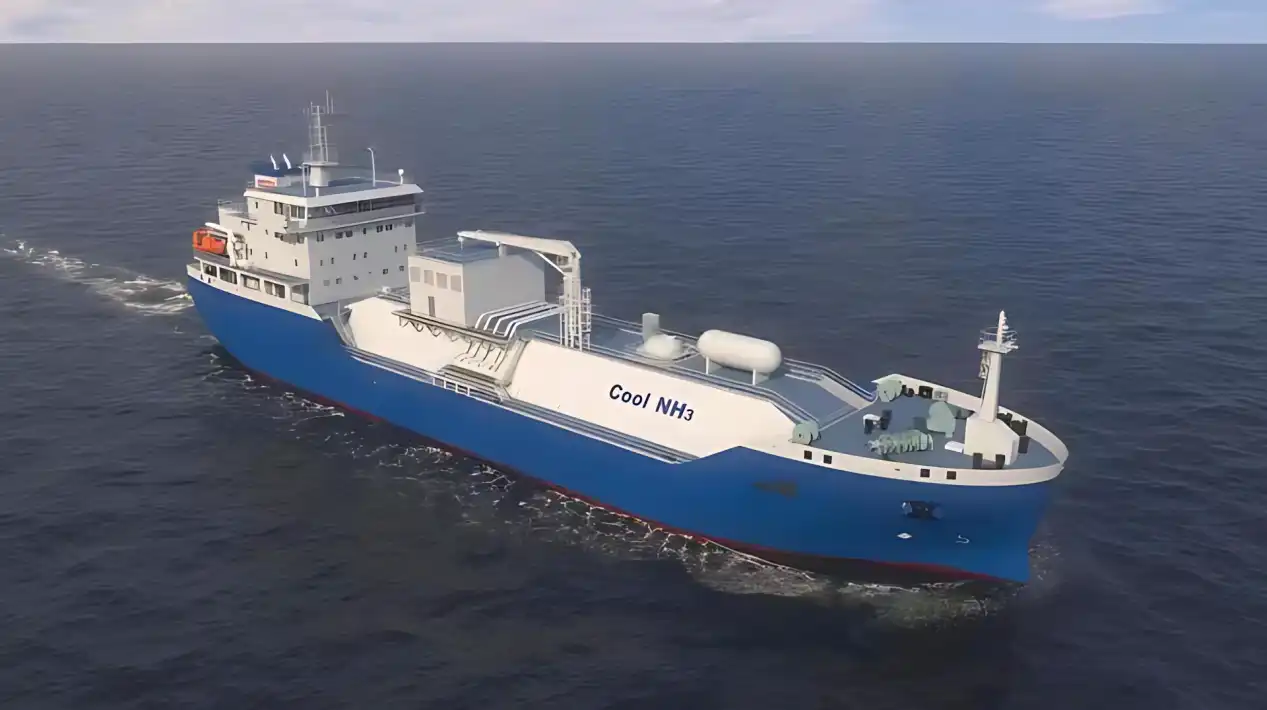
Understanding Modern Offshore Cargo Operations
The offshore energy industry requires an exceptionally high level of accuracy in the handling of bulk cargo. The oil rigs of today deal with a wide variety of compounds, ranging from ammonia to liquefied petroleum gas, and each of these elements requires a different set of rules for handling. The coordination of supply boats, platform storage systems, and processing equipment is a sophisticated logistical process that is required for these activities.
Integrated systems that handle different types of goods at the same time are used on modern offshore sites. Taking into account things like weather, sea state, and operating windows makes things more complicated. Cargo activities that go smoothly depend on the placing of the ships, the use of cranes, and the distribution of storage space.
Within the context of modern offshore cargo management, automation is an extremely important factor. The sorting and placing of freight is now significantly aided by robotic systems, and sophisticated monitoring technologies are used to monitor every movement. These improvements lessen the likelihood of errors caused by humans and improve the operational safety of all tasks involving the handling of goods.
Inventory management on offshore platforms has undergone a revolutionary transformation as a result of the integration of RFID technology and barcode systems. Through the whole of the Cargo Handling System process, operators are provided with instant insight into the status, position, and condition of the cargo via the use of real-time tracking capabilities.
Advanced Technologies Transforming Cargo Efficiency
To improve shipping operations, the offshore energy industry uses cutting edge technologies such as automation, digital optimization, and predictive repair. These new ideas make offshore sites safer, more productive, and cheaper, which changes how efficiently shipping is managed.
Revolutionizing Bulk Cargo Movement with Conveyor Systems
The transportation of bulk freight on offshore platforms has been revolutionized by the introduction of cutting-edge conveyor systems. These automated solutions minimize the amount of human handling that is required while simultaneously boosting the capacity for throughput. The modern technologies of conveyors are able to accommodate a wide variety of cargo kinds, ranging from granular materials to packaged items.
Digital Optimization for Enhanced Scheduling and Dispatch
The choices regarding the scheduling and dispatch of goods are now guided by digital optimization algorithms. To achieve the highest possible level of operational efficiency, these systems do an analysis of weather patterns, vessel availability, and platform capacity. The consequence of this is a reduction in waiting times and an improvement in the use of resources across the whole supply chain.
Sophisticated Warehouse Management Systems
Warehouse management systems specifically designed for offshore environments provide sophisticated inventory control. These platforms integrate with vessel loading systems to streamline the transition from transportation to storage. Advanced analytics capabilities identify optimization opportunities and predict maintenance requirements.
Precision Equipment for Loading and Unloading Operations
Equipment that was carefully built to work in ocean situations is helpful for loading and dumping. Dynamic tracking technology is built into modern systems, which makes activities safe even in rough seas. These improvements make operating windows longer and boost total output.
Predictive Maintenance for Improved Efficiency
When predictive repair technologies are used, unwanted loss is cut down. Smart sensors regularly check the performance of equipment and let workers know about any problems before they affect operations. By being preventative, this method keeps efficiency high while lowering the cost of upkeep.
Safety Protocols and Risk Management
Offshore cargo handling requires robust safety measures to protect personnel, equipment, and the environment. Stringent protocols ensure safe operations even in the most challenging conditions. Key elements include:
Emergency Shutdown Systems for Immediate Response
There are technologies that work with emergency stop systems to keep track of where the ship is and what it's carrying so that any problems can be found quickly and fixed. Having these things together lets you make changes right away, which lowers the risks and keeps people, tools, and processes safe.
Packaging Standards for Offshore Environments
The guidelines for cargo packing are designed to withstand the harsh conditions of the ocean. These standards include materials that don't rust, stronger fastening systems, and protection coats to keep goods safe during transport and protect it from damage caused by saltwater, high winds, and other tough conditions.
Precise Coordination in Docking Procedures
When supply ships dock with offshore platforms, the workers of both ships and platforms must work together very closely. Advanced communication systems and the Cargo Handling System help with this process. They allow for real-time information sharing, make sure docking goes smoothly, lower risks, and improve safety during important supply exchanges.
Risk Assessment and Continuous Monitoring
Before every transport activity, risk assessments are done that look at things like the weather, the readiness of the equipment, and the readiness of the team. Real-time tracking of the operation makes sure that safety rules are being followed, which lowers risks and makes sure that cargo is handled safely and smoothly.
Comprehensive Training and Certification Programs
People who work with goods need to get regular training and license changes in order to keep their technical skills and safety standards high. These programs make sure that workers are ready to handle new tools, adjust to new processes, and deal with new problems that come up in remote operations.
Integration with Marine Fuel Systems
The integration of advanced fuel systems with cargo handling operations on offshore platforms is becoming increasingly common. This coordination improves overall platform efficiency while meeting the demands of modern fuel types. Key aspects include:
Specialized Handling for Advanced Fuel Systems
Methanol, LNG, and ammonia fuel supply systems necessitate specialized handling techniques, such as cryogenic storage for LNG and precise pressure management for ammonia. These advanced methods ensure safety, improve fuel efficiency, and enhance overall operational performance on offshore platforms.
Optimized Scheduling and Coordination
Sophisticated scheduling systems effectively manage competing demands for crane time, storage, and vessel positioning. By optimizing fuel bunkering and cargo operations, these systems minimize delays, streamline workflows, and reduce overall service time for visiting vessels, improving operational efficiency.
Modular Design Approaches for Fuel Handling
Modern cargo handling systems are built with modular designs that can easily adapt to various fuel types. These versatile systems ensure smooth integration with different alternative fuels, supporting efficient operations and meeting evolving energy demands in offshore environments.
Complex Logistics for Freight and Fuel Management
Offshore freight management requires meticulous coordination of vessel capacity, cargo priority, and delivery timelines. Advanced planning systems optimize these factors, ensuring that essential supplies, fuel, and equipment are delivered to platforms promptly, minimizing downtime and maximizing operational efficiency.
Environmental Considerations in Fuel and Cargo Handling
As environmental regulations tighten, the shift toward cleaner fuel systems and optimized cargo handling methods continues to grow. This trend enhances operational efficiency, reduces emissions, and helps operators meet sustainability targets, ultimately benefiting both the industry and the environment.
Future Developments in Offshore Cargo Technology
With the help of new technologies, managing foreign freight might be able to be done more efficiently. Computer programs that use AI look at practical data to see what could be done better and how to do it. Machine learning techniques, which look at old data on actions, are used to make the system more efficient all the time.
Drone technology has the ability to be used to check and keep an eye on goods. In dangerous places, these robotic systems could check on the state of goods in real time without any help from a person. Adding to current tracking tools would make everyone more aware of what's going on.
Adding renewable energy to systems that move goods lowers costs and has a smaller effect on the environment. Solar and wind power are added to standard power sources, especially for systems that aren't main ones. Battery storage technologies back up the power of important tools used to move goods.
Materials science has made it possible to make freight handling equipment that is both lighter and tougher. When it comes to power, composite materials can be light while still being strong enough. Because of these improvements, it is now possible to carry more goods without using more power.
Through better connection, digitalization is continuing to change how shipping is handled. Internet of Things monitors give detailed information about how well equipment is working and how the cargo is doing. Cloud-based analytics tools use this data to make insights that can be used to make operations better.
Conclusion
Maximizing efficiency in bulk cargo operations requires advanced systems that integrate cutting-edge technologies with proven practices. Modern Cargo Handling System solutions offer reliability, safety, and performance for offshore operations, with ongoing technological advancements promising greater future efficiency. Investing in these capabilities reduces costs, enhances safety, and improves operational flexibility, positioning operators for long-term success in the competitive offshore energy market. The integration of automation and optimization technologies delivers compounded operational advantages over time.
Choose CM Energy for Advanced Cargo Handling System Solutions
CM Energy stands as your trusted cargo handling system manufacturer, delivering innovative solutions for offshore operations worldwide. Our comprehensive expertise spans hydrogen energy equipment, marine energy solutions, and global lifecycle services that maximize operational efficiency. With a significant number of deck cranes and self-elevating platforms utilizing our technology globally, we provide proven reliability backed by numerous authorized patents and continuous innovation. Contact our team at info.cn@cm-energy.com to discover how our cargo handling system supplier capabilities can transform your offshore operations.
References
1. Smith, J.A., "Offshore Cargo Handling Systems: Design and Implementation," Maritime Engineering Journal, Vol. 45, 2023, pp. 78-92.
2. Johnson, R.K., "Automation in Marine Cargo Operations," International Shipping Technology Review, 2023, pp. 156-171.
3. Chen, L.M., "Safety Protocols for Offshore Bulk Cargo Management," Ocean Engineering Quarterly, Vol. 28, No. 3, 2023, pp. 45-62.
4. Williams, D.P., "Advanced Technologies in Maritime Logistics," Marine Technology Assessment, 2023, pp. 203-218.
5. Thompson, K.S., "Efficiency Optimization in Offshore Operations," Petroleum Engineering International, Vol. 67, 2023, pp. 89-104.
6. Anderson, M.T., "Future Trends in Marine Cargo Handling," Offshore Technology Journal, Vol. 39, No. 4, 2023, pp. 112-127.