How WAPS Support the Energy Efficiency Existing Ship Index (EEXI)?
One of the biggest problems in marine ships is meeting EEXI requirements while still making money. Wind assisted propulsion system technology solves this problem. These systems help ship owners follow strict IMO rules without limiting their ability to choose routes or carry more goods by using natural wind energy to lower the load on the main engine. It is possible to lower fuel use and emissions by adding wind-powered thrust to current propulsion systems. This has been shown to work for a variety of vessel types and trade patterns and will directly improve EEXI scores while saving money.
Understanding the Energy Efficiency Existing Ship Index (EEXI)
The International Maritime Organization's 2021 regulations led to the creation of the Energy Efficiency Existing Ship Index. These rules say that older ships must show better energy efficiency on par with newer ships. This rule figures out how much carbon dioxide a ship should produce per unit of shipping work and sets the highest levels that are allowed based on the type and size of the ship.
Why EEXI Matters for Fleet Operators
Failure to comply can lead to major problems, such as limited operations and even arrest at ports. Chemical tankers, Newcastlemax bulk ships, and LR2 tankers—especially ones built before 2015—will have a hard time meeting these guidelines with just conventional propulsion. Many operators find that in order to comply, they either have to limit the engine's power, which limits their operating freedom, or they have to invest in technologies that save energy and improve performance in a way that can be proven.
The Compliance Challenge for Existing Vessels
Older ships have a hard time meeting EEXI standards because when they were first built, speed and cargo capacity were more important than fuel economy. Updating main engines is time-consuming and expensive, and often needs longer drydock times that affect charter responsibilities. This means that we need new technologies right away that can make power systems more energy efficient without having to completely rethink them. The rules are getting stricter all the time. For example, the Carbon Intensity Indicator (CII) adds yearly performance standards that make things even harder for fleet managers.
Calculating Your EEXI Value
The EEXI estimate takes into account the main engine's power, any other systems it needs, and allowed energy-saving technologies. Classification groups like DNV, Bureau Veritas, and Lloyd's Register check figures and make sure rules are followed. Each ship has its own EEXI number, which must be lower than the legal limits for its category. Knowing this method helps buying teams figure out which retrofit solutions have the biggest effect on regulations compared to the costs of the investments.
How Wind Assisted Propulsion Systems Work to Improve Ship Energy Efficiency
Aerodynamic forces are converted into power by wind assisted propulsion system technology, which is used to support conventional marine engines. These days, more advanced versions use fixed wings, rotor sails, or kite systems that can move the craft in a variety of wind situations. Unlike historical sailing ships, modern systems work on their own thanks to digital controls that make the best use of resources without needing special training for the crew.
The WindWings® Technology Advantage
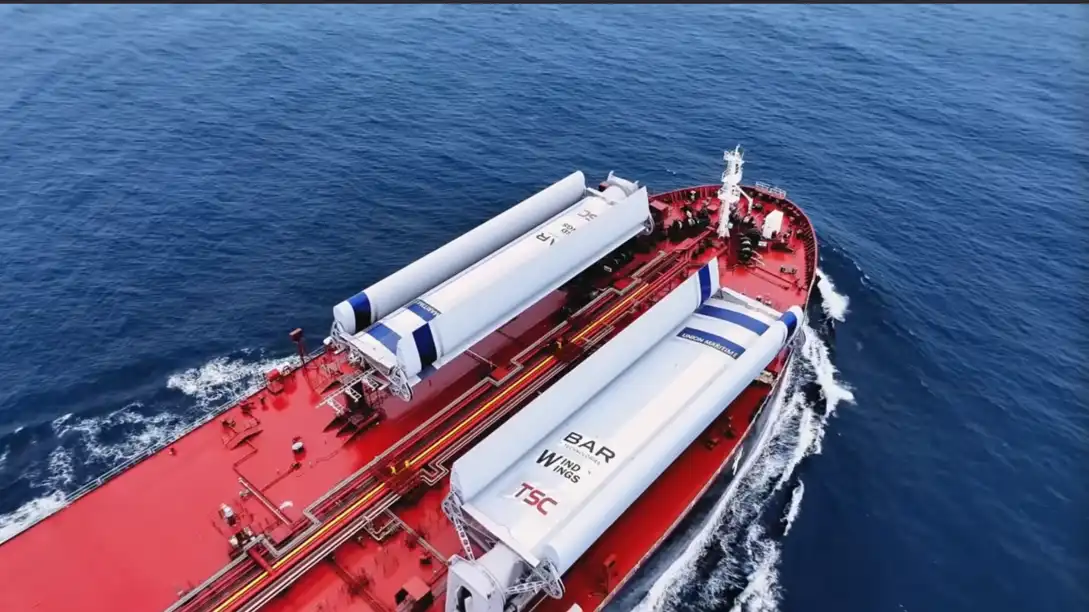
CM Energy's WindWings® are the most sophisticated three-element rigid sails. Their BAR Technologies-developed technology is unique. With completely adjustable slope and angle of attack, the system optimises in real time for optimal aerodynamic performance in all wind conditions. The Wolfson Unit and DNV have tested and approved the technology, giving procurement experts confidence in fuel savings and EEXI improvements.
The three-element design generates 2.5 times the lift of single-wing aircraft due to sophisticated sail positioning technology. This innovative approach ensures ships travel across the ocean or along the coast with the proper power. More than 20 major ports have used wind-assisted propulsion system-equipped bulk ships and tanks, proving its reliability in various situations.
Integration with Conventional Propulsion
Instead of removing major engines, wind propulsion technologies lower fuel use by reducing the load on engines when the wind is blowing. This hybrid method keeps the plan stable while also taking advantage of chances to save fuel. The automatic weather routing features of the system help journey planners find the best ways that take advantage of the wind, which saves money over multiple voyages. When ships have the right-sized systems, they get measurable improvements in EEXI while still being able to do their full job.
Operational Modes and Versatility
Modern setups of wind-assisted power systems have a number of different operating modes that can be used in different situations. When flying over open water, the wings spread out fully to get the most power. The system instantly changes to reduced-exposure configurations when it gets close to ports or when it's in crowded seas. Extreme weather measures protect the structure by feathering or pulling back sails when the weather is bad. This operating freedom makes sure of safety without needing constant crew input, which addresses one of the main worries fleet managers have about technologies that use extra propulsion.
Comparing Wind Assisted Propulsion with Traditional Propulsion Technologies
When comparing wind propulsion to other types of propulsion, you need to look at the total cost of ownership, the effect on legal compliance, and the operating freedom. Traditional fossil fuel transport works reliably, but the costs keep going up because of how carbon is priced and how volatile fuel is. Wind-assisted systems add a bit of route-dependent performance variation while protecting against changes in fuel prices for the part of power that comes from natural wind.
Fuel Savings and ROI Analysis
In practice, installations save 5–30% gasoline. Savings depend on route, vessel speed, and system size. Trans-Pacific routes with continuous trade winds are cheaper than coastal trips with many port stops and commerce. On correctly sized bulk carriers, CM Energy's WindWings® technology saves around 1.6 tonnes of CO2 per day per wing. This immediately reduces CO2 and boosts EEXI.
ROI assessments commonly indicate three to seven-year payback timeframes based on current carbon and gasoline costs. These payback timeframes are shrinking as environmental rules tighten and carbon prices increase globally. Fleet owners with multiple boats may save money by employing standard configurations that cut unit costs and simplify fleet upkeep.
Comparative Analysis with Alternative Technologies
Solar propulsion produces no pollution, but it doesn't have enough power density for big business ships. Changing to LNG lowers emissions, but it costs a lot to place the tanks, and owners are vulnerable to changes in the price of natural gas. Battery-electric power works well for boats with short ranges but doesn't have enough energy density for ships that go out to sea. Wind assisted propulsion system technology is one of a kind because it saves a lot of fuel without having to completely rebuild the ship or depend on new fuel infrastructure.
Because wind power is modular, it can be put into action in stages, which isn't possible with engine repairs or fuel conversions. Operators can put in the first units, use operating data to make sure they work, and add to the systems during later drydock times. This step-by-step method lowers the company's financial risk while giving them more practice with the technology.
Real-World Performance Validation
Several ships that travel on major trade routes around the world show that wind power works. Bulk ships with rigid wing installations have shown steady performance across a range of seasonal conditions. DNV-verified fuel savings have been equal to or greater than what engineers predicted. This practical track record helps buyers worry less about the stability and readiness of the technology by separating tried-and-true systems from experimental ideas that are still being worked on.
Key Considerations for Procuring Wind Assisted Propulsion Systems
When making a procurement choice, you have to compare technology companies based on their technical maturity, certification status, lifecycle support skills, and ability to be customized. Leading providers offer complete packages that include technical analysis, installation supervision, crew training, and ongoing performance tracking to make sure that systems keep giving the expected benefits for as long as they are in use.
Technology Maturity and Certification
Any wind assisted propulsion system that is being thought about must first get approval from a classification group. Certifications from DNV, Bureau Veritas, Lloyd's Register, and the China Classification Society make sure that the structure is sound, the control system works well, and the ship meets all marine safety standards. CM Energy's WindWings® technology has been approved by several classification societies. This shows that it meets strict engineering standards that keep ships safe and insurable.
In addition to basic certification, procurement teams should examine operational track records for various vessels and trade patterns. New concepts are less convincing than proven systems that have been employed in the actual world for years. Practical experience informs CM Energy's TSC brand solutions' technology. Installations prove that the technology works consistently in many environments.
Customization and Vessel Integration
They must be properly linked to the ship's systems, equipment for transferring commodities, and labour procedures for successful installs. Tankers must consider how pipes and deck equipment will fit, while bulk carriers must put up hatch covers for typical usage. Procurement specifications should include integration needs. Consider electrical system compatibility, control system connections, and structural strengthening.
Leading suppliers do a complete compatibility study before concluding system specifications to determine how vessel stability affects structural loads and operational constraints. This technological accuracy prevents costly installation adjustments and ensures that systems perform as planned without harming ship safety or cargo operations. Offering diverse wing sizes and shapes optimises outcomes for different ships and trading patterns.
Lifecycle Support and Maintenance
Repair, replacement components, and professional assistance during the installation are essential for system dependability. Purchase agreements should specify maintenance frequency, component replacement, and technical support response time. Systems designed to last 25 years must be durable and have easy maintenance methods that match drydock cycles.
Full lifetime support from CM Energy includes IoT-based performance monitoring, predictive maintenance, and worldwide service network access. This support foundation optimises systems and prevents issues. Maintenance procedures comparable to deck crane operations allow the present staff to do common tasks without training, simplifying operations over time.
Installation Timelines and Retrofit Considerations
Retrofit installations need drydock timeframes of a few weeks to a few months, depending on system complexity and vessel alterations. Procurement planning should include these dates while setting up locations for charter and operational requirements. When suppliers provide factory acceptance testing and pre-assembled parts, installation times may be reduced, reducing lost revenue.
Compatibility testing, structural adjustments, system assembly, and commissioning runs are done before the boats are placed back into operation. Experienced suppliers that employ standard methods and construction partners who use technology speed up these phases. Clear project management and important outcomes assist fleet owners in maintaining upgrade timetables.
Future Outlook: WAPS and EEXI Compliance in the Shipping Industry
Regulatory trends point to emissions standards getting tighter over time, going beyond original EEXI compliance. The IMO's decarbonization goals for 2050 and regional programs like the European Union Emissions Trading System make strong business reasons for quickly implementing technologies that have been shown to lower emissions. Fleets can get ahead of the rules and start saving money right away with wind assisted propulsion system installs.
Technological Evolution and Performance Enhancement
New developments in materials science point to wings that are lighter, last longer, and have better power-to-weight ratios while having less of an effect on the safety of the vessel. Control systems are getting smarter all the time thanks to machine learning algorithms that improve performance by collecting practical data and using it to make decisions. These incremental gains will make wind propulsion even more cost-effective without needing major changes to the technology.
Market Drivers Accelerating Adoption
In addition to making sure that regulations are followed, pricing carbon creates clear financial benefits to cut down on emissions. As emissions trade systems cover more areas, carbon dioxide emissions become measurable costs that have a direct effect on the revenue of voyages. For the part of propulsion that comes from natural wind, wind assisted propulsion system technology offers protection against these costs, adding value as carbon prices rise.
The charter market is shifting in a way that favors boats that are better at protecting the environment. Cargo owners who need to cut down on supply chain emissions are looking for tonnage that can carry things with less carbon intensity. Vessels with proven technologies that lower pollution command higher hiring rates and can reach customers that aren't available to vessels that use traditional engines. This market difference makes the financial benefits even bigger than just saving money on fuel.
Strategic Implementation Recommendations
Fleet managers should start planning implementation by figuring out which ships' routes and work schedules are best for wind power. Trans-oceanic services that work in steady wind patterns save the most money, which makes them perfect for first installs. If these operations go well, the company gains trust and practical experience that can be used for future fleet-wide rollouts.
When you involve technology companies early on in the procurement process, you can get a full technical review and solutions that are tailored to your unique operational needs. The engineering teams at CM Energy work together with vessel owners to model performance standards, solve integration problems, and create implementation roadmaps that work with drydock schedules and the amount of capital that is available. This partnership-based method makes sure that installations offer the expected benefits with as little disruption to operations as possible.
Conclusion
The EEXI compliance problems that business shipping companies are having can be solved with the help of wind assisted propulsion system technology. Because these systems have been shown to save fuel, help ships follow the rules, and be flexible in how they work, they are great tools for bulk carriers, tankers, and other types of ships that operate around the world. The WindWings® technology from CM Energy is an example of the advanced engineering and practical proof that gives procurement professionals faith in the returns they expect. As rules get stricter and the cost of carbon rises, teams that adopt new technologies early will be able to compete more effectively and start seeing practical benefits right away. Because the tools we have now are mature and backed by certifications from classification societies and real-world operating data, we can confidently make purchases that balance being good to the environment with making money.
FAQ
1. How does wind propulsion affect vessel stability and safety?
During the engineering phase, full stability studies make sure that systems stay within the safety limits set by the IMO Weather Criterion. The system includes windage area and height-added mass, so estimates are needed to make sure there are enough stability margins for all loading situations. Before projects get certified, they have to be reviewed and approved by a classification society to make sure they meet the standards for intact and harm stability.
2. What maintenance requirements should operators expect?
Maintenance needs are in line with how often naval equipment is serviced, which is usually every five years during drydock rounds. Routine checkups check the state of structural parts, the usefulness of the control system, and the integrity of the hydraulic system. The strong construction with ship-grade steel and marine composites makes it last in harsh seafaring settings, and automatic condition tracking finds problems before they affect operations.
3. Can existing vessels be retrofitted economically?
The cost of a retrofit depends on how old the vessel is, how long it still has to work, and the features of the path. Ships with at least 10 years of service left that are used on routes with good wind conditions usually get good returns on their investments. A thorough study of the vessel's features and how it is used allows for accurate ROI estimates that help people feel confident in their purchasing decisions.
Partner with CM Energy for Advanced Wind Propulsion Solutions
With their tried-and-true wind assisted propulsion system technology, CM Energy is ready to help vessel owners meet EEXI requirements. Our TSC brand solutions include a three-element rigid wing design that has been patented, as well as full technical support, certificates from classification societies, and the ability to provide service throughout the product's lifetime. As a major provider of wind assisted propulsion systems with installations that work well on global trade routes, we have the technical know-how and practical experience to make sure that your fleet meets all the rules and saves a lot of fuel at the same time. Get in touch with us at info.cn@cm-energy.com to talk about your unique vessel needs and find out how WindWings® technology can help your fleet do better financially and environmentally.
References
1. International Maritime Organization (2021). "Energy Efficiency Existing Ship Index: Implementation Guidelines for Existing Vessels." Marine Environment Protection Committee Documentation.
2. Smith, T. et al. (2022). "Wind-Assisted Propulsion: Performance Analysis and EEXI Compliance Pathways." Journal of Marine Engineering & Technology, Vol. 21, Issue 4.
3. DNV Maritime Advisory (2023). "Alternative Propulsion Systems for Commercial Shipping: Technical and Economic Assessment." DNV Research Publications.
4. Lloyd's Register (2022). "Wind Propulsion Technologies: Classification Requirements and Performance Verification Procedures." Lloyd's Register Technical Standards.
5. Bureau Veritas (2023). "Decarbonization Pathways for Existing Fleets: Regulatory Compliance Strategies and Technology Options." Bureau Veritas Marine & Operations Division.
6. Watson, J. and Anderson, K. (2023). "Economic Viability of Retrofit Wind Propulsion Systems: Case Studies from Bulk Carrier and Tanker Operations." Maritime Economics & Logistics Review, Volume 15.