What are common failures in AMC Gangways and how can they be troubleshot?
Active motion compensation gangways — commonly referred to as AMC gangways — are among the most safety-critical pieces of equipment aboard offshore service vessels and wind farm support vessels. When one fails mid-operation, the consequences reach far beyond a mechanical inconvenience. Personnel transfer stops, weather windows close, and liability exposure rises sharply. Understanding how these systems fail, and how to address those failures methodically, is something every technical manager and procurement engineer in the offshore sector should keep close at hand.
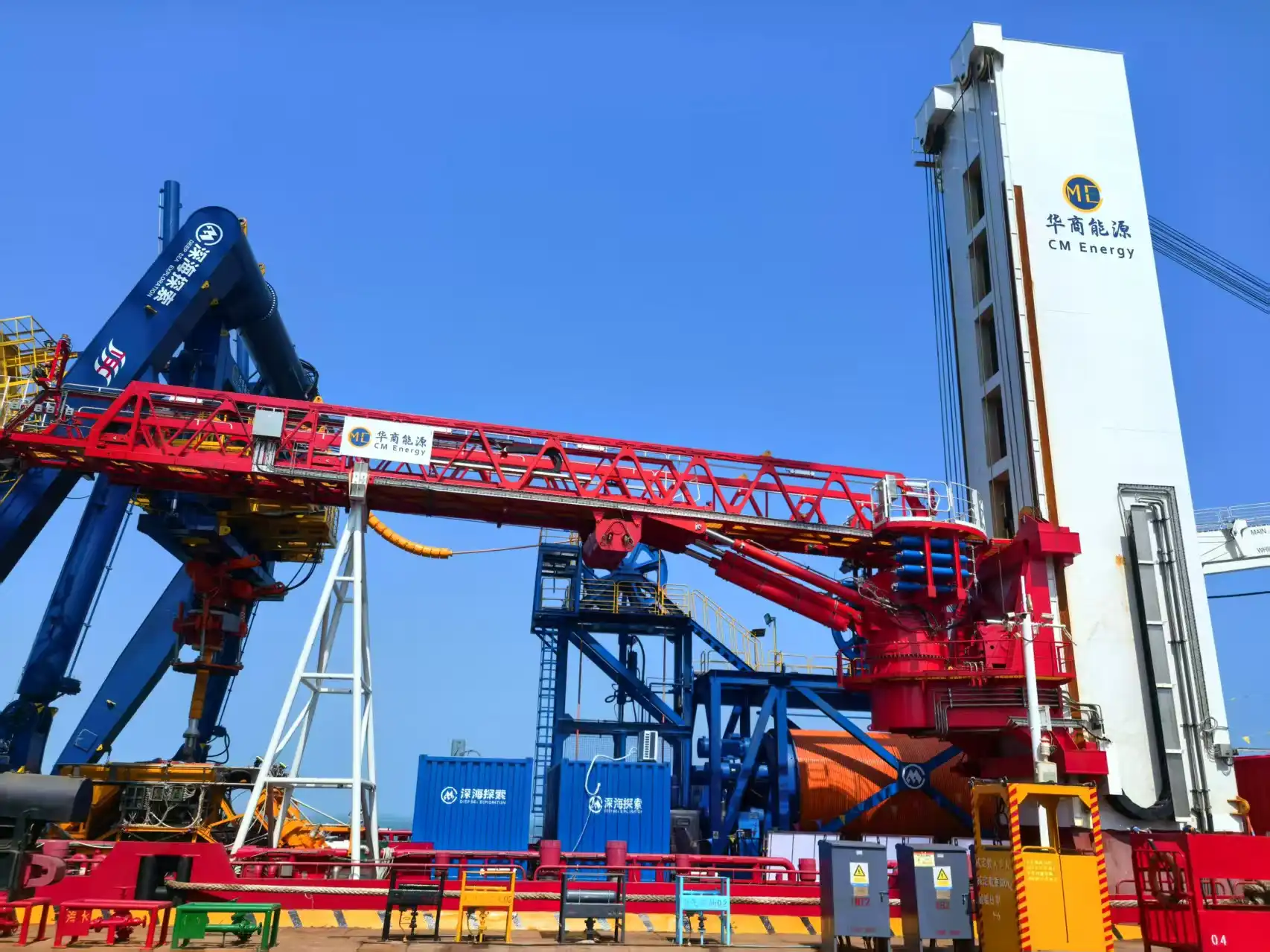
Understanding Common Failures in AMC Gangways
AMC gangways can break down in a number of different ways, including mechanical, hydraulic, electrical, and structural ones. There are different levels of risk for each type of failure, and the best way to protect yourself is to spot them early.
Mechanical Wear and Component Degradation
During offshore activities, the boom frame, hinges, slewing ring, and extension mechanism of an active compensation gangway are all loaded and unloaded over and over again. Bearing surfaces break down, fasteners come loose, and structural parts get micro-fatigue over time. When they work in the North Sea or the East China Sea, personnel shift gangways have to deal with very rough wear cycles. If you don't fix worn bearings, they can make motion compensation less stable and transfer loads more unevenly.
Hydraulic System Faults
Offshore gangway systems most often have problems with hydraulic leaks, drops in pressure, and fluid that is contaminated. Both the luffing cylinder and the extension winch need clean, compressed fluid to keep their motion under tight control. External leaks happen when the seal breaks down, which is sped up by UV light and salt spray. When there is internal bypassing across cylinder seals, the boom moves slowly or not at all. In active wave compensation systems, even small changes in hydraulic pressure can make it harder for the three-axis motion reaction that holds the gangway tip steady against a wind turbine base or platform.
Electrical and Control System Malfunctions
Real-time motion correction is carried out by modern AMC gangways using programmable logic controls (PLCs), sensors, encoders, and feedback loops. When sensors fail, especially in heave motion reference units, they send out the wrong correction orders. Marine rust on wires can cause signal loss that can happen at random, which can lead to emergency stops or gangway behavior that isn't consistent. Control panel faults and software parameter drift are more subtle problems that aren't always noticed until there's a problem with the way the system works during transfer.
The three types of failure—mechanical, hydraulic, and electrical—often affect each other. For example, a hydraulic pressure fault could hide a sensor miscalibration that is deeper. To make a good analysis, you have to look at the system as a whole, not as a bunch of separate parts.
Root Causes and Diagnostic Approaches
In order to find the cause of an AMC gangway fault, you need both a structured inspection process and the right diagnostic tools.
Environmental Wear and Contamination
Wave spray, salt air, and changes in temperature all speed up rust on steel and metal parts that are out in the open. Ingress of water into hydraulic fluid is especially harmful; water in the hydraulic circuit makes internal valve surfaces oxidize and lubricant film strength decrease. By taking regular samples of fluid and counting particles, contamination can be found before it breaks down a part.
Pressure Testing and Visual Inspection
By checking the source pressure, actuator pressure, and return line backpressure in a planned way, a hydraulic pressure test can find leaks and skipping cylinders. A written plan that matches the needs of the ship's classification society should be used to visually check the boom structure, docking head, and bridge deck for cracks, weld wear, and coating breakdown. Instead of set calendar schedules, TSC suggests inspection intervals that are adjusted to the level of activity.
Onboard Diagnostics and Error Code Analysis
The Siemens PLC design used in TSC AMC gangways ensures class-level safety and creates fault codes that are directly linked to fails in subsystems. It's often easy to tell if a problem started in a sensor, an actuator, or the control method itself by looking at the error logs in order. If it's equipped, remote diagnostics let engineers on land look at real-time system data without having to call the ship back.
Proven Troubleshooting and Maintenance Techniques for AMC Gangways
There is a clear order to troubleshoot an active compensation gangway: confirm the symptom, identify the subsystem, confirm the main cause, and take the right corrective action.
Step-by-Step Fault Isolation
Start with the logs for the control system. It is important to find the sensor or device that caused the problem if the PLC recorded one. If the log is clean but the gangway acts strangely, the problem is probably with the pump or the machinery. By putting manual pressure gages at key test points to separate the hydraulic circuit, the search is quickly narrowed. For structural problems, load the gangway to its rated limit in a controlled environment and watch how it bends.
Preventive Maintenance Best Practices
Planned maintenance is a lot cheaper than fixing something that breaks down offshore. Here are the main repair tasks that keep gangways reliable:
- Lubrication schedules: Slewing ring bearings, luffing cylinder pins, and extension guide rails require lubrication intervals matched to operational frequency, not just time elapsed.
- Hydraulic fluid management: Fluid should be sampled and analyzed at defined intervals. Replace fluid showing water content above acceptable limits before it reaches pump or valve components.
- Structural coating inspection: Anti-corrosion coatings on the boom and bridge deck protect the base material. Touch-up recoating at early-stage corrosion prevents deeper structural damage.
- Electrical connection checks: Marine-grade connectors should be inspected for corrosion and re-sealed periodically, particularly on sensor cables exposed to wash-down water.
By constantly following these steps, unplanned downtime is cut down and the gangway system's useful life is increased. Each of these steps directly handles one of the root-cause groups we talked about earlier. This makes the process of diagnosis and avoidance complete.
Using Dual Power Units as a Fault Mitigation Measure
TSC AMC gangways have two power units, so if one power source fails, the other unit can keep running during the instant transfer time. This design choice is based on a realistic understanding of how operations work offshore: people can't be left in the middle of a move because of a single-point power failure. Having redundancy built into the power architecture is a way to troubleshoot because it gives you time to figure out what's wrong and fix it without having to stop the operation.
Comparing AMC Gangway Failures with Alternative Gangway Types
When it comes to motion adjustment electronics and actuator systems, passive gangways and simple hydraulic boarding bridges are not equipped with them. This makes it easier for them to fail, but it also makes it much harder for them to work when the sea is rough. Passive gangways can't be used when the sea level is higher than 1.5 meters. AMC gangways, on the other hand, keep the ability to move people up to Hs=3m, which means fewer failed transfers and a lower chance of people trying to board themselves safely by hand.
In exchange, the system is more complicated. AMC gangways need more advanced tools for upkeep. Active adjustment gangways that are well taken care of, on the other hand, fail much less often than passive methods used by people trying to move between boats in rough seas. This is exactly why the offshore wind business is moving toward AMC gangway on SOV and CSOV boats.
TSC gangways are certified by DNV and CCS Type II, and they are also classified by ABS, BV, and LR. With this multi-society licensing base, procurement engineers who are looking for solutions for ships with flags from different registries can get one that is suitable without having to re-qualify.
AMC Gangway Installation and Support Services as a Failure Prevention Strategy
A lot of gangway failures aren't caused by problems with the way they were made; they're caused by mistakes in installation or poor commissioning. When structures aren't lined up right, hydraulic circuits don't leak properly, and PLC parameters aren't set up right during onboard installation, problems are hidden for weeks or months until they show up when the system is under load.
TSC has a five-step delivery process: analyzing customer needs, putting together the parts in the factory, testing the finished product, delivering it to the customer, and installing it on board while being watched. Before the unit ships, the plant acceptance test makes sure that the adjustment works, the load capacity is correct, and the control system works properly. Qualified TSC engineers make sure that the gangway is properly connected to the ship's electrical and hydraulic systems during onboard commissioning.
After the installation is done, CM Energy offers technical support and spare parts, with help from its own engineering teams. Offshore wind owners who are in charge of multiple SOVs spread out over a field need to know that they can always get the parts they need. It's a basic condition for their business.
Conclusion
There are clear trends to AMC gangway failures: mechanical wear, hydraulic problems, and problems with the electrical or control system. Each has ways to find problems and fix them that skilled engineers can use in a planned way. Failures happen much less often when there is preventative upkeep, proper installation, and two backup systems built into the design. Buyers who are looking at gangway suppliers need to know more than just what the product can do in perfect conditions. They also need to know how the maker will support the product if something goes wrong abroad.
FAQ
1. How often should an AMC gangway hydraulic system be inspected?
Hydraulic systems on active compensation gangways should be inspected at a minimum every 500 operational hours or every six months, whichever comes first. Fluid sampling for contamination should occur more frequently in high-utilization deployments.
2. Can AMC gangways be repaired offshore without drydocking the vessel?
Most common faults — hydraulic seal replacement, sensor swaps, PLC parameter resets, and bearing lubrication — can be performed offshore by a qualified technician with the correct spares inventory onboard. Major structural repairs may require port or yard access.
3. What causes loss of wave compensation response in an AMC gangway?
The most common causes are motion reference unit sensor drift, hydraulic pressure irregularities affecting actuator speed, or PLC control parameter corruption. Reviewing the onboard fault log is the fastest first step.
4. How long does a typical AMC gangway last with proper maintenance?
With a structured preventive maintenance program and timely replacement of wear components, the operational service life of a well-maintained active compensation gangway typically reaches 15 to 20 years.
5. Does TSC offer customized AMC gangways for non-standard vessel configurations?
Yes. CM Energy's TSC brand designs AMC gangways to match specific vessel deck layouts, platform heights, and operational sea state requirements. Each unit is engineered to the operator's specification.
Partner With CM Energy for Dependable AMC Gangway Solutions
Every AMC gangway project is worked on by CM Energy (TSC), which has qualified engineers and experience working in the offshore business. TSC has classification approvals from multiple societies, including DNV, CCS, ABS, BV, and LR. They help clients with everything from planning to onboard operation. As a reliable maker of AMC gangway, CM Energy offers options that are made to meet the needs of real offshore activities. Get in touch with the team to talk about your vessel's needs and the help you need: Email: info.cn@cm-energy.com Website: cm-energy.com
References
1. DNV GL. (2021). Offshore Standard DNV-ST-0378: Standard for Offshore and Platform Lifting Appliances. DNV Group.
2. International Maritime Organization. (2020). MSC-MEPC.2/Circ.12/Rev.2: Guidelines for Formal Safety Assessment. IMO Publications.
3. Bureau Veritas. (2022). Rules for the Classification of Offshore Units — Part 6: Equipment and Systems. Bureau Veritas Marine & Offshore.
4. American Bureau of Shipping. (2021). Guide for Crew Transfer Vessels. ABS Technical Publications.
5. IMCA. (2019). IMCA M 202: Guidance on the Design and Operation of Gangways for Offshore Personnel Transfer. International Marine Contractors Association.
6. Lloyd's Register. (2023). Rules and Regulations for the Classification of Ships — Part 6: Control, Electrical, Refrigeration and Fire. Lloyd's Register Group.
