WAPS Wing Sail Design: Key Features to Evaluate
If you're a ship owner or fleet technical director assessing wind-assisted propulsion options, the WAPS wing sail system deserves serious attention. WAPS — the Wind-Assisted Propulsion System developed under the WindWings® brand by CM Energy (TSC) — is a three-element rigid sail built on patented technology from BART in the UK. Designed for bulk carriers and tankers, WAPS generates measurable fuel savings, supports IMO CII compliance, and has been independently verified by DNV. This guide walks through the key features you should evaluate before committing to a procurement decision.
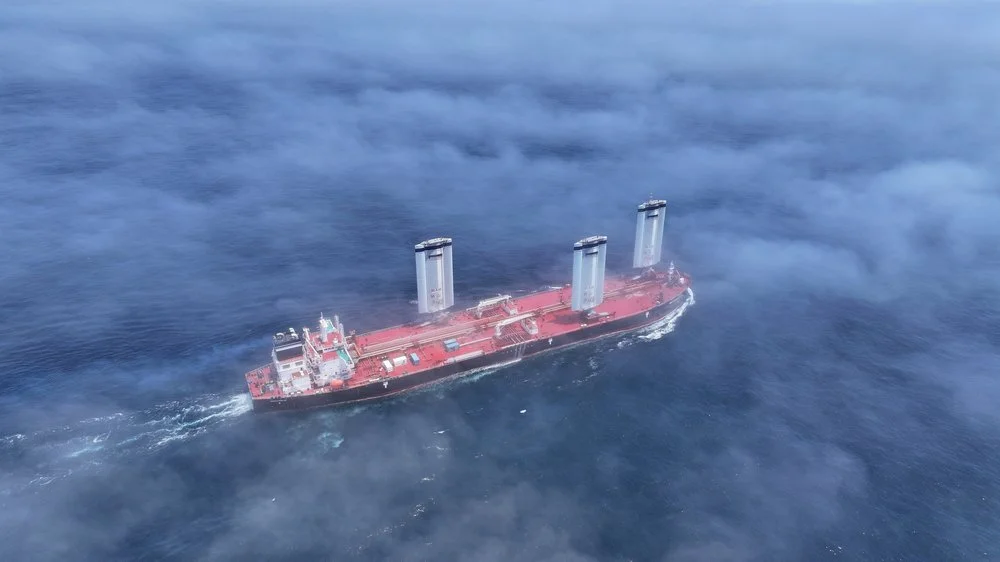
Understanding the Core Engineering of WAPS Wing Sail Design
The WAPS wing sail isn't a fan or a soft sail. This is a stiff, three-part aerodynamic device that works more like an airplane wing than a normal sail. This difference is very important when you're judging claims about performance.
Three-Element Rigid Wing Architecture
The three-element arrangement is what makes WAPS unique in terms of its structure. The method makes more than 2.5 times as much mechanical lift as a normal single-element wing sail by dividing the wing into three moving parts. The angle of attack to the wind and the camber of each element can both be changed in real time. Camber is the curve of the sail's cross-section. This means that the wing changes shape in response to the wind, rather than staying in the same shape.
Automated Camber and Angle Control
The automated alignment system is one of the useful parts of the WAPS design. Based on real-time data from the vessel, specialized software on board constantly figures out the best wing position and camber form. After that, the system makes the necessary changes on its own, sending real-time reports on push performance to both the bridge and shore teams. This takes the guesswork out of managing the sails and makes things easier for the crew.
Materials Built for Marine Conditions
WAPS is made of ship-grade steel and industrial E-glass composites, and all of its hydraulics are marine-grade. All of the raw materials come from suppliers that are ISO-certified. The structure has a 25-year service life and doesn't need any important parts to be replaced. It can also be moved from one vessel to another, which has a big impact on your total cost of ownership estimate.
Technical Dimensions That Matter Most in Wing Sail Procurement
Technical claims are often made when compared wind-assisted driving systems. What makes WAPS different from other options is that its ability to save fuel has been proven in real-life ship operations and separately checked by DNV. With WAPS, bulk ships have made calls at more than 20 major ports around the world without any problems.
Classification Society Certification
Class approval is a must for any ship owner who works under charter deals or wants to get green financing. WAPS has AIP certification and design type approval from DNV and BV. LR and CCS have also given their certification. The system is recognized by almost all major flag states and classification regimes because it has been approved by multiple societies. From the time it is made, TSC makes sure that every WAPS unit it sends out meets these approval standards.
Operational Compatibility and Deck Integration
One common worry about wind power retrofits is that they might make it harder to move goods. This is directly dealt with by the WAPS wing sail. The system sits between the cargo holds of bulk carriers and can be rotated into a laydown position to make room for hatch covers and cargo gear. The bent chord length is very small, so there isn't much deck interference. The operations are similar to using a deck crane, and the crew doesn't need any special draw gear or skills.
Weather Routing Integration
WAPS has a web-based weather planning system made just for ships that use the wind to power them. It can be reached by both shore teams and crew. The platform has automated workflow tools that help the ship get the most out of the prevailing winds on each leg of the trip. It's not a general route tool; it's been tuned to work with the WAPS wing profile's aerodynamics.
Why Wing Sail Design Reduces Operational Risk
Ship owners sometimes think that using wind power makes things more complicated. On the other hand, the WAPS design theory goes the other way. The system has both an automated control module that constantly checks for health and safety issues and a manual interface that the crew can use for maintenance or emergencies.
Safety System Architecture
The WAPS wing control system always lets crew members see what's going on with the sails. The alarm is monitored automatically, and there is always a back-up option that can be used by hand. This two-layer approach—automated observation with human override—is the same reasoning used in current engine management systems, and it works well for business ships with crews.
Crew Training and Day-to-Day Operation
The team can easily learn how to use WAPS because it is based on how they are used to working deck cranes. There is no need for specialized training in wind movement. TSC offers long-term service packages and on-site support. With IoT monitoring, tech teams on land can keep an eye on system health without just depending on crew reports.
Tilt and Laydown Configurations
WAPS comes in two tilt configurations: above-deck and below-deck. It can also be mounted permanently. Because tilt tables can be adjusted to fit the shape of an installation, navy planners and retrofit engineers can easily add the system to existing deck layouts without affecting cargo operations.
Evaluating WAPS for Compliance and ROI
The rules for getting WAPS are easy to understand: IMO EEXI and CII standards, EU ETS costs, and FuelEU Maritime responsibilities are all putting constant pressure on the carbon intensity of the fleet. All three are directly dealt with by WAPS, which lowers the amount of fuel used per voyage.
Fuel Savings and CO₂ Reduction
Verification by an independent third party, DNV, shows that WAPS saves a significant amount of fuel per wing per day, which directly raises a vessel's CII grade. The cumulative effect on annual fuel costs is big for fleet owners who use multiple ships on routes with a lot of wind. CM Energy can help your internal capital approval process by providing route-specific payback modeling.
ESG and Charter Market Positioning
Green financial tools, like Poseidon Principles-aligned loans, need to show better pollution performance more and more. A ship that has approved WAPS equipment and fuel-saving data that has been checked by DNV is more likely to get better hiring rates and better financing terms. This is a real business gain that goes beyond following the rules.
New Build vs. Retrofit
WAPS can be used for both new building and works that were done in the past. CM Energy (TSC) works directly with shipyards and design firms to build WAPS into the structure and electrical design of new ships from the start. For retrofits, the process starts with a ship compatibility study. Next, the product is delivered to the factory and is installed onboard while being watched by someone from the factory.
Conclusion
The Wind-Assisted Propulsion System (WAPS) is a tested and workable way for bulk ships and trucks to move faster using the wind. With its three-element rigid wing design, automated camber control, multi-society class certification, and 25-year service life, it is more of a long-term investment than a way to get around the rules. If your fleet is under pressure from CII, rising fuel costs, or lease market requests for proof of lower emissions, WAPS should be carefully looked at. CM Energy (TSC) has the technical background and track record of approval to help with that process, from figuring out if it will work to installing it and keeping it running.
FAQ
1. What vessel types is WAPS designed for?
WAPS is made to work with tankers and bulk carriers. The configuration that is mounted on the deck fits between the cargo holds and works with normal tools for moving goods. During loading and unloading, the system rotates away from hatch covers so that normal cargo operations don't have to be stopped.
2. Has WAPS fuel performance been independently verified?
Yes. DNV has separately confirmed that WAPS works to save fuel by watching how ships use it in real life. The Wolfson Unit and Lloyd's, two well-known fluid dynamics study institutions, have also looked at performance statistics. This is not modeled data; it shows results that were seen in real life.
3. What classification society approvals does WAPS hold?
WAPS has been certified by AIP and has design type approval from both DNV and BV. LR and CCS have also approved it. This covers all of the main classification groups used in international business shipping.
4. Can WAPS be transferred between vessels?
Yes. When the system was made, vessel transferability was a big deal. This matters when planning to spend money on capital, especially for owners who have fleets of vehicles of different ages or who are planning to build new cars in the future.
5. How long does installation take, and does it require dry dock?
An analysis of compatibility, on-site assembly, factory acceptance testing, and supervised onboard fitting are all parts of installation. CM Energy plans and organizes the whole construction process. Email the team at info.cn@cm-energy.com to talk about scheduling around the repair times that are already in place for your vessel.
Partner with CM Energy — Leading WAPS Supplier for Commercial Fleets
CM Energy (TSC) has tried-and-true WAPS technology that is backed by BART's patented design, DNV verification, and full lifetime support, from installation to tracking through IoT. TSC is a reliable WAPS manufacturer with 159 patents and global class approvals. They offer solutions for both new builds and retrofits. You can email our engineering team at info.cn@cm-energy.com or go to cm-energy.com to ask for a route-specific payback analysis and start the purchase review process.
References
1. DNV GL. Verification of Wind-Assisted Propulsion Fuel Savings: Methodology and Results. DNV, 2023.
2. International Maritime Organization. 2023 IMO Strategy on Reduction of GHG Emissions from Ships. IMO, 2023.
3. Wolfson Unit for Marine Technology and Industrial Aerodynamics. Aerodynamic Performance Assessment of Rigid Wing Sails. University of Southampton, 2022.
4. Lloyd's Register. ShipRight Design and Construction: Wind-Assisted Ship Propulsion Guidance. Lloyd's Register, 2022.
5. ITTC Specialist Committee on Wind Propulsion. State of the Art Report on Wind-Assisted Ship Propulsion. International Towing Tank Conference, 2021.
6. Tradewinds. Wind Propulsion Systems: Commercial Adoption and Fleet Decarbonization Trends. Tradewinds Markets, 2023.
