How MFSS Delivers Methanol to Marine Engines
When a dual-fuel vessel switches from diesel to methanol mid-voyage, the engine does not pause to wait. The methanol fuel supply system — commonly referred to as MFSS — must respond instantly, delivering fuel at the exact pressure, temperature, flow rate, and cleanliness the engine demands. This article walks through how an MFSS works, what makes it technically distinct, and why the right MFSS supplier matters more than most shipowners initially expect.
Understanding MFSS Technology in Marine Engine Fuel Delivery
Methanol is not a fuel that is easy to use. Its flash point is between 11 and 12°C, it can release harmful vapors, and it eats away at carbon steel and rubber seals. Everything about an MFSS is designed to keep the engine running smoothly while managing all of these features.
What MFSS Actually Does?
The MFSS is the delivery and cooling link between the methanol bunker tank and the fuel valve train in the engine. It gets raw methanol from storage, makes sure the temperature and pressure are right for the engine, screens out impurities, and sends out a clean, stable fuel stream. The engine manufacturer's protection and efficiency guaranties are null and void if the methanol fuel supply system is not set up correctly.
Why Methanol Needs a Dedicated Supply System
Carbon steel pipes and standard elastomers are used in most HFO or diesel systems, but neither can handle long-term contact with methanol. All of the wet parts of the MFSS are made of 316L stainless steel, and they are sealed with either PTFE or EPDM. As required by the IGF Code for low-flashpoint fuels, it also has double-walled pipes with a vented circular space. It's not up to you to do this engineering; the classification group requires it.
MFSS vs. Conventional Bunker Fuel Systems
A normal bunker fuel system was never made for a liquid that disappears at 64.7°C and causes sickness in small amounts. The MFSS includes vapor recognition devices in the pipe annulus, emergency shutdown logic (ESD), the ability to purge nitrogen, and a safety automation system that is all built in. These features aren't built into HFO technology and can't be added to it later.
Key Components and Operation Principles of MFSS for Marine Engines
The methanol supply unit, the filling and delivery system, the support system, and the control and safety system are the four parts that make up a full methanol fuel supply system. Each has a specific job to do to make sure the fuel delivery is correct and the ship stays safe.
The Methanol Supply Unit
The MFSS's heart is the supply unit. So that the pressure, temperature, flow rate, and cleanliness of the fuel are just right for the engine maker, whether it's a MAN B&W ME-LGIM or a WinGD methanol engine. It is very important that it works correctly when the engine starts up, when the load changes between diesel and methanol modes, and when there is an emergency stop. In any of these situations, a slow or inaccurate reaction could hurt the engine or cause the fuel to be cut off.
Filling, Transfer, and Safety Integration
The filling and delivery section takes care of bunkering methanol from land or sea, moves fuel to service tanks, and feeds the supply unit. Methanol is regulated by both the IGF Code and the SOLAS-IBC Code for chemical vessels. This means that the whole bunkering and transfer circuit has to meet both chemical handling standards and low-flashpoint fuel safety requirements at the same time. The control and safety system keeps an eye on the whole process and takes care of the ESD alarms, vapor detection alarms, and nitrogen purge sequences on its own.
Modular Design and Installation Approach
Modular skid building is one of the useful benefits of a well-designed MFSS. The system comes to the port already put together and tested. The steps for installation are as follows: checking the vessel interface drawings, positioning the skid with lifting equipment, attaching the base to the ship's structure, connecting the methanol pipes and control cables, and then testing each subsystem individually and as a whole. This way cuts down on repair work that needs to be done on board, cuts down on yard time, and makes class survey easier.
Comparing MFSS to Other Marine Fuel Supply Methods
It is common for shipowners to compare the investment in MFSS to that in LNG fuel gas supply systems (FGSS) or ammonia fuel supply systems (AFSS) when they are thinking about methanol. There is no one-size-fits-all solution for conditioning alternative fuels. Each one needs its own system. A special and active market position is held by the MFSS because methanol bunkering infrastructure already exists in major ports, but ammonia infrastructure is still mostly a theory.
Cost-Performance Reality
An MFSS system is a big investment in terms of money, but the total cost of ownership is lower because of things like not having to pay fuel fines under IMO Carbon Intensity Indicator (CII) rules, maybe being able to meet the standards for green corridors, and lower sulfur compliance costs. DNV's 2023 Alternative Fuels Insight tool shows that, by vessel order count, methanol is one of the two most popular alternative marine fuels. The other is LNG.
Supplier Selection Criteria That Matter
When buying teams look at MFSS makers, they should pay attention to three things. First, real ship sets that have been shipped, not prototypes being shown off. Second, certificates from classification societies like DNV AIP and DNV Product Certificate show that the design has been checked by a third party. Third, service coverage after the sale, such as the availability of spare parts and the time it takes for expert help to respond across key ports.
These three things set capable MFSS suppliers apart from those who sell equipment that looks good on paper but has never been put to use on a ship.
How to Procure and Implement MFSS for Your Marine Fleet?
Getting a methanol fuel supply system is usually done at the same time as the newbuild job. The process starts when the type of engine is confirmed. This starts the technical design and class submission part, which lasts for three to six months on average. The next step is to bid on the equipment. The winner is chosen based on technical compliance, delivery schedule, and the ability to provide commissioning support.
Flexible Supply Options: Unit or Complete System
You don't have to buy a full turnkey package if you own a ship. Depending on what the shipyard's equipment plan already includes, a good MFSS provider should be able to send either the methanol supply unit on its own skid or the whole integrated system. This gives the shipyard more options when working with different equipment suppliers and lowering the risk of integration.
Installation and Commissioning Support
Factory acceptance testing (FAT) should check the ESD logic, nitrogen purge sequences, and pressure-hold performance of the skid before it leaves the factory of the manufacturer. The performance is then confirmed during onsite commissioning using the real vessel's pipe layout and engine interface. Most problems with the methanol fuel system field happen when either step is skipped or rushed.
Future Trends and Innovations in MFSS for Marine Engines
The IMO's updated GHG Strategy for 2023 aims for net-zero shipping by the year 2050. Green methanol, which is made from clean electricity and CO₂ capture, is one of the few alternative fuels that can be used with existing MFSS hardware without needing to be redesigned. So, an MFSS that is put in a newbuild today can help with the whole decarbonization plan for the ship, not just the first compliance cycle.
Digitalization and Remote Monitoring
More and more modern MFSS control systems are connected to vessel management platforms. This lets teams on land see in real time how much fuel is being used, how the system pressure is changing, and the history of alarms. This makes it easier for chief engineers to figure out what's wrong and helps with organizing preventive maintenance.
Multi-Fuel Integration as a Strategic Advantage
Some shipowners are now asking for ships with both an MFSS and a FGSS or AFSS. This gives the fleet the ability to work in areas with different fuel supplies. Interface mismatches between subsystems are less likely to happen when suppliers can deliver combined multi-fuel systems from a single engineering team. This is because mismatches cost time and money during testing.
Conclusion
You can't just buy the MFSS anywhere. This is a very accurate fuel conditioning system that checks directly if a methanol-fueled ship meets its engine performance requirements, passes the class survey, and runs safely for twenty years. Technical risk is created when the wrong system or provider is chosen. This risk shows up during sea testing, not when the bids are being evaluated. When shipowners buy MFSS as a strategic engineering decision instead of a price-driven equipment purchase, they consistently see fewer delays in commissioning and lower costs over the life of the system.
FAQ
1. Does an MFSS work with both MAN B&W ME-LGIM and WinGD methanol engines?
Yes. A well-designed methanol fuel supply system can be set up to meet the needs of both engine platforms for pressure, temperature, flow rate, and cleaning. During the planning phase, the features of the supply unit are changed to fit the needs of the engine's fuel valve train.
2. What certifications should an MFSS supplier hold?
Check for DNV AIP (Approval in Principle) and DNV Product Certificate at the very least. These prove that a separate classification group has checked the quality of the design and production. Depending on the flag state of the ship, it may also need to be certified by CCS or ABS.
3. Can existing vessels be retrofitted with an MFSS?
Retrofitting is technically possible, but it needs to be carefully thought out. The MFSS needs 316L stainless steel double-walled pipes all the way through, so existing HFO pipes can't be used again. The skid measurements must also be used to figure out the hull room, ventilation, and structural supports. Most retrofit projects take between six and twelve months to complete.
4. What environmental benefit does methanol fuel offer over conventional diesel?
Well-to-wake CO₂ pollution can get very close to zero when green methanol made from natural sources is used. When compared to HFO, even gray methanol cuts sulfur oxide emissions to zero and particulate matter emissions by a large amount.
Get Your MFSS Quote from CM Energy (TSC)
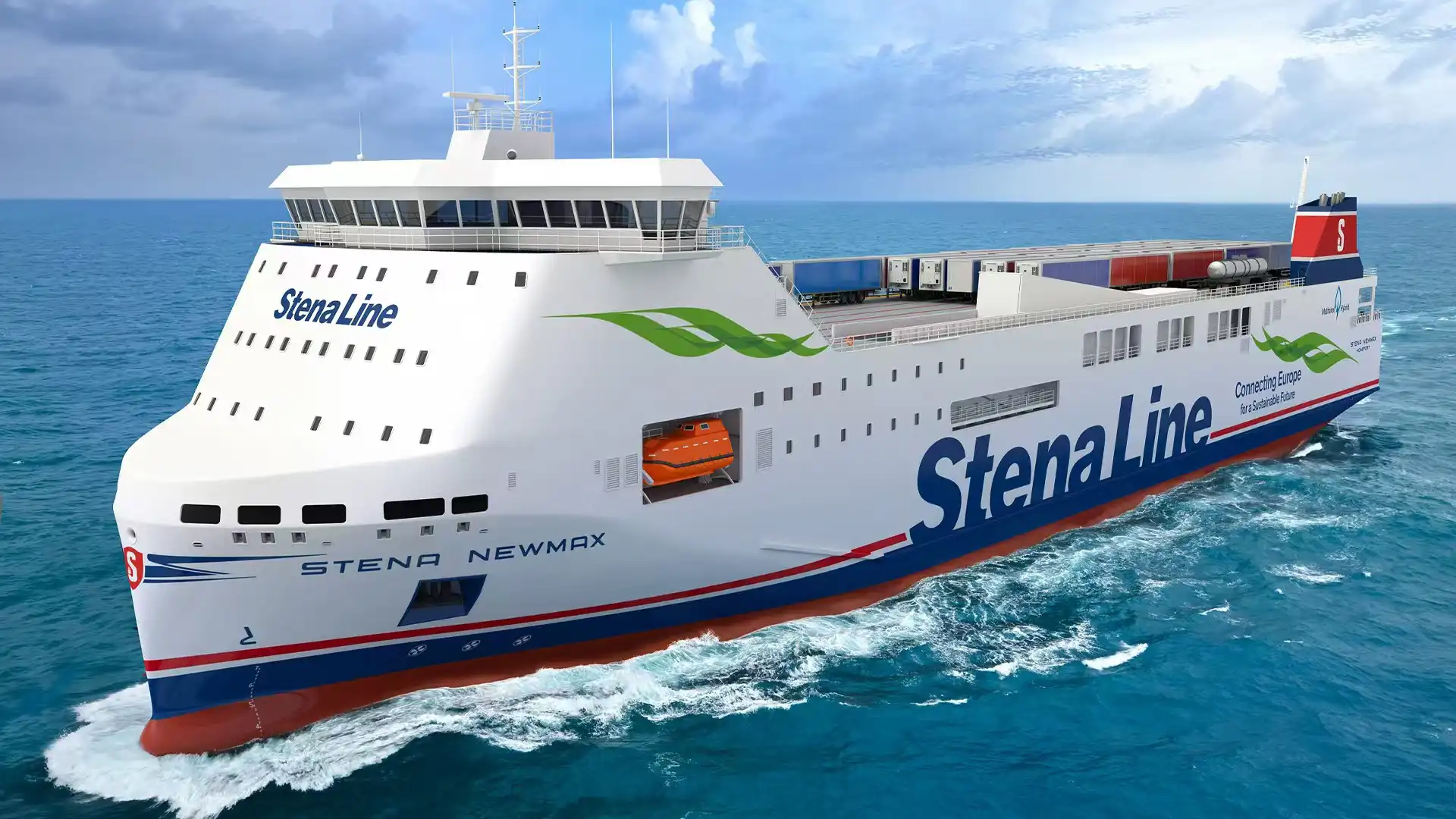
Shipowners, shipyards, and retrofit project teams all over the world can get certified MFSS solutions from CM Energy (brand name: TSC). TSC is one of the most experienced MFSS manufacturers and suppliers on the market right now. They have delivered 19 ship sets of clean fuel systems, including two Stena RoRo methanol fuel supply skids. Our engineering team is ready to help you with your technical specifications and class filing process, whether you need a methanol supply unit that works on its own or a full system that works with everything else. To schedule a meeting, email us at info.cn@cm-energy.com or go to cm-energy.com.
References
1. DNV. Alternative Fuels Insight Platform: Methanol as Marine Fuel. DNV GL, 2023.
2. International Maritime Organization. 2023 IMO Strategy on Reduction of GHG Emissions from Ships. IMO, 2023.
3. MAN Energy Solutions. MAN B&W ME-LGIM: Methanol Dual-Fuel Engine — Project Guide. MAN Energy Solutions, 2022.
4. SOLAS/IBC Code. International Code for the Construction and Equipment of Ships Carrying Dangerous Chemicals in Bulk. IMO, 2021 Edition.
5. IGF Code. International Code of Safety for Ships Using Gases or Other Low-Flashpoint Fuels. IMO, 2016 (as amended 2020).
6. Society of Naval Architects and Marine Engineers (SNAME). Green Fuels for Shipping: Methanol Fuel Supply System Engineering Considerations. SNAME Transactions, 2023.
