Why Ammonia Fuel Handling System Safety Matters at Sea
Ammonia is gaining serious attention as a zero-carbon marine fuel, but its adoption hinges on one non-negotiable factor: safety. A well-engineered ammonia fuel handling system manages everything from bunkering and storage to vapor control and emergency shutdown, protecting crew, vessel, and environment simultaneously. Ammonia is acutely toxic at concentrations as low as 300 ppm (IDLH threshold, NIOSH), and its corrosive nature attacks conventional metals aggressively. For procurement teams and project directors evaluating zero-carbon propulsion, understanding how a properly designed ammonia fuel handling system works is the foundation of any responsible decision.
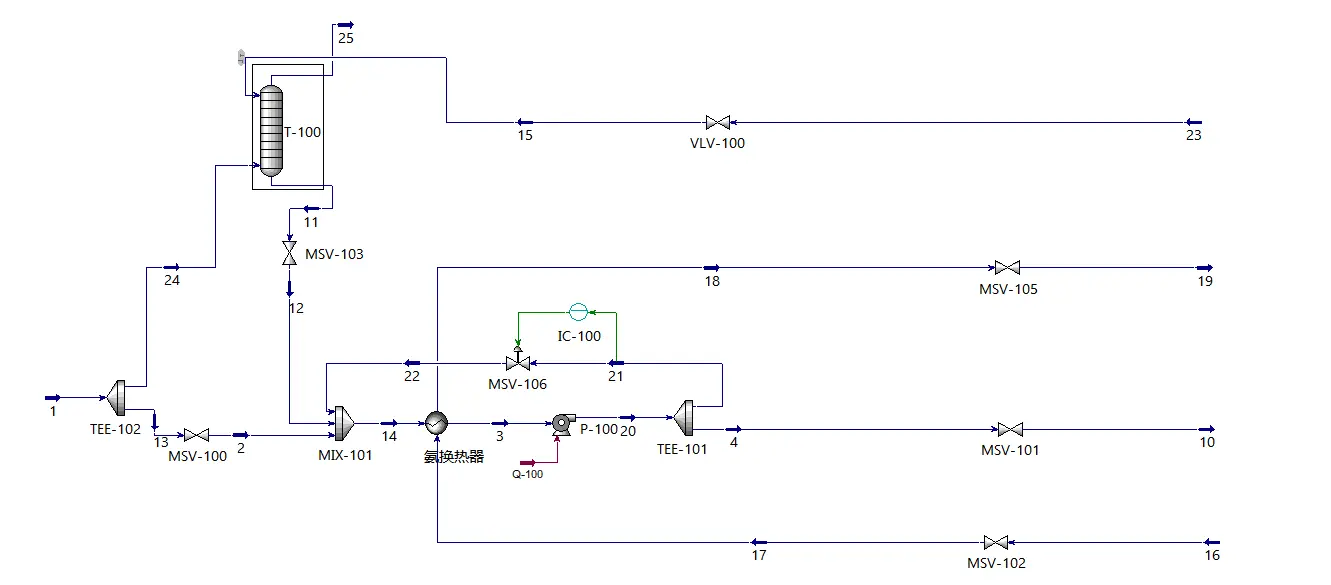
Understanding the Basics of Ammonia Fuel Handling Systems
What the System Actually Does
From the bunker station, through storage tanks, conditioning equipment, transfer lines, and on to engine injectors, an ammonia fuel handling system controls the entire fuel route. Because ammonia doesn't behave like other fuels, each stage needs precise control of pressure and temperature. At standard pressure, it boils at -33°C. This means that even small amounts of heat make boil-off gas that needs to be controlled or reclaimed.
Core Components You Need to Know
TSC's ammonia fuel handling system is made up of eight main parts that work together:
- Filling & Storage System — ensures safe bunkering and maintains tank conditions within design limits, fully aligned with IMO low-flashpoint fuel requirements.
- Ammonia Fuel Supply System (AFSS) — delivers precise flow control from storage to engine, incorporating emergency shutdown valves and inert gas integration.
- Fuel Valve Unit (FVU) — regulates ammonia delivery to the engine, with configurations tailored to MAN or WinGD propulsion platforms, which have meaningfully different fuel system architectures.
- Vent System & ARMS (Ammonia Release Management System) — captures ammonia vapor and routes it to thermal oxidation or re-liquefaction treatment, preventing atmospheric discharge.
- Ventilation & Inert Gas System — maintains negative pressure in hazardous spaces and uses nitrogen purging to eliminate ignition and toxicity risks in both above-deck and enclosed areas.
Not on their own, these parts don't work. They work together to make a safety architecture, which is why design experience at the system level is more important than the quality of each individual part.
Regulatory Context Shaping Design Requirements
The IGF Code and IACS guidelines for low-flashpoint fuels set the basic rules for compliance. Class societies like DNV, ABS, and CCS have all put out interim rules and notations that are special to ammonia. Any ammonia fuel handling system bought today has to show that it meets these standards. This includes material tracking rules that say wetted parts can't contain copper, zinc, or brass metals.
Critical Safety Measures for Ammonia Fuel Handling at Sea
Managing Toxicity and Leak Risk
The IDLH level for ammonia is 300 parts per million, which means that even a small pipe joint failure is a crew safety event. The TSC ammonia fuel handling system solves this problem with double-walled pipes that have forced negative-pressure ventilation in the annular space, electrochemical toxicity sensors that are directly connected to the vessel's alarm and monitoring system (AMS), and automatic emergency shutdown sequences that quickly separate and nitrogen-purge any damaged parts.
Corrosion Control and Material Integrity
Standard materials used in naval fuel systems just don't work with pure ammonia. When ammonia air is present, brass and copper metals quickly crack from stress corrosion. As part of the ammonia fuel handling system, TSC requires high-grade austenitic stainless steel and low-temperature carbon steel. This is backed up by mill certificates and 100% radiographic testing (RT) and dye penetrant inspection (DPI) on all welded joints, which is the same level of non-destructive testing that Class surveyors need.
Emergency Preparedness and Crew Protocols
A trained crew is still needed for an ammonia fuel handling system to work properly. Regular drills must be held to go over emergency reaction plans, PPE standards, and nitrogen purge processes. The Factory Acceptance Test (FAT) for the system includes full simulations of ESD sequences so that operators know how the system works before the ship goes into service.
Comparing Ammonia Fuel Systems with Alternative Approaches
Ammonia vs. Hydrogen: A Practical Safety Comparison
Hydrogen needs to be stored in a cold environment at -253°C and can catch fire in a wide range of air temperatures (4–75%). Both ammonia and compressed hydrogen are dangerous, but ammonia has a higher energy density per volume and its handling infrastructure is more developed because it has been used for decades in industry. An ammonia fuel handling system can directly use well-known engineering principles for LPG and chemical carriers, which is a big benefit for quick deployment.
Why Specialized Systems Outperform Generic Setups
Generic dual-fuel converters that aren't made for ammonia don't have the right material specifications, vapor management architecture, or ARMS functionality for ammonia. Particularly in vent treatment, inert gas integration, and sensor protocols, there is a significant difference between an LNG fuel supply system and a properly designed ammonia fuel handling system. When procurement teams try to use current LNG infrastructure to provide ammonia service, they often run into problems with class society complaints during the plan approval stage.
MAN vs. WinGD: Why Engine Platform Choice Affects System Design
Engines that can use ammonia from MAN and WinGD have different fuel injection pressures, valve train needs, and control logic connections. TSC creates platform-specific AFSS setups for both. This means that the ammonia fuel handling system supplied is designed to fit the exact propulsion unit that is being installed, rather than a general assembly that needs to be changed in the field.
Procurement Considerations for B2B Clients
Key Certification and Compliance Criteria
Teams in charge of purchasing should make sure that any company offering an ammonia fuel handling system can show proof of class society plan approval, SIL-rated equipment certification, and complete material tracking records. These must be met by all ships that operate under DNV, ABS, or CCS markings. TSC's systems are built from the start to meet these requirements; they are not changed to meet these requirements after the design phase is over.
Total Cost of Ownership and After-Sales Support
More than just unit price is considered when purchasing an ammonia fuel handling system. Project costs are affected by things like installation management, commissioning support, crew familiarization, and the ability to get extra parts for a long time. TSC helps with every step of the process, from the initial design advice and module production to overseeing the installation on-site and providing ongoing service after the sale. TSC has tried and written down its service model by delivering 19 clean fuel supply system sets that have been used for methanol, LNG, ammonia, and LPG.
Why TSC's Background Matters for This Procurement
Here are the main strengths that directly meet the needs of ammonia projects:
- Established experience in ammonia carrier construction through China Merchants Industry, providing direct engineering carry-over into ammonia fuel system design.
- LPG fuel system retrofit experience that informs safety architecture decisions specific to liquefied gas fuel handling.
- Active participation in zero-carbon laboratory ammonia supply system construction, building current, real-world reference experience that most suppliers do not yet have.
- Platform-specific AFSS configurations for both MAN and WinGD engines, reducing integration risk at the shipyard stage.
These strengths directly deal with the longest and most difficult parts of a demonstration project: proving the project's viability, getting approval from the class, and integrating the system. Choosing a provider who doesn't have this knowledge adds unnecessary technical risk to a project timeline that is already very tight.
Real-World Applications Validating the Safety Architecture
TSC has provided ammonia fuel handling system solutions based on its experience building ammonia transport vessels and LPG upgrade projects. These are the kinds of vessels where the main engineering challenges of managing poisonous gasses, controlling pressure, and moving vapors are closely linked. The zero-carbon laboratory ammonia supply system project that is currently being built adds another point of reference for validating land-based ammonia fuel systems, which project sponsors and class societies are asking for more and more as part of technology readiness paperwork.
Conclusion
Ammonia's path to mainstream maritime use runs directly through the quality of the ammonia fuel handling system installed on each vessel. Toxicity, corrosion, vapor management, and regulatory compliance are not secondary concerns — they determine whether a demonstration project succeeds and whether a fleet transition program can scale. TSC, a brand of CM Energy, brings direct construction experience from ammonia carriers, LPG retrofits, and zero-carbon laboratory projects to every ammonia fuel handling system it designs. For procurement teams evaluating suppliers for new-build or retrofit programs, that combination of documented experience and full lifecycle support represents a meaningful risk reduction for projects where the margin for technical error is minimal.
FAQ
1. What core safety features should an ammonia fuel handling system include?
The system needs to have double-walled pipes with forced ventilation, electrochemical leak detection sensors built into the vessel AMS, automatic emergency shut-off valves, the ability to purge nitrogen, and the ability to treat vapor through thermal oxidation or re-liquefaction. Instruments with a SIL rating and welds that are fully NDT-certified are basic needs for class approval.
2. How do global maritime regulations affect ammonia fuel system procurement?
The main rules are set by the IGF Code. DNV, ABS, and CCS all put out guidelines and notation requirements for fuel systems that use ammonia. Teams in charge of buying things must make sure that the seller they've chosen designs to the exact class society notation that their ship's registration and trade route needs.
3. Can existing vessels be retrofitted with ammonia fuel handling infrastructure?
Retrofitting is technically possible, but it needs to be thoroughly studied to see if it is possible. This study needs to include replacing materials, rerouting pipes, improving airflow, and getting approval from the class society.
4. How does TSC handle the difference between MAN and WinGD engine platforms?
TSC makes AFSS configurations that are platform-specific for both MAN and WinGD ammonia engines, taking into account their various injection pressures, valve train designs, and control system interfaces. This gets rid of the chance of integration that comes with using generic fuel supply systems.
Ready to Discuss Your Ammonia Fuel Project? Contact CM Energy
An ammonia fuel handling system made for zero-carbon demonstration projects is one of 19 sets of clean fuel supply systems that CM Energy's TSC brand has provided. As a well-known company that makes ammonia fuel handling systems, TSC can help with both new construction and retrofit projects with its proven engineering skills and full lifecycle support. You can email our technical team at info.cn@cm-energy.com or go to cm-energy.com to ask for a project advice or a technical paperwork package.
References
1. International Maritime Organization (IMO). IGF Code: International Code of Safety for Ships Using Gases or Other Low-Flashpoint Fuels. IMO, 2015 (amended 2021).
2. DNV. Ammonia as a Marine Fuel — Safety Handbook. DNV, 2020.
3. NIOSH. Pocket Guide to Chemical Hazards: Ammonia. National Institute for Occupational Safety and Health, 2019.
4. Lloyd's Register. Ammonia as a Marine Fuel: Pathways to Adoption. Lloyd's Register Marine, 2021.
5. Mærsk Mc-Kinney Møller Center for Zero Carbon Shipping. Ammonia Safety and Seafarer Training: Industry Readiness Report. MMMCZCS, 2022.
6. Society of Naval Architects and Marine Engineers (SNAME). Alternative Fuels for Marine Propulsion: Ammonia Safety Considerations. SNAME Transactions, 2023.
