How Does a Wind Propulsion System Work at Sea?
A wind propulsion system captures natural wind energy through aerodynamic surfaces mounted on a vessel's deck, converting airflow into forward thrust that supplements the main engine. Unlike soft canvas sails of the past, today's systems use rigid wing structures, automated controls, and real-time sensor data to adjust angle and shape continuously. The result is measurable fuel savings, reduced carbon emissions, and improved compliance with IMO EEXI and CII regulations. For ship owners managing operational costs and regulatory pressure simultaneously, a wind propulsion system represents one of the most practical decarbonization tools available in commercial shipping today.
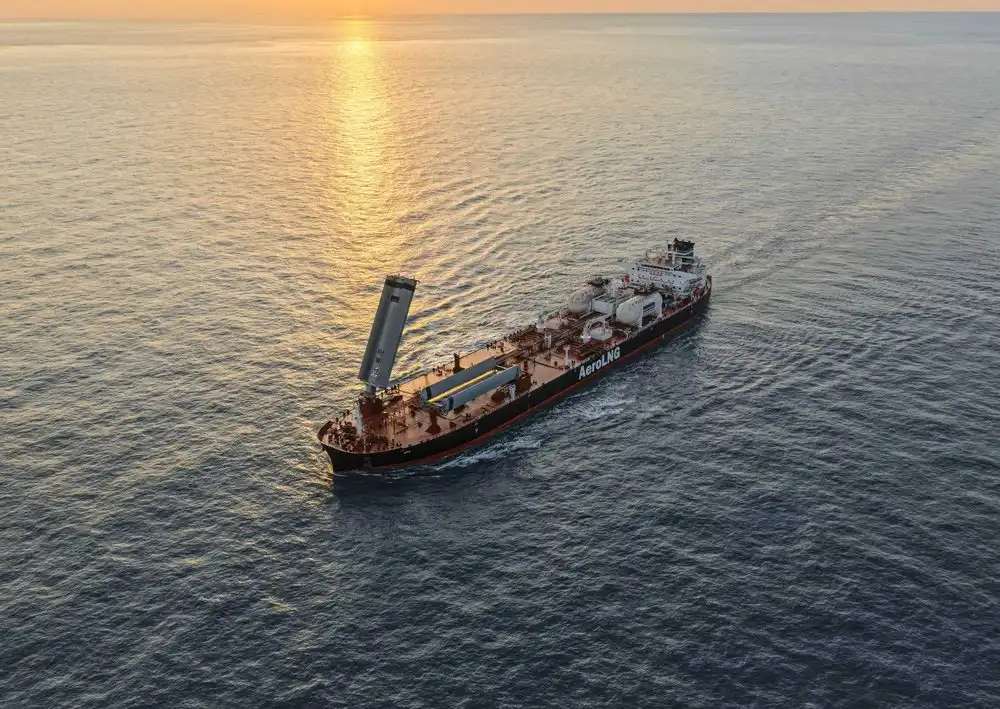
Understanding Wind Propulsion Systems – How They Work at Sea
The Aerodynamic Principle Behind Wind Thrust
The way a wind propulsion system works is similar to how an airplane wing works in terms of aerodynamics. A pressure difference forms between two sides of a shaped surface when wind blows over it. This creates lift. That lift can be used as thrust when it is moved forward along the ship's path. CM Energy's WindWings® use a three-element rigid wing design that makes more than 2.5 times the lift of a normal single-wing sail. This is because each element shapes the airflow in a different way, creating a pressure difference across a larger effective surface area.
Automated Camber and Angle Control
Full automation is what sets a modern wind propulsion system apart from older sail technology. Software on board reads the wind direction, speed, and heading in real time and then quickly changes the wing's camber (curvature) and angle of attack. This reasoning is always used in the WindWings® system, which was created by CM Energy working with BAR Technologies in the UK. A web-based interface lets both shore teams and crew keep an eye on thrust performance. The system can automatically switch between navigation mode, berthing mode, and the storm-safe laydown position.
Integration with the Main Engine
A wind propulsion system doesn't replace the main engine; it just takes some of the work of moving the ship off of it. When the wind is right, the wings create forward lift, which lets the engine use less fuel while keeping the service speed the same. When trade winds are steady, this dumping effect gets stronger over longer voyages for transoceanic bulk carriers. DNV-verified data from sea trials with ships that had TSC WindWings® installed shows that the 37.5-meter model can save up to 1.6 tons of fuel per day per wing. This directly leads to lower bunker costs and higher CII scores.
Comparing Wind Propulsion Systems to Conventional Engines and Alternative Solutions
Fuel Cost and Emission Performance
Conventional marine diesel engines burn fuel continuously, even when there is natural energy available, and only use about half of their thermal efficiency when they are only partly loaded. A changeable but free energy source is added by a wind propulsion system, which proportionally lowers the load on the main engine. Independent verification shows that in trade-wind areas that are favorable, fuel savings range from 5% to 30%, based on the route and type of vessel. The biggest WindWings® model cuts CO₂ by more than 5 tons per day per wing. This number is important for EU ETS carbon cost estimates.
Wind Propulsion vs. Solar Marine Technology
Commercial ships' solar panels don't produce a lot of power because there isn't much room on the deck. Because of this, they work better as an extra power source for hotels than to help the ship move. A wind propulsion system, on the other hand, directly creates force and changes in size as the craft does. In mixed sea conditions, fixed wing sails work better across a wider range of wind speeds than photovoltaic panels, which only work when the sun is shining directly on them. Still, some fleet managers think about combining the two technologies in mixed forms to fill in energy gaps in different parts of the same trip.
Leading Wind-Assisted Technologies in Commercial Shipping
Flettner rotors, suction sails, soft wingsails, and stiff three-element wing systems are all on the market for wind-assisted shipping. Each is best for a different type of ship and its intended use. Rigid wing sail systems like WindWings® work great with bulk carriers and tankers because they can fold up and rotate to make room for hatch covers and cargo handling equipment without stopping port operations. The design lifespan of 25 years and the ability to be moved between vessels also make the long-term return on capital better than with technologies that need structural changes that are specific to each vessel.
Procurement Considerations for Wind Propulsion Systems
Selecting the Right Wind Propulsion Supplier
When picking a wind propulsion system provider, you need to look at their technical certification, real-world performance data, and the level of help they offer after the sale. All three are met by CM Energy, which is traded on the Hong Kong Stock Exchange and does business under the TSC name. Type approval and AIP certification for TSC WindWings® have been given by DNV and BV. LR and CCS have also given their approval. Performance has been proven by observing ships at work in more than 20 major ports around the world, with no problems reported. All of the raw materials come from sources that are ISO-certified, and the structure design is checked by both the Wolfson Unit and Lloyd's fluid dynamics teams.
When looking at this wind propulsion system, these are the main benefits that business buyers always point out:
- Certified performance data: DNV-verified fuel savings from real ship operations give procurement teams the documented evidence needed for board-level CAPEX approval and charterer negotiations.
- Retrofit and newbuild compatibility: The installation process covers compatibility analysis, factory acceptance testing, onboard installation, and commissioning, accommodating both existing vessels and new construction projects.
- Full lifecycle service: CM Energy provides IoT remote monitoring, weather routing software, scheduled maintenance packages, and crew operation support, reducing the total cost of ownership over the system's service life.
These benefits directly address the two biggest problems fleet managers have with buying things: they don't know how much money they will make back, and they don't want to mess up their current operations.
Cost Structure and Return on Investment
A wind propulsion system costs money, so ship owners should have a clear idea of how much it will pay for itself before investing. The daily fuel savings per wing, the bunker price, the number of sailing days per year in windy lanes, and the avoided EU ETS carbon cost are the main factors. When you take into account the cost of carbon allowances and the current price of heavy fuel oil, the payback period for a fitted bulk carrier that runs trans-oceanic routes is usually within a range that fleet operators who are focused on long-term asset performance can afford. CM Energy can help with internal financial modeling by providing route-specific analysis.
Challenges and Future Trends of Wind Propulsion Technology
Managing Variable Wind Conditions at Sea
There is no wind propulsion system that can ensure constant power in all sea conditions. Wind speed, direction, and length depend on where you are, the time of year, and your location. This problem is fixed by smart weather planning software that works with the TSC WindWings® control platform. This software chooses trips and waypoints ahead of time that are in line with good wind patterns. If the wind speed is too high, the wings will automatically feather or rotate to a laydown position to protect the structure and crew without any help from the pilot.
Advances in Automation and Materials
The stiff wing systems we have now are made of ship-grade steel frames and industrial E-glass composite panels. This gives the structure strength while keeping the weight down. Marine-grade hydraulics and industrial-grade electronics that are rated for saltwater conditions are used in the control gear. The next version of wind propulsion technology will have lighter composite structures and better integration between ship energy management systems and wing control algorithms. This will allow natural wind to meet an even higher percentage of the fuel demand for voyages.
Regulatory Drivers Shaping Adoption
Vessels that don't meet their yearly reduction goals are punished by the IMO's Carbon Intensity Indicator framework, and the EU ETS now applies to trips that include European ports. Early adopters of wind-assisted propulsion get a better CII rating right away. This means they can get better charter rates and use green financing tools. If fleet managers install a wind propulsion system before 2027, they will probably avoid the rise in carbon prices that is planned for the EU ETS. This makes the business case better the earlier it is done.
Environmental Impact and Sustainability Benefits of Wind Propulsion Systems
Measurable Carbon Reduction Per Voyage
At its largest size, each WindWings® unit gets rid of more than 5 tons of CO2 per day. The annual CO2 reduction per wing is big for a ship that spends 280 days at sea a year on trade wind-favorable routes. This recorded performance meets the standards for ESG reporting, meets the sustainability due diligence of the charterer, and directly adds to the IMO 2030 and 2050 decarbonization pathway goals.
Alignment with Green Shipping Mandates
The FuelEU Maritime regulation of the EU Green Deal, the Poseidon Principles for green ship finance, and EEXI compliance all create a strong need for technology that reduces emissions. These frameworks are perfectly suited for a wind propulsion system with full classification society approval and independently verified fuel saves. Fleet operators who use TSC WindWings® can show how much CO2 they reduce on each voyage, which helps with both external ESG disclosure and internal sustainability goals.
ESG Value Beyond Compliance
More and more, premium charterers, especially those in the energy and agricultural commodity sectors, ask for CII-rated tonnage in their fixture requirements. In these markets, a ship with a wind propulsion system has a better place in the market. Green loan programs from banks like ING and Citi now include wind-assisted propulsion as a qualifying technology. This could lower the cost of financing the capital needed to build the system.
Conclusion
At sea, a wind propulsion system turns wind into measurable forward thrust through rigid wings that are automated and can change shape in real time as conditions change. The technology cuts down on fuel use, carbon pollution, and non-compliance with CII and EEXI standards without affecting cargo operations. All of this can be found in CM Energy's TSC WindWings®, which also comes with full classification society approval, DNV-verified performance data, and service support throughout the product's lifecycle. Wind-assisted propulsion is no longer a test case for fleet owners who care about long-term asset value and regulatory readiness; it is a proven option that can be used.
FAQ
1. How much fuel can a wind propulsion system actually save?
Savings depend on route, vessel speed, and available wind. DNV-verified data from TSC WindWings® shows up to 1.6 tonnes of fuel saved per day per wing under favorable conditions, with total savings reaching up to 30% on wind-rich trade routes. Actual figures vary by voyage profile.
2. Can a wind propulsion system be retrofitted on an existing bulk carrier or tanker?
Yes. The WindWings® installation process starts with a ship compatibility analysis, followed by structural review, factory acceptance testing, and onboard installation. The system is designed to fit between cargo hold hatches and rotates clear of hatch covers during cargo operations, making retrofit feasible on most standard bulk carriers and tankers.
3. What happens to the wings during a storm?
The control system automatically rotates wings into a laydown position when wind speeds exceed safe operating limits. This happens without crew intervention and protects both the structure and personnel. The system can also be operated manually through the crew interface if needed.
4. How much crew training is required?
Operation is comparable to handling a deck crane. No specialized rigging skills are required. CM Energy provides crew familiarization as part of the installation package, and the onboard interface guides operators through all standard procedures.
5. What is the service life of the system?
WindWings® is designed for 25 years of service without major component replacement. The system can be transferred between vessels, extending the capital value across fleet changes or vessel disposals.
Connect with CM Energy for Wind Propulsion System Solutions
CM Energy and its TSC brand have a wind propulsion system made for ship owners who want full approval, proven performance, and little downtime. As a company that makes wind propulsion system that have been used on bulk ships and tanks around the world, TSC WindWings® has been shown to save fuel, which has been verified by DNV and is approved by DNV, BV, LR, and CCS. You can email our team at info.cn@cm-energy.com or go to cm-energy.com to ask for a route-specific savings study for your fleet.
References
1. International Maritime Organization. Fourth IMO GHG Study 2020. IMO, 2020.
2. DNV GL. Wind-Assisted Propulsion: Technology Review and Performance Assessment. DNV, 2022.
3. Wolfson Unit for Marine Technology and Industrial Aerodynamics. Aerodynamic Performance Testing of Rigid Wing Sail Systems. University of Southampton, 2021.
4. Lloyd's Register. ShipRight Design and Construction: Wind-Assisted Ship Propulsion. Lloyd's Register, 2023.
5. European Commission. FuelEU Maritime Regulation – Impact Assessment. European Commission, 2021.
6. International Windship Association. Wind Propulsion Technology: State of the Industry Report 2023. IWSA, 2023.
