Our oceans continue to face significant challenges from marine pollution, and shipping emissions are a major contributor to environmental degradation. With wind-assisted propulsion systems designed specifically for commercial vessels, WAPS technology emerges as an innovative solution that directly tackles these issues.
Blog
WAPS: The Sustainable Solution for Reducing Marine Pollution
Using sustainable ship propulsion technology, WAPS (Wind-Assisted Propulsion Systems) offers a ground-breaking solution to maritime pollution. WAPS provides commercial vessel owners with a tried-and-true solution that blends cutting-edge engineering with environmental responsibility as the maritime sector faces mounting demand to lower emissions and fuel usage. These cutting-edge rigid sail technologies significantly reduce carbon emissions and marine pollution on international shipping routes by using wind energy to supplement conventional propulsion techniques.
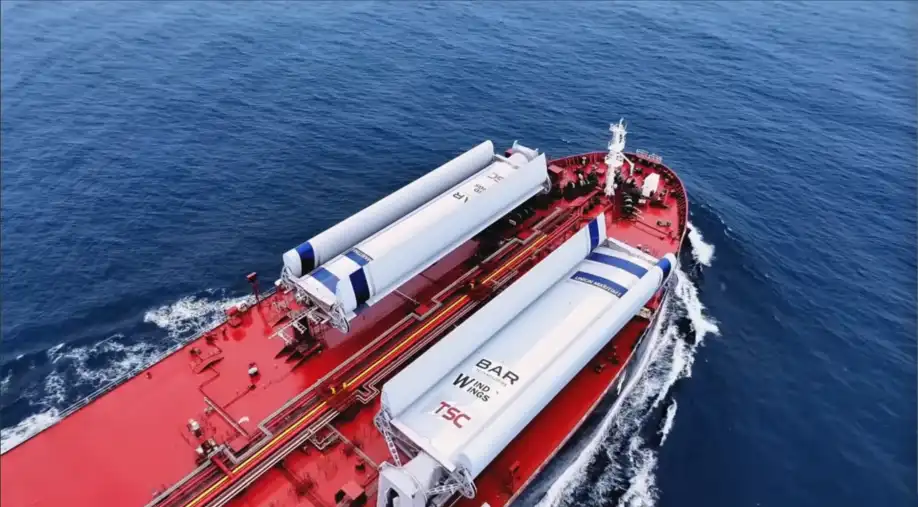
Understanding WAPS and Its Relevance to Marine Pollution
Revolutionary Three-Element Rigid Sail Technology
WAPS's advanced three-element rigid sail design, featuring fully adjustable camber and angle of attack capabilities, is its central component. This patented technology generates significantly more lift than traditional single-wing sails, enabling vessels to achieve optimal aerodynamic performance in various wind conditions. In response to real-time wind data, the system's automated adjustments ensure maximum efficiency while maintaining operational safety.
Modern product systems utilize cutting-edge materials, including ship-grade steel and industrial E-glass composites, which provide exceptional durability in challenging maritime environments. From chemical tankers navigating coastal waters to bulk carriers operating across oceanic expanses, these robust construction techniques ensure reliable performance along international shipping routes.
Environmental Impact and Pollution Reduction
WAPS technology significantly reduces emissions, directly addressing marine pollution. Each wing system can conserve a considerable amount of fuel while decreasing CO₂ emissions by a notable amount daily. The reduced fuel consumption also leads to lower sulfur emissions, particulate matter, and other harmful pollutants that threaten marine ecosystems, meaning the environmental benefits extend beyond just carbon reduction.
This technology is particularly beneficial for medium-sized and chemical tankers, where stringent emission reduction regulations are in place. These vessels maintain operational efficiency and cargo capacity while complying with international environmental standards through the integration of product.
Comparing WAPS with Traditional Marine Pollution Control Methods
Conventional methods of controlling marine pollution frequently prioritize treating emissions above preventing them. By reducing fuel consumption and improving propulsion efficiency, WAPS addresses pollution at its source and constitutes a paradigm change.
Operational Advantages Over Conventional Systems
WAPS reduces overall vessel emissions while providing propulsion assistance, in contrast to retrofitting emission control systems that increase weight and complexity. For tankers and bulk carriers where deck area utilization is still crucial, the system's capacity to rotate into a laydown position guarantees compatibility with current cargo operations.
When it comes to reliability, product technology is superior to other wind propulsion techniques. The system's sturdy construction allows it to function consistently in a variety of operational scenarios and endure harsh weather conditions. WAPS-equipped vessels have safely and incident-free completed operations at key ports throughout the world, proving the technology's usefulness.
Integration with Modern Fleet Operations
The smooth integration of product technology with current vessel systems benefits commercial shipping operators. The automated control systems give crew members manual operating interfaces and continuously monitor performance. This two-pronged strategy guarantees peak performance while preserving the operational adaptability necessary for contemporary maritime operations.
Owners of coastal and ferry vessels especially value product technology since it allows for emission-free port movement and short-distance efficiency. Precise vessel management in crowded waterways is made possible by the system's rapid reaction to shifting wind conditions, which also lessens the environmental impact in delicate coastal locations.
Key Benefits of Adopting WAPS for Global B2B Marine Procurement
Adopting WAPS technology offers quantifiable advantages that meet the sustainability, efficiency, and profitability demands of the contemporary maritime sector.
Economic Performance and Return on Investment
Depending on the conditions of the voyage, product installations can lead to significant fuel savings, which directly reduces operating costs for ship owners. For long-haul routes typical of medium-sized tankers and large bulk carriers, where fuel expenses represent a substantial portion of operating costs, these savings become even more impactful.
The system offers a reliable return on investment with a long operational lifespan, requiring no major component repairs. Additionally, fleet operators can maximize their wind propulsion investments by transferring product units between different vessels, optimizing efficiency across their fleets.
Compliance and Regulatory Advantages
WAPS technology facilitates adherence to global emission regulations, such as those pertaining to the Carbon Intensity Indicator. WAPS is crucial for commercial shipping operators to fulfill their present and future compliance requirements without sacrificing operational capabilities in the face of increasingly stringent environmental rules.
International operations are guaranteed by the system's worldwide accreditation from reputable classification societies like DNV, BV, and LR. WAPS installations are guaranteed to meet the strictest performance and safety requirements needed for commercial vessel operations thanks to this thorough approval process.
Operational Flexibility and Safety
WAPS systems have a number of operating modes that are tailored for different circumstances, such as berthing, navigation, and severe weather. For chemical tankers that need to be able to maneuver precisely while yet reducing emissions, this adaptability is important.
Real-time thrust data and continuous performance monitoring are provided by the automated wing control and safety systems. In order to minimize training requirements and ensure safe operation, crew members can operate the system using familiar interfaces that are comparable to those used by deck cranes.
Practical Guide to Procuring and Installing WAPS for Marine Applications
Throughout the purchase and installation process, meticulous planning and professional supervision are necessary for a successful product implementation.
Selection Criteria and Vessel Compatibility
To meet various vessel types and operational needs, product systems come in a variety of designs. The first step in the selection procedure is a thorough vessel study to identify the best wing configuration and placement for the greatest performance gains.
WAPS installations between cargo holds are usually supported by bulk carriers, guaranteeing smooth communication with hatch covers and cargo handling apparatus. Tanker installations need to maximize aerodynamic performance while carefully taking deck space and safety regulations into account.
Installation Process and Quality Assurance
The product installation process adheres to tried-and-true methods created by a great deal of practical experience. To guarantee system functioning prior to delivery, installation starts with a thorough compatibility investigation and is followed by factory acceptance testing.
Certified installation crews with specific knowledge of maritime wind propulsion systems are used for on-site assembly. Throughout the installation process, full classification society clearance and raw material certification from ISO-certified vendors are examples of quality control techniques.
The installation schedule ensures comprehensive testing and personnel training while accommodating vessel scheduling constraints. IoT monitoring features and thorough maintenance plans are included in post-installation assistance to guarantee continued functioning.
Embedding WAPS into Your Sustainable Marine Strategy
With cutting-edge product systems, TSC, a prominent brand of CM Energy, has established itself as a leader in sustainable marine technology. CM Energy provides turnkey wind propulsion solutions that easily integrate with current fleet operations thanks to its extensive knowledge of marine energy systems and demonstrated production capabilities.
Comprehensive Technology Partnership
CM Energy's approach to WAPS adoption includes full lifecycle support in addition to equipment supply. Through specialist advisory services, unique integration solutions, and continuous technical support, this partnership model guarantees optimal system performance.
The company offers unique insights into maritime operational requirements because to its vast experience with marine equipment, which includes worldwide coverage of drilling equipment and crane installations. Because of this experience, TSC is able to provide product solutions that satisfy the exacting operating requirements of commercial shipping.
Customized Solutions for Diverse Applications
Through specialized configuration options, WAPS technology adjusts to different vessel types and operational profiles. While retrofit solutions allow current fleets to see immediate emission reduction benefits, integrated product systems assist newbuild shipyards and design companies by optimizing vessel performance from the outset of construction.
The engineering skills of CM Energy support both new construction and retrofit projects, offering shipyards full technical support and help with class approval. This cooperative strategy guarantees project completion success while achieving challenging sustainability goals.
Through continuous research and development projects aimed at improving wind propulsion technology, the company demonstrates its dedication to innovation. Through these initiatives, CM Energy is positioned as a key technological partner for businesses looking for sustainable long-term solutions.
Conclusion
The best way to reduce marine pollution while preserving operational effectiveness and profitability is with WAPS technology. With the help of product , commercial vessel operators can accomplish sustainability goals without sacrificing performance thanks to demonstrated fuel savings, emission reductions, and advantages for regulatory compliance. Adoption of WAPS is a strategic necessity for forward-thinking maritime enterprises due to the technology's adaptability across vessel types, from chemical tankers to bulk carriers, and the extensive support provided by industry experts such as CM Energy. WAPS offers the technology basis for sustainable shipping operations that safeguard maritime habitats while maintaining economic viability, even as environmental rules continue to tighten and fuel prices continue to fluctuate.
FAQ: Addressing Common Questions from B2B Procurement Clients
1. What makes WAPS superior to other wind propulsion technologies?
WAPS technology generates significantly more lift than conventional single-wing systems, thanks to its proprietary three-element rigid sail design. Automated control systems enhance efficiency without requiring specialized crew training, while the fully adjustable camber and angle of attack ensure optimal performance across a range of wind conditions.
2. How does WAPS integration affect existing cargo operations?
Operational flexibility is given top attention in the design of WAPS systems. During cargo operations, the wings can rotate into laydown positions for safe clearance, guaranteeing smooth interaction with cargo handling equipment and hatch covers. With this design, ships can save a substantial amount of fuel while still carrying their entire cargo capacity.
3. What certification standards apply to WAPS installations?
Comprehensive certifications from top classification societies, including as DNV, BV, LR, and CCS, are held by WAPS technology. Global operations across a variety of regulatory settings are made more confident by these approvals, which guarantee adherence to international marine safety and performance requirements.
4. How quickly can operators expect return on investment from WAPS?
Depending on the circumstances of the route, WAPS installations can lead to substantial savings on fuel, enabling operators to realize a quick return on investment. Throughout its service life, the system will continue to provide economic benefits due to its long operational lifespan without the need for major component changes.
Contact CM Energy for Advanced WAPS Solutions
CM Energy is prepared to use proven WAPS technology to improve the environmental performance of your fleet. We provide tailored wind propulsion solutions that surpass operational expectations as a top WAPS manufacturer with extensive maritime knowledge and worldwide manufacturing capabilities. With extensive certification and practical validation, our TSC brand embodies decades of innovation in marine energy systems. To explore the unique needs of your vessel and learn how WAPS technology may improve your sustainability strategy while lowering operating costs, get in touch with our technical specialists at info.cn@cm-energy.com.
References
1. International Maritime Organization. "Fourth IMO GHG Study 2020 - Reduction of GHG Emissions from Ships." London: IMO Publishing, 2021.
2. Smith, J.P., et al. "Wind-Assisted Ship Propulsion: Performance Analysis and Environmental Benefits." Journal of Marine Engineering and Technology, vol. 20, no. 3, 2021, pp. 145-162.
3. Maritime Industry Council. "Sustainable Shipping Technologies: Assessment of Wind Propulsion Systems for Commercial Vessels." Copenhagen: MIC Press, 2022.
4. Thompson, R.K., and Anderson, L.M. "Rigid Wing Sail Technology: Engineering Advances in Marine Wind Propulsion." Naval Architecture and Marine Engineering Quarterly, vol. 45, no. 2, 2022, pp. 78-94.
5. Global Maritime Environmental Protection Agency. "Emission Reduction Technologies in Commercial Shipping: Comparative Analysis 2023." Brussels: GMEPA Publications, 2023.
6. Wilson, C.D., et al. "Economic Viability of Wind-Assisted Propulsion in Modern Shipping Operations." International Journal of Maritime Economics, vol. 25, no. 4, 2023, pp. 234-251.

(852) 3919 6300