The Ultimate Guide to Rig Cargo Handling Automation
With its advanced mechanical systems and smart controls, rig goods handling technology changes the way things are done abroad. Using robots, sensors, and high-tech software, modern Cargo Handling System technologies make it easier to load, unload, and move things between drilling sites. These automatic solutions make operations safer, cut down on mistakes made by people, and improve the speed of cargo management. Automation changes tasks that used to be done by hand into exact, controlled processes that meet the strict needs of foreign operations. It includes everything from simple conveyor systems to complicated computer networks, making marine settings that are hard to work in more reliable than ever before.
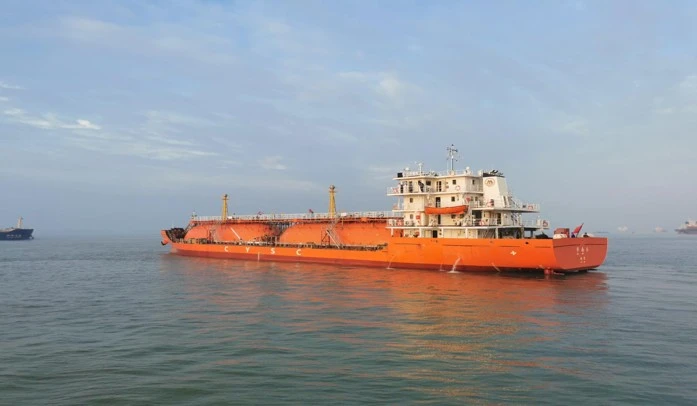
Understanding Modern Cargo Handling Automation
Offshore drilling activities need shipping handling that is very precise and reliable. These needs are met by Cargo Handling System automation technology, which has built-in systems that watch over, manage, and carry out cargo moves with little help from people.
Modern robotic tools use both mechanical and digital intelligence to handle tasks. During the handling process, sensors keep track of where the cargo is, how heavy it is, and the weather. Real-time data handling lets changes be made right away to keep performance factors at their best.
The change from human to automatic methods is a result of safety standards being raised in the business. Automated equipment keeps operating standards uniform while reducing the risk that workers face in dangerous situations. When the weather is bad, these methods work well even though it might be dangerous or hard to do things by hand.
Robotic parts do extremely accurate repeated jobs. Highly developed code lets these systems adjust to different product specs and operating needs. Using past data analysis, machine learning lets you keep improving performance.
Essential Components of Advanced Handling Systems
Modern infrastructure for moving goods is made up of many linked units that work together. As a whole, the components work together to make the system work more efficiently.
It is the conveyor systems that are the foundation of the automated freight transportation system. The motorized belts, rollers, or pneumatic mechanisms that are used by these systems are utilized to carry items over platform regions. The various kinds of cargo and the needs for its handling may be accommodated by variable speed controls.
The mechanisms that are responsible for loading and unloading in the Cargo Handling System are essential components of automation. During the process of transferring goods between boats and platforms, hydraulic lifts, mechanical arms, and positioning devices are often used. The use of precise controls guarantees the safe positioning and secure attachment of goods that are being carried.
Sorting technologies instantly put arriving goods into groups based on rules that have already been set. Systems that read barcodes, identify items with RFID tags, and measure weights send things to the right places to be stored. This technology gets rid of mistakes made by hand organizing and speeds up the process of handling goods.
Inventory management tools keep track of how much stuff there is, where it is, and how it has moved in the past. Digital systems keep track of all the content on sites in real time. Automatic alerts let workers know when supplies hit minimum amounts that have already been set.
All computerized handling networks have safety features built in. Safety features like emergency stop buttons, accident monitors, and automatic fire control systems keep people and equipment safe. Redundant safety measures make sure that defense continues even if a part fails.
Safety Protocols and Risk Management
Out at sea, there are special problems that need special attention when it comes to safety. These worries are taken care of by automated systems that have many layers of safety and fail-safe features.
During actions that involve moving goods, monitoring systems are always checking working factors. Temperature monitors, pressure gauges, and sound indicators find problems with tools before they get worse. When numbers go above and beyond what is considered safe, automated shutdown processes kick in.
Automated processes work perfectly with safety measures for people. Motion sensors stop machines from turning on when workers are in certain places. Visual and audible warning systems let people know when automatic tasks are about to start.
Systems that can track the weather can change how they work based on the weather. Automated decision-making is affected by measures of wind speed, wave height, and sight. While bad weather is happening, systems automatically slow down or stop operations.
Emergency reaction plans include both automatic and human-controlled parts. In an emergency, rapid luggage locking systems go into action to keep free items from becoming dangerous. Automated communication tools get the right people involved and organize the reaction.
Scheduling regular repair checks makes sure that the system stays reliable. Predictive maintenance programs look at data on how well parts are working to plan maintenance tasks that will be done before they break. This proactive method keeps safety standards high and cuts down on unexpected downtime.
Technology Integration and Smart Systems
Contemporary cargo handling solutions leverage cutting-edge technologies to achieve superior performance levels. Integration of artificial intelligence, machine learning, and advanced sensors creates intelligent handling networks.
Internet of Things (IoT) connectivity enables comprehensive system monitoring and control. Remote access capabilities allow operators to oversee multiple platforms from centralized control centers. Real-time data transmission facilitates immediate response to changing conditions.
Artificial intelligence algorithms optimize cargo handling schedules based on multiple variables. These systems consider cargo priorities, weather forecasts, vessel schedules, and equipment availability to create efficient handling sequences. Continuous learning improves optimization accuracy over time.
Digital twin technology creates virtual replicas of physical Cargo Handling System. These digital models enable operators to test procedures, predict maintenance requirements, and optimize configurations without disrupting actual operations. Simulation capabilities reduce risks associated with procedural changes.
Blockchain technology enhances cargo tracking and documentation accuracy. Immutable records create reliable audit trails for regulatory compliance and quality assurance purposes. Automated documentation reduces paperwork burdens while improving record accuracy.
Predictive analytics identify patterns in cargo handling data that indicate optimization opportunities. Historical analysis reveals inefficiencies and suggests process improvements. These insights drive continuous enhancement of handling procedures.
Implementation Strategies and Best Practices
Successful automation implementation requires careful planning, phased execution, and comprehensive training programs. Strategic approaches maximize benefits while minimizing operational disruptions.
Assessment of existing infrastructure identifies automation opportunities and constraints. Engineers evaluate platform layouts, power availability, and integration requirements. Detailed analysis ensures proposed systems align with operational needs and physical limitations.
Phased implementation reduces risks associated with major system changes. Initial automation focuses on specific handling tasks before expanding to comprehensive coverage. This approach allows personnel to adapt gradually while maintaining operational continuity.
Training programs prepare operators for automated system management. Comprehensive education covers system operation, maintenance procedures, and troubleshooting techniques. Hands-on practice ensures personnel competency before system activation.
Integration with existing equipment requires careful coordination and compatibility verification. Legacy systems often need modifications or replacements to work effectively with new automation components. Detailed planning prevents compatibility issues and ensures smooth integration.
Performance monitoring during initial operations identifies areas requiring adjustment. Continuous evaluation allows operators to fine-tune system parameters for optimal performance. Regular assessments ensure automation delivers expected benefits.
Economic Benefits and ROI Analysis
Automation investments deliver substantial returns through improved efficiency, reduced labor costs, and enhanced safety performance. Quantifiable benefits justify implementation costs and support business case development.
Labor cost reduction represents a primary economic advantage. Automated systems reduce staffing requirements for routine cargo handling tasks. Personnel can focus on higher-value activities requiring human expertise and decision-making capabilities.
Operational efficiency improvements decrease cargo handling cycle times. Faster processing enables increased throughput without additional resources. Reduced vessel waiting times minimize charter costs and improve schedule reliability.
Maintenance cost optimization results from predictive maintenance capabilities. Proactive service scheduling prevents expensive emergency repairs and extends equipment service life. Reduced downtime translates directly to increased operational revenue.
Safety improvements yield financial benefits through reduced insurance premiums and liability exposure. Enhanced safety records support better insurance terms and regulatory compliance. Accident prevention eliminates costs associated with incidents and investigations.
Energy efficiency gains reduce operational expenses through optimized power consumption. Smart systems adjust energy usage based on operational requirements and environmental conditions. Reduced fuel consumption lowers operating costs and environmental impact.
Future Developments and Technological Advances
Emerging technologies promise continued advancement in cargo handling automation capabilities. Industry trends indicate accelerating adoption of sophisticated automation solutions across offshore operations.
Autonomous vessel integration will enhance cargo transfer efficiency between ships and platforms. Automated docking systems and coordinated Cargo Handling System will minimize manual intervention requirements. Precise positioning and timing will improve transfer safety and speed.
Advanced robotics development focuses on increased versatility and adaptability. Next-generation robots will handle diverse cargo types with minimal reprogramming. Enhanced artificial intelligence will enable autonomous decision-making in complex situations.
5G communication networks will enable faster data transmission and reduced latency in system responses. Enhanced connectivity supports more sophisticated remote monitoring and control capabilities. Real-time communication facilitates coordinated operations across multiple platforms.
Augmented reality interfaces will improve operator training and system maintenance procedures. Virtual overlays provide real-time information and guidance during complex operations. Remote assistance capabilities enable expert support regardless of geographic location.
Sustainable technology integration addresses environmental concerns while maintaining operational efficiency. Electric and hybrid power systems reduce emissions from cargo handling equipment. Renewable energy integration supports sustainable offshore operations.
Conclusion
CM Energy stands as the leading Cargo Handling System manufacturer, delivering innovative automation solutions for offshore operations. Our comprehensive expertise spans LPG carriers, chemical tankers, and FPSO units with proven reliability across a significant share of global drilling platforms. With a robust portfolio of patents and installations on numerous deck cranes worldwide, we provide complete lifecycle support from design through after-sales service. Contact us at info.cn@cm-energy.com to discuss your cargo handling automation requirements.
Modern cargo handling automation transforms offshore operations through intelligent systems that enhance safety, efficiency, and reliability. The integration of advanced technologies creates comprehensive solutions addressing complex operational challenges while delivering substantial economic benefits. Success requires strategic implementation approaches, comprehensive training, and ongoing performance optimization. As automation technologies continue evolving, offshore operators who embrace these innovations will gain competitive advantages in operational efficiency and safety performance. Investment in automated cargo handling systems represents essential preparation for the future of offshore operations.
References
1. Maritime Technology Review. "Automated Cargo Handling Systems in Offshore Operations: Performance Analysis and Safety Considerations." International Journal of Marine Engineering, Vol. 45, 2023.
2. Offshore Engineering Quarterly. "Integration of Robotics and AI in Rig Cargo Management: A Comprehensive Study." Marine Automation Research Institute, 2024.
3. Johnson, R.M., Peterson, K.L., and Williams, D.R. "Advanced Automation Technologies for Offshore Cargo Handling: Implementation Strategies and ROI Analysis." Offshore Technology Publishers, 2023.
4. International Maritime Safety Association. "Safety Protocols for Automated Cargo Handling in Marine Environments: Best Practices and Regulatory Compliance." IMSA Technical Publications, 2024.
5. Chen, L.H., Rodriguez, M.A., and Thompson, S.K. "Digital Twin Technology Applications in Offshore Cargo Handling Systems." Journal of Maritime Technology Innovation, Vol. 12, Issue 3, 2023.
6. North Sea Engineering Consortium. "Future Trends in Automated Cargo Handling: Emerging Technologies and Industry Outlook." Offshore Technology Forecast Report, 2024.