Advanced software continuously adjusts wing camber and angle based on wind and vessel data. Integrated safety protocols enable protective configurations during extreme weather, ensuring efficiency, structural safety, and minimal manual intervention.
Blog
WAPS in Heavy‑Duty Marine Applications: Tankers & Carriers
Wind-Assisted Propulsion Systems (WAPS) represent a revolutionary advancement in heavy-duty marine applications, particularly for tankers and carriers seeking sustainable fuel reduction solutions. These innovative rigid sail systems harness wind energy to supplement traditional propulsion methods, delivering significant operational cost savings while meeting stringent environmental regulations. Modern WAPS technology combines advanced aerodynamic design with automated control systems, enabling vessels to achieve optimal performance across diverse maritime conditions. The integration of these systems addresses the growing demand for carbon emission reduction and fuel efficiency improvements in commercial shipping operations.
Understanding WAPS Technology in Marine Environments
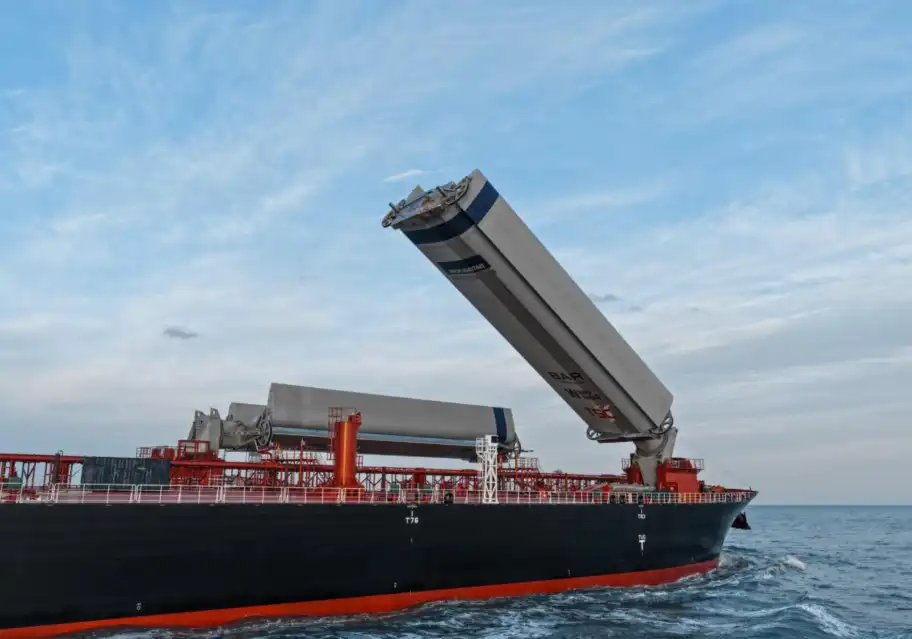
Modern Wind-Assisted Drive Frameworks work as advanced streamlined gadgets that capture and convert wind energy into forward thrust for marine vessels. These frameworks utilize progressed three-element unbending wing plans that naturally alter camber and point of attack based on real-time wind conditions and vessel requirements.
Core Technology Components
WAPS features a patented three-element rigid wing design delivering high lift and optimized airflow. Marine-grade steel and composite materials ensure structural integrity, durability, and corrosion resistance under harsh maritime conditions.
Automated Control Systems
Challenges and Solutions: WAPS vs Traditional Marine Connectivity Methods
Traditional marine propulsion methods face increasing pressure from environmental regulations and rising fuel costs. Conventional diesel engines, while reliable, contribute significantly to carbon emissions and operational expenses that continue escalating with volatile fuel markets.
Limitations of Conventional Propulsion
Heavy-duty marine vessels, depending exclusively on conventional drive frameworks, experience considerable operational challenges in the current administrative environment. Fuel utilization speaks to the highest operational cost for most commercial vessels, with costs fluctuating based on worldwide oil markets. Also, unused Carbon Escalated Marker (CII) directions force strict emission limits that numerous existing vessels battle to meet without critical modifications.
Maintenance necessities for conventional marine motors make extra operational burdens. Complex mechanical frameworks require visit overhauling, substitution parts, and specialized specialized ability amid harbour calls. These support requests result in expanded downtime and expanded operational costs that affect the general vessel profitability.
WAPS Technology Advantages
Wind-assisted drive frameworks address these challenges by giving supplemental power that diminishes reliance on conventional fuel sources. The integration of WAPS innovation empowers vessels to accomplish significant fuel reserve funds while keeping up operational adaptability and unwavering quality. Present-day frameworks can create critical pressure that straightforwardly interprets to decreased motor stack and lower fuel consumption.
The mechanized nature of modern WAPS dispenses with numerous operational complexities related to conventional cruising frameworks. Teams can work these frameworks utilizing commonplace interfacing comparable to deck crane controls, requiring negligible specialized preparing. This operational straightforwardness guarantees smooth integration into existing vessel operations without disturbing established procedures.
Procurement Guide: Selecting the Best WAPS for Tankers and Carriers
Selecting appropriate WAPS technology for heavy-duty marine applications requires careful evaluation of multiple technical and operational factors. Successful procurement decisions depend on understanding vessel-specific requirements, operational profiles, and long-term strategic objectives.
Technical Specifications and Certifications
Marine WAPS frameworks must meet thorough certification guidelines from recognized classification societies. These certifications guarantee compliance with worldwide sea security controls and give certainty in the framework's quality. Driving certification bodies conduct comprehensive testing to approve auxiliary judgment, security frameworks, and operational execution under different conditions.
The development quality of WAPS frameworks straightforwardly impacts long-term execution and upkeep prerequisites. Premium frameworks utilize certified materials sourced from trustworthy providers and experience broad quality control forms. These measures guarantee steady execution and minimize startling upkeep issues that may disturb vessel operations.
Integration and Compatibility Considerations
Successful WAPS establishment requires intensive compatibility investigation to guarantee consistent integration with existing vessel frameworks. The situating of WAPS units must oblige cargo taking care of operations, especially on bulk carriers where bringing forth cover usefulness remains basic. Present-day frameworks include imaginative collapsing components that permit clearance for standard cargo operations.
Electrical integration speaks to another vital thought in system design. Modern WAPS units utilize electrical control frameworks that coordinate with the existing vessel electrical system. This integration empowers centralized control and observing whereas keeping up excess for basic security systems.
Lifecycle Cost Analysis
Procurement choices ought to consolidate a comprehensive lifecycle cost analysis that amplifies past starting buy cost. Whereas WAPS frameworks require noteworthy upfront investment, the fuel investment funds and operational benefits regularly give alluring returns within a sensible timeframe. Numerous commercial establishments illustrate payback periods that adjust with standard vessel venture criteria.
Maintenance and bolster administrations constitute fundamental components of add up to proprietorship costs. Trustworthy providers give comprehensive support bundles that incorporate scheduled support, specialized back, and parts accessibility. These administrations guarantee reliable framework execution and minimize operational disturbances throughout the lifecycle.
WAPS Installation and Security in Heavy-Duty Marine Applications
The installation of Wind-Assisted Propulsion Systems on tankers and carriers requires specialized expertise and careful planning to ensure optimal performance and safety. Professional installation teams conduct detailed site assessments to determine ideal positioning and integration strategies.
Installation Process and Best Practices
Installation starts with a comprehensive vessel investigation to recognize ideal mounting areas that maximize streamlined productivity whereas keeping up operational usefulness. The situation must consider cargo taking care of necessities, route gear clearances, and basic stack dissemination. Proficient establishment groups utilize advanced modeling programs to optimize decision-making.
Factory acknowledgment testing approves framework execution, sometimes recently conveyance, guaranteeing all components meet the determination prerequisites. This testing prepare incorporatesa comprehensive assessment of control frameworks, security instruments, and mechanized capacities. Thorough testing conventions recognize potential issues some time recently establishment, minimizing delays and guaranteeing solid operation from commissioning.
Operational Integration
Successful WAPS integration amplifies past physical establishment to incorporate group training and operational strategy advancement. Preparing programs familiarize team members with framework operation, upkeep requirements, and security conventions. These programs guarantee secure and compelling framework utilization while building certainty in the technology.
The integration process incorporates the advancement of standard working strategies that consolidate WAPS operation into scheduled vessel exercises. These methods address ordinary operations, crisis reactions, and support exercises. Clear strategies guarantee reliable operation and minimize the potential for operational errors.
Security and Safety Considerations
Modern WAPS systems incorporate comprehensive safety features that protect both equipment and crew during all operational phases. Automated monitoring systems continuously track system performance and environmental conditions, automatically initiating protective measures when necessary. These safety systems provide multiple layers of protection against equipment damage and operational hazards.
Cybersecurity measures protect control systems from potential digital threats that could compromise system integrity. Secure communication protocols and access controls ensure authorized personnel maintain exclusive control over system operations. Regular security updates and monitoring maintain protection against evolving cyber threats.
Company Introduction and Our Marine WAPS Solutions
CM Energy stands as a pioneering technology enterprise committed to advancing sustainable energy solutions across the marine industry. Our TSC brand has established global recognition for delivering innovative wind-assisted propulsion systems that transform vessel operations through proven fuel savings and environmental benefits.
The TSC WindWings system is a patented three-element rigid sail offering superior performance with automated camber and angle adjustments. Modular designs accommodate diverse vessels, certified by leading societies. CM Energy provides global lifecycle support, professional installation, training, remote monitoring, and maintenance services, ensuring optimized, safe, and efficient vessel operations while maximizing WAPS investment benefits.
Conclusion
Wind-Assisted Drive Frameworks speak to a transformative innovation for heavy-duty marine applications, advertising considerable fuel investment funds and natural benefits for tankers and carriers. The integration of a progressed streamlined plan with computerized control frameworks empowers vessels to harness wind energy successfully whereas keeping up operational flexibility. Advanced WAPS innovation addresses the growing need for outflow decrease and operational cost reduction in commercial shipping. Effective execution requires cautious framework choice, proficient establishment, and comprehensive backup services. CM Energy's TSC WindWings frameworks give demonstrated arrangements that convey quantifiable operational advancements through imaginative innovation and extraordinary benefit support.
Frequently Asked Questions
1. What makes marine-grade WAPS superior to conventional propulsion supplements?
Marine-grade WAPS systems incorporate specialized materials and design features engineered for harsh saltwater environments. The three-element rigid wing design generates substantially higher lift compared to traditional single-wing configurations, resulting in greater fuel savings. Automated control systems eliminate the operational complexity associated with manual sail handling while ensuring optimal performance across diverse weather conditions.
2. How do installation requirements differ for marine versus land-based applications?
Marine installations require specialized consideration for vessel motion, saltwater corrosion, and integration with existing ship systems. The installation process includes structural load analysis, electrical integration planning, and compatibility assessment with cargo handling equipment. Professional marine installation teams possess specific expertise in maritime requirements and classification society compliance that differs significantly from land-based applications.
3. What security measures protect WAPS systems from cyber threats?
Contemporary WAPS systems incorporate multiple layers of cybersecurity protection including secure communication protocols, access authentication, and encrypted control interfaces. Regular security updates and monitoring systems maintain protection against evolving digital threats. Physical security measures complement digital protection to ensure comprehensive system integrity throughout the operational lifecycle.
Partner with CM Energy for Advanced WAPS Solutions
CM Energy invites commercial shipping operators, shipyards, and marine engineering firms to explore our innovative TSC WindWings systems for their heavy-duty vessels. As a leading WAPS manufacturer, we provide comprehensive solutions from initial consultation through long-term support services. Our proven technology delivers measurable fuel savings and emission reductions that address today's operational challenges. Contact our expert team at info.cn@cm-energy.com to discuss customized WAPS solutions tailored to your specific requirements and discover how our advanced wind-assisted propulsion systems can transform your vessel operations.
References
1. International Maritime Organization. "Guidelines for the Development and Management of the IMO Energy Efficiency Design Index (EEDI)." Maritime Safety Committee, 2021.
2. DNV GL. "Wind-Assisted Propulsion Systems: Classification Guidelines and Technical Standards." Maritime Technology Review, 2022.
3. Wolfson Unit. "Aerodynamic Performance Analysis of Multi-Element Rigid Wing Systems for Marine Applications." University of Southampton Research Publication, 2023.
4. Lloyd's Register. "Alternative Fuel and Propulsion Technologies for Commercial Shipping." Marine Engineering Technical Report, 2022.
5. Bureau Veritas. "Classification Requirements for Wind-Assisted Propulsion Systems on Commercial Vessels." Technical Guidance Document, 2023.
6. Maritime Technology Quarterly. "Fuel Efficiency Technologies in Heavy-Duty Marine Operations: A Comprehensive Analysis." Industry Research Publication, 2023.

(852) 3919 6300